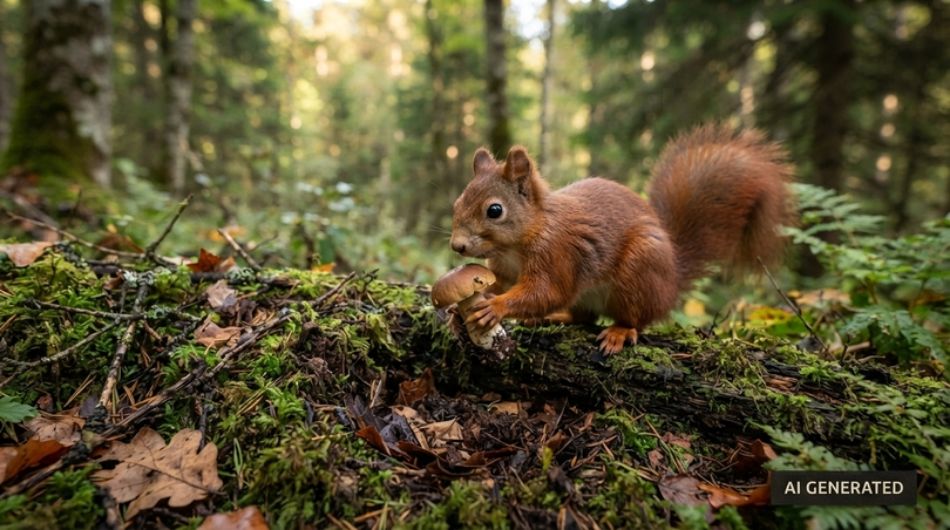
Squirrels are much more than just cute forest dwellers: they are real gardeners of the forest, capable of spreading fungal spores and supporting the mycorrhizal symbiosis that keeps trees alive. Watching them hide mushrooms among the branches means witnessing an ancient ecological mechanism, still little known to the general public today. Understanding the connection between squirrels and fungi opens up surprising possibilities for mushroom enthusiasts, growers, researchers, and hobbyists who want to delve into the hidden dynamics of the forest.
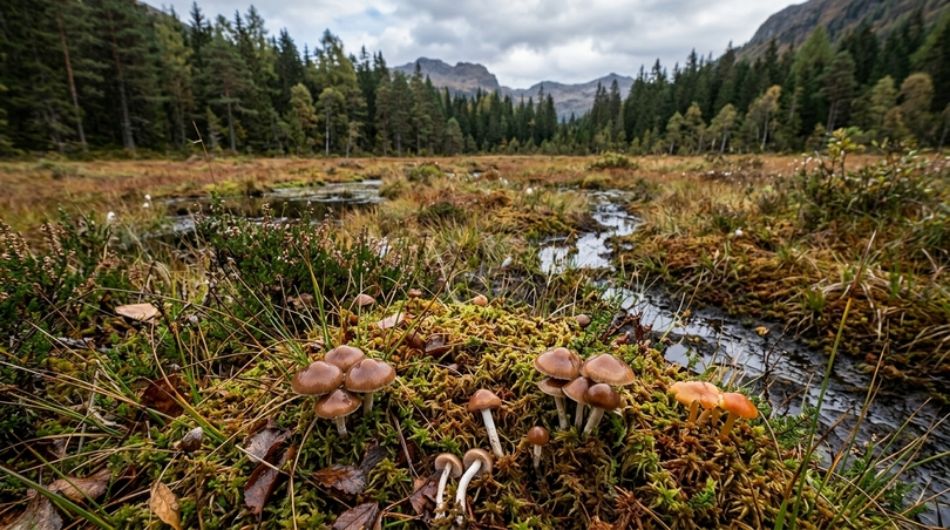
In Europe, there is an environment that covers just 3% of the planet's land but holds more carbon in its belly than all the world's forests combined: peatlands. Walking alongside them means looking into a suspended world, where water doesn’t flow and time seems to have stopped in a plant-like slowness that has lasted for ten thousand years. Those who study mycology, however, know that beneath that elastic carpet of sphagnum moss hides something even more fascinating: an extraordinary fungal network, adapted to extreme acidity, low oxygen, and scarce nutrients, capable of surviving where almost no other decomposer can work.
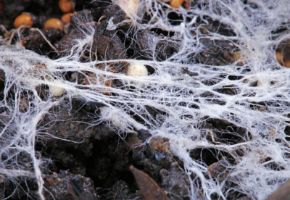
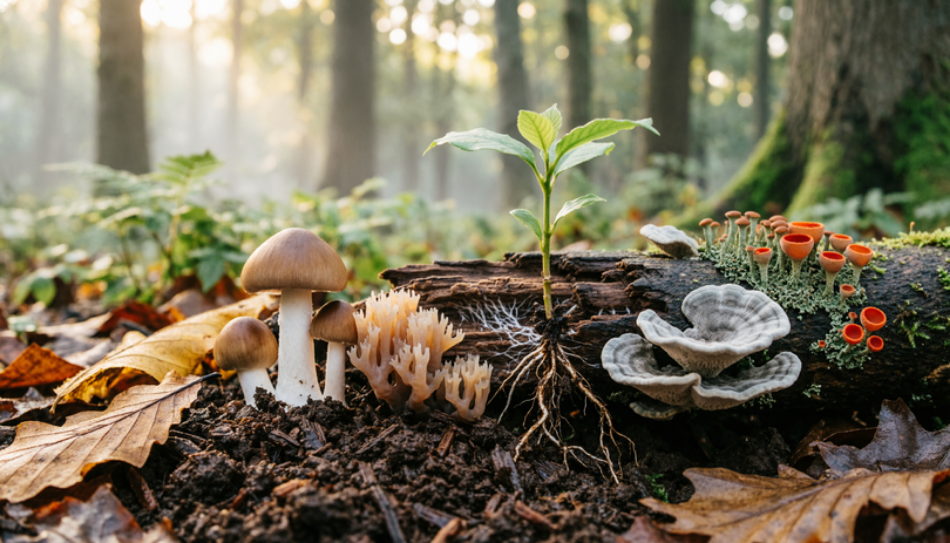
Ecological succession is one of nature's most fascinating processes: an orderly succession of biological communities that, starting from bare or disturbed soil, leads to the formation of a mature and complex ecosystem. Fungi, often invisible to our eyes, are the true architects of this transformation. With their mycelium networks, they break down organic matter, create fertile humus, and establish symbiotic relationships that allow the first plants to take root and thrive. Without them, plant life would progress dramatically slower, and many habitats would never reach their full potential.