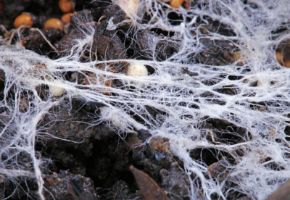
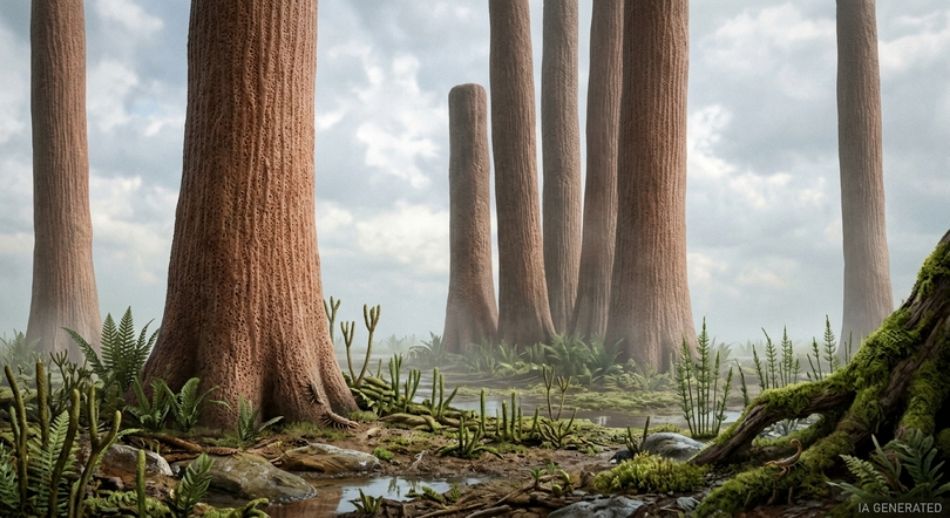
Imagine walking on a coastal plain in the late Silurian, about 420 million years ago. There are no trees. There are no forests, no birdsong, not a single air-breathing vertebrate. The vegetation surrounding you barely reaches your ankles: tiny primitive vascular plants, carpets of bryophytes, crusts of algae and cyanobacteria colonizing the wet mud along the waterways. And then, every now and then, on the horizon, something absurd looms: a smooth, tapered, dark column, as wide at the base as the trunk of a centuries-old oak and up to eight meters tall. It has no branches and no leaves. It has no visible roots. It's simply there, a biological monolith towering thirty or forty times higher than any other terrestrial life form on the planet. That monolith is called Prototaxites, and it is probably the most baffling, most debated, and most fascinating Prototaxites fossil in the history of paleobotany.
At a time when insecticide resistance threatens progress in the fight against malaria, the scientific community is exploring innovative approaches that harness the power of nature. Among the most promising solutions are entomopathogenic fungi, microorganisms specialized in parasitizing and killing insects. This article explores in depth how fungal species such as Metarhizium anisopliae and Beauveria bassiana are revolutionizing strategies for controlling malaria-carrying mosquitoes, offering a sustainable and effective alternative to chemical insecticides.
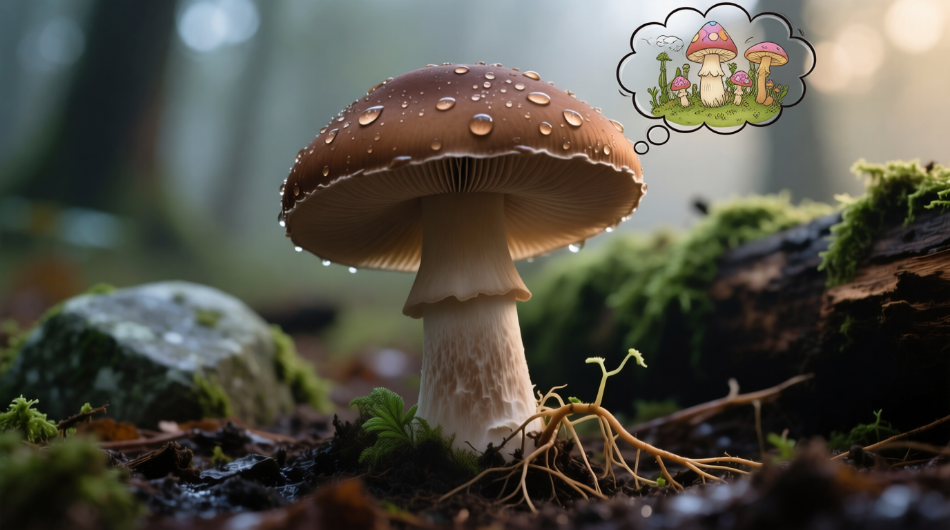
Today we delve into one of the most fascinating and controversial areas of contemporary biology, exploring the scientific discoveries that are radically redefining our understanding of the fungal world and the very boundaries of biological consciousness. For centuries, we have considered fungi as passive organisms, simple decomposers, or, at best, culinary ingredients. However, the latest research is painting a completely different picture, revealing a universe of complexity, intelligence, and perhaps even a rudimentary form of consciousness that challenges every preconception. Through innovative studies that combine mycology, neuroscience, physics, and computer science, we are discovering that mycelial networks possess extraordinary capabilities: they process information, make decisions, exhibit memory and learning, and communicate through sophisticated signaling systems. This article is an in-depth journey through the experimental evidence, scientific theories, and philosophical implications of what could prove to be one of the most significant revolutions in the way we conceive of life and mind on our planet.