When it comes to lichens and fungi, confusion is always present, even for the most experienced enthusiasts. Fungi constitute an autonomous biological kingdom (Kingdom Fungi), while lichens are not a single taxonomic group but rather an extraordinary evolutionary alliance: an obligate mutualistic symbiosis between a fungus (the mycobiont, generally an ascomycete) and one or more photosynthetic partners (the photobiont, represented by green algae or cyanobacteria). The fungus provides a protected environment, absorbs water and mineral salts, and the algae or cyanobacterium produces sugars through photosynthesis. This union creates an entirely new organism, with unique morphological and physiological properties, absent in either individual component: the lichen...
Today, after a weekend of collective disappointment, we want to explain why there are no mushrooms in some woods. How many times have you had friends who've "stocked up" on porcini mushrooms, shown you the place where they've harvested their abundant mushrooms, and when you arrive, you find nothing? Perhaps, if you're lucky, just a handful of insignificant mushrooms and maybe a couple of suspicious species that even the most daring wouldn't dare put in the pan because they're probably toxic. And then, as you return home, you begin to insistently wonder why there are woods that never produce anything. We want to explain the reason, even if you won't like some of it.
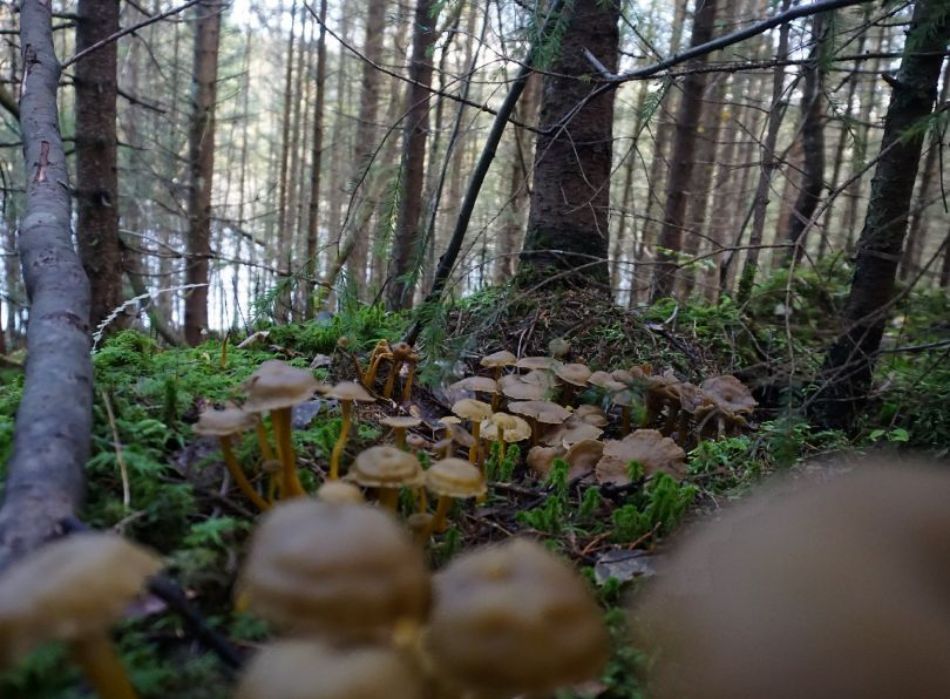
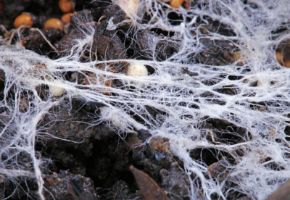
In this article, we explore one of the most fascinating and least-known aspects of forest life: the fundamental role that fungi play in allowing forests to "breathe." For decades, scientific research has underestimated the importance of the fungal kingdom, focusing primarily on plants and animals. Today, thanks to innovative research, we know that without fungi, forests as we know them would not exist. This article is aimed at botanists, mycologists, mycoculturists, and mushroom enthusiasts, offering a detailed analysis supported by scientific data, recent research, and mycological curiosities. Through a journey into the underground world of fungal hyphae, we will discover how fungi create complex communication networks, facilitate the exchange of nutrients between trees, sequester carbon from the atmosphere, and contribute to the resilience of forest ecosystems. Each section is designed to offer in-depth information, with detailed tables, up-to-date statistics, and references to authoritative scientific studies.