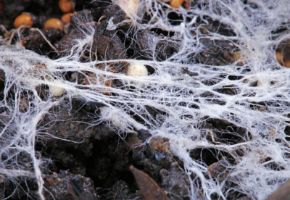
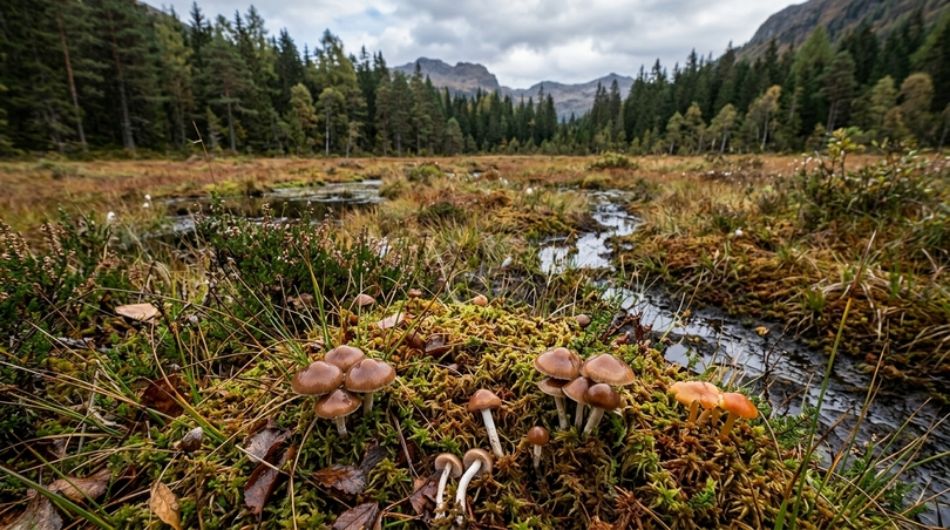
In Europe, there is an environment that covers just 3% of the planet's land but holds more carbon in its belly than all the world's forests combined: peatlands. Walking alongside them means looking into a suspended world, where water doesn’t flow and time seems to have stopped in a plant-like slowness that has lasted for ten thousand years. Those who study mycology, however, know that beneath that elastic carpet of sphagnum moss hides something even more fascinating: an extraordinary fungal network, adapted to extreme acidity, low oxygen, and scarce nutrients, capable of surviving where almost no other decomposer can work.
Imagine standing at the center of an endless horizon, where the grass sways like the surface of a green sea in the wind, and the sky seems to touch the earth in every direction. This is the landscape of the prairie, one of the most fascinating, underappreciated, and vital ecosystems on our planet. Far from being a simple "field of grass," the prairie is a world teeming with life, a delicate balance built over millennia between climate, soil, plants, animals, and, as we will discover, even the extraordinary fungi that guard its deepest secrets.
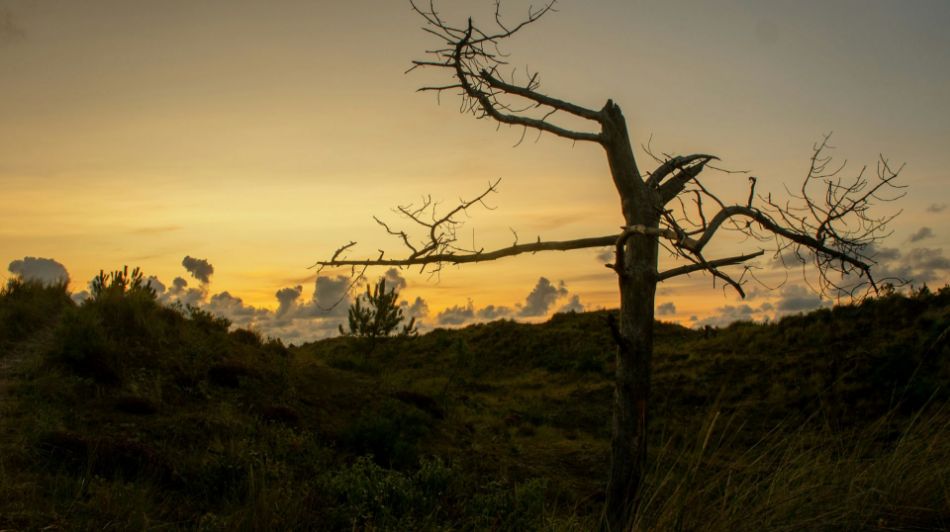
In this article, we will explore in depth and detail the complex and worrying phenomenon of tree death and its inextricable link with the disappearance of mushrooms from our forests. Through technical analysis, statistical data, explanatory tables, and ecological considerations, we will attempt to dissect every aspect of this environmental crisis, offering a comprehensive overview of this increasingly worrying phenomenon. The situation is serious and requires a thorough understanding of its causes and possible solutions.