There's a moment in the life of anyone who grows mushrooms when suspicion turns into certainty: the hygrometer is lying. The display says 92% relative humidity, the substrate looks visibly dry, the primordia abort one after the other, and the caps crack like parched earth. Or the opposite happens: the device reads 78%, but water is dripping on the walls of the fruiting chamber, and the mycelium is drowning in a bacterial slime. It's not a faulty instrument. It's hysteresis: the phenomenon where a physical system doesn't just respond to the current value of a quantity, but also to where it came from, meaning the history it went through to get there.
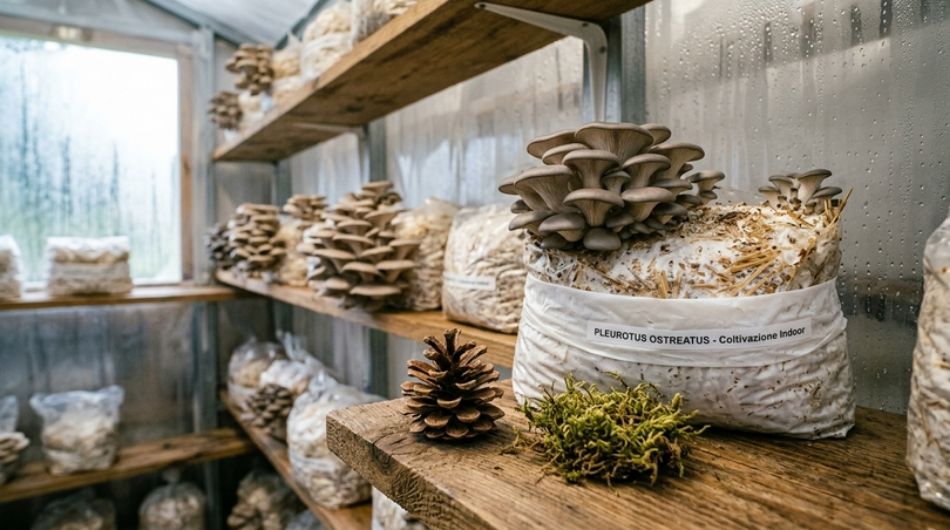
Growing oyster mushrooms on cardboard is revolutionizing the world of home mycology and amateur mushroom cultivation, offering unprecedented access to this fascinating and rewarding practice. For enthusiasts, expert growers, researchers, and hobbyists, this technique represents a game-changer: affordable, sustainable, and accessible to everyone. In this article, we'll explore every aspect of this method, demonstrating how you can successfully grow oyster mushrooms with recycled materials, achieving surprising results and contributing to more conscious and circular consumption.
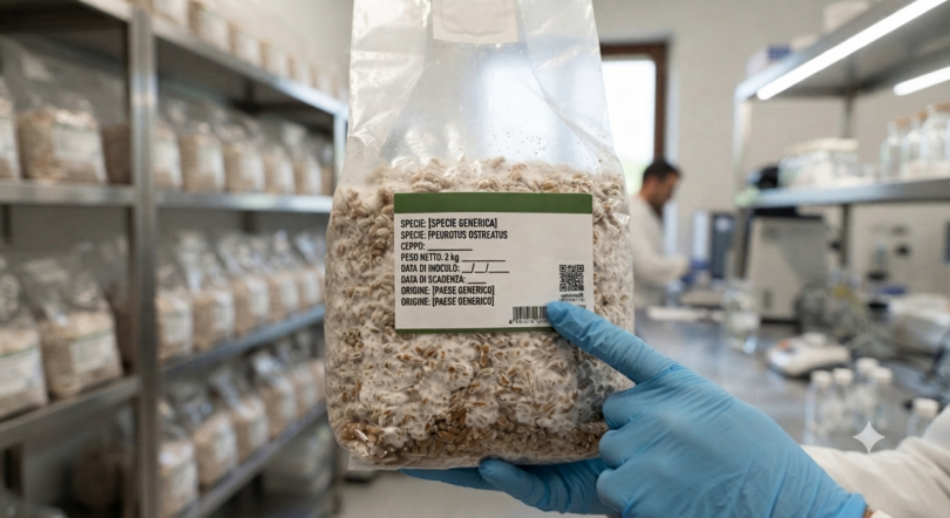
In the world of mushroom cultivation, few terms are as crucial and, at the same time, surrounded by an aura of mystery as the word 'spawn.' For the mushroom enthusiast, the environmental biologist, or the hobbyist looking to grow collectible specimens at home, spawn represents the beating heart of the cultivation project. It's the seed, the invisible engine that, if of good quality, will turn a simple substrate into a thriving, productive mycelium. But how do you tell an excellent spawn from a mediocre one? The answer lies in a document often underestimated: the label.