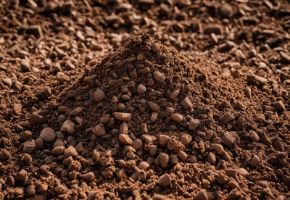
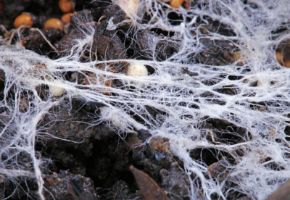
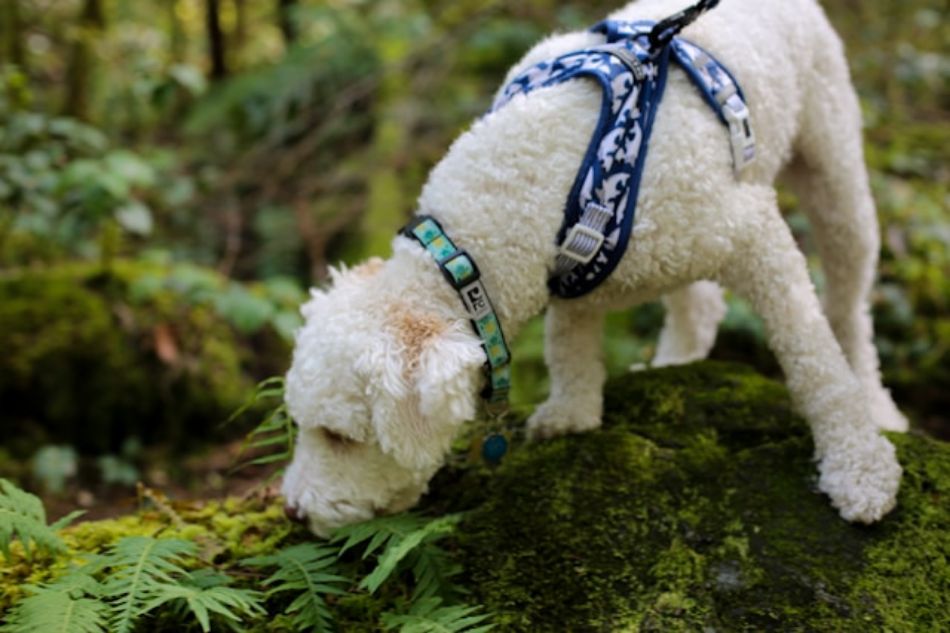
Umbria, known as the green heart of Italy, is one of the most fascinating and productive regions for black truffle hunting and cultivation. This article aims to provide an in-depth analysis of the morphological characteristics, habitat, hunting techniques, and all aspects related to Tuber melanosporum in Umbria, offering a comprehensive guide for enthusiasts, botanists, mycologists, and professional hunters.
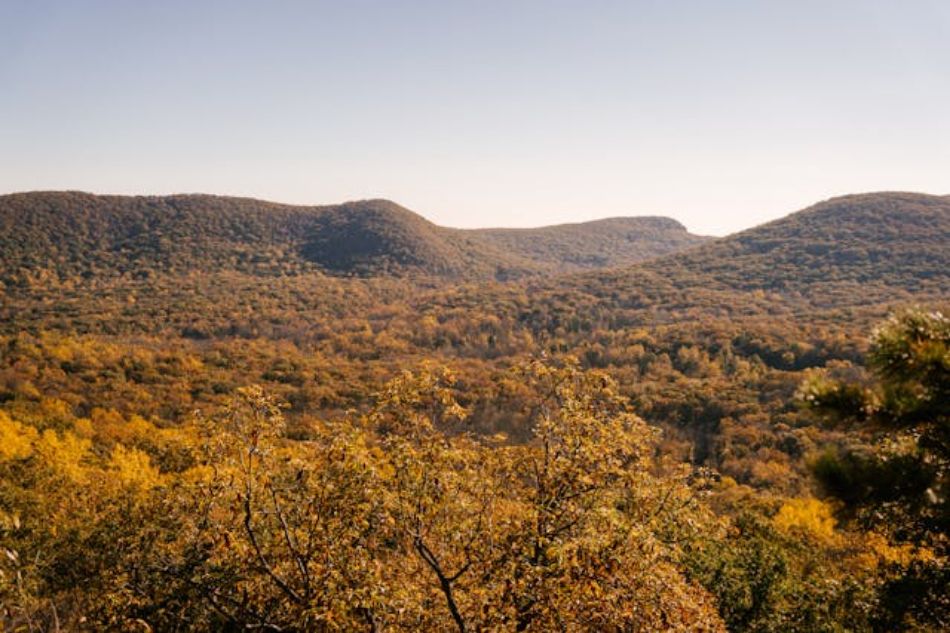
Mount Amiata rises like a gentle giant among the rolling hills of southern Tuscany, an extinct volcano whose geological history has shaped a unique environment, a sanctuary for biodiversity and, in particular, for the kingdom of mushrooms. This article aims to serve as a magnifying glass focused on this fascinating microcosm, an in-depth journey through shady paths and centuries-old chestnut groves to discover the fungal treasures the mountain holds. We will explore not only the most iconic species, such as the delicious Porcini mushroom, but also the lesser-known ones, dissecting the complex ecological relationships that bind them to their habitat, a mosaic of beech, fir, and mixed forests that in autumn alight with warm colors, transforming into a carpet of golden leaves beneath which fungal life teems. Through detailed morphological data, statistical analysis, interesting facts, and a careful examination of sustainable harvesting practices, this text aims to be a reference point for enthusiasts, mycologists, and anyone wishing to deepen their knowledge of one of Italy's richest and most interesting fungal ecosystems.
Piedmont is one of Italy's richest and most prestigious regions for truffle production, boasting a natural and cultural heritage rooted in centuries of tradition. In this in-depth study, we will analyze the complex relationship between Piedmont's oaks and truffle production, examining the botanical, ecological, and mycological aspects that make this region unique. Through scientific data, updated statistics, and field observations, we will discover why Piedmont's oaks are the ideal habitat for the development of the most prized truffles. The article aims to offer a comprehensive and detailed overview of all the factors that contribute to Piedmont's excellence in truffle production, with particular attention to the morphological characteristics of native oaks, their mycorrhizal symbiosis, and the cultivation and harvesting practices that have made this region famous worldwide.