This is a fungo that, in other words, appears in the same way that the ambiguity of the Amanita family is fascinating: a fungo that belongs to all the family of the killers of the European Bosco, with the final finish of the secoli in the padelle of the kitchen containing the Arco Alpino e appenninico. The fungo is Amanita rubescens, conosciuta in molte area del Nord Italia with the name dialettale di Bescia, e altrove come Tignosa vinata, Ovolo malefico, Rossina or Amanita rosseggiante. Its distinctive trait is a wonderful theater in its own right: there are two tocchi, two tags, two sbucci or two flowers in a lumaca, the carne white vira lentamente verso il rosa, poi verso il rosso vinoso. The fungo che arrossisce, e proprio questo arossamento è la chiave per riconoscerla, per non confonderla con specie letali e per capire perché non debba mai, in nessun caso, essere consumata cruda.
In this article, we'll delve into the fascinating world of the Wood Ear (also known as Jew's Ear or Chinese Black Mushroom), a fungus that has captivated mycologists, botanists, and gourmets for centuries. Scientifically known as Auricularia polytricha, this mushroom stands out for its unique shape, remarkable properties, and widespread distribution. Through a detailed analysis spanning taxonomy, biochemistry, ecology, and mycoculture applications, this text aims to be the definitive resource for anyone wishing to fully understand every aspect of this extraordinary organism. Our exploration will be enriched with quantitative data, comparative tables, and references to scientific studies, offering a holistic and in-depth view of the Wood Ear.
Suillus luteus, commonly known as the cork oak or common cork oak (different from the grey cork oak), is one of the most interesting and sought-after mushroom species in Italian mycology. This fungus, belonging to the Suillaceae family, is distinguished by its unique morphological characteristics and its close symbiotic relationship with various conifer species. In this in-depth factsheet, we explore every aspect of this fascinating basidiomycete, from taxonomy to ecology, from nutritional properties to identification techniques, offering readers a comprehensive and detailed overview that meets the needs of both expert mycologists and amateur collectors.



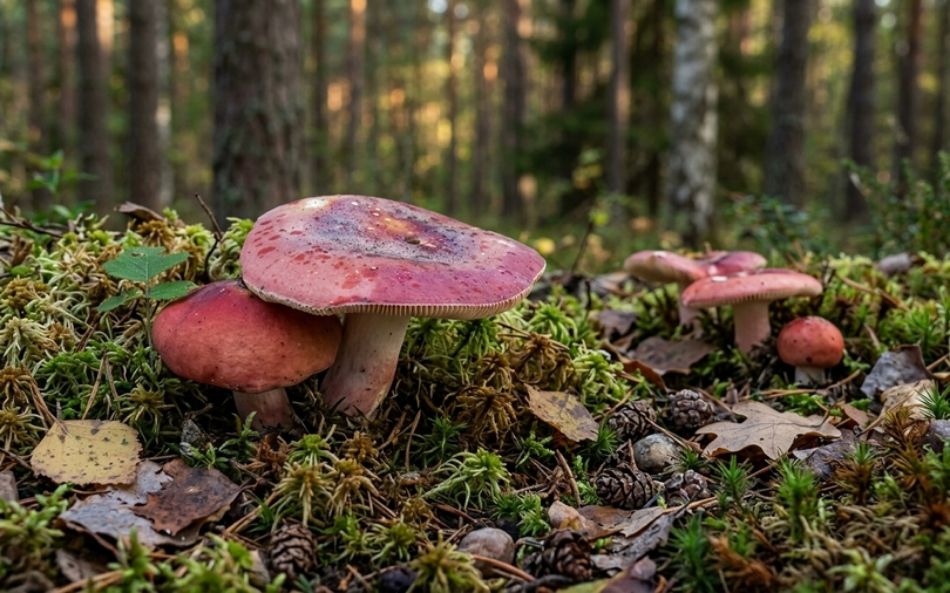
 – dati botanici, caratteristiche, morfologia, habitat, p_950.jpeg "Wood ear (Auricularia polytricha) – botanical data, characteristics, morphology, habitat, properties")
 – dati botanici, caratteristiche, morfologia, habitat, proprietà_950.jpeg "Cork (Suillus luteus) – botanical data, characteristics, morphology, habitat, properties")