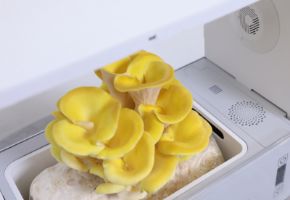
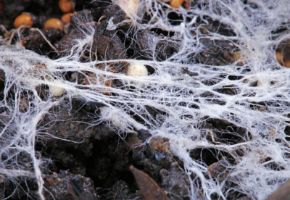
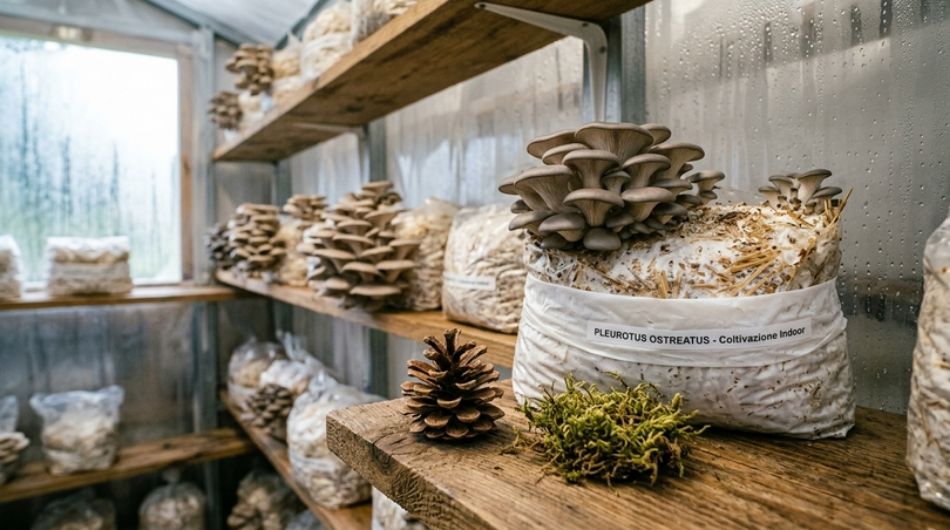
There's a moment in the life of anyone who grows mushrooms when suspicion turns into certainty: the hygrometer is lying. The display says 92% relative humidity, the substrate looks visibly dry, the primordia abort one after the other, and the caps crack like parched earth. Or the opposite happens: the device reads 78%, but water is dripping on the walls of the fruiting chamber, and the mycelium is drowning in a bacterial slime. It's not a faulty instrument. It's hysteresis: the phenomenon where a physical system doesn't just respond to the current value of a quantity, but also to where it came from, meaning the history it went through to get there.
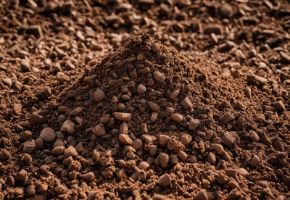
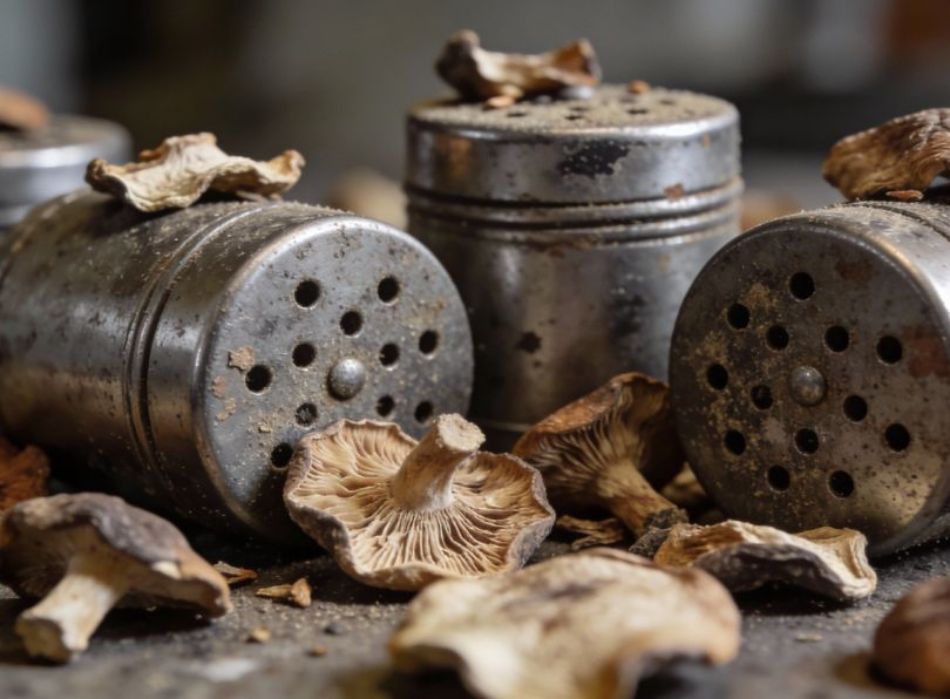
Today we'd like to introduce you to a useful tool for those who enjoy DIY: the grinder. In the vast and fascinating world of practical mycology, from harvesting to home cultivation, there's a crucial step following drying: reducing the mushroom to a more usable form. This is where this tool, often associated with other fields, comes in, but it's incredibly useful for the mushroom enthusiast.
Welcome, mycology enthusiasts, cultivators, and researchers, to an in-depth journey into the heart of one of the most critical parameters for successful mushroom cultivation: humidity. This element, often underestimated by novices, represents the lifeblood for every stage of the fungal life cycle, from spore germination to final fruiting. In this comprehensive treatise, we will explore not only the "what to do" but especially the "why" and the "how", dissecting every technical, scientific, and practical aspect. Through precise data, comparative tables, analysis of instrumentation, and proven protocols, we will transform humidity management from a mysterious art into an applicable science, guaranteeing the best results for your cultivations, whether it's a small home kit or a large-scale commercial operation.