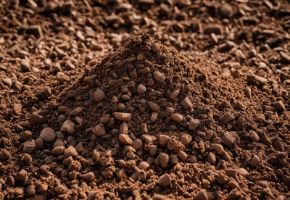
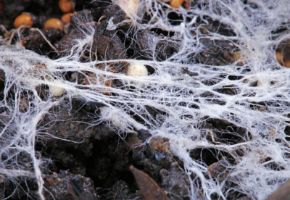
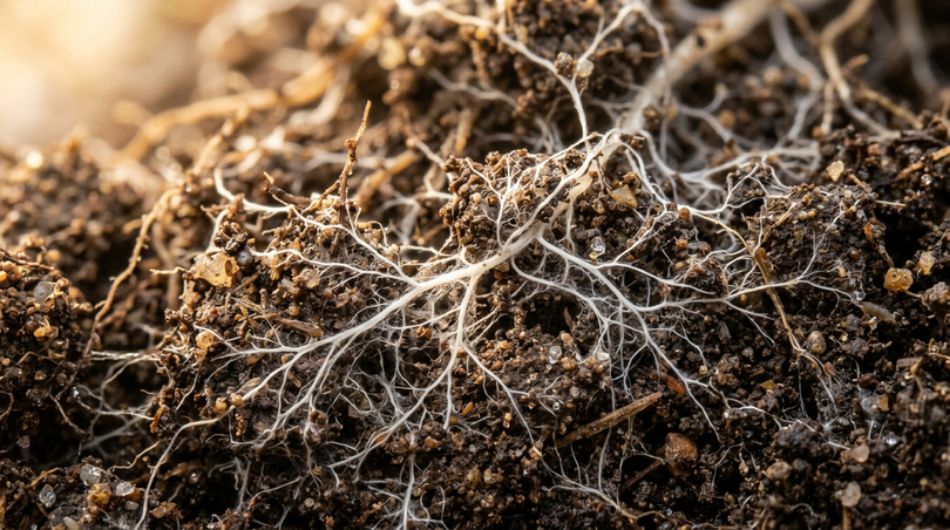
Soil is a living, breathing ecosystem, and fungi are its silent architects. For decades, conventional agriculture has viewed fungi primarily as pathogens to be eliminated, neglecting their fundamental role in maintaining soil health. Today, thanks to increasingly advanced research, we know that fungi are irreplaceable allies in preventing soil diseases, capable of protecting plants, improving soil structure, and reducing dependence on chemicals.
Imagine standing at the center of an endless horizon, where the grass sways like the surface of a green sea in the wind, and the sky seems to touch the earth in every direction. This is the landscape of the prairie, one of the most fascinating, underappreciated, and vital ecosystems on our planet. Far from being a simple "field of grass," the prairie is a world teeming with life, a delicate balance built over millennia between climate, soil, plants, animals, and, as we will discover, even the extraordinary fungi that guard its deepest secrets.
Spring isn't what it used to be. Climate change is rewriting the seasonal calendar, and an early spring is profoundly transforming natural cycles, particularly in the mushroom kingdom. For enthusiasts, growers, researchers, and hobbyists, this phenomenon represents both an unprecedented challenge and an unprecedented opportunity. In this article, we'll explore every aspect of spring in relation to mushrooms: from the astronomical and cultural significance of the spring season, to the most effective harvesting techniques, to the innovative products from NatureNext.eu that can make a difference in your mushroom experience...