




In this article, we will explore one of the most fascinating and lesser-known aspects of forest life: the fundamental role fungi play in enabling forests to "breathe." For decades, scientific research has underestimated the importance of the fungal kingdom, focusing primarily on plants and animals. Today, thanks to innovative research, we know that without fungi, forests as we know them would not exist. This article is aimed at botanists, mycologists, mushroom cultivators, and mushroom enthusiasts, offering a detailed analysis supported by scientific data, recent studies, and mycological curiosities.
Through a journey into the underground world of fungal hyphae, we will discover how fungi create complex communication networks, facilitate nutrient exchange between trees, sequester atmospheric carbon, and contribute to the resilience of forest ecosystems. Each section has been designed to provide in-depth information, complete with detailed tables, up-to-date statistics, and references to authoritative scientific studies.
The forest is a complex living organism, and fungi represent its nervous system, digestive tract, and respiratory system—all in one. Prepare to see the woods with entirely new eyes, uncovering the secrets hidden beneath your feet during every walk among the trees.
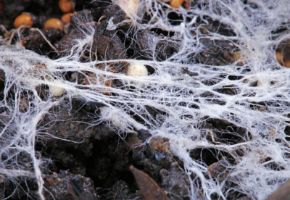
Before delving into the specific mechanisms through which fungi enable forests to breathe, it is essential to understand the structure and biology of these extraordinary organisms. The mushrooms we see during our walks in the woods—the fruiting bodies—represent only a small fraction of the actual organism. Most of the fungal biomass lies underground, in the form of a dense network of filaments called hyphae, which together form the mycelium. Mycelium is one of the most extensive biological structures on the planet. In a mature forest, a single mycelial network can extend for hundreds of meters, connecting dozens of trees in a complex web of nutrient and information exchange. This "biological internet" has been nicknamed the "Wood Wide Web" by researcher Suzanne Simard, who revolutionized our understanding of forest interactions. According to the latest estimates, up to 200 meters of fungal hyphae can be present in just one gram of forest soil. This dense underground network performs essential functions for ecosystem health: decomposing organic matter, mobilizing nutrients, forming symbiotic relationships with plant roots, and structuring the soil to create ideal conditions for plant life. Fungal mycelium is literally the connective tissue of the forest—the infrastructure that allows the entire ecosystem to function as an integrated organism. Mycelium consists of hyphae, tubular filaments with diameters ranging from 2 to 10 micrometers. These structures grow by apical extension, constantly exploring the soil in search of nutrients. Fungal hyphae secrete specific enzymes that break down complex organic compounds—such as cellulose, lignin, and chitin—into simpler molecules that the fungus can absorb. One of the most important characteristics of forest fungi is their ability to decompose lignin, an extremely resistant polymer that makes up 25–30% of wood. Without this capability, carbon trapped in dead wood would remain locked away for centuries instead of being recycled back into the ecosystem. Lignicolous fungi, such as polypores, therefore play a crucial role in the forest carbon cycle. A fascinating aspect of fungal biology is the presence of septa in the hyphae of many fungi. These septa are transverse walls that divide the hypha into compartments but contain pores that allow the passage of organelles and even cellular nuclei. In some species, such as basidiomycetes, these pores are particularly complex, featuring specialized structures that regulate intracellular traffic. This organization enables extraordinary communication and coordination within the mycelial network. Mycological research has made giant leaps in recent decades, thanks to genetic sequencing techniques that allow identification of fungal species without the need for laboratory cultivation. A study published in Nature revealed that up to 5,000 different fungal species may be present in a single hectare of temperate forest, most of which remain unknown to science. This hidden biodiversity is essential for forest ecosystem resilience. Traditional fungal classification relies on the morphological characteristics of fruiting bodies, but this approach is increasingly inadequate in the face of the extraordinary diversity of the fungal kingdom. Modern metabarcoding techniques—environmental DNA analysis—are revolutionizing mycology, revealing entire previously unknown fungal phyla. In Italian forests, for example, the SISEF (Italian Society of Forestry and Forest Ecology) project has identified over 3,000 species of macrofungi, but estimates suggest the actual number could be at least three times higher. This species richness is not evenly distributed: certain areas, such as the ancient forests of the Apennines, host particularly diverse fungal communities, including rare and endemic species. Fungal diversity is closely linked to plant diversity. Forests with a high number of tree species tend to host richer fungal communities, thanks to the specialization of many fungi toward specific plant partners. This phenomenon, known as host specificity, is especially pronounced in mycorrhizae—the symbiotic associations between fungi and plant roots, which we will discuss in detail in the next section. Mycorrhizae represent one of the most widespread and ecologically significant symbiotic relationships on the planet. The term, derived from the Greek "mykes" (fungus) and "rhiza" (root), describes the intimate association between fungal hyphae and plant roots. This symbiosis dates back at least 450 million years, as evidenced by Ordovician-period fossils, and likely facilitated the colonization of land by plants. In today’s forests, over 90% of plant species form mycorrhizal relationships. This percentage is even higher in forest ecosystems, where trees such as oaks, beeches, pines, and firs depend almost entirely on their fungal partners for water and nutrient uptake. The symbiosis is mutualistic: the plant provides the fungus with carbohydrates produced via photosynthesis (up to 20–30% of the fixed carbon), while the fungus supplies the plant with water, nitrogen, phosphorus, and other mineral nutrients extracted from the soil far more efficiently than roots alone could manage. There are several types of mycorrhizae, each with specific morphological and functional characteristics. The two main groups in forests are ectomycorrhizae and arbuscular mycorrhizae. The former are typical of forest trees like beeches, oaks, pines, and birches, while the latter associate mainly with herbaceous species and some tropical trees. The differences between these two types of mycorrhizae are substantial and profoundly influence the structure and functionality of forest ecosystems. Ectomycorrhizae are characterized by the formation of a fungal sheath that envelops the fine roots of the tree, along with a network of hyphae (Hartig net) that penetrates between the cortical root cells without entering them. This type of symbiosis is particularly adapted to nutrient-poor forest soils, where the availability of nitrogen and phosphorus often limits plant growth. Ectomycorrhizal fungi have developed extraordinary strategies to access otherwise unavailable nutrient forms. For example, they secrete enzymes such as phosphatases that release phosphate from organic soil compounds, and oxidize organic nitrogen compounds to make them assimilable. Some species can even directly decompose dead organic matter—a capability known as "facultative saprotrophy"—allowing them to tap into otherwise inaccessible nutrient sources. The degree of specialization between trees and ectomycorrhizal fungi varies greatly. Some trees, like birches, are generalists and can associate with hundreds of different fungal species. Others, such as many pines, show a marked preference for specific fungal partners. This variability has important ecological implications: forests with generalist trees tend to have more interconnected and resilient mycorrhizal networks, whereas those dominated by specialists may be more vulnerable to environmental changes. Research on ectomycorrhizae has received considerable momentum in recent years, thanks to projects like the Mycorrhizal Genomics Initiative, which aims to sequence the genomes of key mycorrhizal fungi. These studies are revealing specialized genes involved in plant communication, nutrient mobilization, and responses to environmental stress. Understanding these molecular mechanisms could have significant applications in sustainable forestry and the restoration of degraded forest ecosystems. One of the most revolutionary discoveries in mycorrhizal research is the existence of common mycorrhizal networks, in which multiple plants are interconnected through shared fungal hyphae. These networks, nicknamed the "Wood Wide Web," enable the transfer of carbon, nutrients, and even defense signals between different trees, sometimes even across species. Pioneering experiments by Suzanne Simard, a Canadian forest ecologist, demonstrated that in a Douglas fir forest, large "mother trees" can transfer isotopically labeled carbon to nearby seedlings through shared mycorrhizal networks. This transfer is especially intense when seedlings are shaded and struggle to photosynthesize on their own. The forest thus behaves as a cooperative community, where stronger individuals support weaker ones through underground fungal connections. But carbon transfer is only one function of common mycorrhizal networks. Recent studies have shown that these networks can also transmit alarm signals between plants. When a plant is attacked by herbivores, it can release volatile compounds perceived by neighboring plants, triggering defense mechanisms. Part of this communication occurs through mycorrhizal connections, which act as true biological telephone lines. The carbon cycle is one of the fundamental processes in forest ecosystems, and fungi play a dual—and seemingly contradictory—role: on one hand, they decompose organic matter, releasing carbon dioxide into the atmosphere; on the other, they contribute to carbon sequestration in the soil, stabilizing it in forms that can remain stored for centuries. Understanding this balance is crucial for assessing the role of forests in mitigating climate change. Forests represent one of the largest terrestrial carbon reservoirs, storing approximately 861 ± 66 billion tons of carbon—44% in soil, 42% in plant biomass, and the remaining 14% in litter and dead wood. Fungi influence all these compartments through processes of decomposition, transformation, and stabilization of organic matter. Their net impact on the forest carbon balance depends on a complex interplay of environmental factors, including temperature, moisture, soil pH, and the composition of the fungal community itself. In recent decades, research on carbon cycling in forest soils has undergone a true conceptual revolution, shifting from a view based primarily on chemical and physical processes to one that recognizes the central role of living organisms—particularly fungi. This new perspective, known as the "microbial carbon pump," suggests that soil microorganisms, especially fungi, are not merely decomposers but true architects of soil organic carbon, transforming labile substances into recalcitrant forms that can persist for millennia. Fungi’s ability to decompose wood is one of their most evident contributions to the forest carbon cycle. Each year, about 1–3% of woody biomass dies in temperate forests, becoming potential substrate for lignicolous fungi. These fungi produce a wide array of extracellular enzymes capable of degrading the complex polymers that make up plant cell walls: cellulases for cellulose, hemicellulases for hemicelluloses, and especially laccases, manganese peroxidases, and lignin peroxidases for lignin. Lignin decomposition is particularly important because this polymer accounts for about 30% of soil organic carbon and, due to its complex aromatic structure, is highly resistant to microbial degradation. Only fungi—particularly basidiomycetes in the class Agaricomycetes—possess the full enzymatic toolkit needed to effectively attack lignin. Without these fungi, dead wood would progressively accumulate in the ecosystem, locking carbon away from the biological cycle. The rate of wood decomposition varies significantly depending on the fungal species involved, environmental conditions, and the characteristics of the wood itself. Studies conducted in Białowieża Forest, Poland, have shown that an oak log can take 50 to 100 years to fully decompose, while a pine log under similar conditions requires 30–60 years. During this process, up to 60–80% of the carbon initially present in the wood is released as CO₂ through fungal respiration, while the remaining 20–40% is incorporated into fungal biomass or transformed into soil organic matter. Research on fungal decomposition has important implications for forest management and climate policy. A study published in Science estimated that globally, dead wood decomposition contributes approximately 10.9 ± 3.2 billion tons of CO₂ annually—equivalent to 29% of total fossil fuel emissions. This figure underscores the importance of including decomposition processes in climate models and mitigation strategies. While wood decomposition releases carbon into the atmosphere, other fungal processes contribute to carbon sequestration in the soil, stabilizing it in forms that can resist decomposition for centuries or millennia. This stable carbon, known as soil organic carbon, represents the largest terrestrial carbon reservoir—three times greater than the carbon stored in vegetation and double that in the atmosphere. Fungi contribute to soil carbon sequestration through several mechanisms. First, a significant portion of the carbon absorbed by fungi is incorporated into their biomass. Fungal hyphae are rich in chitin, a polymer of N-acetylglucosamine that is relatively resistant to decomposition. When hyphae die, part of this carbon can persist in the soil for long periods, especially if associated with clay minerals or soil aggregates. Second, fungi produce extracellular compounds that stabilize organic carbon. Among these, the most important are glomalin—glycoproteins produced by arbuscular mycorrhizal fungi that act as biological "glue," aggregating soil particles and protecting organic matter from decomposition. Ectomycorrhizal fungi also produce similar compounds, known as melanins, which can account for up to 30% of fungal biomass and are extremely resistant to degradation. Finally, fungi modify the physical structure of the soil, creating stable aggregates that trap organic carbon. Fungal hyphae wrap around soil particles, forming aggregates that protect organic matter from microbial enzyme attack. This mechanism, known as physical protection, is particularly effective in forest soils, where aggregated structure is well developed. Forests worldwide are facing unprecedented pressures from climate change, pollution, habitat fragmentation, and invasive species. In this context, resilience—an ecosystem’s ability to withstand disturbances and recover afterward—has become a critical property. Fungi play a fundamental role in determining and maintaining forest resilience through physiological, ecological, and evolutionary mechanisms that we are only beginning to understand. Fungal diversity is closely linked to ecosystem resilience. Rich and diverse fungal communities tend to be more stable and functionally redundant, meaning that if some species are lost due to disturbance, others can compensate for their ecological functions. This functional diversity is especially important in the face of multiple, unpredictable stresses, such as those associated with climate change. Fungi also enhance forest resilience through their ability to rapidly adapt to changing environmental conditions. Thanks to their short life cycles and capacity for both sexual and asexual reproduction, fungi can evolve quickly, developing adaptations to stresses like drought, rising temperatures, or soil acidification. Moreover, their extensive hyphal networks allow them to explore large soil volumes, seeking favorable microclimatic niches and reallocating resources from richer to poorer areas. As drought events increase in frequency and intensity across many forest regions, trees’ ability to withstand water stress becomes crucial for forest survival. Mycorrhizal fungi play a fundamental role in this context, enhancing plant water uptake and modulating plant physiology to increase drought tolerance. Fungal hyphae have a much smaller diameter than plant roots (2–10 μm vs. 100–500 μm), which allows them to penetrate the finest soil pores, where capillary water persists even when the surface soil appears dry. Additionally, the specific surface area of hyphae is vastly greater than that of roots: while a well-developed root system might have a surface area of 100–200 m² per plant, the corresponding mycelial network can reach 10,000–20,000 m². This enormous contact surface enables fungi to absorb water with significantly greater efficiency than non-mycorrhizal roots. Beyond improving water uptake, mycorrhizal fungi influence plant water physiology. Studies on oaks and pines have shown that mycorrhizal plants maintain higher leaf water potentials during drought periods, close stomata later, and exhibit greater water-use efficiency compared to non-mycorrhizal plants. These effects are mediated by changes in plant gene expression, particularly in genes involved in the biosynthesis of hormones like abscisic acid, which regulates stomatal closure. Research on fungal-mediated drought adaptation is receiving increasing attention in the scientific community. The ISPRA (Italian Institute for Environmental Protection and Research) is studying the role of fungal communities in determining the resilience of Mediterranean forests to climate change. Preliminary results suggest that forests with diverse mycorrhizal communities show greater productivity stability during drought periods, confirming the importance of fungal biodiversity for ecosystem resilience. Beyond climate change, forests must also contend with the growing threat of invasive pathogens, which can cause widespread tree mortality with devastating ecological and economic impacts. Here too, fungi play a crucial role, protecting plants from pathogens through a variety of mechanisms—from competition for space and resources to the production of antibiotic compounds and the induction of systemic resistance in the host plant. Mycorrhizal fungi directly compete with pathogenic fungi for infection sites on roots. By forming a dense hyphal mantle around roots, mycorrhizal fungi physically occupy the space that pathogens might otherwise colonize. They also secrete antimicrobial compounds that inhibit pathogen growth. For example, the ectomycorrhizal fungus Paxillus involutus produces involutin, a compound with antibacterial and antifungal activity that protects birch roots from pathogens like Fusarium and Phytophthora. Beyond direct competition, mycorrhizal fungi induce a state of systemic resistance in the plant, similar to immunization in animals. This phenomenon, known as mycorrhiza-induced systemic resistance (MISR), involves changes in plant gene expression that lead to the production of defense compounds such as phytoalexins, protease inhibitors, and pathogenesis-related proteins. These changes are not limited to colonized roots but extend throughout the plant, providing systemic protection against a broad range of foliar and root pathogens. A deep understanding of the ecological role of fungi in forests has not only scientific value but also practical applications in sustainable forest management, mushroom cultivation, and biodiversity conservation. In this section, we will explore how recent mycological discoveries are revolutionizing approaches to wild mushroom harvesting, forest mushroom cultivation, and the restoration of degraded ecosystems. Wild mushroom harvesting is a traditional activity in many forest regions worldwide, with significant cultural, recreational, and economic implications. In Italy, for example, an estimated 20,000 to 30,000 tons of wild mushrooms are harvested annually, with a market value exceeding €200 million. However, harvesting pressure on fungal populations has grown considerably in recent decades, raising concerns about the sustainability of this practice. At the same time, mushroom cultivation—mycoculture—is emerging as a sustainable alternative to wild harvesting and as a tool for ecological restoration. Cultivating fungi means not only producing delicious food but also contributing to ecosystem health, nutrient cycling, and carbon sequestration. Mycoculture techniques are evolving rapidly, incorporating new knowledge about fungal biology and ecology to develop more efficient and environmentally respectful production systems. Sustainable mushroom harvesting is based on the principle that collecting fruiting bodies should not compromise the long-term vitality of fungal populations. This principle seems simple, but its practical implementation requires a deep understanding of fungal biology, their interactions with plants, and the dynamics of fungal populations over time. A common misconception among harvesters is that cutting mushrooms at the base with a knife is less harmful than pulling them out, because it leaves the underground mycelium intact. However, scientific studies have shown no significant difference in the impact of these two techniques on mycelial vitality. The crucial factor for sustainability is not how the mushroom is harvested, but how much and when. Excessive harvesting of fruiting bodies—especially young specimens—can reduce spore production and thus impair fungal dispersal and sexual reproduction. Recommendations for sustainable harvesting include: limiting the amount collected (generally no more than 1–2 kg per person per day), avoiding very young or very old mushrooms, using wicker baskets instead of plastic bags to allow spore dispersal during collection, and respecting closed seasons and protected areas. It is also essential to correctly identify collected mushrooms—not only to avoid poisoning but also to prevent harvesting rare or protected species. Research on sustainable mushroom harvesting has been supported by European projects like the EFI (European Forest Institute), which has developed evidence-based guidelines for managing forest fungi. These guidelines recognize that harvesting impact varies greatly depending on species, ecosystem, and intensity, and recommend adaptive approaches that account for this variability. Mycoculture—mushroom cultivation—traditionally associated with saprotrophic species like the button mushroom (Agaricus bisporus) or shiitake (Lentinula edodes), is now expanding to include ecologically and economically valuable mycorrhizal species. Cultivating mycorrhizal fungi is more complex than cultivating saprotrophs, as it requires the presence of a host tree and specific environmental conditions. However, techniques are rapidly improving, opening new possibilities for sustainable production of prized mushrooms and forest ecosystem restoration. One of the most promising approaches is the controlled mycorrhization of forest seedlings in nurseries. This technique involves inoculating young plants with selected strains of mycorrhizal fungi before planting them in the field. Mycorrhizal plants show significantly higher survival and growth rates than non-inoculated plants, especially in degraded or marginal sites. Moreover, controlled mycorrhization can accelerate ecological succession, promoting the establishment of other typical forest plant and animal species. Forest mycoculture is not limited to edible mushroom production but also includes fungi cultivation for ecological purposes, such as bioremediation of contaminated soils, control of root pathogens, or slope stabilization against erosion. Some fungi, known as hyperaccumulators, can absorb and concentrate heavy metals from the soil, offering a biological solution for cleaning polluted sites. Other fungi produce compounds with antiparasitic activity, which can be used to naturally and sustainably protect plants from pathogens. In this article, we have explored the fundamental role that fungi play in enabling forests to "breathe"—not literally, but ecologically, as key organisms regulating the flow of energy and matter through the forest ecosystem. From mycorrhizal symbiosis that links trees into communication and exchange networks, to dead wood decomposition that releases trapped nutrients, to soil carbon sequestration that mitigates climate change, fungi are the true architects and regulators of the forest. Research over the past few decades has revolutionized our understanding of forests, revealing an underground world of complexity and interconnection that challenges traditional ecological views. We now know that a forest is not simply a collection of trees competing for light and resources, but an integrated community in which cooperation—mediated by fungi—is just as important as competition. This paradigm shift has profound implications for forest management, biodiversity conservation, and responses to global change. Looking ahead, mycological research faces exciting challenges: understanding how fungal communities will respond to climate change, unraveling the molecular mechanisms of mycorrhizal symbiosis, and developing innovative applications of mycoculture for environmental sustainability. The road ahead is still long—it is estimated that we know less than 10% of existing fungal species—but each new discovery brings us closer to a more complete and respectful understanding of forest ecosystems and how they function. Forest mycology is a rapidly evolving field, with new technologies and approaches expanding the frontiers of knowledge. Among the most promising research areas for the coming decade, we can identify four: 1. Fungal genomics and metagenomics: large-scale sequencing of fungal genomes is revealing the incredible genetic diversity of the fungal kingdom and the molecular mechanisms underlying their interactions with plants and the environment. Projects like the 1000 Fungal Genomes Project are providing valuable resources for understanding the evolution and ecology of forest fungi. 2. Ecology of mycorrhizal networks: research on common mycorrhizal networks is moving from descriptive studies to manipulative experiments aimed at understanding the structure, dynamics, and functions of these complex webs. Key questions include: How do these networks form and persist? How do resources and information flow through them? How do they influence ecosystem stability and resilience? 3. Funga under global change: understanding how fungi will respond to climate change, rising atmospheric CO₂, nitrogen deposition, and other global drivers is crucial for predicting the future of forests. Field manipulation experiments—such as soil warming or simulated acid rain—are providing valuable data on the phenotypic plasticity and evolutionary adaptation of fungal communities. 4. Applied mycology and bioeconomy: the development of practical applications of mycological knowledge is growing rapidly—from sustainable mycoculture to fungal use in bioremediation, industrial enzyme production, and the development of new mycelium-based materials. These applications hold the potential to contribute to a circular and regenerative bioeconomy. In light of current knowledge about the ecological role of fungi in forests, we can formulate several recommendations for forest management practices that value and protect this invisible yet essential heritage: 1. Conserve fungal diversity: forest management practices should aim to maintain or enhance fungal diversity, recognizing that this diversity is fundamental to ecosystem health and resilience. This includes protecting critical fungal habitats such as decomposing dead wood, veteran trees, and undisturbed soils. 2. Minimize soil disturbance: forestry operations that disturb the soil—such as clear-cutting or heavy machinery use—can damage mycelial networks and reduce ecosystem functionality. Low-impact practices like selective or group cutting are preferable for conserving soil integrity and its microbial communities. 3. Value dead wood: dead wood is not waste but a fundamental ecological resource that hosts a rich diversity of fungi and other organisms. Forest management should retain adequate amounts of dead wood in various stages of decomposition, distributed homogeneously across the forest landscape. 4. Integrate mycology into planning: fungi and their ecological functions should be explicitly considered in forest planning, alongside more traditional parameters like canopy structure or species composition. This requires training forestry professionals in microbial ecology and developing soil health indicators based on fungi. In conclusion, understanding and valuing the role of fungi in forests is not merely a matter of scientific curiosity but a practical necessity for ensuring the long-term sustainability of forest ecosystems in the face of global change. The forest breathes thanks to fungi, and we, as a society, must learn to listen to this breath and protect it for future generations. This article was developed with the support of artificial intelligence and subsequently reviewed, corrected, and validated by the NaturNext.eu technical team, which guarantees its reliability and compliance with official sources.Forest and fungi: a solid partnership
Structure and function of mycelium in the forest
Parameter Average value Range Ecological significance Hyphal length per gram of soil 100–200 m 50–500 m High soil exploration capacity Fungal biomass density 1–2 t/ha 0.5–5 t/ha Biomass equivalent to medium-to-large animals Fungi-to-bacteria ratio in soil 1:1 0.1:1 – 10:1 Fungal dominance in acidic forest soils Penetration depth 30 cm 5 cm – 2 m Colonization of both shallow and deep layers Growth rate 1 mm/day 0.1–10 mm/day Slow but steady growth Fungal diversity: a treasure still to be discovered
Mycorrhizae: the symbiosis that feeds the forest
Ectomycorrhizae: the strategic alliance of forest trees
Characteristic Ectomycorrhizae Arbuscular Mycorrhizae Associated plants Mainly forest trees (Pinaceae, Fagaceae, Betulaceae) Herbs, shrubs, some tropical trees Structure Outer sheath + Hartig net Intracellular arbuscules + vesicles Soil extension Extensive network, up to several meters Limited to rhizosphere area Nutrient transfer Organic nitrogen, phosphorus, water Mainly phosphorus, some micronutrients Involved fungi Basidiomycetes and some Ascomycetes Glomeromycetes Specificity Moderate to high Low Common mycorrhizal networks: the wood wide web in action
The role of fungi in the forest carbon cycle
Fungal decomposition: from dead wood to atmospheric carbon
Fungus type Preferred substrate Decomposition rate (g C/m²/year) Decomposition efficiency (%) White-rot fungi Hardwood (lignin) 150–300 40–60 Brown-rot fungi Softwood (cellulose) 200–400 30–50 Soft-rot fungi Moist wood (hemicellulose) 50–150 20–40 Saprotrophic ectomycorrhizal fungi Leaf litter 100–250 25–45 Soil carbon sequestration: the hidden contribution of fungi
Fungi and forest resilience: adapting to environmental change
Adaptation to drought: the role of fungi in water resistance
Tree species Mycorrhizal fungus Increased water uptake (%) Reduced transpiration (%) Extended drought survival (additional days) Quercus robur Cenococcum geophilum 45–60 20–30 15–20 Pinus sylvestris Suillus luteus 50–70 25–35 20–25 Fagus sylvatica Lactarius subdulcis 40–55 15–25 10–15 Betula pendula Paxillus involutus 35–50 10–20 8–12 Forest resistance to pathogens: fungi as a protective shield
Applied mycology: from harvesting to sustainable cultivation
Sustainable harvesting of forest mushrooms: principles and practices
Parameter Recommendation Scientific Basis Maximum quantity 1–3 kg/person/day Preserves sufficient fruiting bodies for reproduction Minimum size Cap diameter > 3 cm Allows spore maturation and dispersal Harvesting technique Cutting or twisting—no significant difference Studies show similar impact on mycelium Container Ventilated basket Enables spore dispersal during collection Closed seasons Respect local regulations Protects critical life cycle periods Protected species Do not collect Red List species Conserves biodiversity and ecological functions Forest mycoculture: growing fungi, regenerating ecosystems
Forest: future perspectives
Research outlook: frontiers of forest mycology
Recommendations for sustainable forest management