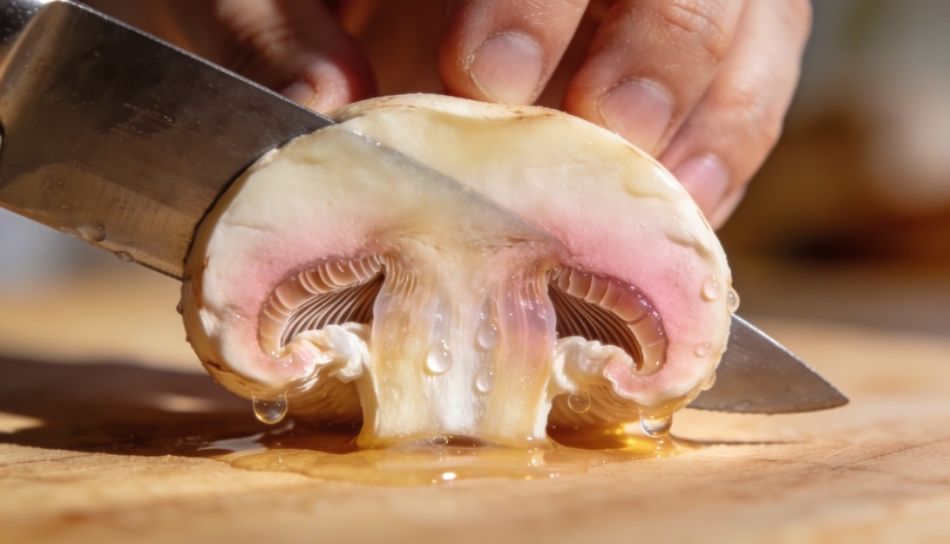
Have you ever cut open a fresh mushroom and watched, amazed, as its white or yellowish flesh transforms in a matter of seconds into a deep blue, brick red, or jet black? This seemingly magical phenomenon has fascinated foragers, cooks, and naturalists for centuries. Yet it is one of the most elegant manifestations of fungal biochemistry: a chemical defense system, an evolutionary signal, an invaluable diagnostic indicator. Mushrooms change color for profound and scientifically documented reasons, involving the chemistry of enzymes, the ecology of forests, and, for those who grow or harvest them, food safety.
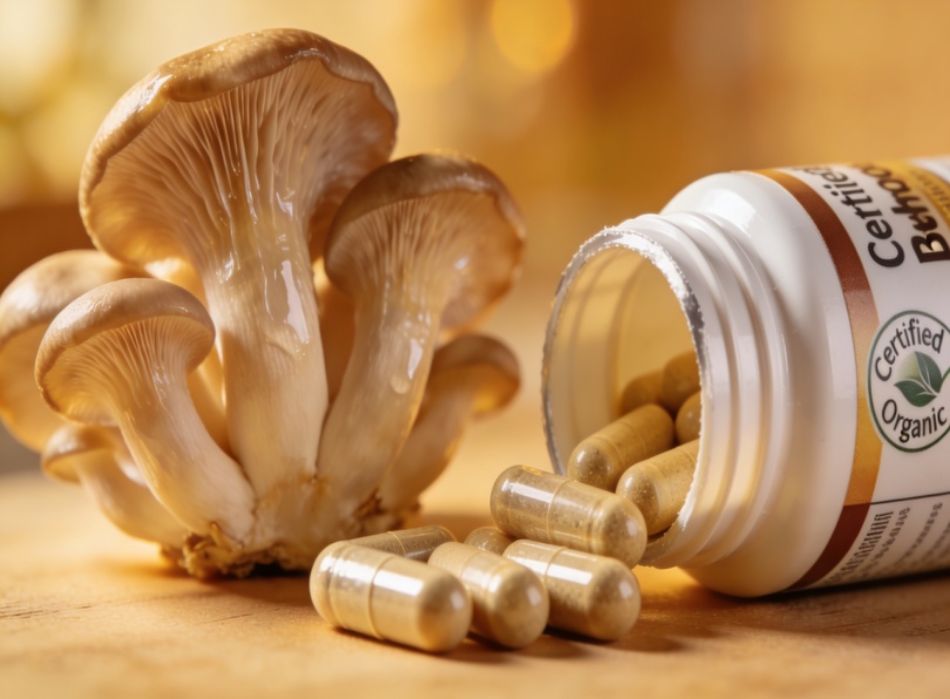
The world of natural extracts has grown exponentially in recent years, transforming from a niche for enthusiasts to a leading sector for naturopaths, wellness professionals, researchers, and consumers seeking informed and scientifically sound health care. Yet, faced with shelves and digital catalogs increasingly crowded with products labeled "natural extract," "medicinal extract," or "mushroom extract," confusion has become the norm rather than the exception. How do you truly recognize a quality extract? What objective criteria distinguish an excellent preparation from a substandard one? And why is certification the only reliable tool for navigating this market?
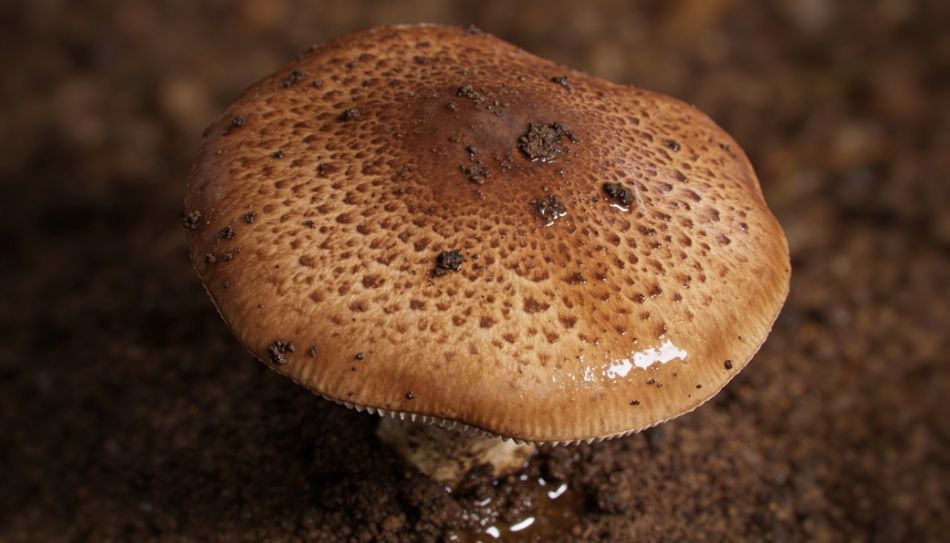
In the vast and fascinating kingdom of mushrooms, few specimens manage to strike the observer with the same intensity as a sudden encounter with the Agaricus Augustus, known in Italy as the giant field mushroom, the majestic field mushroom, or simply the majestic fly agaric mushroom. When you come across this mushroom in a coniferous forest, in the cool hours of an autumn morning, the first sensation is that of being before something extraordinary: a cap that can reach 25–30 centimeters in diameter, covered with a mosaic of fibrous golden-brown scales on an ivory background, topped by a sturdy stipe bearing a broad, membranous ring worthy of a king. But it is the smell that truly captivates: an intense, sweet, and penetrating scent of bitter almonds or star anise, which wafts through the dense, humid air of the undergrowth and makes this mushroom immediately and unmistakably recognizable to the eyes (and especially the nose) of the expert mycologist...