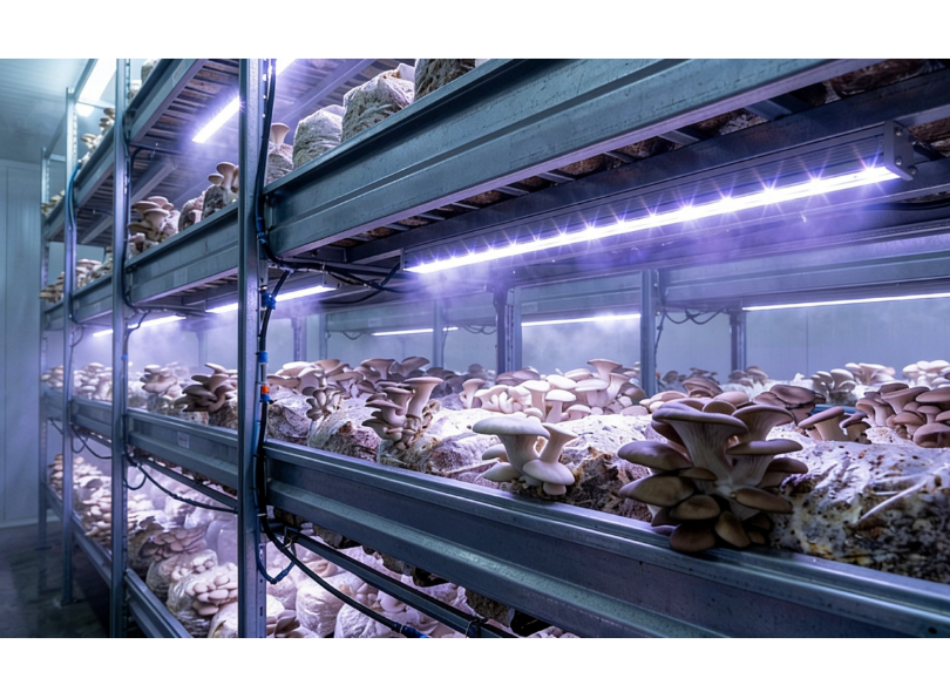
The LED grow light grows in the world of indoor cultivation for the last year, depending on the lighting technology used by professionals of urban agriculture, hobbies, agricultural scientists and the majority of the proprietary tiles in ambient control. No, if you simply replace a lamp with another: it means that the LED grow light must intervene in the photo process, calibrate the brightness, power, installation distance and cycle light/buio in scientific and mirror mode, with the benefit of misurabili su crescita, organolettic quality, content in principle attivi and final result of the collection.
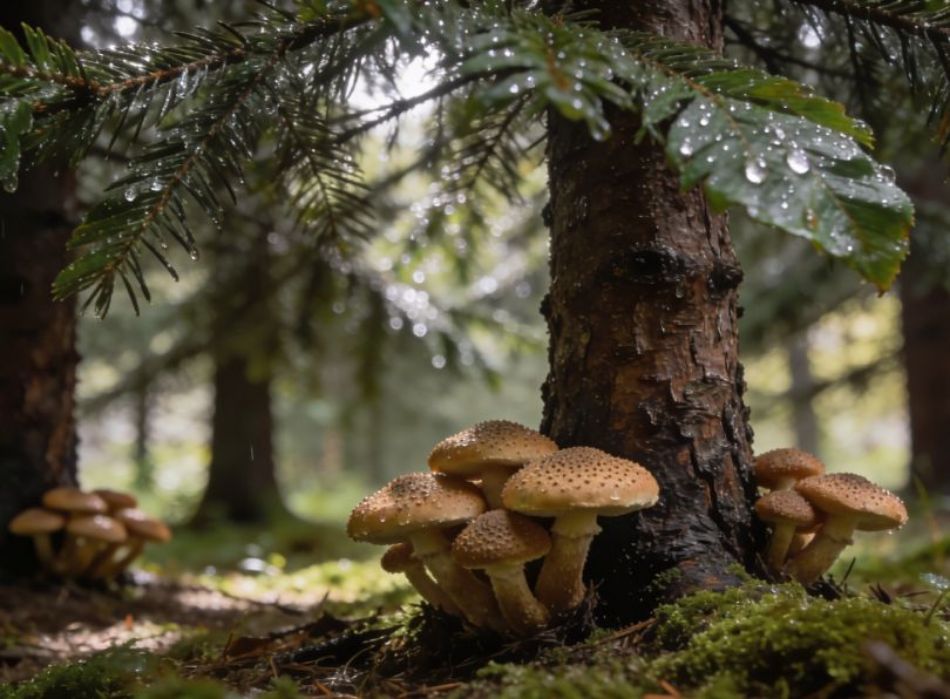
When we talk about conifers, we're not just referring to one type of vegetation. We're talking about an entire ecological universe. Coniferous trees (such as pine, fir, larch, and spruce) dominate cold, mountainous zones, creating an extreme habitat: acidic soils, slow-decomposing needle litter, and shady microclimates. In this harsh environment, a highly specialized fungal community has evolved. Coniferous fungi are not an accident of nature, but the result of millions of years of coevolution. Without these fungi, coniferous forests simply would not exist.
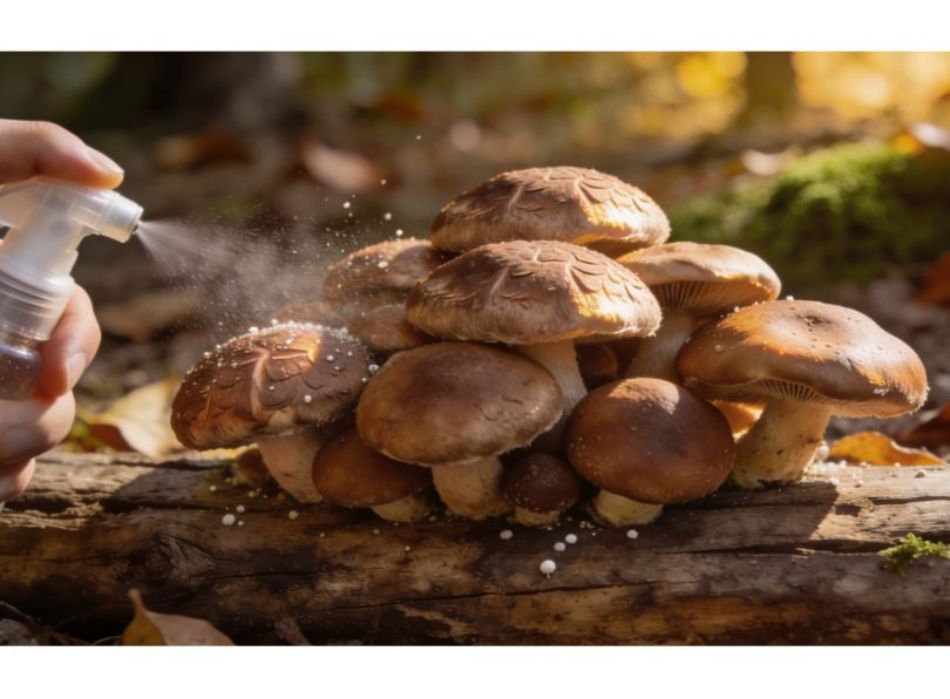
Growing Shiitake is a fascinating adventure that combines the pleasure of being in touch with nature with the satisfaction of independently producing one of the world's most prized and sought-after mushrooms. The Shiitake mushroom, scientifically known as Lentinula edodes, is native to the temperate forests of East Asia, where it grows wild on the decaying trunks of broadleaf trees such as oak, beech, and chestnut. For centuries, Shiitake cultivation has been a tradition in Japan, China, and Korea, where this mushroom is considered not only a delicious ingredient in traditional cuisine but also a valuable folk medicine, renowned for its immunostimulant, anti-inflammatory, and nutrient-rich properties. Today, thanks to the evolution of cultivation techniques and the growing availability of specialized kits and materials, growing Shiitake mushrooms has become accessible to everyone: from the small hobbyist wishing to experiment on their balcony to the organic farmer looking to diversify their production, from the chef seeking to guarantee the freshest ingredients to the food entrepreneur seeking a product with high added value.