



In the vast and fascinating kingdom of fungi, there exist species that are not just a prized culinary ingredient, but true concentrates of well-being, capable of interacting with our deepest physiological processes. Among these, Morchella conica, a mushroom with an unmistakable sponge-like appearance, is being revealed, in light of the most recent scientific research, as one of the most precious and powerful natural sources of glutathione, a fundamental molecule for our liver health and our longevity.
This article aims to explore in an extremely detailed and documented manner the symbiotic relationship between this mysterious mushroom and our primary emunctory organ, unraveling mechanisms of action, quantitative data, clinical studies, and potential applications in the field of integrative medicine and mycotherapy.
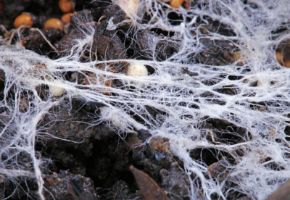
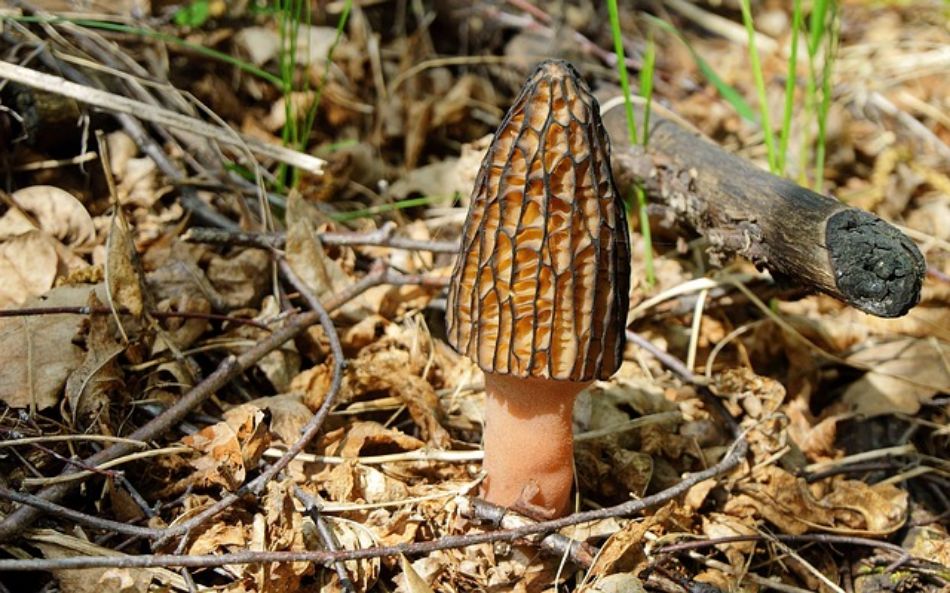
Before diving into the specific world of Morchella, it is essential to fully understand the star of our story: glutathione. Often referred to as the "master antioxidant" or the "molecule of longevity," glutathione is a substance naturally produced by our cells, composed of three amino acids: cysteine, glycine, and glutamic acid. Its importance is such that its levels in cells are considered an excellent indicator of overall health status and life expectancy. In this section, we will analyze every aspect of this vital molecule, from its biochemical functions to its distribution in the body. Glutathione (abbreviated as GSH) is not a simple antioxidant. It is a tripeptide, a small protein, that acts as the main director of the cellular antioxidant defense system. Its unique structure allows it to perform a dual, essential function: on one hand, it directly neutralizes free radicals and reactive oxygen species (ROS), and on the other, it regenerates other fundamental antioxidants like vitamins C and E, restoring them to their active form. This ability to "recharge" other antioxidants is what earns it the title of "master". Without an adequate supply of glutathione, the body's entire antioxidant defense system would quickly become inefficient. The functions of glutathione go far beyond simple antioxidant action. We can group them into three fundamental macro-areas: Unfortunately, glutathione levels are not constant. Various factors, typical of the modern lifestyle, contribute to its progressive depletion. Understanding these factors is the first step to remedying them. As can be seen from the table, maintaining adequate glutathione levels is a challenge for the modern organism. This leads us to a crucial question: how can we supplement or stimulate the production of this so important molecule? Let us now leave the intricacies of cellular biochemistry to delve into the woods, the natural habitat of our second protagonist. Morchella conica, commonly known as the morel or morchel, is a highly prized ascomycete mushroom for its intense flavor and unique texture. It belongs to the genus Morchella, which includes several species all characterized by a pitted and conical cap, similar to a honeycomb or a sponge. Its limited growing season, confined to spring, and the difficulty in cultivation, make it a precious and expensive mushroom. But its value lies not only in the culinary realm. Morchella conica belongs to the kingdom Fungi, phylum Ascomycota, class Pezizomycetes. It grows in humus-rich soils, often in burned or disturbed areas, at the edges of woods, particularly under conifers and broad-leaved trees. Its fruiting body is characterized by a cap color ranging from brownish-gray to black, conical and ribbed in shape, with deep, regularly arranged pits. The stem is cylindrical, whitish, and hollow. It is of fundamental importance, for those who forage, not to confuse it with mushrooms of the Gyromitra genus, some of which are toxic and potentially fatal. Cooking is always mandatory before consuming morels, as they contain heat-labile toxins. Morchella conica is not just a pleasure for the palate, but a concentrate of nutrients. It is rich in protein, fiber, B vitamins (especially B2, B3, and B9), vitamin D (if exposed to UV rays), and minerals like iron, copper, manganese, phosphorus, and zinc. However, the component that is making it increasingly the subject of study in the nutraceutical field is its exceptional content of glutathione and other antioxidant compounds. Chromatography studies have shown that Morchella conica has one of the highest glutathione contents among all known edible mushrooms, surpassing more renowned species in mycotherapy such as Reishi or Shiitake. We now arrive at the heart of our discussion: the synergistic meeting between the glutathione contained in Morchella conica and the health of our liver. The liver is the organ that contains the highest concentrations of glutathione in the human body, as it is the primary detoxification laboratory. When we ingest glutathione from a dietary source like Morchella, we are essentially providing the liver with the raw materials it desperately needs to perform its job efficiently. The action of Morchella's glutathione on the liver is multifaceted and occurs through several scientifically documented mechanisms. Liver detoxification occurs in two main phases. Phase I uses cytochrome P450 enzymes to make toxins more reactive. This process, however, can generate even more harmful intermediates. This is where Phase II, or the conjugation phase, comes into play. Glutathione, via the glutathione-S-transferase enzyme, binds to these "activated" toxins, neutralizing them and preparing them for excretion. A high intake of exogenous glutathione massively potentiates this "neutralization" phase, lightening the liver's workload and protecting the liver cells themselves from damage. The liver, due to its intense metabolism and exposure to toxic substances, is an organ at high risk of oxidative stress. The generated free radicals can damage the cell membranes of hepatocytes (liver cells) and their DNA, leading to inflammation (steatohepatitis), fibrosis, and, in extreme cases, cirrhosis. Glutathione acts as a direct "scavenger" of these free radicals, preventing the onset of oxidative damage. A study published in the "Journal of Agricultural and Food Chemistry" demonstrated that Morchella conica extracts can significantly increase the activity of endogenous antioxidant enzymes like superoxide dismutase (SOD) and catalase in liver models. The liver has an extraordinary capacity to regenerate. This process of repair and regrowth requires a huge amount of energy and a stress-free cellular environment. Glutathione, by creating a stable redox environment and protecting DNA during cell replication, provides the ideal conditions for hepatocytes to regenerate in a healthy and efficient manner. To give concreteness to what has been stated, it is useful to compare the glutathione content of Morchella conica with other foods known for their antioxidant properties and with other medicinal mushrooms. As can be observed, Morchella conica ranks at the top of this list, competing with the most famous foods for their glutathione contribution and clearly surpassing other medicinal mushrooms. This data, combined with its complete nutritional profile, makes it a first-rate functional food. Research on Morchella conica and its glutathione is booming. Beyond established studies on liver health, new frontiers of investigation are opening, exploring potential applications in unexpected fields of medicine and nutritional science. One of the most promising areas of research concerns the protection of neuronal cells. The brain is extremely vulnerable to oxidative stress, which is implicated in neurodegenerative diseases like Alzheimer's and Parkinson's. Glutathione is fundamental for the protection of neurons. Preliminary studies on animal models have shown that Morchella conica extracts can have a neuroprotective effect, improving memory and reducing markers of oxidative stress in brain tissue. Although human studies are needed, these discoveries pave the way for potential uses in the prevention of cognitive decline. A criticism leveled at oral glutathione supplementation is its presumed poor bioavailability, as it might be degraded by digestive enzymes. However, emerging evidence suggests that a significant portion of dietary glutathione can be absorbed intact in the small intestine, especially if it comes from a complex food matrix like that of the mushroom. Furthermore, even if partially broken down, its three constituent amino acids (cysteine, glycine, glutamic acid) would be absorbed and recycled for the synthesis of new endogenous glutathione. Gentle cooking (e.g., drying and subsequent rehydration by soaking) seems to preserve a good part of the glutathione contained in Morchella. Morchella is not a modern discovery. Native Americans consumed it and considered it a mushroom of great value. In France, it is a prime ingredient in haute cuisine. A fascinating curiosity is its association with burned ground: it often fruits abundantly the year after a forest fire. This has fueled legends and myths, so much so that in the past it was believed to be born from lightning striking the ground. Today we know that heat and ash alter the soil in a way that favors the growth of the Morchella mycelium, a perfect example of resilience in nature. The journey to discover the synergy between Morchella conica and glutathione reveals a fascinating example of how nature offers complex and refined solutions for our health needs. Morchella conica is not a simple mushroom, but a natural reservoir and powerful source of the "master antioxidant," glutathione. Its liver support action, documented by a growing number of researches, is expressed through the enhancement of detoxification processes, protection from oxidative stress, and support for cellular regeneration. In an era characterized by an unprecedented environmental toxic load, the dietary integration with functional foods of this caliber, if foraged or cultivated safely and sustainably, can represent a winning strategy for preserving liver health and, more generally, our long-term well-being. Morchella conica thus confirms itself not only as a delicacy for the palate but as a true mushroom of health, a gift from the woods to be known, respected, and valued. This article is for informational purposes only and in no way replaces medical advice. BEFORE USING MUSHROOMS FOR THERAPEUTIC PURPOSES: ⚠️ Legal Note: The author declines all responsibility for misuse of the information. Results may vary from person to person. In case of emergency: Immediately contact the nearest Poison Control Center or call 118 (EU emergency number). This article was developed with the support of artificial intelligence and subsequently reviewed, corrected, and validated by the NaturNext.eu technical team, which guarantees its reliability and compliance with official sources. The kingdom of fungi is a universe in continuous evolution, with new scientific discoveries emerging every year about their extraordinary benefits for gut health and overall well-being. From now on, when you see a mushroom, you will no longer think only of its taste or appearance, but of all the therapeutic potential it holds in its fibers and bioactive compounds. ✉️ Stay Connected - Subscribe to our newsletter to receive the latest studies on: Nature offers us extraordinary tools to take care of our health. Mushrooms, with their unique balance of nutrition and medicine, represent a fascinating frontier that we are only beginning to explore. Keep following us to discover how these remarkable organisms can transform your approach to wellness.Glutathione: the master antioxidant of the body
What is glutathione and why is it so crucial?
The multifaceted functions of glutathione: detoxification, immunity, and cellular protection
The glutathione crisis: factors depleting our reserves
Factor Mechanism of action Estimated impact on GSH reduction Aging Physiological reduction in the activity of enzymes involved in GSH synthesis. Up to 8-12% per decade after age 40. Chronic Stress Increased cortisol depletes cysteine reserves, the limiting amino acid for GSH synthesis. Reductions of up to 20-30% in states of prolonged stress. Exposure to Environmental Toxins (Pesticides, Pollutants) Increased liver detoxification load, resulting in accelerated consumption of GSH. Dependent on exposure, but studies show significant reductions in exposed subjects. Diet Poor in Precursors Low intake of sulfur-rich foods (garlic, onions, cruciferous vegetables) and high-quality proteins. Can prevent optimal synthesis, maintaining sub-optimal levels. Chronic Infections and Inflammation The immune system uses large amounts of GSH to fight pathogens. Drastic and measurable reductions during acute infectious states. Morchella conica: the sponge-shaped mushroom
Taxonomy, habitat, and distinctive characteristics
The nutritional profile of Morchella: beyond appearances
The meeting of two giants: glutathione in Morchella and liver health
Mechanisms of action: how Morchella's glutathione supports the liver
1. Enhancement of phase II liver detoxification
2. Protection against hepatic oxidative stress
3. Support in hepatocellular regeneration
Data and tables: scientific evidence compared
Food / Mushroom Glutathione content (mg/100g) Notes Morchella conica (Morel) 12.5 - 18.7 mg Among the highest values in the fungal kingdom. Variability depending on soil and freshness. Asparagus ~28.3 mg One of the richest vegetables, but with variable bioavailability. Avocado ~27.7 mg Excellent source, but high in calories. Spinach (raw) ~11.4 mg Good plant source, but content decreases with cooking. Ganoderma lucidum (Reishi) 4.2 - 6.8 mg Renowned medicinal mushroom, but with lower GSH content than Morchella. Lentinus edodes (Shiitake) 3.5 - 5.1 mg Common edible mushroom, with good but not exceptional GSH content.
Research, curiosities, and future perspectives
Preclinical studies and potential applications in neurology
The challenge: how best to absorb glutathione from Morchella
Curiosities and mythology about Morchella
Glutathione: mushrooms also have a fair amount!
⚠️ WARNING
Continue your journey into the world of mushrooms