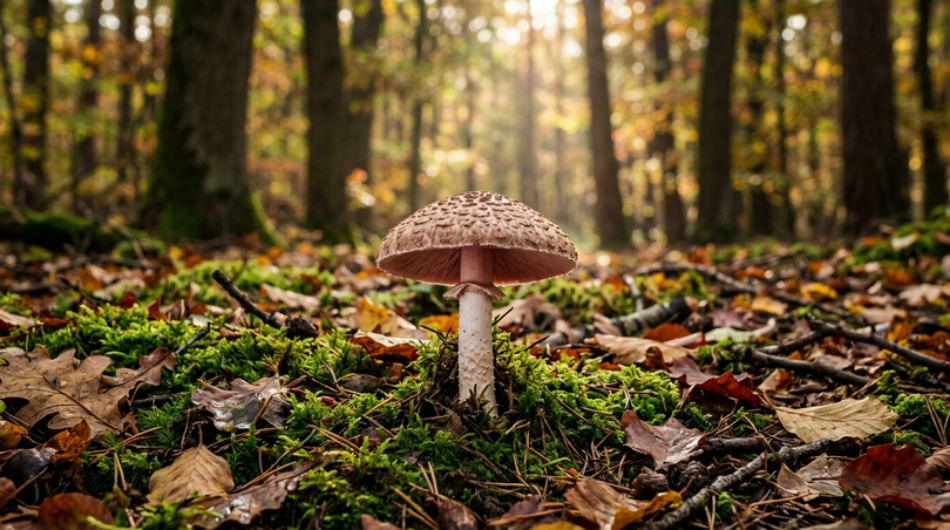

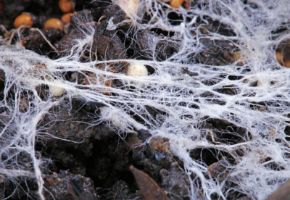

Deep in temperate forests, beneath leaf litter, among tree roots, and in decaying wood, lies a kingdom of life with extraordinary biodiversity, still largely unexplored: the kingdom of fungi. These organisms, which have fascinated humans for millennia with their shapes, flavors, and sometimes their dangers, represent a fundamental component of global biodiversity. Their presence and diversity are crucial indicators of the health of forest ecosystems, yet they are among the most vulnerable to the changes underway on our planet. This article, intended for mycology enthusiasts, botanists, mushroom growers, and foragers, aims to dissect the concept of biodiversity as it applies to mushrooms, explore the richness of Italy's fungal heritage, and analyze in depth the threats threatening this hidden treasure. Each assertion is supported by scientific data, up-to-date research, and detailed statistics.
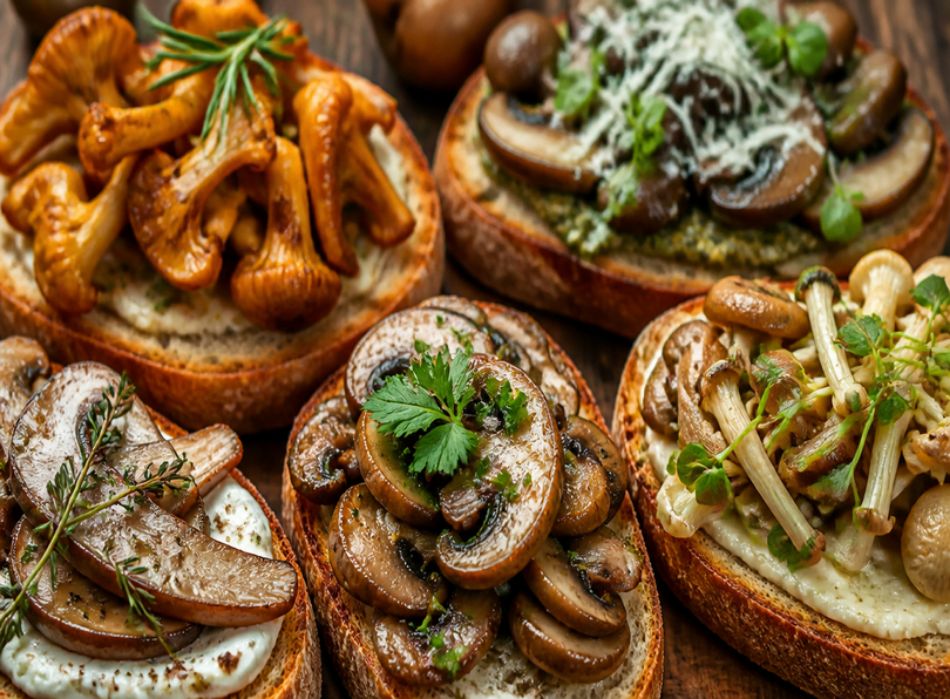
In an era where attention to low glycemic indexes, metabolic health, and mindful nutrition is reaching unprecedented levels, the world of mushrooms presents itself as a still partially unexplored universe, rich in potential for well-being. This article aims to analyze in depth the characteristics that make mushrooms such an extraordinary food, focusing in particular on their low glycemic index and exceptional nutritional profile. Through scientific data, up-to-date research, and detailed tables, we will explore why regularly incorporating mushrooms into the diet can be a beneficial choice for anyone seeking a healthy and mindful diet. Mycology applied to human nutrition offers fascinating perspectives that deserve to be explored and appreciated.
In the vast and fascinating kingdom of mushrooms, few species so harmoniously combine distinctive culinary characteristics, a peculiar morphology, and the cultivability that has led to its global success as the Nameko mushroom, scientifically known as Pholiota nameko. For mycologists, mushroom growers, and mushroom foraging enthusiasts, this basidiomycete represents an extraordinarily interesting subject of study, a cross between a wild mushroom with a specific ecological niche and a cultivar of primary economic importance in the Far East.