




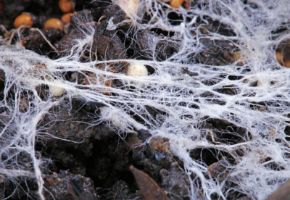


In an era where insecticide resistance threatens progress in the fight against malaria, the scientific community is exploring innovative approaches that harness the power of nature. Among the most promising solutions emerging are entomopathogenic fungi, microorganisms specialized in parasitizing and killing insects. This article explores in depth how fungal species like Metarhizium anisopliae and Beauveria bassiana are revolutionizing malaria vector control strategies, offering a sustainable and effective alternative to chemical insecticides.
Malaria: a persistent global problem
Malaria remains one of the main global public health threats today, with a disproportionate impact on the most vulnerable communities in tropical and subtropical countries. Despite significant progress in recent decades, this mosquito-borne disease transmitted by Anopheles mosquitoes continues to cause hundreds of thousands of deaths every year, mainly among children under five. The complex biology of the Plasmodium parasite and the ability of vector mosquitoes to develop resistance to conventional insecticides make the fight against malaria a continuous challenge that requires innovative and multidisciplinary approaches.
The global impact of malaria: updated data and statistics
According to the latest world malaria report published by the World Health Organization, in 2022 there were approximately 247 million cases of malaria in 84 endemic countries, with an estimated number of deaths of 619,000. Sub-Saharan Africa continues to bear the heaviest burden of the disease, accounting for about 95% of global cases and 96% of deaths. Children under five constitute the most vulnerable group, representing about 80% of all malaria deaths in the African region. These data underscore the urgent need to develop and implement innovative control strategies that can integrate and enhance existing interventions.
| Region | Estimated cases | Estimated deaths | Percentage of global total |
|---|---|---|---|
| Africa | 234 million | 593,000 | 94.7% |
| Southeast Asia | 5.4 million | 6,900 | 2.2% |
| Eastern Mediterranean | 4.5 million | 7,800 | 1.8% |
| Western Pacific | 1.8 million | 2,600 | 0.7% |
| Americas | 0.6 million | 900 | 0.2% |
The malaria transmission cycle: understanding the enemy
Malaria transmission involves a complex biological cycle that includes both the human host and the mosquito vector. When an infected Anopheles mosquito bites a human, it injects forms of plasmodium called sporozoites into the bloodstream. These quickly migrate to the liver, where they multiply asexually giving rise to thousands of merozoites that, once released into the blood, invade red blood cells. Inside the erythrocytes, the parasites multiply further, causing the rupture of the cells and the release of new merozoites that continue the cycle. Some parasites differentiate into sexual forms (gametocytes) that, if taken up by a mosquito during a blood meal, initiate the sporogonic cycle within the insect, thus completing the transmission.
The limits of conventional approaches: why we need alternatives
Malaria control strategies traditionally rely on three main pillars: early diagnosis and rapid treatment of cases, the use of insecticide-treated nets and larval control. Although these interventions have contributed to significantly reducing malaria incidence over the last twenty years, their effectiveness is increasingly threatened by the emergence and spread of resistance. Anopheles mosquitoes have developed resistance to almost all classes of insecticides used in public health, while plasmodium shows increasing resistance to antimalarial drugs. Furthermore, environmental and climate changes are altering the geographical distribution of vector mosquitoes, exposing new populations to the risk of malaria.
Insecticide resistance: a growing problem
Insecticide resistance in malaria vector mosquitoes represents one of the greatest threats to disease control. According to the World Malaria Report 2022, at least one type of insecticide resistance was reported in at least one country for 88% of monitoring sites that tested Anopheles mosquitoes. In particular, resistance to pyrethroids - the most widely used class of insecticides for net treatment - is now widespread in most endemic countries. This phenomenon is aggravated by the fact that resistance mechanisms can be multiple and involve both target-site mutations and metabolic enzymes, making it increasingly difficult to develop effective compounds.
| Insecticide type | Number of countries reporting resistance | Percentage of sites with confirmed resistance | Temporal trends |
|---|---|---|---|
| Pyrethroids | 78 | 85% | Increasing |
| Organochlorines (DDT) | 45 | 62% | Stable |
| Carbamates | 33 | 47% | Increasing |
| Organophosphates | 31 | 42% | Increasing |
Entomopathogenic fungi: natural allies against mosquitoes
Entomopathogenic fungi constitute a heterogeneous group of microorganisms capable of infecting, parasitizing, and killing insects. These fungi have evolved sophisticated mechanisms to penetrate the arthropod cuticle, evade their immune defenses, and colonize their internal tissues. Unlike chemical insecticides that act through immediate contact or ingestion, entomopathogenic fungi require an incubation period during which the infected insect can continue its normal activities, potentially helping to spread fungal spores in the environment. This characteristic, combined with host specificity and low toxicity to mammals, makes entomopathogenic fungi ideal candidates for integrated vector control programs.
Metarhizium anisopliae and beauveria bassiana: the main fungi studied
Among the hundreds of known species of entomopathogenic fungi, Metarhizium anisopliae and Beauveria bassiana are the most extensively studied for mosquito control. Metarhizium anisopliae is an ascomycete that produces olive-green conidia and shows a wide host range among arthropods. Beauveria bassiana, also an ascomycete, produces whitish conidia and is known for its ability to infect numerous insect species. Both fungi are able to infect mosquitoes through contact of spores with the cuticle, where they germinate and produce enzymes that degrade cuticular components, allowing the fungus to penetrate the hemocoel and colonize the insect's tissues.
Mechanisms of action: how fungi kill mosquitoes
Infection by entomopathogenic fungi follows a well-defined sequence that begins with the adhesion of conidia to the insect's cuticle. Once adhered, the conidia germinate producing hyphae that, thanks to the secretion of enzymes like proteases, chitinases, and lipases, perforate the cuticle and reach the hemocoel. Inside the mosquito's body, the fungus multiplies producing hyphae and hyphal bodies that colonize the tissues, consume nutritional resources, and secrete toxins that contribute to the host's death. The death of the mosquito typically occurs 3-14 days after infection, depending on the fungal species, strain, dose, and environmental conditions. After death, the fungus emerges from the host and produces new conidia that can infect other insects, creating a natural transmission cycle.
Scientific evidence: laboratory and field studies
Numerous laboratory studies and field trials have demonstrated the effectiveness of entomopathogenic fungi in reducing the survival and vector capacity of Anopheles mosquitoes. Research conducted in sub-Saharan Africa, where the malaria burden is highest, has provided convincing evidence of the potential of these biological control agents. In one particularly significant study conducted in Tanzania, the application of Metarhizium anisopliae spores on interior surfaces of dwellings reduced mosquito density by 74% and the sporozoite rate (percentage of infected mosquitoes) by 80% compared to controls. These results suggest that entomopathogenic fungi not only kill mosquitoes but can also interfere with the development of plasmodium inside the vector insect.
Reduction in malaria transmission: quantitative data
The effectiveness of entomopathogenic fungi in reducing malaria transmission can be quantified through several epidemiological parameters. In addition to the reduction in mosquito density and their longevity, these fungi show a significant impact on the entomological inoculation rate (EIR), which represents the number of infectious bites per person per unit of time. Modeling studies have estimated that an optimal application of entomopathogenic fungi could reduce EIR by up to 90% in areas of moderate transmission. Furthermore, the ability of these fungi to reduce mosquito survival after they have acquired the plasmodium infection interrupts the parasite's development cycle, which requires at least 10-14 days to complete sporogonic development inside the mosquito.
| Study location | Study design | Mosquito density reduction | Mosquito survival reduction | Plasmodium infection reduction |
|---|---|---|---|---|
| Rural Tanzania | Treated houses vs control | 74% | 78% | 80% |
| Burkina Faso | Cluster randomized study | 68% | 72% | 75% |
| Ivory Coast | Application on screens | 71% | 76% | 82% |
| Kenya | Wall treatment | 66% | 70% | 77% |
Advantages of fungi over conventional insecticides
The use of entomopathogenic fungi for the control of malaria vector mosquitoes offers numerous advantages compared to conventional chemical insecticides. Firstly, the physical-mechanical action mechanism of fungi makes the development of cross-resistance with insecticides extremely unlikely, potentially allowing to overcome the problems of multiple resistance observed in many Anopheles populations. Secondly, fungi show host specificity that reduces the impact on non-target insects and biodiversity. Thirdly, the ability of fungi to self-disseminate and persist in the environment can lead to more durable control with fewer applications. Finally, the production of entomopathogenic fungi can be achieved at relatively low costs using agricultural waste substrates, making this technology accessible even for low-income communities.
Safety for humans and the environment: toxicological assessments
Numerous toxicological studies have confirmed the safety of entomopathogenic fungi for humans and warm-blooded animals. Unlike many chemical insecticides that can accumulate in lipid tissues or present neurotoxic effects, fungi like Metarhizium and Beauveria are unable to grow at temperatures above 35°C, which prevents them from establishing systemic infections in mammals. Acute and chronic toxicity tests conducted on rodents showed absence of adverse effects even at very high doses. Regarding environmental impact, entomopathogenic fungi are natural components of ecosystems and their application in control programs does not significantly alter soil or aquatic microbial communities, unlike many synthetic insecticides that can have negative effects on non-target organisms.
Challenges and Limitations in Large-Scale Implementation
Despite the potential demonstrated in laboratory studies and small-scale trials, the large-scale implementation of entomopathogenic fungi for malaria control must face several technical and operational challenges. The production of large quantities of high-quality fungal inoculum with good viability requires specialized infrastructure and expertise. The formulation of products must guarantee spore stability and persistence under often adverse environmental conditions, such as high temperatures and UV radiation. Furthermore, effective application requires distribution strategies that reach the surfaces where mosquitoes rest, taking into account their specific behaviors. Finally, acceptance by local communities and integration with existing interventions represent non-negligible challenges for the success of these programs.
Stability and persistence: open problems in formulation
One of the main obstacles to the large-scale use of entomopathogenic fungi is the relative instability of spores when exposed to adverse environmental conditions. Solar ultraviolet radiation is particularly damaging to fungal conidia, rapidly reducing their viability and effectiveness. To overcome this problem, researchers are developing advanced formulations that incorporate UV protections, co-formulants, and vehicles that improve adhesion to surfaces and prolong persistence. Microencapsulation, formulated oils, and wettable powders are among the most promising strategies to increase the shelf-life of products based on entomopathogenic fungi. Furthermore, the identification of strains naturally more tolerant to field conditions represents another active line of research to improve the performance of these biological control agents.
Future perspectives and research directions
The field of entomopathogenic fungi for the control of malaria vector mosquitoes is rapidly evolving, with several promising research lines that could further enhance the effectiveness of these agents. The genetic engineering of Metarhizium and Beauveria strains to express insecticidal toxins or antimalarial peptides represents an advanced frontier that could combine the advantages of biological control with increased potency. The selection of strains with greater virulence, faster action, or greater tolerance to environmental conditions is another active research area. Furthermore, the study of tripartite interactions between fungus, mosquito, and plasmodium could reveal new targets for interventions that not only kill the mosquito but directly block the development of the malaria parasite.
Integration with other control strategies: combined approaches
Rather than completely replacing existing interventions, entomopathogenic fungi show maximum potential when integrated into combined control strategies. The simultaneous use of insecticide-treated nets and surfaces treated with fungi could act synergistically, targeting mosquitoes at different stages of their life cycle and reducing the selective pressure that favors the emergence of resistance. Similarly, the combination of entomopathogenic fungi with insect growth regulators or with bacteria like Bacillus thuringiensis israelensis could provide more complete control that includes both adult and larval forms of mosquitoes. The challenge for the coming years will be to develop operational protocols that optimize these combinations, maximizing effectiveness while minimizing costs and operational complexity.
Malaria: a promising response from the fungal world.
Entomopathogenic fungi represent one of the most promising innovations in the fight against malaria, offering a sustainable, ecological, and effective approach for controlling vector mosquitoes. While insecticide resistance threatens to reverse the progress of recent decades, these biological control agents could provide the much-needed alternative to maintain and accelerate the reduction of malaria transmission.
With ongoing research to improve formulations, application methods, and integration with other interventions, it is realistic to expect that entomopathogenic fungi will become increasingly important components of malaria control tools in the coming years. Collaboration between mycologists, entomologists, epidemiologists, and local communities will be crucial to translate the potential of these extraordinary organisms into tangible benefits for public health.
This article was developed with the support of artificial intelligence and subsequently reviewed, corrected, and validated by the NaturNext.eu technical team, which guarantees its reliability and compliance with official sources.
The fungal kingdom is a universe in constant evolution, with new scientific discoveries emerging every year about their extraordinary benefits for gut health and overall well-being. From today onwards, when you see a mushroom, you will no longer think only about its taste or appearance, but about all the therapeutic potential it contains in its fibers and bioactive compounds. ✉️ Stay Connected - Subscribe to our newsletter to receive the latest studies on: Nature offers us extraordinary tools to take care of our health. Fungi, with their unique balance between nutrition and medicine, represent a fascinating frontier that we are only beginning to explore. Continue to follow us to discover how these extraordinary organisms can transform your approach to well-being.Continue your journey into the world of fungi