


LED grow lights have revolutionized the world of indoor cultivation over the past ten years, establishing themselves as the reference lighting technology for urban agriculture professionals, expert hobbyists, agronomic researchers, and anyone who wants to get the most out of their plants grown in controlled environments.
It's not simply about replacing one lamp with another: choosing the right LED grow light means intervening at the root of the photosynthetic process, calibrating the light spectrum, power, installation distance, and light/dark cycle in a scientific and targeted way, with measurable benefits for growth, organoleptic quality, active ingredient content, and final harvest yield.
In this guide, you can find everything you need to choose, install, and optimize an LED grow lighting system: from plant photophysiology to technical parameters, from comparisons with traditional technologies to practical applications, up to the presentation of the Ledpoint LED growing lamp, designed to meet the highest demands of modern indoor cultivation, with ZigBee 48V driver for smart lighting control.
LED grow lights for a growing application: indoor mushroom cultivation
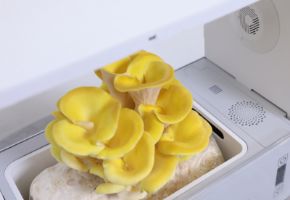
Although traditionally associated with the plant kingdom, LED grow lights are finding an innovative and increasingly widespread application also in mushroom cultivation. Unlike plants, mushrooms do not perform photosynthesis: they are heterotrophic organisms that derive nourishment from the decomposition of organic matter. However, light plays a crucial role in their development.
Specific wavelengths, particularly in the blue (450-470 nm) and ultraviolet (UV) ranges, act as environmental signals triggering fruiting (the formation of fruiting bodies, i.e., the mushrooms we harvest), influencing morphology (shape and size of cap and stem), intensifying pigmentation, and promoting the synthesis of vitamin D2, a nutrient of great value. The use of specific LED grow lights, often with blue spectrum or full spectrum with UV component, allows indoor mushroom growers to standardize and accelerate production cycles, improve the aesthetic and nutritional quality of the product, obtaining more predictable and higher-value harvests, completely independent from sunlight.
The global LED grow light market: data, statistics and trends 2024
LED grow lights have revolutionized the world of indoor cultivation over the past ten years, establishing themselves as the reference lighting technology for urban agriculture professionals, expert hobbyists, agronomic researchers, and, increasingly often, indoor mushroom growers. Although traditionally associated with the plant kingdom, these technologies are finding an application of extraordinary value in controlled mushroom cultivation, a rapidly expanding sector that uses light not for photosynthesis (which mushrooms cannot perform), but as a powerful environmental signal capable of influencing morphology, yield, nutritional value, and active ingredients.
Indoor mushroom cultivation with LED grow lights: a revolution in progress
Unlike plants, mushrooms are heterotrophic organisms that derive nourishment from the decomposition of organic matter. However, light plays a crucial and often underestimated role in their life cycle. Specific wavelengths, particularly in the blue (450-470 nm) and ultraviolet (UV-B, 280-315 nm; UV-A, 315-400 nm) ranges, act as photoreceptors triggering fundamental physiological processes. Mushrooms possess photosensitive proteins such as cryptochromes, phytochromes (in some species), and opsins, which capture light and activate intracellular signaling cascades.
Photoregulatory mechanisms in fungi
The main fungal processes influenced by light include:
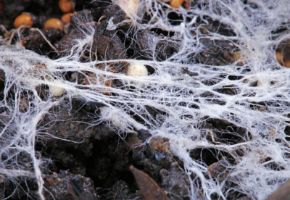
- Fruiting (pinning): the transition from vegetative mycelium to fruiting body (the mushroom we harvest) is often triggered or modulated by light. In many species, exposure to blue light is essential for primordia formation.
- Carpophore morphology: light and its direction influence the shape, cap size, and stem length, allowing products with desirable commercial characteristics to be obtained.
- Pigmentation: many mushrooms develop more intense colorations (e.g., pink in Pleurotus djamor, yellow/orange in some yeasts and macromycetes) under specific wavelengths, increasing their aesthetic appeal.
- Vitamin D2 (ergocalciferol) synthesis: exposure to UV-B converts ergosterol (present in fungal cell membranes) into vitamin D2, an essential nutrient for humans, often deficient in the diet.
- Production of bioactive compounds: polysaccharides (β-glucans), antioxidants (ergothioneine), terpenoids, and molecules with medicinal properties (e.g., lentinan in Lentinula edodes, the shiitake mushroom).
Experimental data: tables on the effect of light in fungi
Numerous scientific studies have quantified the impact of different wavelengths and light intensities on growth and metabolite production in fungi. Below is a summary of the main results, demonstrating how correct application of LED grow lights can increase yields and quality in a measurable way and often superior to what is observed in plants.
Table 1 – Effect of wavelength on fruiting induction (pinning) in different fungal species
| Fungal species | Most effective wavelength | Effect on fruiting | Scientific reference |
|---|---|---|---|
| Pleurotus ostreatus (Oyster mushroom) | Blue (470 nm) | Increase in number of primordia by +40-60% compared to darkness, reduction in emergence time by 30-40% | Corrêa et al. (2020), J. Photochem. Photobiol. |
| Lentinula edodes (Shiitake) | Blue (450-470 nm) and UV-A (365 nm) | Stimulation of primordia formation, increase in overall yield by 15-25% with 8-12 hour light cycles | Leong et al. (2021), Scientia Horticulturae |
| Flammulina velutipes (Enokitake) | Blue (470 nm) and far-red (740 nm) in combination | Blue light favors smaller, darker caps (desired quality), far-red elongates the stem | Liu et al. (2018), Sci. Rep. |
| Ganoderma lucidum (Reishi) | Blue (460 nm) > UV-A > Green > Red | Blue light induces faster primordia formation and increases cap diameter. Essential for fruiting in pure culture. | Zhang & Tang (2020), Fungal Biol. |
| Hericium erinaceus (Lion's Mane) | Blue (450 nm) and white (4000K) | Light necessary for differentiation; in darkness only mycelium forms, not the characteristic branched fruiting body. | Krzyczkowski et al. (2019), Int. J. Med. Mushrooms |
Analysis: blue light (450-470 nm) emerges as the most universal spectrum for triggering fruiting in most cultivated macromycetes. Full spectrum LED grow lights with strong blue component are therefore ideal for fungal applications, with effects comparable or superior to those observed in the vegetative phase of plants.
Table 2 – Increase in vitamin D2 (ergocalciferol) in fungi exposed to UV-B light (280-315 nm)
| Fungal species | UV-B exposure | Vitamin D2 content (μg/100g fresh weight) | Increase vs darkness |
|---|---|---|---|
| Agaricus bisporus (Button mushroom) | 2 hours UV-B (310 nm) post-harvest | From < 0.5 to > 300 μg/100g | > 600 times |
| Pleurotus ostreatus | 1 hour UV-B (305 nm) during growth | From 0.8 to 280 μg/100g | 350 times |
| Lentinula edodes | 90 minutes UV-B (315 nm) post-harvest sliced | From < 1 to > 450 μg/100g (exceeding daily requirement of 15-20 μg) | > 450 times |
| Volvariella volvacea (Straw mushroom) | UV-B 1 hour + blue light 8 hours/day | From 0.5 to 220 μg/100g | 440 times |
Mushroom-focused application note: integrating UV LEDs (305-315 nm) for short periods (30-120 minutes per day, preferably in the final growth stages or post-harvest) transforms mushrooms into one of the best dietary sources of vitamin D2, matching or exceeding supplements and fatty fish. This effect is unique to the fungal kingdom and has no equivalent in the plant world, making UV grow lights an indispensable tool for indoor mushroom cultivation. Ledpoint UV bars are perfectly calibrated for this optimal spectral window.
Table 3 – Effect of light spectrum on bioactive compounds (polysaccharides and antioxidants) in medicinal fungi
| Fungal species | Measured compound | Optimal light condition | Increase vs darkness |
|---|---|---|---|
| Ganoderma lucidum | Total polysaccharides (β-glucans) | Blue light (465 nm) 12h/day + UV-A 1h/day | + 45-60% in mycelial biomass and +35% in fruiting bodies |
| Cordyceps militaris | Cordycepin and adenosine | Blue light (450 nm) 8h/day | Cordycepin + 70%, Adenosine + 40% compared to darkness |
| Hericium erinaceus | Erinacines (NGF stimulants) | Blue light (470 nm) + UV-A (365 nm) cyclic | Erinacine A + 55% in primordia |
| Pleurotus djamor (Pink oyster) | Anthocyanins (pink pigment) | Blue light + UV-A (8h/day) | Pink color intensity increases 3-5 times, improving commercial appearance |
Practical conclusion for mushroom growers: integrating blue and UV spectrum is not only useful, but often indispensable for obtaining high-quality mushrooms, rich in active ingredients and with desirable morphological characteristics. A full spectrum LED grow light with UV component like the Ledpoint bar offers unprecedented control over these parameters, surpassing traditional fluorescent lamps or simple daylight. For many fungal species, yield and nutritional value can increase from 30% to 600% (as in the case of vitamin D2) with proper lighting, percentages that often exceed the benefits observed in the plant world.
Parallel to mushroom cultivation, LED grow lights have also revolutionized the world of indoor plant cultivation over the past ten years, establishing themselves as the reference lighting technology for urban agriculture professionals, expert hobbyists, agronomic researchers, and anyone who wants to get the most out of their plants grown in controlled environments. It's not simply about replacing one lamp with another: choosing the right LED grow light means intervening at the root of the photosynthetic process, calibrating the light spectrum, power, installation distance, and light/dark cycle in a scientific and targeted way, with measurable benefits for growth, organoleptic quality, active ingredient content, and final harvest yield.
In this comprehensive guide, you can find everything you need to choose, install, and optimize an LED grow lighting system for both the plant and fungal kingdoms: from plant photophysiology to mycophysiology, from technical parameters to comparisons with traditional technologies, up to the presentation of the Ledpoint LED growing lamp, designed to meet the highest demands of modern indoor cultivation, with ZigBee 48V driver for smart lighting control.
The global LED grow light market: data, statistics and trends 2024
Before delving into the technical details of LED grow lights, it is useful to understand the market context in which these technologies are placed. The numbers are eloquent: the indoor cultivation lighting segment represents today one of the fastest-growing sectors in the entire LED industry, driven by the convergence of economic, environmental, and social factors of great magnitude.
Size and growth of the global market
According to major industry analyses, the global LED grow light market reached an estimated total value between $2.8 and $3.2 billion in 2023, with projections indicating a compound annual growth rate (CAGR) of 18-22% for the period 2024-2030. The market is expected to exceed $10 billion worldwide by 2030. This growth is supported by:
Factors driving the LED grow light market
1. Expansion of urban agriculture and vertical farming: the urban farming phenomenon is constantly growing in major European and global metropolises. Food production in urban environments — in buildings, containers, converted warehouses, greenhouses integrated into buildings — requires efficient and controllable artificial lighting systems. LED grow lights are the technology of choice in almost all new vertical farming installations.
2. Rising energy costs: the increase in electricity prices, particularly evident in Europe since 2021, has accelerated the adoption of LED solutions for indoor cultivation, which guarantee energy savings of 40-60% compared to traditional technologies. For grow operations working with 12-18 hour daily cycles, savings on electricity bills are substantial and return on investment is achieved in short timeframes.
3. Growing demand for fresh local products: European consumers show a growing preference for local products, with low carbon footprint and available year-round. Indoor cultivation with LED plant lamps allows production of vegetables, herbs, and fruits independently of seasons, responding to this market demand.
4. Continuous technological innovation: advances in LED chip efficiency (now exceeding 200 lm/W), development of increasingly precise spectra, and integration of smart control systems (ZigBee, DALI, DMX) have made LED grow lights increasingly performant and accessible.
The Italian LED grow light market
In Italy, the indoor cultivation LED lamp market reflects global trends with some local specificities. The country boasts a centuries-old horticultural tradition and growing awareness of the benefits of controlled agriculture. According to sector data:
| Segment | Estimated annual growth | Main driver | Prevalent technology |
|---|---|---|---|
| Professional vertical farming | +28% (2023-2024) | Agriculture 4.0 subsidies | Full spectrum LEDs with DALI/ZigBee control |
| Professional greenhouses | +15% (2023-2024) | Energy savings | Supplemental growing LEDs and HPS replacement LEDs |
| Hobbyist and indoor gardening | +35% (2023-2024) | Trend toward domestic urban farming | Full spectrum LED panels, LED grow strips |
| Research and universities | +20% (2023-2024) | European funds for food security | Programmable spectral LEDs |
| Microgreens and germination | +45% (2023-2024) | Boom in premium microgreens demand | LED strips and LED growing bars |
What are LED grow lights and how do they work
LED grow lights (also called LED cultivation lamps, LED grow lights, LED growing lights, or agro LED lamps) are artificial lighting devices specifically designed to provide plants with the light radiation necessary for fundamental physiological processes: photosynthesis, photomorphogenesis, photoperiodism, and phototropism. Unlike a common household LED lamp, an LED grow light is calibrated to the spectral needs of plants, not to human visual perception.
The fundamental difference between LED grow lights and normal LED lamps
This is probably the most frequent question among those approaching indoor cultivation for the first time: can I use a normal LED lamp instead of a grow light? The short answer is: no, not optimally. Here's why.
A normal LED lamp is designed to produce white light with high color rendering (CRI), optimized for human visual perception. It emits a relatively flat spectrum in the visible band (400-700 nm), but is not optimized for chlorophyll absorption peaks.
An LED grow light, on the contrary, is designed to maximize photosynthetic efficiency, i.e., the amount of light energy that the plant can convert into biomass per watt of electrical energy consumed. To do this, it concentrates spectral emission in the bands of maximum absorption of plant photopigments.
| Characteristic | Normal LED lamp | LED grow light |
|---|---|---|
| Spectral optimization | Human visual perception (CRI) | Plant photosynthesis absorption (PAR) |
| Emission peaks | Flat white spectrum | Red 630-660nm, Blue 430-450nm ± UV/IR |
| Photosynthetic efficiency | Low (20-40% useful PAR) | High (70-95% useful PAR) |
| Measurement indicator | Lumens, lux | µmol/m²/s (PPFD), µmol/J (efficiency) |
| Control | On/off, simple dimmer | Photoperiodic programs, spectral control, smart |
| Optimal application | Room, office, home lighting | Indoor cultivation, greenhouses, vertical farming, research, mushroom cultivation |
How an LED grow light works: technical principles
An LED grow light consists of a series of LED chips mounted on a conductive substrate (PCB), powered by an electronic driver. Each chip emits light at a specific wavelength, determined by the chemical composition of the semiconductor. In full spectrum grow lights, chips of different wavelengths are combined to replicate the solar spectrum in the components useful to plants.
Key components of a professional LED grow light
1. LED chips: the heart of the lamp. Chip quality determines efficiency, longevity, and spectral stability of the product. Professional-grade chips maintain over 90% of initial luminous flux (L90) after 30,000 operating hours.
2. Electronic driver: converts mains voltage (230V AC) to the optimal voltage and current for the LEDs. A quality driver is fundamental for chip longevity and spectral stability. The ZigBee drivers of Ledpoint growing bars add the dimension of smart control, enabling wireless dimming, scheduled programming, and integration with home automation systems.
3. Thermal system: LEDs produce heat at the chip junction. An efficient dissipation system (aluminum heatsink) is essential to keep junction temperature within design limits and ensure device longevity. Ledpoint LED growing bars use anodized aluminum profiles with high passive thermal dissipation capacity.
4. Optics: primary and secondary lenses determine emission angle and light distribution over the cultivated surface. Narrower angles (60-90°) are suitable for taller cultivations with greater distance from the source, wider angles (120°) ensure more uniform distribution at reduced distances.
Fundamental technical parameters of LED grow lights
To correctly choose and use an LED cultivation lamp, it is essential to know the specific technical parameters of the sector, which differ from those of normal lighting lamps
| Parameter | Definition | Unit of measurement | Indicative good quality value |
|---|---|---|---|
| PPF (Photosynthetic Photon Flux) | Total flux of photons in the PAR range (400-700nm) emitted by the source | µmol/s | >1000 µmol/s for 400W+ lamps |
| PPFD (PPF Density) | Photon intensity per unit area (photons reaching the plant) | µmol/m²/s | 200-1000+ µmol/m²/s depending on crop |
| Efficiency (µmol/J) | Useful photons per joule of energy consumed | µmol/J | >2.5 µmol/J for professional LEDs |
| DLI (Daily Light Integral) | Total dose of photons received by the plant in 24 hours | mol/m²/day | Varies by species: 12-30+ mol/m²/day |
| PAR Spectrum | Emission distribution in the 400-700nm band | nm, graph | Peaks at 430-450nm and 630-660nm for full spectrum |
| R:FR ratio | Red/far-red ratio, influences morphology | Dimensionless | 1.0-1.2 for compact growth |
Many manufacturers continue to indicate power in Watts as the only reference parameter. This is misleading: two 600W lamps can have completely different PPFD depending on chip efficiency and optics. For correct evaluation of LED grow lights, always request PPFD values (measured at a specific distance and over a specific area) and efficiency in µmol/J.
LED grow lights vs traditional lamps: the definitive comparison
The debate between LED grow lights and traditional cultivation lighting technologies, particularly HPS (High Pressure Sodium), MH (Metal Halide), and CMH (Ceramic Metal Halide), has been at the center of industry attention for over a decade. Today the comparison is definitively in favor of LEDs for the vast majority of applications, but it is important to understand the reasons with technical precision, without resorting to generalizations.
LED grow lights vs HPS: efficiency, spectrum, and costs
HPS lamps (High Pressure Sodium) have been the standard for professional cultivation lighting for decades. They emit intense light in the yellow-orange range (550-650 nm), effective for photosynthesis, but lacking important components such as deep blue and UV. The 600W HPS lamp has long remained the sector benchmark for cost/luminous output ratio.
Does the LED grow light outperform the 600W HPS? In terms of modern photosynthetic efficiency, yes. A professional-grade LED grow light today produces 1,500-1,800 µmol/s of PPF compared to 1,000-1,200 µmol/s of a 600W HPS, with superior spectral efficiency due to the presence of blue and absence of yellow-green components poorly utilized by chlorophyll.
| Parameter | HPS 600W (high quality) | LED grow light 600W (professional) | LED grow light |
|---|---|---|---|
| Total PPF (µmol/s) | ~1,100 µmol/s | 1,500-1,800 µmol/s | Data on technical request |
| Efficiency (µmol/J) | 1.7-1.9 µmol/J | 2.5-3.0+ µmol/J | >2.5 µmol/J |
| Spectrum | Prevalent yellow-orange, lacking blue | Full spectrum with optimized peaks | UV+White or full spectrum |
| Heat emitted | Very high (requires ventilation) | Low-moderate (passive or active dissipation) | Low (aluminum profile) |
| Average lifespan | 10,000-20,000 hours | 30,000-50,000 hours | 50,000+ hours (L90) |
| Actual consumption at equal yield | Reference (100%) | -40% / -60% | -50% estimated |
| Smart control | Not available or limited | Available (DALI, 0-10V, ZigBee) | Native ZigBee 48V |
| Maintenance | Bulb replacement every 12-18 months | Virtually none for 6-10+ years | None for 6-10+ years |
LED grow lights vs Metal Halide (MH): the comparison for the vegetative phase
Metal Halide lamps (MH) are traditionally preferred for the vegetative phase thanks to their rich blue light content (400-500 nm). They produce compact plants with short internodes and well-developed leaves. However, even in this comparison, superior quality LED grow lights present significant advantages:
Spectrum: a well-designed full spectrum LED grow light can replicate and improve the MH spectrum, adding UV components that traditional Metal Halides do not emit significantly. This translates into more complete plant stimulation during the vegetative phase.
Efficiency: MH lamps have a luminous efficiency of 60-100 lm/W compared to 150-200+ lm/W of latest-generation LEDs, with proportionally higher consumption for the same result.
Temperature: MH lamps reach very high temperatures and require warm-up and cool-down periods, making them less flexible in light/dark cycle control compared to LEDs, which turn on and off instantly.
LED grow lights vs CMH (Ceramic Metal Halide): the most current comparison
CMH (Ceramic Metal Halide) lamps, also known as LEC (Light Emitting Ceramic), are the traditional technology that comes closest to the spectral quality of full spectrum LED grow lights. They produce a broad spectrum with very high CRI (90+) and good natural UV component. For this reason, some professional growers have preferred them to first-generation LEDs.
However, third-generation LED grow lights (2020-2024) have closed this spectral gap and today present superior efficiency (2.5+ µmol/J vs 1.9-2.1 µmol/J of the best CMH), longer lifespan (50,000h vs 12,000-20,000h), and smart control capabilities that CMH cannot offer.
Advantages and disadvantages of LED grow lights: the complete picture
| Aspect | LED grow light advantages | Disadvantages / considerations |
|---|---|---|
| Energy efficiency | 40-60% savings vs HPS at equal PPFD | Higher initial investment |
| Spectrum | Programmable full spectrum, optional UV, precise control | Quality varies greatly among manufacturers |
| Lifespan | 30,000-50,000 hours (L90) | Slow but present degradation in the long term |
| Heat | Much less heat in the cultivation space | Still requires adequate dissipation |
| Control | Smart, dimmable, programmable, ZigBee/DALI | Requires hub/controller for advanced features |
| Maintenance | Virtually none for years | More complex fault diagnosis compared to simple lamps |
| Eye safety | Generally safer than HPS/MH without UV | UV LEDs require precautions for eyes |
| Installation | Lightweight, versatile, various formats (panel, bar, strip) | Wiring and 48V power supply for professional systems |
Professional-grade LED grow lights represent today the smartest choice for any indoor cultivation application, from hobbyist grow tents to professional vertical farming systems, including mushroom cultivation. The higher initial cost compared to HPS is recovered in 12-24 months thanks to energy savings, and the qualitative difference in harvests (in terms of aromatic content, active ingredients, organoleptic quality for plants, and vitamin D2/polysaccharides for mushrooms) is documented and measurable.
The light spectrum and plants
To truly understand the value of LED grow lights and in particular full spectrum solutions with UV component like those in the Ledpoint range, it is necessary to understand how plants perceive and use light. Plant photophysiology is a fascinating science that has made enormous progress in the last twenty years, and its discoveries have directly influenced the design of professional LED grow lights.
Photosynthesis: the foundation of everything
Photosynthesis is the process through which plants convert light energy into chemical energy, producing glucose (and therefore biomass) from carbon dioxide and water. It is the fundamental process that determines growth, yield, and harvest quality. Photosynthetic efficiency depends directly on the quantity and quality of available light.
The main plant photopigments, chlorophyll A, chlorophyll B, and carotenoids, absorb light selectively, with characteristic absorption peaks that define which wavelengths are most effective for photosynthesis
| Pigment | Main absorption peaks | Function |
|---|---|---|
| Chlorophyll A | 430 nm (blue) and 662 nm (red) | Primary photosynthesis (reaction centers) |
| Chlorophyll B | 453 nm (blue) and 642 nm (red) | Accessory photosynthesis, photon harvesting |
| Carotenoids (β-carotene) | 450-480 nm (blue) | Photon harvesting, photooxidative protection |
| Xanthophylls | 450-500 nm (blue-green) | Dissipation of excess light, protection |
| Anthocyanins | 550-600 nm (green-yellow, inversely) | UV protection, stress response |
Non-photosynthetic photoreceptors: the forgotten dimension
In addition to photosynthetic pigments, plants possess a series of molecular photoreceptors that perceive light as informational signal, not as an energy source, and regulate a vast array of morphological, biochemical, and metabolic processes of great importance to the grower
Phytochromes
Phytochromes are sensitive to red light (660 nm) and far-red light (730 nm). The R:FR (red:far-red) ratio is the main signal that the plant uses to perceive day length (photoperiodism) and the density of surrounding foliage. A low R:FR, such as under dense foliage or with high proportion of far-red, induces internode elongation and anticipation of flowering. Professional LED grow lights allow precise control of this ratio.
Cryptochromes and phototropins
Cryptochromes and phototropins are sensitive to blue light (400-500 nm). They regulate phototropic response (growth toward light), stomatal opening, synthesis of anthocyanins and flavonoids, compact growth, and circadian response. Blue light for plants is fundamental for obtaining compact plants, with short internodes, thicker leaves, and more intense colors.
UVR8 (UV Resistance Locus 8)
The UVR8 photoreceptor is one of the most studied in recent years. It is activated by UVB radiation (280-315 nm) and triggers a cascade of molecular responses including production of flavonoids, anthocyanins, terpenes, and stress response proteins. This photoreceptor is the one exploited by the LED growing UV bar with its 36 LEDs at 305-315 nm.
What is blue light for plants used for?
Blue light (430-470 nm) for plants has multiple and critical functions that justify its mandatory presence in any quality full spectrum LED grow light:
1. Photosynthetic efficiency: chlorophyll A has an absorption peak at 430 nm; chlorophyll B at 453 nm. Blue light is therefore directly used in photosynthetic reaction centers with high quantum efficiency.
2. Morphological control (compactness): phototropins and cryptochromes activated by blue light induce production of compounds that inhibit cell elongation. Plants grown with high proportion of blue have shorter internodes, more robust stems, and more compact habit, a desirable characteristic in most indoor cultivations.
3. Stomatal opening: blue light regulates stomatal opening in guard cells, increasing gas exchange and therefore CO₂ availability for photosynthesis. A correct proportion of blue light in the grow light directly improves overall photosynthetic efficiency.
4. Synthesis of flavonoids and anthocyanins: blue light stimulates biosynthesis of these antioxidant compounds that improve the nutritional quality of the harvest and, in ornamental species, color intensity.
5. Circadian rhythm regulation: cryptochromes are involved in synchronizing the plant's biological clock. A correct proportion of blue light in daytime phases improves regulation of circadian metabolism.
The complete spectrum in LED grow lights: which is best?
To the question of which LED light color is best for plant growth, the scientific answer is: there is no single best color, but an optimal combination that varies with species, vegetative phase, and production objective. Professional full spectrum LED grow lights are designed to provide this optimal combination.
| Spectral band | Range (nm) | Main effects on plants | Notes for grow lights |
|---|---|---|---|
| UV-B | 280-315 nm | UVR8 activation, terpenes, flavonoids, trichomes, anthocyanins, fungal defense (important for plants and, by analogy, in stimulating fungi) | Present in Ledpoint UV growing LED bar (305-315nm), to be used with moderation (also for experimental fungal applications) |
| UV-A | 315-400 nm | Anthocyanin synthesis, phototropism, defensive response; in mushroom cultivation, contributes to morphogenesis and pigmentation. | Useful component in advanced full spectrum grow lights |
| Violet/Deep blue | 400-450 nm | Photosynthesis (Chl A peak), phototropism, compactness, stomata; fundamental for triggering fruiting in fungi (e.g., in Pleurotus and Lentinula genera). | Essential in any quality grow light |
| Blue | 450-500 nm | Photosynthesis (Chl B peak), cryptochromes, morphological control; influences primordia density in fungi and product quality. | Fundamental in all phases |
| Green | 500-560 nm | Deep leaf penetration, photosynthesis in lower layers; in fungi, useful for mycelial growth. | Present in Ledpoint neutral white 3800-4200K |
| Yellow/Orange | 560-620 nm | Moderate photosynthesis, component in full spectrum lamps | Present in neutral white |
| Red | 620-700 nm | Photosynthesis (Chl A peak 662nm), flowering, phytochromes, yield. Less studied for fungi, but generally less critical than blue. | Critical component for flowering |
| Far-red | 700-780 nm | Emerson effect, elongation, photoperiodism, flowering anticipation | Present in advanced grow lights, to be calibrated |
Why is the neutral white 3800-4200K of the Ledpoint bar so effective? Neutral white LEDs in this color temperature range emit a continuous spectrum covering all visible bands with good presence of blue (430-500 nm), green (500-560 nm), and red (600-680 nm), excellently replicating the solar spectrum in photosynthetically active components. It is the default choice for those seeking versatile and efficient grow lighting without the need to manually balance the R:B ratio. The presence of a solid blue light component makes it potentially suitable also for experiments in indoor mushroom cultivation, where this wavelength is particularly active in the pinning process (primordia formation).
Types of LED grow lights: panels, bars, strips, and full spectrum
The LED grow light market today offers a variety of formats and configurations that adapt to any indoor cultivation need, from small domestic grow tents to large vertical farming installations. Understanding the differences between the main types is fundamental to making the correct choice.
LED grow light panels (LED grow panels)
LED grow light panels, or grow LED panels, are the most widespread form of indoor cultivation lamp in the hobbyist and semi-professional segment. These are rectangular or square devices that integrate tens or hundreds of LEDs on a PCB, with dimensions proportional to power. Modern high-end panels are designed with high-efficiency LED chips distributed over a large surface to ensure uniform PPFD distribution over the cultivated area.
Advantages of LED grow panels: ease of installation (hung above the canopy), wide coverage with a single device, good light distribution, available in many powers (from 100W to over 1000W for professional applications).
Limitations: less suitable for multi-level systems where vertical distance between shelves is reduced; uniform distribution is guaranteed only within certain installation angles.
LED grow light bars (LED grow bars)
LED grow light bars, or grow light bars, are the preferred format for professional vertical farming systems and for grow rooms with multi-level shelving. The linear format (typically 0.5 to 1.2 meters) allows very uniform light distribution along the entire shelf length, with reduced distance between source and plants.
The 1-meter Ledpoint LED Growing bar is the most advanced example of this type in the Ledpoint catalog: 108 LEDs, 46W total, UV+White spectrum, ZigBee 48V driver.
Advantages of LED grow bars: optimal linear distribution for shelving and shelves, slim profile for multi-level systems, ease of series connection, precise control of distance from canopy. For mushroom cultivation, they can be mounted above grow kits or inoculated logs, providing uniform light stimulus to trigger fruiting.
LED grow light strips (LED grow strips)
LED grow light strips, or LED grow strips, represent the most versatile and modular solution for indoor cultivation. These are flexible LED tapes that can be cut, shaped, and installed in any configuration, adapting to personalized cultivation structures, DIY greenhouses, adapted shelves, and small-scale hydroponic systems.
Ledpoint LED growing strips, are designed with specific cultivation LED chips, with spectra calibrated for different vegetative phases and available in versions with and without UV component. Their modularity makes them ideal for:
• supplementary under-canopy lighting in multi-level systems;
• cultivation in long containers (LED grow planters, hydroponic beds);
• integration into existing structures (kit greenhouses, artisanal grow boxes);
• research applications where exactly the same conditions need to be replicated across multiple stations.
Full spectrum LED grow lights
Full spectrum LED grow lights, a term indicating grow lights with emission covering the entire PAR spectrum (400-700 nm) and often including UV and/or far-infrared components, represent the highest quality reference in the sector. However, the adjective "full spectrum" is not an absolute guarantee of quality: the actual spectral graph of the product should always be verified.
A true professional full spectrum LED grow light should present:
• continuous emission across the entire 400-700 nm range without significant gaps;
• optimized peaks at 430-450 nm (blue Chl A/B) and 630-660 nm (red Chl A);
• optional UV component (315-400 nm) for advanced metabolic stimulation;
• optional far-red component (700-740 nm) for photoperiodism management;
• efficiency greater than 2.0 µmol/J.
Wireless grow lights and smart control
Wireless grow lights, in the sense of grow lights with wireless control, represent one of the most important innovations in recent years in the sector. Integration of wireless protocols such as ZigBee, DALI, Bluetooth, and Wi-Fi into cultivation LED drivers allows:
• remote dimming of light intensity without additional wiring;
• programming of personalized light/dark cycles to simulate natural photoperiod;
• integration of lighting control into home automation and plant management systems;
• real-time monitoring of energy consumption;
• centralized management of networks of tens or hundreds of bars in vertical farming installations.
The ZigBee 48V driver integrated into Ledpoint LED growing bars is the most advanced implementation of this technology in the Faenza-based company's catalog.
Grow light bulbs (grow light bulbs)
Grow light bulbs, or grow light bulbs, are the most accessible solution for the domestic grower or for those wishing to start with a limited investment. These are E27, E14, or GU10 format bulbs with spectrum optimized for cultivation. They are suitable for single plants or small groups, but present significant limitations in terms of deliverable PPFD and distribution uniformity compared to panels and bars.
For beginners: a full spectrum E27 grow light bulb of 15-25W can sustain growth of kitchen herbs, succulents, orchids, and small houseplants with moderate light requirements. For more demanding cultivations (tomatoes, peppers, high-yield medicinal plants), it is necessary to move to more powerful solutions.
How to choose the right LED grow light: practical guide for every need
Choosing the most suitable LED grow light for your needs requires considering a series of closely interconnected variables: plant species, cultivation phase, size of the area to be illuminated, available budget, control requirements, and installation context. This practical guide will help you navigate a broad and technically complex market.
Here is the section to add to the article, specifically adapted for indoor mushroom cultivation, maintaining the same style and format but with dedicated parameters and indications for fungi.LED grow lights for mushrooms
Unlike plants, where we measure PPFD to evaluate light intensity on the canopy, for fungi the critical parameter is irradiance in the blue (450-470 nm) and UV-B (305-315 nm) bands, measured in W/m². The distance between the LED grow light and the fungal substrate (or forming fruiting bodies) determines the intensity of the light signal received by the mycelium. Finding the optimal distance means balancing physiological stimulation (fruiting, vitamin D2, bioactive compounds) without inducing stress or photo-oxidation damage.
Table – Recommended distances for fungal lighting with LED grow lights
| Grow light power | Distance for fruiting stimulation (pinning) | Distance for fruiting body development | Distance for UV integration (vitamin D2) |
|---|---|---|---|
| UV+White Bar 46W (Ledpoint) | 25-40 cm | 15-30 cm | 20-35 cm (UV active 30-90 min/day) |
| Blue-only bar 30W | 20-35 cm | 10-25 cm | Not applicable (no UV) |
| Full spectrum LED panel 100W | 40-60 cm | 30-50 cm | 40-60 cm (if with UV) |
| LED panel 300W (for large-scale mushroom cultivation) | 60-90 cm | 50-80 cm | 60-90 cm (cyclic UV) |
Important note for mushrooms: unlike plants, where continuous lighting for many hours is the norm, for fungi light acts as an intermittent environmental signal. Continuous exposure of 12-18 hours is not required. For fruiting, cycles of 1-4 hours of blue light per day are often sufficient. For vitamin D2 synthesis via UV-B, 30-120 minutes per day (often divided into 2-3 sessions) is ideal. Longer exposures can cause stress or growth inhibition.
At what distance should an LED grow light bar be positioned for mushrooms?
As indicated in the table, for the Ledpoint UV+White 46W bar the recommended distance is 25-40 cm from the substrate surface to induce primordia formation (pinning), and 15-30 cm during fruiting body growth for optimal morphology (well-formed caps, not excessively elongated stem). For UV activation aimed at vitamin D2 production, keep the bar at 20-35 cm distance and activate the UV channel for 30-90 consecutive minutes per day, preferably in the pre-harvest phase (last 48-72 hours).
These are starting indications: the ideal distance should always be verified by observing the fungi's response. Signs of stress from excess light include browning of superficial mycelium, stunted growth, deformed carpophores or with excessively small caps. In case of stress, increase the distance or reduce exposure duration.
Can mushrooms "burn" under LED grow lights?
Yes, fungi can suffer damage from excess light, although the mechanism is different from plants. In fungi, excess light radiation (especially UV and high-intensity blue) can cause several problems, let's see which ones.
- Photo-oxidation of superficial mycelium: the mycelium becomes yellow-brown and may cease growing.
- Inhibition of fruiting: light that is too intense or prolonged can suppress primordia formation instead of stimulating it.
- Carpophore deformation: small, wrinkled caps or with anomalous pigmentation; excessively short or elongated stems.
- Reduced yield: chronic light stress reduces overall biomass.
The solution is to increase the lamp distance, reduce intensity via dimming (function available on Ledpoint products with ZigBee driver) or, more effectively for fungi, reduce the duration of daily exposure. Unlike plants, fungi do not burn from direct LED heat, but from excess light signal that overloads their photoreceptors.
Light/dark cycles and photoperiod for fungi
The light/dark cycle (photoperiod) for fungi is conceptually different from that of plants. Fungi do not perform photosynthesis, so they do not need light to produce energy. Light is exclusively an environmental signal that regulates specific phases of their development. Below is a summary table for the main cultivated species.
Table – Optimal lighting regimes for main fungal species
| Fungal species | Mycelial growth phase (darkness) | Fruiting induction phase (pinning) | Carpophore development phase | UV for vitamin D2 (optional) |
|---|---|---|---|---|
| Pleurotus spp. (Oyster, King oyster) | Total darkness (5-7 days) | Blue light 1-2 h/day for 2-3 days | Diffuse light 4-6 h/day (white/blue) | UV-B 30-60 min/day, last 2 days |
| Lentinula edodes (Shiitake) | Total darkness (7-14 days) | Blue light 2-4 h/day for 3-5 days | Indirect light 8-12 h/day (moderate intensity) | UV-B 60-90 min/day, pre-harvest |
| Ganoderma lucidum (Reishi) | Total darkness (10-20 days) | Blue light 2-3 h/day (essential to induce primordia) | Blue light + UV-A 4-6 h/day for compact fruiting bodies | UV-B 30-60 min/day (increases polysaccharides) |
| Hericium erinaceus (Lion's Mane) | Total darkness (7-10 days) | Blue light 1-2 h/day (necessary for differentiation) | Diffuse white light 4-6 h/day | UV-B 30-60 min/day (increases erinacines) |
| Flammulina velutipes (Enokitake) | Total darkness (10-14 days) | Blue light 1-2 h/day (for quality dark caps) | Far-red (740 nm) to elongate stem, blue for compactness | Not necessary (species cultivated in darkness or minimal light) |
Can I leave the grow light on 24 hours a day for mushrooms?
Absolutely not, even more so than for plants. For fungi, continuous lighting is almost always counterproductive and can completely inhibit fruiting. The reasons are different, let's discover them.
- Fungi need a dark period to "reset" their photoreceptors. Fungal cryptochromes and opsins require light-dark alternation to function correctly as molecular switches.
- Continuous light suppresses primordia formation in many species. Fruiting induction often requires a light shock followed by a dark period.
- Prolonged illumination (especially UV) causes oxidative stress and DNA damage. Fungi, lacking protective structures like the waxy cuticle of plants, are more sensitive to excess radiation.
- Wasted energy: since fungi do not photosynthesize, keeping them illuminated 24 hours is energetically inefficient and brings no productive benefit.
The typical regime for indoor mushroom cultivation provides for 2-6 hours of light per day (often divided into 2-3 sessions) during the fruiting phase, and total darkness during the mycelial growth phase (substrate colonization).
The ZigBee 48V driver: smart control for mushroom cultivation
The ZigBee 48V driver of Ledpoint bars is particularly valuable in indoor mushroom cultivation for several reasons, let's analyze why.
- Programming of intermittent cycles: it is possible to program short activations (e.g., 30 minutes of UV in the morning, 1 hour of blue in the afternoon) with automatic shut-offs, replicating the natural lighting conditions that trigger fruiting.
- Separate control of UV and white channels: the Ledpoint bar allows independent activation of the UV channel (for vitamin D2) and the white/blue channel (for morphology), enabling complex and optimized lighting protocols.
- Precise dimming: it is possible to reduce light intensity to avoid photo-oxidation stress, especially in more sensitive species like Shiitake and Hericium.
- Automation of the pre-harvest phase: automatic activation of the UV channel can be programmed only in the last 48-72 hours before harvest, maximizing vitamin D2 without stressing the fungi throughout the cycle.
Orientation and configuration for mushroom cultivation
For multi-level indoor mushroom cultivation systems (for example on shelves with bags or artificial logs), LED grow light bars are the ideal format. Each shelf will have its own bar positioned 20-35 cm above the substrate surface, ensuring uniform irradiance over the entire growth area. With ZigBee control, it is possible to set different intensities and cycles for each level:
- Upper levels: may receive residual ambient light; lower intensity or duration can be programmed.
- Lower levels: require the same standard configuration.
- Different species on the same installation: different bars can be assigned to distinct ZigBee groups, each with its own lighting program (e.g., Shiitake on one shelf with 4 hours of light, Pleurotus on another with 2 hours).
For large-scale mushroom cultivation, centralized ZigBee control allows management of tens or hundreds of bars, monitoring consumption, and optimizing lighting cycles based on the cultivated species and production cycle phase.
LED grow lights for plants: which species do you want to cultivate?
Each plant species has specific light requirements, expressed in terms of optimal PPFD (intensity) and optimal DLI (daily dose). Knowing these values allows you to correctly size the lighting system
| Species / category | Optimal PPFD (µmol/m²/s) | Optimal DLI (mol/m²/day) | Spectral notes |
|---|---|---|---|
| Lettuce, arugula, spinach | 150-250 | 12-17 | Good response to blue, no UV necessary |
| Herbs (basil, mint, thyme) | 200-400 | 14-20 | UV beneficial for terpenes, good red for flowering |
| Tomato, pepper, cucumber | 400-700 | 20-30 | High red for flowering, full spectrum preferable |
| Strawberry | 300-500 | 17-22 | UV increases aroma and anthocyanin content |
| Medicinal plants (chamomile, sage, echinacea) | 250-450 | 15-22 | UV increases active ingredients, full spectrum ideal |
| Orchids | 150-250 | 10-15 | Soft light, no direct UV |
| Succulents and cacti | 300-500 | 16-25 | High intensity, UV for coloration |
| Microgreens | 100-200 | 8-12 | Neutral white sufficient, short cycles |
| Tropical houseplants | 50-200 | 8-14 | Broad spectrum, moderate intensity |
How to calculate necessary power
Calculating the power of the LED grow light needed for a given area is more precise if based on target PPFD rather than simple wattage. However, for a quick estimate, the most commonly used reference values in the sector are:
Practical rule for quality LED grow lights
• Low light requirement plants (lettuce, microgreens): 25-35W/m² actual
• Medium requirement plants (herbs, flowers): 35-50W/m² actual
• High requirement plants (tomatoes, peppers, medicinal plants): 50-80W/m² actual
• Very demanding crops (intensive fruiting): 80-120W/m² actual
Note: "actual" watts are those actually absorbed by the lamp, not the "equivalent watts" often misleadingly indicated by manufacturers. For Ledpoint LED growing bars, the 46W indicated in the technical sheet are the actual absorbed watts.
How many plants can a 100W grow light illuminate?
A good quality 100W LED grow light (efficiency >2.0 µmol/J) can effectively illuminate:
• 4-6 lettuce plants in an area of about 0.4-0.6 m²;
• 2-4 herb plants in an area of about 0.3-0.4 m²;
• 1-2 cherry tomato plants in an area of about 0.2-0.3 m²;
• a microgreens tray of about 0.5-0.8 m².
Quality parameters to evaluate when purchasing
When evaluating a cultivation LED lamp, the quality parameters to check are numerous. Below is a checklist that quickly allows establishing cultivation needs.
✓ Efficiency (µmol/J): look for values above 2.0 µmol/J. The best professional products exceed 2.5-3.0 µmol/J.
✓ Verified spectrum: request the product's spectral graph (SPD – Spectral Power Distribution), not just the "full spectrum" specification.
✓ Certified lifespan (L90): verify the duration in hours with maintenance of 90% of initial luminous flux.
✓ Quality driver: a low-quality driver is the main failure point of a grow light; Ledpoint ZigBee 48V drivers use first-level industrial components.
✓ Thermal dissipation: the cooling system determines longevity and reliability.
✓ Warranties and technical support: a serious manufacturer like Ledpoint offers pre- and post-sale technical support.
✓ Certifications: CE, ROHS, EMC are the minimum indispensable for products to be used in agricultural or domestic environments.
Do LED grow lights really work?
The answer is unequivocally yes, with a clarification: professional-grade LED grow lights work. The market presents products of very variable quality, and choosing inexpensive products without adequate technical documentation can lead to disappointing results.
Scientific evidence of the effectiveness of LED grow lights for indoor cultivation is numerous and well-established:
• studies from Wageningen University (Netherlands) have demonstrated lettuce production increases of 40-60% with optimized LED grow lights compared to limited natural light conditions;
• NASA research on controlled environment agriculture (CEA) has validated the use of LED grow lights for food production in closed environments;
• meta-analyses on indoor medicinal plant production with LEDs have documented increases in essential oil content of 15-35% with addition of UV component;
• experiments with tomatoes and peppers in vertical farming show yields comparable or superior to open-field cultivation with the use of optimized full spectrum LED grow lights.
Installation, distance, and light/dark cycles: everything you need to know
Having the best LED grow light is not enough: correct installation, optimal distance from the canopy, and programming of the light/dark cycle are variables that significantly impact final results. An excellent grow light installed incorrectly or with the wrong photoperiodic cycle can give worse results than a more modest solution but correctly managed.
Optimal distance of LED grow light from plants
The distance between the LED grow light and plants determines the PPFD reaching the canopy: at double the distance, PPFD reduces to about one quarter (inverse square law). Finding the optimal distance means balancing light intensity and distribution uniformity.
| Grow light power | Recommended distance (seedling/germination) | Recommended distance (vegetative) | Recommended distance (flowering/production) |
|---|---|---|---|
| Bar 46W (Ledpoint) | 20-30 cm | 15-25 cm | 10-20 cm |
| Panel 100W | 35-45 cm | 25-35 cm | 20-30 cm |
| Panel 300W | 50-70 cm | 35-50 cm | 30-45 cm |
| Panel 600W | 70-90 cm | 50-70 cm | 40-60 cm |
| Panel 1000W | 80-100 cm | 60-80 cm | 50-70 cm |
At what distance from plants should a 1000-watt LED lamp be positioned? As indicated in the table, for a 1000W LED panel the recommended distance is 50-70 cm for the production phase, 60-80 cm for the vegetative phase, and 80-100 cm for germination/seedling. These are starting indications: the ideal distance should always be verified by measuring PPFD with a quantum meter and checking for absence of stress signs (bleaching) on plants closest to the source.
Can plants burn under LED cultivation lamps?
Yes, plants can suffer damage from excess light (light burn or photobleaching) if the LED grow light is positioned too close. Symptoms are upper leaves that yellow or pale while remaining green in the veins, the distinctive sign of photobleaching versus nitrogen deficiency. The solution is to increase distance or reduce intensity via dimming, a function available on Ledpoint products with ZigBee driver. Plants cannot burn from direct LED heat unless in direct contact, since professional LED grow lights emit much less heat in the cultivation space compared to HPS.
Light/dark cycles and photoperiod
The light/dark cycle or photoperiod is one of the most important parameters to manage in indoor cultivation with LED grow lights. Plants have evolved sophisticated mechanisms to perceive day length and adapt their development accordingly.
Long-day plants
Long-day plants flower when the light period exceeds a critical threshold (usually 14-18 hours of light). Examples: spinach, lettuce, radish, cabbage. In indoor cultivation with grow lights, cycles of 16-18 hours of light are programmed to maximize vegetative growth and leaf production.
Short-day plants
Short-day plants flower when the dark period exceeds a critical threshold. Examples: chrysanthemums, strawberries (some cultivars), poinsettia. In indoor settings, cycles of 12 hours light / 12 hours dark are programmed to induce flowering.
Day-neutral plants
Day-neutral plants flower independently of day length, responding mainly to temperature signals and plant maturity. Examples: tomato, pepper, cucumber, many aromatic herbs. For these species, the cycle of 18 hours of light in vegetative phase and 12-16 hours in flowering/production is most commonly adopted.
Can I leave the cultivation lamp on 24 hours a day?
Although some plants tolerate 24-hour continuous light cycles (day-neutral, germination), most species benefit from a dark period. It is not advisable to keep grow lights on 24 hours a day for prolonged cycles for the following reasons:
• plants need the dark period to complete fundamental metabolic processes (respiration, assimilate translocation, hormonal response);
• the dark period is essential for correct functioning of phytochromes and the circadian cycle;
• continuous illumination can cause "chlorosis" (yellowing) in some sensitive species;
• from an energy perspective, increasing intensity rather than light hours is often more efficient for increasing DLI without depriving the plant of nocturnal rest.
The ZigBee 48V driver of Ledpoint bars allows programming light/dark cycles with hourly precision and automatically varying intensity during the photoperiodic cycle.
Orientation and configuration
For multi-level vertical farming systems, LED grow light bars are the ideal format. Each shelf will have its own bar positioned 15-25 cm above the canopy, ensuring uniform PPFD over the entire shelf surface regardless of the number of levels. With ZigBee control, it is possible to set different intensities for each level — useful when upper levels receive more ambient light or when different species with different requirements are cultivated on the same installation.
Energy efficiency and operating costs of LED grow lights
Energy efficiency is one of the main arguments in favor of LED grow lights compared to traditional technologies. For those managing indoor cultivation, whether hobbyist or professional, electricity cost often represents the most important expense item after the initial investment in the installation. Understanding and optimizing this aspect is fundamental for the economic and environmental sustainability of cultivation.
How much do LED grow lights consume?
The consumption of an LED grow light depends on its nominal power (actual absorbed Watts) and daily operating hours. To calculate the monthly operating cost, the formula is used:
Monthly cost (€) = Power (kW) × Hours/day × Days/month × Tariff (€/kWh)
Practical example with Ledpoint 46W bar
• Power: 0.046 kW
• Cycle: 16 hours/day
• Average Italian tariff 2024: ~€0.25/kWh
• Monthly cost: 0.046 × 16 × 30 × 0.25 = €5.52/month
| Grow light type | Power | Monthly cost (16h/day, €0.25/kWh) | Annual cost |
|---|---|---|---|
| Ledpoint LED Bar | 46W | €5.52 | €66 |
| LED Panel 100W | 100W | €12.00 | €144 |
| LED Panel 300W | 300W | €36.00 | €432 |
| HPS 600W equivalent | 600W actual | €72.00 | €864 |
| HPS 1000W | 1000W actual | €120.00 | €1,440 |
Are LED cultivation lamps economical to use?
Yes, LED grow lights are significantly more economical to operate compared to HPS. Comparing two systems that produce the same PPFD over 1 m²:
• Professional LED grow light (2.5 µmol/J): requires about 200W to produce 500 µmol/m²/s over 1 m² → monthly cost (16h): €24;
• HPS of equal output (1.8 µmol/J): requires about 280W for the same output → monthly cost (16h): €33.6;
• monthly savings: €9.6/m² → €115/m²/year.
For a 50 m² cultivable surface vertical farming installation, the annual savings with LEDs compared to HPS is around €5,000-8,000/year just on the electricity bill, not counting savings on maintenance, lamp replacement, and cooling (HPS require more powerful ventilation systems to manage heat).
How long do LED grow lights last?
The lifespan of LED grow lights is one of their main long-term economic advantages. Lifespan is expressed as L70 (hours at which luminous flux reduces to 70% of initial value) or, for high-quality products, L90 (reduction to 90%):
• Professional-grade LED grow lights: L90 at 30,000-50,000 hours, L70 at 50,000-100,000 hours;
• HPS lamps: replacement recommended every 10,000-15,000 hours (output declines significantly even before physical failure);
• CMH lamps: L70 at 12,000-20,000 hours;
• MH lamps: L70 at 10,000-15,000 hours.
In practice: a Ledpoint LED growing bar operating 16 hours per day will last:
• L90 at 50,000 hours = 8.5 years of continuous use;
• L70 at 80,000 hours = 13.7 years of continuous use.
Compared to 12-18 months for an HPS lamp before replacement. The total cost of ownership (TCO) of LED grow lights, even considering the higher initial investment, is significantly lower in the medium-long term.
ROI: return on investment for professional LED grow lights
The ROI calculation for installing LED grow lights must consider:
• annual energy savings compared to replaced technology;
• savings on maintenance and lamp replacement;
• possible improvement in yield and harvest quality (economic valorization);
• reduced infrastructural cost (lower required electrical power, lower cooling capacity).
For a professional vertical farming installation, ROI on high-quality LED grow lights is typically achieved in 18-36 months. For hobbyist applications, the main value is not economic but qualitative: the possibility of producing high-quality fresh herbs, medicinal plants, and vegetables 365 days a year, with a monthly consumption of a few euros.
LED grow lights for aromatic herbs, medicinal plants, and edible plants
Aromatic herbs, medicinal plants, and edible plants are among the most widespread crops in indoor cultivation with LED grow lights. They generally require less power compared to fruits, but are extremely sensitive to the spectral quality of lighting, which directly impacts content of essential oils, terpenes, flavonoids, and active ingredients. This section is dedicated to best practices for maximizing the quality of these crops with professional LED growing solutions.
Aromatic herbs and response to UV: why LED grow lights with UV make the difference
Aromatic herbs (basil, rosemary, mint, thyme, oregano, sage, lavender, marjoram) produce essential oils and aromatic compounds in the glandular trichomes of the leaf as a response, among other things, to ultraviolet radiation. In nature, sun exposure provides both the PAR component for photosynthesis and the UV component for metabolic stimulation. In indoor environments without UV, aromatic herbs grow well but often result in less aromatic than those cultivated in full field.
Ledpoint LED growing bars with UV at 305-315 nm solve exactly this problem: the UVB component stimulates the UVR8 photoreceptor and activates the terpene and flavonoid biosynthesis cascade, producing herbs with richer aromatic profile and higher concentration of active ingredients.
Reference scientific studies
• Kim et al. (2013, Journal of Photochemistry and Photobiology) demonstrated that UVB exposure increases basil flavonoid content by 12-18% compared to UV-free cultures.
• Stapleton et al. documented increases in thyme essential oil concentration of 15-25% with UV integration compared to PAR alone.
• Wageningen University research on aromatic herbs in vertical farming shows consistent improvements in aromatic profile with integration of LED UV in the lighting installation.
Medicinal plants and LED grow lights: active ingredients under control
Medicinal plants (chamomile, valerian, echinacea, peppermint, lemon balm, calendula, St. John's wort, sage) are cultivated for their content in bioactive compounds: flavonoids, terpenes, alkaloids, glycosides, polyphenols. The concentration of these compounds is strongly influenced by the quality of lighting received during growth.
General principles for maximizing active ingredients with LED grow lights
- High PAR intensity in the flowering phase: most active ingredients concentrate in flowering parts. A PPFD of 400-600 µmol/m²/s during flowering maximizes production of active biomass.
- UV integration in the final weeks before harvest: 30-90 minutes of UV per day in the final 2-4 weeks significantly increases flavonoid and terpene content.
- Intensity reduction in the final 24-48 hours: moderate light stress (20-30% PPFD reduction) in the final hours before harvest can increase concentration of defensive compounds.
- Photoperiod control: for photoperiodic flowering plants (such as some varieties of calendula and St. John's wort), precise control of the light/dark cycle with ZigBee driver is fundamental.
Leafy vegetables and microgreens with LED grow lights
Leafy vegetables (lettuce, arugula, spinach, kale, mustard, chard) are the simplest crops to manage with LED grow lights and the most suitable for commercial vertical farming systems. They require moderate PPFD (150-300 µmol/m²/s), 16-18 hour light cycles, and balanced spectra.
UV integration, while not essential for these species, produces a notable improvement in nutritional quality: red lettuces and kale exposed to UV increase anthocyanin and antioxidant content by 20-40%, improving both nutritional value and commercial presentation of the product.
Microgreens (radish, sunflower, pea, mustard, chard, arugula sprouts) harvested at 7-14 days from germination, require low PPFD (100-200 µmol/m²/s) and short cycles (12-16 hours). They are the ideal crop for those approaching indoor cultivation for the first time: rapid cycles, low investment, immediate yield, and exceptional nutritional quality.
Tropical and houseplants with LED grow lights
Tropical plants for apartments (monstera, pothos, orchids, ficus, philodendron, begonias) generally adapt well to supplementary lighting with LED grow lights, especially in apartments with poor exposure to natural light in winter months. For these species, moderate intensities (50-200 µmol/m²/s) and broad white spectra are generally sufficient.
Is it possible to use LED grow lights also for tropical plants?
Absolutely yes. Tropical forest plants tend to adapt to lots of diffuse light but not very high intensities: a 30-60W LED grow lamp at 40-60 cm distance can transform a dark corner of the apartment into a truly lush green corner even in mid-winter.
Vertical farming, hydroponics, and aquaponics: LED grow lights for professional systems
Vertical farming, the cultivation of plants in stacked layers in controlled environments, is one of the fastest-growing sectors in contemporary agronomy. According to the most recent market reports, the global vertical farming sector will reach a value of $15-20 billion by 2027, with a CAGR of 25-30%. LED grow lights, and in particular LED growing bars, are the technological heart of all modern vertical farming systems.
Why LED grow lights are indispensable in vertical farming
In vertical farming, artificial lighting is not supplementary: it is the only source of light available to plants. This means that the grow lighting system must completely replicate the functions of sunlight, providing the plant with all the spectral components necessary for growth, flowering, and qualitative development of crops.
LED growing bars are specifically designed for this context: the compact linear profile fits perfectly into multi-level shelving systems, low heat emission allows reduced distances from the canopy without risk of thermal damage, and ZigBee 48V control allows centralized management of entire installations.
LED grow lights for hydroponic systems
Hydroponics, the cultivation of plants in aqueous nutrient solutions without soil substrate, is the most widespread indoor cultivation method in commercial vertical farming systems. The main hydroponic systems adopted in professional indoor growing are:
• NFT (Nutrient Film Technique): roots are bathed by a thin film of circulating nutrient solution. Suitable for lettuce, arugula, spinach, aromatic herbs;
• DWC (Deep Water Culture): roots are suspended in a tank of oxygenated nutrient solution. Suitable for larger plants (tomatoes, cucumbers, peppers);
• Aeroponics: roots are misted with nutrient solution. High water and root efficiency;
• Ebb and Flow (Flood and Drain): the substrate is periodically flooded and drained. Versatile for many species.
In all these systems, Ledpoint LED growing bars are easily installed on the upper guides of shelving, with the possibility of adjusting height according to plant growth and managing intensity via ZigBee.
LED grow lights for professional greenhouses
In professional greenhouses with plastic covering (polyethylene, polycarbonate), the UV component of sunlight is filtered out by 90-95% by the covering material. Plants cultivated in these structures, while having the natural PAR component, are deprived of the fundamental UVB stimulation for production of terpenes, flavonoids, and defensive compounds.
Integration of Ledpoint UV LED growing bars in professional greenhouses allows restoring this missing spectral component, with measurable benefits on harvest quality. The solution is particularly appreciated in productions of aromatic plants, berries, and medicinal plants destined for premium markets where organoleptic quality and phytochemical profile are determining price factors.
Ledpoint 1m UV + White LED Growing Bar
The Ledpoint S.r.l. 1-meter UV + White LED Growing Bar is the most advanced solution in the company's growing catalog. Designed to meet the needs of the most demanding growers (vertical farming professionals, indoor agronomy researchers, high-level hobbyist growers), this bar integrates in a single linear device all the spectral components necessary for excellent indoor cultivation, with ZigBee 48V smart control as a distinctive element.
Main features for professional growers
• UV 305–315 nm (UVR8 activation): stimulates production of terpenes, flavonoids, anthocyanins, trichomes, and defense proteins via the UVR8 photoreceptor. Documented to increase concentration of aromatic compounds in herbs, essential oil content in medicinal plants, and antioxidant levels in leafy greens;
• Neutral white 3800–4200 K: broad-spectrum emission covering the entire PAR range (400–700 nm) with excellent blue and red peaks to support all vegetative phases: germination, vegetative growth, flowering, supplementary under-canopy lighting in multi-level systems;
• ZigBee 48V driver: wireless regulation and programming of light intensity, compatible with Philips Hue Bridge, IKEA Dirigera, Sonoff ZBBridge, Home Assistant, Amazon Alexa, and Google Home. Allows precise photoperiod programming, group control for multi-bar installations, and energy consumption monitoring;
• Professional-grade components: anodized aluminum profile for passive thermal management, industrial-grade LED chips with L90 >50,000 hours, CE/ROHS certification.
Applications: cultivation chambers, grow tents, multi-level vertical farming systems, professional greenhouses (UV integration for polycarbonate-covered structures), hydroponics, aquaponics, propagation chambers, agronomic research, indoor mushroom cultivation experimentation.
Ideal for: aromatic herbs (basil, mint, rosemary, lavender, thyme, sage), medicinal plants (chamomile, valerian, echinacea), leafy greens (lettuce, spinach, kale), indoor fruits (strawberry, cherry tomato, blueberry), microgreens, succulents, orchids, tropical indoor plants, and for studying the effect of UV and blue light on fungi.
Technical specifications: 108 total LEDs | 36 UV 305–315 nm | 72 white 3800–4200 K | 46W total (23W+23W) | ZigBee 48V driver | 1 meter length | 1-meter power cable included | Compatible with high-humidity environments.
The UV+White spectrum in detail: why this combination is ideal
The choice to combine UV LEDs at 305-315 nm with neutral white LEDs at 3800-4200 K in a single bar is the result of a precise spectral optimization strategy. Let's see why this combination represents today one of the most advanced approaches in indoor cultivation lighting.
The 36 UV LEDs 305-315 nm: UVR8 activation and secondary metabolism
The 36 UV LEDs of the Ledpoint bar operate in the most bioactive UVB band for plants. At 305-315 nm, the radiation is sufficiently energetic to activate the UVR8 photoreceptor, the molecular sensor that the plant uses to perceive solar exposure and activate defense and quality responses, but not so short as to cause DNA damage (which begins below 300 nm). The "UVB window" 305-315 nm is optimal for metabolic stimulation without excessive stress.
Documented effects of 305-315 nm UV LEDs on main crops
| Crop | Stimulated compound | Documented increase | Scientific source |
|---|---|---|---|
| Basil | Total flavonoids | +12-18% | Kim et al., J. Photochem. Photobiol. |
| Red lettuce | Anthocyanins | +25-40% | Boo et al., Horticulture Research |
| Tomato | Lycopene, β-carotene | +15-22% | Levin et al., Plant Science |
| Thyme | Essential oils (thymol) | +15-25% | Stapleton et al., Phytochemistry |
| Strawberry | Anthocyanins, aromas | +20-30% | Wang & Zheng, J. Agricultural Food Chem. |
| Echinacea | Caffeic acid, alkylamides | +10-20% | Gorelick & Bernstein, Plant Mol. Biol. |
The 72 white LEDs 3800-4200 K: optimal photosynthetic base
The 72 neutral white LEDs at 3800-4200 K provide the main photosynthetic component of the bar. This color temperature range is the result of an optimization: it produces a continuous spectrum covering the entire PAR with good presence of
• Blue 430-480 nm: chlorophyll A and B peaks, cryptochromes, phototropins → compactness, stomata, flavonoids
• Green 500-560 nm: deep leaf penetration, photosynthesis of lower canopy layers
• Yellow-orange 560-620 nm: moderate contribution to photosynthesis, natural component of spectrum
• Red 620-680 nm: chlorophyll A peak, maximum photosynthetic efficiency, flowering
The result is a balanced spectrum that supports all vegetative phases without need for adjustments, from germination to flowering, with energy yield superior to monochromatic red+blue solutions.
The ZigBee 48V driver: smart cultivation control
The ZigBee 48V driver integrated into the bar is much more than a simple power supply. It is the interface between the bar's LED technology and the grower's smart ecosystem. Functionalities enabled by the Ledpoint ZigBee driver include:
- wireless dimming (0-100%): light intensity regulation is controllable via app or ZigBee hub, without additional wiring. This allows adapting intensity to vegetative phase (lower in germination, higher in production), time of day (intensity curve simulating dawn and dusk), and specific needs of cultivated species;
- automatic photoperiod programming: light/dark cycles can be programmed with hourly and minute precision, with different schedules for days of the week or crop cycle phases. Once configured, the system autonomously manages lighting without human intervention;
- multi-zone management: with multiple bars connected to the same ZigBee network, it is possible to create groups and independent lighting zones, allowing management of different crops with different needs in the same installation without dedicated wiring for each zone;
- integration with home automation ecosystems: ZigBee compatibility with major hubs on the market (Philips Hue Bridge, IKEA Dirigera, Sonoff ZBBridge, Home Assistant with ZigBee USB stick) allows integration of grow lighting management into the home or farm automation system.
Practical applications of the Ledpoint UV+White LED Growing Bar
| Usage context | Recommended configuration | Specific benefits |
|---|---|---|
| Domestic grow room | 1-2 bars per m², height 15-25 cm from canopy, cycle 16/8 vegetative phase, 12/12 flowering | Full photoperiod control, superior quality herbs and vegetables |
| Multi-level vertical farming | 1 bar per shelf, ZigBee group management per level, adaptive dimming | Uniform distribution, centralized management, maximum efficiency |
| Professional greenhouse (UV integration) | Supplementary ceiling installation, UV activation 30-90 min/day, rest of day white only | Restoration of UV component filtered by plastic covering |
| NFT/DWC hydroponics | Bars mounted on structure, automatic dimming according to hydroponic cycle | Synchronization of lighting and nutrition, accelerated crop cycles |
| Propagation and seedling | Height 25-35 cm, cycle 18/6, intensity reduced to 60-70%, UV deactivated in germination | Uniform germination, robust roots, compact stems pre-transplant |
| Agronomic research | Reproducible conditions via ZigBee, intensity and hours logging, precisely programmed cycles | Experimental reproducibility, control of light variables |
LED grow light strip: versatility and modularity for any installation
LED grow light strips or growing LED strips, represent the ideal choice for those seeking maximum flexibility in configuring their indoor lighting installation. Unlike rigid bars, LED strips are flexible tapes that can be installed in almost any configuration, adapting to cultivation structures of any shape and size.
Ledpoint growing LED strips are orderable by reservation; it is possible to request a quote by contacting our commercial support, find references on the page https://www.ledpoint.it/it/contactus
How to choose the right LED grow strip
The main variables to consider when choosing an LED grow light strip are
- LED density per meter (LED/m): higher density ensures more uniform distribution and higher PPFD. For cultivation, densities of 60-120 LEDs/m are standard; premium products reach 180-240 LEDs/m.
- PCB width: wider strips (8-12 mm vs standard 5-6 mm) allow better thermal dissipation and use of more powerful LED chips.
- Spectrum: monochromatic strips (red only, blue only), bichromatic (red+blue), neutral white, or full spectrum. For professional cultivation, neutral white or full spectrum strips are preferable for spectral versatility.
- Supply voltage: 24V or 48V strips (like those compatible with Ledpoint ZigBee drivers) are preferable to 12V for higher powers, reducing voltage drops over longer lengths.
- Power per meter (W/m): depends on application. For supplementary grow lighting: 10-15 W/m; for main grow lighting (HPS replacement): 30-60 W/m.
Applications of LED growing strips
Ledpoint LED grow strips find application in numerous contexts:
- Under-canopy lighting (inter-canopy lighting): in high-density cultivations (e.g., hydroponic tomatoes), upper light does not effectively penetrate lower plant layers. LED strips installed between plant rows or along main branches bring light directly to flower and fruit clusters in dark zones, increasing yield by 15-30%.
- Side lighting in customized grow boxes: side walls of a grow box can be equipped with LED grow strips to increase PPFD on lateral canopy zones, often underutilized in vertical-only lighting.
- Shelf propagation systems: propagation shelves with LED strips mounted under each shelf offer uniform and controlled lighting for trays of cuttings or seedlings.
- Aquaponics: in aquaponic systems, LED grow strips can be installed along plant growth channels with a very reduced profile, suitable for structures with limited vertical space.
FAQ: the most frequently asked questions about LED grow lights
This section collects and comprehensively answers the questions most frequently asked about indoor cultivation LED lamps, organized by thematic area. The answers integrate the latest scientific evidence with professional cultivation practice, to offer concrete and useful responses at any experience level.
Do LED grow lights really work?Yes, LED grow lights work, and they do so excellently. Scientific evidence and practical results from tens of thousands of growers worldwide confirm the effectiveness of LED grow lights for indoor cultivation. Professional-grade LED grow lights produce yields comparable or superior to open-field cultivation for many vegetable species, with the advantage of complete controllability of growth conditions, season-independent production, and continuous parameter optimization. The keys to success are product quality (chips, driver, spectrum) and correct installation management (distance, light/dark cycle, intensity). |
Are LED grow lights as good as sunlight?High-quality full spectrum LED grow lights do not reach the total solar irradiance (about 1000 W/m² at sea level), but they excellently replicate the essential spectral components for plant growth and quality. For many indoor crops (lettuce, aromatic herbs, medicinal plants, microgreens) professional LED grow lights produce results equivalent or even superior to sunlight in controlled conditions, as it is possible to optimize spectral bands, intensity, and photoperiodic cycle in ways impossible with natural light. For crops with very high light requirements (high-yield tomatoes, tropical fruits), direct sunlight remains superior in terms of absolute intensity, but LED grow lights allow getting very close with high-power professional solutions. |
Can LED grow lights replace sunlight?In the context of controlled indoor cultivation, yes: professional full spectrum LED grow lights are designed to completely replace sunlight as a source of energy for photosynthesis and as a photoperiodic signal. Commercial vertical farming systems that produce millions of kilograms of vegetables every year without direct sunlight are practical proof of this assertion. Ledpoint LED growing bars, with the combination of UV 305-315nm and neutral white 3800-4200K, go beyond simply supporting photosynthesis, also replicating the UVB component of sunlight that traditional plastic greenhouse coverings normally filter out. |
Do plants grow faster with LED grow lights?With appropriate LED grow lights, yes, plants grow faster compared to inadequate natural light conditions (winter season, poorly lit environments). Compared to cultivation in full summer with optimal sunlight, professional-grade LED grow lights produce comparable growth. The decisive factor is DLI (Daily Light Integral), the daily dose of photons received by the plant, which with grow lights can be precisely calibrated to the optimal value for each species regardless of season and external conditions. With LED grow lights, it is possible to maintain constant optimal DLI 365 days a year, obtaining shorter crop cycles and higher annual productivity than seasonal cultivation. |
What is the difference between LED grow lights and normal LED lamps?The fundamental difference is spectral optimization: a normal LED lamp is designed for human visual perception (high CRI, pleasant white to the eye), an LED grow light is designed to maximize photosynthetic efficiency (high PPF/W, peaks at 430-450nm and 630-660nm). In practice: an LED grow light delivers a much greater proportion of "useful" photons to the plant per watt of energy consumed compared to a common LED lamp. The measurement parameters are different: lumens and lux for normal lights; µmol/m²/s (PPFD) and µmol/J for grow lights. Using a normal LED lamp for intensive cultivation is possible only for plants with very low light requirements; for any serious cultivation, a dedicated LED grow light is indispensable. |
Which LED color is best for plant growth?There is no single "best" color: the scientific answer is that the optimal combination of red (630-660nm) and blue (430-450nm) is the basis of any effective LED grow light, with the addition of UV (305-315nm) for aromatic and medicinal crops and far-red (700-740nm) for managing photoperiodism. Red alone ("blurple" purple lamps) was the first-generation standard: efficient but lacking the morphogenetic components of blue. Neutral white (3800-4200K) like that of Ledpoint bars is today considered the most versatile approach, as it covers the entire PAR spectrum with optimized peaks, producing healthy and well-balanced plants without the need to manually tune the R:B ratio. With the addition of UV, stimulation of secondary metabolites that makes the qualitative difference is achieved. |
Is 600W LED better than 600W HPS?In almost all aspects, yes, a professional-grade 600W LED grow light outperforms a 600W HPS. A modern 600W LED produces 1,500-1,800 µmol/s of PPF compared to 1,000-1,200 µmol/s of HPS, with a more complete spectrum (includes blue and, in full spectrum versions, UV), much less heat in the cultivation zone (reduced cooling costs), 3-5 times longer lifespan, and smart control capability. The only residual advantage of HPS over low-quality LEDs was cost: today, with professional LEDs like Ledpoint, the additional cost is recovered in 18-24 months of energy savings. The practical difference on harvests is often visible: more compact plants, more intense colors in red leaves, more pronounced aromas in herbs. |
Is 6000K good for plants?6000K white LEDs (cool white) have a very high proportion of blue light, useful for the vegetative phase, but lack the red component necessary for flowering and production. For the vegetative phase alone they can work; for complete cycles from germination to production, they are inferior to neutral white. The range 3800-4200K (neutral white), like that of Ledpoint LED growing bars, is considered the optimal compromise: good presence of blue for compact growth, excellent coverage of green, and good red component for photosynthesis and flowering. For production of lettuce and salads alone without flowering objectives, even 5000-6500K can give good results. |
How many lumens are good for a grow light?Lumens are not the correct parameter for evaluating a grow light. Lumens measure brightness perceived by the human eye, not photosynthetically active energy for plants. The correct parameter is PPFD (µmol/m²/s). For low-requirement vegetable plants: 150-250 µmol/m²/s; medium: 300-500; high: 500-800+. If you want an approximate lumen reference value: 5,000-10,000 lux (equivalent to about 100-200 µmol/m²/s) for low-requirement plants; 30,000-50,000 lux for intensive crops. But the professional advice is to ignore lumens and always request certified PPFD values when evaluating a grow light. |
Can I leave grow lights on 24 hours?For most plants, it is not advisable. Although some day-neutral species tolerate 24 hours of light without evident damage (especially in germination and early growth phases), the dark period is physiologically necessary to complete important metabolic processes: nocturnal respiration, assimilate translocation, circadian hormonal response. Continuous illumination can cause chlorosis in some sensitive species (tomatoes, peppers) and interferes with correct functioning of phytochromes. To maximize production, it is much more efficient to increase intensity (PPFD) during light hours rather than eliminating the dark period. With the ZigBee driver of Ledpoint bars, programming the optimal cycle for each species is simple. |
How many plants can I cultivate with a 100W grow light?It depends on the species. With a good quality 100W LED grow light (efficiency >2 µmol/J) you can indicatively illuminate: 4-6 lettuce plants over about 0.5 m², 2-4 aromatic herb plants over about 0.3 m²; 1-2 cherry tomato plants over about 0.2-0.3 m², a microgreens tray of 0.5-0.8 m². The limiting factor is not only power but the PPFD you can guarantee over the cultivated area: at greater distance from the lamp (and therefore over a larger area), PPFD decreases proportionally. For more demanding plants (tomatoes, peppers), 100W is a limited value; for salads and microgreens, it is more than sufficient for an area of 0.5 m². |
Can plants burn under LED grow lights?Yes, plants can suffer light burn (excess light burn) if the grow light is too close. Typical symptoms are yellowing/bleaching of upper leaves (photobleaching) with veins that remain green, different from nitrogen deficiency. LED grow lights do not burn plants from direct heat (they emit much less heat in the environment compared to HPS), but from excess photons that saturate the photosynthetic system. The solution is to increase distance from the lamp or reduce intensity via dimming. With Ledpoint bars and ZigBee driver, intensity adjustment is immediate and precise, allowing quick finding of the optimal point without damaging plants. |
Are LED grow lights safe for eyes?Standard LED grow lights (without UV) are generally safe for normal use, but it is good practice not to stare directly at them for prolonged periods, especially high-power versions. LED grow lights with UV component (like the Ledpoint bar with UV 305-315nm) require specific precautions: do not look directly at lit UV LEDs, limit prolonged skin exposure to UVB radiation, use certified UV protective glasses if working in the installation with UV LEDs on. With the Ledpoint ZigBee driver, it is possible to selectively turn off the UV component before accessing the grow room, making this management practical and safe in daily use. |
Is the Ledpoint UV LED bar safe for daily use in grow room?Direct exposure to UV between 305 and 315 nm requires normal precautions for UVB sources: avoid looking directly at lit LEDs and limit prolonged skin exposure. It is recommended to access the grow room with UV LEDs off or to use certified protective glasses. Thanks to ZigBee control, it is possible to selectively turn off the UV component before accessing the installation, making this operation simple and immediate via app or hub. |
How many hours per day is it recommended to use the UV LEDs of the Ledpoint bar?For most crops, sessions of 30–90 minutes per day are recommended, preferably in the advanced flowering phase or in the last 2-4 weeks of the crop cycle. For cyclically harvested aromatic herbs, 30-60 min/day throughout the production phase is common practice. The ZigBee driver allows programming these cycles with hourly precision in a completely automated way, so you won't have to worry about remembering to manually activate and deactivate the UV component. |
Does the ZigBee 48V driver of the Ledpoint bar require a dedicated hub?The Ledpoint ZigBee 48V driver is compatible with most ZigBee hubs on the market: Philips Hue Bridge, IKEA Dirigera, Sonoff ZBBridge, Home Assistant with ZigBee USB stick, and others. For professional installations with many bars, the Ledpoint technical team is available for designing the optimal ZigBee mesh network. For hobbyist installations with 1-3 bars, any consumer ZigBee hub is sufficient. |
Is it possible to use multiple Ledpoint bars in the same installation?Yes. Thanks to the ZigBee protocol, it is possible to manage networks with many bars simultaneously, assigning them to distinct groups, scenes, or hourly programs. For managing professional installations with tens of bars (vertical farming, commercial greenhouses), the Ledpoint technical team is available for designing the mesh network infrastructure and for integration with existing plant management systems. Contact: [email protected] or +39 0546 046616. |
Is the Ledpoint bar also suitable for algae and aquatic plants?Yes. Like the entire Ledpoint growing range, the bar is designed for high-humidity environments. For applications in aquaponics or for tanks with algae, contact the Ledpoint technical team to verify compatibility with the specific installation system and receive indications on spectra most suitable for the cultivated algae or aquatic plant species. |
What is the average lifespan of a professional LED grow light?Professional-grade LED grow lights, like Ledpoint growing bars, have a certified lifespan (L90) of 50,000 hours and more, with L70 that can exceed 80,000-100,000 hours. Operating 16 hours per day, this equates to about 8-17 years of use before luminous output drops to 70% of initial value, at which point they still work perfectly, but it might be appropriate to consider replacement to optimize performance. Compare this with HPS lamps, which require replacement every 10,000-15,000 hours (12-18 months of intensive use). The superior lifespan of LED grow lights is one of the factors that most contributes to their economic advantage in TCO (Total Cost of Ownership). |
What type of lamps are needed for indoor cultivation?For quality indoor cultivation, full spectrum LED grow lights are today the professional reference choice. HPS remain in use in some existing installations for reasons of already-made investment, but in new installations the choice is almost universally LED. For specific applications, the most indicated types are: LED growing bars for vertical farming and multi-level systems, LED grow panels for single-plant grow room, LED growing strips for modular and personalized applications, E27 grow light bulbs for single plants and minimal hobbyist applications. |
Can plants receive too much LED light?Yes. Excess light (photobleaching/light burn) can damage plants as much as deficiency. Symptoms are yellowing of most exposed leaves with veins still green, growth block, oxidative stress. The threshold varies significantly between species: shade plants (basifilia, monstera) begin to show stress already at 200-300 µmol/m²/s, demanding plants (tomatoes, peppers in production) can tolerate 700-900 µmol/m²/s under high CO₂ conditions. The advantage of ZigBee dimming in Ledpoint bars is being able to calibrate intensity exactly to the cultivated species, gradually increasing it to the optimal point without risking damage. |
Why do professional LED grow lights cost more?Professional LED grow lights have a higher cost than economical products for precise and justified reasons: high-quality LED chips with high efficiency (µmol/J) and long lifespan (certified L90), industrial-grade electronic drivers with advanced protections, accurate thermal design for optimal dissipation, verified and documented spectrum (not a generic "full spectrum" claim), integration of smart technologies (ZigBee, DALI), technical support and warranty. The higher price of a product like the Ledpoint growing bar pays for itself in: energy savings (higher efficiency), lower maintenance costs (longer lifespan), superior harvest quality (added value), and reliability over years of intensive use. The TCO (total cost of ownership) over 5-10 years is almost always lower for professional products compared to economical products. |
Innovations and future of LED grow lights: what to expect
The LED grow light sector is one of the most dynamic in the lighting and agrotechnology landscape. The speed of technological innovation, both in components (LED chips, drivers, sensors) and in control and integration systems (AI, IoT, agricultural automation), suggests that solutions available today will seem outdated in a few years. For the professional grower, understanding the development directions of the sector is fundamental to making intelligent investments.
LED chip efficiency: toward 4 µmol/J and beyond
The efficiency of LED grow chips, measured in µmol/J, has increased steadily over the past ten years: from 1.0-1.5 µmol/J of first-generation products (2012-2015), to 2.0-2.5 µmol/J of current high-end products, up to laboratory prototypes that have demonstrated efficiencies exceeding 3.5-4.0 µmol/J. This progression, similar to Moore's law in the semiconductor industry, will continue to make LED grow lights increasingly efficient, further reducing the energy cost per gram of biomass produced.
Dynamic and adaptive spectrum
New generation LED grow lights with dynamic spectrum, as already partially implemented in smart solutions with ZigBee drivers, will allow modulating the ratio between different spectral bands in real time, in response to environmental signals (CO₂, temperature, humidity, water stress detected by sensors) or to predefined programs based on spectral optimization research for vegetative phase.
The integration of real-time chlorophyll and fluorescence sensors in greenhouses and vertical farming installations will allow, in perspective, optimizing the spectrum of the LED grow light in response to the plant's physiological response itself, a closed feedback system that brings crop optimization to a level impossible today.
Artificial intelligence and LED grow lights
The integration of artificial intelligence in management of indoor cultivation installations with LED grow lights is already a reality in the most advanced vertical farming systems. Computer vision systems continuously analyze plant images to early detect signs of stress, nutrient deficiencies, pest attacks, and automatically adjust lighting parameters (intensity, spectrum, cycle) to optimize plant response. In the most advanced ZigBee systems, this type of automation is already implementable by integrating Ledpoint growing bars with home automation platforms like Home Assistant and dedicated AI modules.
UV and far-infrared LEDs: the spectral frontier
Research on the effect of far-red (700-740nm), already implemented in some premium professional grow lights, has demonstrated significant effects on growth speed (Emerson effect) and on photoperiodism management. Calibrated integration of far-red in next-generation LED grow lights will allow accelerating crop cycles and optimizing flowering in an even more precise way compared to current solutions.
On the UV front, research continues to explore optimal spectral windows for different species, 290-300nm (short UVB, high risk), 305-315nm (long UVB, used in Ledpoint bars), 315-340nm (near UVA, less energetic but useful for some species), to build personalized UV profiles for each crop, including mushroom cultivation.
Why choose LED grow lights for your indoor cultivation
After this in-depth analysis of the world of LED grow lights, from plant photophysiology to mycophysiology, from market data to technical comparisons with traditional technologies, from practical applications on plants and fungi, the conclusion is clear: professional-grade indoor cultivation LED lamps are today the smartest choice for any grower who wants to maximize quality, yield, and economic sustainability of their installation, whether plant or fungal.
The 1m UV + White LED Growing Bar best synthesizes the Ledpoint design philosophy: spectral precision (UV 305-315nm + neutral white 3800-4200K), industrial durability (L90 >50,000 hours), smart controllability (ZigBee 48V driver compatible with major home automation ecosystems), all in a compact linear format optimal for vertical farming, grow rooms, greenhouses, hydroponic systems, and indoor mushroom cultivation.
This article was developed with the support of artificial intelligence and subsequently reviewed, corrected, and validated by the NaturNext.eu technical team, which guarantees its reliability and compliance with official sources.