


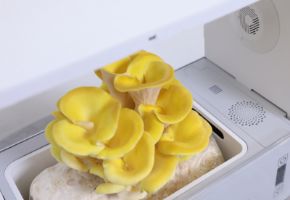
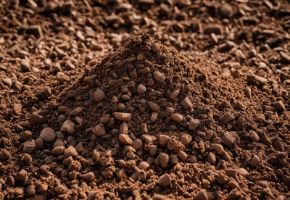
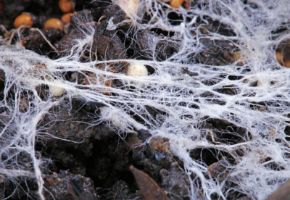

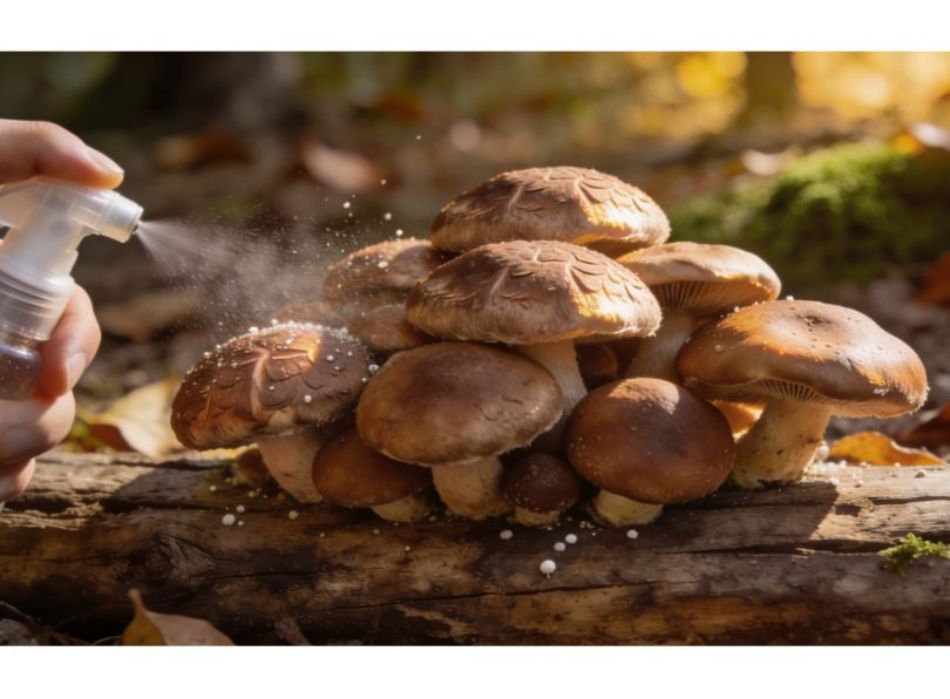
Growing Shiitake is a fascinating adventure that combines the pleasure of connecting with nature with the satisfaction of independently producing one of the world's most appreciated and sought-after mushrooms. The Shiitake mushroom, scientifically known as Lentinula edodes, is native to the temperate forests of East Asia, where it grows spontaneously on decaying logs of broadleaf trees such as oaks, beeches, and chestnuts. For centuries, Shiitake cultivation has represented a millennial tradition in Japan, China, and Korea, where this mushroom is considered not only a delicacy of traditional cuisine but also a genuine remedy in folk medicine, renowned for its immunostimulant, anti-inflammatory properties, and richness in nutritional principles. Today, thanks to the evolution of cultivation techniques and the growing availability of specific kits and materials, growing Shiitake mushrooms has become accessible to anyone: from the small hobbyist who wants to experiment on their balcony to the organic farmer who intends to diversify their production, passing through the chef who wants to guarantee themselves the freshest ingredients and the food sector entrepreneur looking for a high value-added product. In this complete and detailed guide, we will explore every aspect of Shiitake mushroom cultivation: from the botanical and nutritional characteristics of the mushroom to the necessary environmental requirements, from the selection and preparation of the substrate to mycelium inoculation, from daily cultivation management to harvesting and preserving the fruits. We will delve into the different methods for growing Shiitake at home and outdoors, analyze costs, economic yields, and market potential, and answer all the most frequent questions that those approaching this world for the first time ask themselves. Whether you are an absolute beginner or a cultivator with some experience, you will find practical information, updated scientific data, and concrete advice to successfully start and manage your Shiitake cultivation. The world of Shiitake mushrooms is extraordinarily rich and multifaceted: behind a simple mushroom lie centuries of agricultural history, a first-rate nutritional heritage, and an economic potential that, in recent years, has attracted the attention of researchers, nutritionists, restaurateurs, and entrepreneurs worldwide. Growing Shiitake is not only a productive activity but a true journey of knowledge involving biology, ecology, gastronomy, and the circular economy. In every paragraph of this article, you will find not only operational instructions but also the scientific and cultural context that makes Shiitake cultivation a complete and rewarding experience. Before delving into technical details, it is important to understand why growing Shiitake mushrooms represents a concrete opportunity today for very different profiles. The organic farmer finds in Shiitake a low environmental impact crop that valorizes woody waste and integrates perfectly into the principles of sustainable agriculture. The food sector entrepreneur discovers a product with interesting profit margins and constantly growing demand, driven by health trends and interest in Eastern cuisine. The chef and restaurateur can grow Shiitake directly behind the restaurant, guaranteeing themselves fresh, zero-kilometer ingredients of superior quality. The gardening and DIY enthusiast finds in the Shiitake mushroom a stimulating and accessible project, capable of delivering great satisfaction with a contained investment. Finally, the student and influencer in the wellness sector can document their Shiitake cultivation journey on social media, sharing with their community an authentic experience linked to sustainability and natural nutrition. If you wish to obtain everything you need to start growing Shiitake right away, on NaturNext.eu you will find a carefully selected range of products dedicated to mushroom cultivation, from substrate to complete box kits, designed for both beginners and experienced growers. We invite you to explore the catalog to find the solution best suited to your needs and your available space. The journey to grow Shiitake begins with in-depth knowledge of this extraordinary mushroom. Shiitake (Lentinula edodes) is the second most cultivated edible mushroom in the world, surpassed only by the common Button mushroom (Agaricus bisporus). Its history is intertwined with that of Asian civilizations, where Shiitake cultivation has been documented since the 12th century. The Japanese name "Shiitake" derives from the combination of "shii" (a genus of Japanese oak, Castanopsis) and "take" (mushroom), clearly indicating the natural habitat of this organism: broadleaf tree logs in mountain forests. The first testimonies of the collection and consumption of Shiitake mushrooms date back to Song Dynasty China (960-1279 AD), where the naturalist Wu Sang Kwuang first described a rudimentary technique for growing Shiitake on tree logs. The method consisted of making incisions in the bark of felled logs and leaving them exposed to forest humidity, favoring the natural colonization of Shiitake spores present in the environment. This technique, called the "incision method" (nata-me in Japanese), has been refined over the centuries and represents the foundation from which all modern Shiitake mushroom cultivation practices have developed. In Japan, Shiitake cultivation on logs became a true industry starting in the 17th century, when growers in Oita prefecture developed increasingly refined techniques to control production. Growing Shiitake mushrooms became a fundamental economic activity for rural mountain communities, which could exploit the abundant forest resources available. Japan maintained world leadership in Shiitake production until the 1980s, when China began a massive production expansion that led it to become the world's largest producer with over 80% of global production. The arrival of Shiitake in the West is relatively recent. The first experiments in Shiitake cultivation in Europe and North America date back to the 1970s and 1980s, when researchers and mushroom cultivation pioneers began importing strains and adapting Asian techniques to local climates and substrates. Today, growing Shiitake is possible virtually anywhere in the world thanks to the availability of selected mycelium and ready-to-use prepared substrates such as those available on NaturNext.eu. To grow Shiitake successfully, it is essential to thoroughly understand the biological and morphological characteristics of this mushroom. Shiitake belongs to the Marasmiaceae family (according to the most recent classification) and is a lignicolous saprophytic fungus, meaning it feeds on organic matter contained in dead wood. Unlike mycorrhizal fungi, which require symbiosis with the roots of living plants and cannot be artificially cultivated, Shiitake can be cultivated on woody substrates prepared by humans, making it ideal for Shiitake cultivation both domestically and professionally. The Shiitake mushroom presents a convex cap with a diameter between 5 and 25 centimeters, brown in color with shades ranging from light hazel to dark brown. The cap surface is characterized by whitish cracks that form a highly appreciated decorative pattern, especially in the Japanese varieties "donko" (thick, rounded cap) and "koshin" (more open, thinner cap). The gills on the underside of the cap are white or cream and become darker with maturity. The stem is short and fibrous, generally lighter than the cap, with a firm consistency that softens with cooking. The structure of the mycelium is a fundamental element to understand for those who wish to grow Shiitake. The mycelium is the vegetative part of the fungus, consisting of an intricate network of microscopic filaments called hyphae, which extend through the nutrient substrate absorbing water and nutrients. When the mycelium has completely colonized the substrate and environmental conditions become favorable, the fungus produces fruiting bodies, i.e., the "mushrooms" that we harvest and consume. Understanding the biological cycle of the mycelium is the key to successfully managing every phase of Shiitake cultivation. The reasons for growing Shiitake are numerous and touch on different areas, from nutrition to health, from economics to ecology. Below are the main motivations that drive more and more people to approach Shiitake mushroom cultivation. Exceptional nutritional value. Shiitake mushrooms are a precious source of plant proteins (they contain all essential amino acids), dietary fiber, B vitamins (B2, B5, B6), vitamin D (when exposed to sunlight or UV), minerals such as selenium, zinc, copper, and manganese, and unique bioactive compounds such as lentinan (a beta-glucan with immunostimulant action), eritadenine (which helps reduce cholesterol), and polysaccharides with antioxidant properties. Growing Shiitake at home means having access to a fresh, genuine superfood at a low cost. Ease of cultivation. Compared to many other edible mushrooms, Shiitake is relatively simple to grow, especially using ready-to-use kits or pre-inoculated substrate bags. Those wondering how to grow Shiitake mushrooms will discover that basic techniques are accessible even to absolute beginners, and that first results can arrive in a few weeks with indoor methods. Versatility of methods. Shiitake cultivation can be conducted with very different approaches depending on the resources, space, and objectives of the grower. One can grow Shiitake at home on sawdust blocks or pre-packaged bags, outdoors on broadleaf logs, in greenhouses and equipped sheds for commercial production, or with hydroponic and environmentally controlled systems. This flexibility makes Shiitake cultivation suitable for extremely varied contexts. Economic potential. The Shiitake mushroom market is constantly expanding, both in Italy and globally. The price of Shiitake mushrooms per kg remains at interesting levels (12-30 €/kg for fresh, 40-80 €/kg for dried), making Shiitake cultivation a potentially profitable activity even on a small scale. How profitable is mushroom cultivation? We will delve into the numbers in the sections dedicated to costs and yields. Environmental sustainability. Growing Shiitake mushrooms is a low environmental impact activity: the fungus uses waste from the forestry and agricultural industries (sawdust, wood chips, straw) as substrate, does not require agricultural land, consumes little water, and does not need pesticides or chemical fertilizers. The residues from Shiitake cultivation can be composted and returned to the soil as organic amendment, closing a virtuous circular economy cycle. Worldwide production of Shiitake mushrooms has exceeded 12 million tons annually, with China holding a dominant share. In Europe and Italy, Shiitake cultivation is still an emerging niche, but with significant growth rates. Italian consumers' interest in Shiitake mushrooms has increased notably in recent years, driven by the spread of Japanese cuisine (sushi bars, ramen restaurants, fusion cuisine), by growing attention toward functional foods and superfoods, and by curiosity about Shiitake mushroom cultivation as a creative and sustainable hobby. In Italy, the main Shiitake mushroom producers are innovative agricultural companies that have invested in climatized greenhouses and advanced cultivation techniques, often on enriched sawdust blocks. Alongside these, the number of small growers, hobbyists, and micro-enterprises approaching Shiitake cultivation as a complementary activity or entrepreneurial project is growing. NaturNext.eu positions itself as a reference point for those who wish to grow Shiitake by offering substrates, boxes, and practical guides. Before delving into the techniques for growing Shiitake, it is fundamental to understand what the Shiitake mushroom is for and why its nutritional and therapeutic benefits make it one of the most studied and appreciated foods by modern science. Knowing the properties of the mushroom one intends to cultivate is a powerful motivation to approach every phase of Shiitake cultivation with passion and dedication, and it is also valuable information for those who wish to sell or promote their mushrooms on the market. Shiitake mushrooms present a nutritional profile of great interest. In 100 grams of fresh Shiitake mushrooms, we find a very low caloric content (approximately 34-40 kcal), associated with a good protein content (2.2-3.5 g), dietary fiber (2.5-3 g), complex carbohydrates, and a negligible amount of fats. The high water content (approximately 90%) makes them a light and hydrating food, perfect for those following low-calorie diets. Growing Shiitake on your own allows you to consume these mushrooms at maximum freshness, preserving their nutritional heritage intact. What are Shiitake mushrooms good for? In addition to basic nutrients, Shiitake mushrooms contain a series of unique bioactive compounds that are the subject of intense scientific research. These compounds make Shiitake not only a food but a true medicinal mushroom, used for centuries in traditional Chinese and Japanese medicine. Lentinan (β-1,3-glucan) Lentinan is the most studied compound contained in Shiitake mushrooms. It is a polysaccharide with potent immunostimulant activity: clinical studies have demonstrated that lentinan is capable of activating Natural Killer (NK) cells, macrophages, and T lymphocytes, enhancing the body's immune response. In Japan, lentinan extracted from Shiitake is approved as an adjuvant drug in anticancer therapy and is administered intravenously in association with chemotherapy for the treatment of certain gastric cancers. Growing Shiitake means having access to a natural source of this precious compound. Eritadenine This compound is present in significant quantities in Shiitake and has demonstrated the ability to reduce blood cholesterol levels by acting on the methylation of homocysteine. Eritadenine is one of the reasons why regular consumption of Shiitake mushrooms is associated with a lower cardiovascular risk. Lentionine This is the compound responsible for the characteristic aroma of Shiitake mushrooms, especially in their dried form. Lentionine forms during the drying process from the enzymatic degradation of sulfur compounds and contributes to the intense umami flavor that makes Shiitake so appreciated in cooking. AHCC (Active Hexose Correlated Compound) Extracted from Shiitake mycelium culture, AHCC is a very popular dietary supplement in Japan and worldwide, used as immune system support in cancer patients, people with chronic infections, and immunocompromised individuals. Research on AHCC is vast and continuously expanding. Antioxidant polysaccharides Shiitake mushrooms contain several polysaccharides with antioxidant activity that protect cells from oxidative stress damage, contributing to the prevention of cellular aging and chronic diseases. Scientific research has documented numerous benefits associated with regular consumption of Shiitake mushrooms. These data make it even more motivating to grow Shiitake at home to have a constant supply of fresh, high-quality mushrooms. Immune system support A study published in the Journal of the American College of Nutrition (2015) demonstrated that daily consumption of 5-10 grams of dried Shiitake mushrooms for four weeks significantly improved immune function in participants, increasing the production of immunoglobulin A (sIgA) and reducing systemic inflammation markers (C-reactive protein). Cholesterol reduction Several clinical and preclinical studies have confirmed that consuming Shiitake mushrooms helps reduce LDL cholesterol ("bad cholesterol") thanks to the action of eritadenine and the soluble fiber contained in the mushroom. A study conducted on animals showed a reduction in total cholesterol of up to 25% after supplementation with Shiitake extracts. Anti-inflammatory properties The bioactive compounds of Shiitake, particularly polysaccharides and terpenoids, have demonstrated anti-inflammatory activity in numerous in vitro and in vivo studies, suggesting a potential role in the prevention and treatment of chronic inflammatory conditions. Gut health The prebiotic fibers contained in Shiitake mushrooms, particularly beta-glucans, promote the growth of beneficial bacteria in the gut, helping to maintain a healthy and diversified microbiota. This aspect is particularly relevant in light of growing evidence on the role of gut microbiota in overall organism health. Anticancer potential In addition to the clinical use of lentinan in Japan, numerous in vitro studies have demonstrated that Shiitake extracts can inhibit the proliferation of cancer cells in laboratory models. Although clinical research is still ongoing, the anticancer potential of Shiitake is one of the most promising fields of investigation in medical mycology. Natural vitamin D Shiitake mushrooms are one of the very few non-animal food sources capable of producing vitamin D2 (ergocalciferol) when exposed to direct sunlight or ultraviolet radiation. This property is particularly important for vegans and for those living at high latitudes with limited sun exposure. Those who decide to grow Shiitake can naturally enrich their mushrooms with vitamin D simply by exposing them to the sun for a few hours before consumption. Not necessarily. The quality and characteristics of Shiitake mushrooms depend largely on the method by which they are grown. Organic Shiitake cultivation involves the exclusive use of raw materials from certified organic agriculture, the total absence of synthetic pesticides, fungicides, and chemical fertilizers, and compliance with rigorous standards verified by accredited certification bodies. Those who choose to grow Shiitake according to organic agriculture principles must ensure that the sawdust comes from sustainably managed forests (ideally FSC or PEFC certified), that the bran used as an additive is of organic origin, and that the entire production process is documented and traceable. The difference between organic and conventional Shiitake mushrooms lies not so much in the nutritional value of the mushroom itself (which is similar), but in the guarantee of absence of chemical residues and in the lower environmental impact of the entire production chain. For the conscious consumer, growing Shiitake at home with quality materials represents the best possible guarantee: the grower has total control over every ingredient and every phase of the process. To fully understand the opportunities offered by Shiitake cultivation, it is useful to analyze the performance of the global and Italian Shiitake mushroom market. According to estimates from major market research firms, the global edible mushroom market reached a value of over 50 billion dollars in 2024, with Shiitake mushrooms representing approximately 25-30% of the total in terms of production volume. The compound annual growth rate (CAGR) of the Shiitake segment is estimated at around 6-10% for the period 2024-2030, driven by growing demand for functional foods, superfoods, and plant-based products. In Europe, the Shiitake mushroom market is still relatively small compared to the Asian one, but is growing at significant rates. Germany, the United Kingdom, and France are the most developed European markets, while Italy is rapidly catching up thanks to the growing popularity of Asian cuisine and consumer interest in healthful and innovative products. Growing Shiitake in Italy represents a concrete entrepreneurial opportunity, especially for those who can position themselves as a local, organic, zero-kilometer quality producer. A particularly interesting fact for those wishing to grow Shiitake is the explosive growth of the Shiitake mushroom cultivation kit segment, which has recorded sales increases of over 30% annually in the last three years in Europe. This data reflects the growing public interest in food self-production, urban gardening, and experiences related to sustainability. The history of the medicinal use of Shiitake mushrooms is as long as that of their food consumption. In traditional Chinese medicine, Shiitake is classified as a Qi (vital energy) tonic and is used to strengthen the body's resistance, improve blood circulation, support liver and kidney health, and slow aging processes. In Japan, Shiitake has been traditionally used to treat colds, flu, gastrointestinal disorders, and chill-related illnesses. Growing Shiitake has meant, for centuries, having access to a natural remedy of extraordinary effectiveness. Modern scientific research has confirmed many of the traditional uses of Shiitake mushrooms and has revealed new ones. Lentinan, extracted from the Shiitake fruiting body, was approved as an adjuvant drug in anticancer therapy in Japan in 1985, representing one of the first fungus-derived compounds to be officially recognized by conventional medicine. AHCC (Active Hexose Correlated Compound), derived from liquid culture of Shiitake mycelium, is used as an immunostimulant supplement in over 700 hospitals and clinics in Japan, and is the subject of numerous clinical studies in the Western world. These data make Shiitake cultivation not only a food activity but a true cultivation of well-being. For those who decide to grow Shiitake, it is important to know that the content of bioactive compounds in mushrooms varies significantly based on substrate quality, growth conditions, and cultivation method. Shiitake mushrooms grown on wood logs tend to have a higher content of lentinan and polysaccharides compared to those grown on sawdust, probably due to longer growth times and more variable environmental conditions. Also, exposure to sunlight during the growth phase influences the profile of bioactive compounds, particularly the content of vitamin D and ergothioneine (a powerful antioxidant amino acid). These factors represent an additional reason to grow Shiitake on your own, where you have full control over growth conditions. One of the most fascinating aspects of Shiitake mushrooms is their ability to synthesize vitamin D when exposed to ultraviolet light, a biochemical mechanism analogous to what occurs in human skin. This property makes Shiitake mushrooms one of the very few non-animal food sources of vitamin D, an essential nutrient for bone health, the immune system, and the nervous system. The mechanism is as follows: Shiitake mushrooms naturally contain ergosterol, a precursor of vitamin D2. When mushrooms are exposed to direct sunlight (especially UVB rays), ergosterol is converted into ergocalciferol (vitamin D2). Scientific studies have demonstrated that just 15-30 minutes of sun exposure with gills facing upward can increase the vitamin D content of Shiitake mushrooms from less than 100 IU to over 1000 IU per 100 grams, a value comparable to or higher than that of a portion of salmon. For those who choose to grow Shiitake, this is invaluable information: with a simple gesture before consumption or drying, you can transform your mushrooms into an exceptional source of vitamin D. In indoor Shiitake cultivation, where mushrooms are not exposed to natural sunlight, it is possible to use specific UV lamps to activate the conversion of ergosterol to vitamin D2. The UV spectrum LED strips available on Ledpoint.it can also be used for this purpose, adding further value to home Shiitake cultivation. Understanding the environmental needs of Shiitake is the first practical step for those who wish to grow Shiitake successfully. The Shiitake mushroom is a relatively adaptable organism, but to obtain optimal yields and quality mushrooms it is necessary to precisely control some fundamental parameters: temperature, humidity, ventilation, and light. The good news is that the ideal conditions for growing Shiitake are easily reproducible both in domestic environments and in dedicated facilities, with simple measures accessible even to beginners. Temperature is the most critical parameter in Shiitake cultivation and varies significantly depending on the phase of the mushroom's growth cycle. To grow Shiitake effectively, it is necessary to distinguish between the colonization phase (mycelium growth) and the fruiting phase (production of fruiting bodies). Colonization phase (spawn run): during this phase, the mycelium actively grows within the substrate, progressively colonizing it. The optimal temperature for Shiitake mycelium growth is between 20 and 25 °C, with a tolerable range between 15 and 30 °C. Temperatures below 10 °C drastically slow mycelium growth, while temperatures above 35 °C can damage or kill it. Those who decide to grow Shiitake at home will find that the ambient temperature of a home during spring and autumn is generally suitable for this phase. Fruiting phase: to stimulate the production of fruiting bodies, a lowering of temperature compared to the colonization phase is necessary. The ideal range for Shiitake fruiting is between 10 and 20 °C, with an optimum around 15-18 °C for most strains. A thermal shock, i.e., a sudden temperature drop of 5-10 °C, is often necessary to trigger the formation of primordia (the "buds" from which mushrooms will develop). This thermal shock simulates the transition from the warm to the cool season and represents a fundamental technique in Shiitake cultivation. Humidity is the most important factor in Shiitake cultivation and, at the same time, the one that beginners tend to underestimate the most. The Shiitake mushroom requires relatively high humidity levels during all phases of its life cycle, but with specific requirements for each phase. Substrate humidity: the substrate in which the mycelium grows must maintain a moisture content between 55% and 65% by weight. A substrate that is too dry slows or stops mycelium growth, while a substrate that is too wet favors the development of competing molds and bacteria. Correct substrate hydration is one of the most critical aspects in preparing Shiitake cultivation and must be carefully checked before inoculation. Relative air humidity: during the fruiting phase, the relative humidity of the environment must be maintained between 80% and 95%. This humidity level is necessary to sustain primordia development and fruiting body growth. Humidity that is too low causes primordia dehydration and the formation of dry, cracked mushrooms, while humidity constantly above 95% can favor the development of molds and bacteria on the mushroom surface. For those intending to grow Shiitake at home, humidity control can be achieved with simple and economical methods: manual misting with a spray bottle 2-3 times a day, use of perforated plastic sheets to create a humid chamber, placement of water trays near substrate blocks, or, for those desiring more precise control, the use of an ultrasonic humidifier with a digital hygrometer. In professional Shiitake cultivation contexts, automated misting systems controlled by sensors are used. Adequate ventilation is essential for growing Shiitake in a healthy and productive manner. The mycelium and fruiting bodies of the Shiitake mushroom breathe oxygen and produce carbon dioxide (CO₂), exactly like animal organisms. An excessive accumulation of CO₂ in the Shiitake cultivation environment can cause abnormal stem elongation, reduction in cap diameter and, in more severe cases, the arrest of fruiting. The CO₂ concentration in the Shiitake cultivation environment should be kept below 1000-1500 ppm during the fruiting phase. In practice, this is achieved by ensuring regular air exchange in the cultivation environment, without however creating direct air currents on the mushrooms, which would cause rapid dehydration. For those growing at home, it is sufficient to briefly air the environment 2-3 times a day or use a small low-speed fan positioned away from the substrate blocks. Contrary to what many think, Shiitake mushrooms need light to develop properly, even if their needs are very different from those of green plants. Shiitake does not perform photosynthesis (fungi are not plants), but light plays an important role as an environmental signal that regulates primordia formation, cap pigmentation, and growth orientation. To grow Shiitake, indirect lighting of 500-1000 lux for 8-12 hours a day is sufficient. This light intensity corresponds approximately to the light present in a well-lit room, away from direct sunlight that could overheat and dehydrate the mushrooms. In completely dark environments, Shiitake tends to produce mushrooms with pale caps, elongated stems, and disoriented growth. For those intending to grow Shiitake at home in environments with poor natural light, such as basements, garages, or interior rooms, the use of adequate artificial lighting can make the difference between mediocre and successful Shiitake cultivation. The LED strips represent an ideal solution for indoor Shiitake cultivation, as we will delve into in the next dedicated section. Artificial lighting has become an increasingly important element in modern Shiitake cultivation, especially for those who decide to grow Shiitake at home or in indoor environments where natural light is insufficient or absent. Latest-generation LED strips offer an efficient, economical, and versatile solution for providing mushrooms with the right amount and quality of light during the different phases of Shiitake cultivation. LED strips offer numerous advantages over traditional incandescent or fluorescent lamps in Shiitake cultivation. First, LED strips produce very little heat, avoiding the risk of overheating the cultivation environment and dehydrating the mushrooms. This aspect is crucial for those who must grow Shiitake in reduced spaces such as cabinets, boxes, or small rooms, where even a minimal additional heat source can significantly alter the temperature. Secondly, LED strips have extremely low energy consumption, which makes them a sustainable and low-operating-cost solution for long-term Shiitake cultivation. A few-watt LED strip is sufficient to illuminate a home cultivation area for the entire required photoperiod (8-12 hours a day), with a negligible impact on the electricity bill. Thirdly, LED strips are available in different color temperatures and light spectra, allowing selection of the light most suitable for the different phases of Shiitake cultivation. Cool white light (5000-6500K) is generally the most suitable for stimulating primordia formation and cap pigmentation, while warm white light (3000-4000K) can be used during the fruiting body growth phase. LED strips with blue spectrum (450-470 nm) have proven particularly effective in promoting primordia formation in Shiitake. Finally, the installation flexibility of LED strips makes them suitable for any Shiitake cultivation configuration: they can be applied to shelves, walls, ceilings, or support structures, creating uniform and customized lighting for any space. Installing LED strips for Shiitake cultivation is simple and does not require advanced electrical skills. Here are practical instructions for configuring an effective lighting system: Positioning: LED strips should be positioned at a distance of 30-60 cm from the top surface of the substrate blocks or logs. A distance that is too close could create areas of overly intense light (although unlikely with LEDs), while an excessive distance would reduce lighting effectiveness. For growing Shiitake on multiple shelves, it is possible to apply an LED strip under each shelf to illuminate the blocks below. Automatic timer: it is recommended to connect the LED strips to a programmable timer to automate the photoperiod (8-12 hours of light and 12-16 hours of darkness). This simulates the natural day-night cycle and provides Shiitake with the necessary light signals for balanced growth. Digital timers are inexpensive and easily available. Light intensity: for Shiitake cultivation, high intensity is not necessary. Lighting of 500-1000 lux on the block surface is sufficient. In practice, a standard 5-10 watt per linear meter LED strip, positioned at about 40-50 cm, provides adequate lighting for a cultivation area of about 0.5-1 square meter. Protection from humidity: given that Shiitake cultivation requires high humidity levels, it is important to choose LED strips with an adequate IP protection rating (IP65 or higher), which makes them resistant to water splashes and misting. The selection and preparation of the substrate represent one of the most determining aspects for the success of Shiitake cultivation. The substrate is the medium on which the fungus mycelium grows, feeds, and develops until it produces fruiting bodies. Growing Shiitake requires a substrate rich in cellulose and lignin, the two main components of wood, which the fungus is able to degrade and transform into nutrients thanks to its powerful extracellular enzymes. Substrate quality directly influences colonization speed, production yield, and the organoleptic quality of the Shiitake mushrooms obtained. Shiitake is a lignicolous fungus that, in nature, grows predominantly on dead broadleaf logs; therefore, the answer depends on the chosen cultivation method. Broadleaf logs (traditional method). The most traditional and natural substrate for growing Shiitake is represented by fresh broadleaf tree logs. The most suitable species include beech (Fagus sylvatica), oak (Quercus spp.), chestnut (Castanea sativa), hornbeam (Carpinus betulus), maple (Acer spp.), and willow (Salix spp.). Logs should have a diameter between 10 and 20 cm and a length of 80-120 cm, have been cut no more than 1-2 months ago (to ensure that the wood is still vital but the tree's antimicrobial defenses are weakened), and have intact bark, which serves as a protective barrier against dehydration and contamination. Enriched sawdust blocks (modern method). The most widespread method for commercial and domestic Shiitake cultivation uses blocks composed of broadleaf sawdust (mainly beech or oak) mixed with nutritional additives. The typical basic formula provides for approximately 80% hardwood sawdust, 15-18% wheat or rice bran (as a source of readily available nitrogen and carbohydrates), and 2-5% gypsum (calcium carbonate, to stabilize pH). These ingredients are mixed, hydrated to 60-65% moisture, placed in heat-resistant polypropylene bags, and sterilized in an autoclave or pressure cooker at 121 °C for 60-90 minutes. After cooling, the substrate is inoculated with Shiitake mycelium under sterile conditions. Shiitake bag (ready kits). For those who wish to grow Shiitake without having to prepare the substrate from scratch, the simplest and most immediate solution is to purchase a Shiitake mushroom bag already inoculated and ready for fruiting. These are substrate blocks (generally enriched sawdust) that have been inoculated with Shiitake mycelium in the laboratory and have already completed the colonization phase. Simply remove the packaging, place the bag in a suitable environment, and start misting with water to obtain the first mushrooms in 7-14 days. Shiitake mushroom cultivation kits include everything needed to start growing Shiitake right away. Substrate preparation is one of the most delicate phases of Shiitake cultivation and requires attention to cleanliness, ingredient proportions, and the sterilization process. Below are detailed instructions for preparing a sawdust substrate suitable for growing Shiitake. To prepare approximately 2.5 kg of wet substrate (sufficient for one Shiitake cultivation block), the following ingredients are needed: Mixing. Mix the sawdust, bran, and gypsum in a clean, large container, ensuring that the ingredients are evenly distributed. Gradually add water while mixing continuously until the correct moisture level is reached. To verify moisture, the most commonly used empirical method is the "hand test": squeeze a handful of substrate in your fist and observe the result. If a few drops of water come out between your fingers and the substrate maintains its shape when you open your hand, the moisture is correct (about 60-65%). If water flows freely, the substrate is too wet; if no water comes out and the substrate crumbles, it is too dry. Bagging. Transfer the substrate into autoclavable polypropylene bags (available online or in specialty stores) or glass jars with perforated lids. Lightly compact the substrate to eliminate air pockets, which could favor the development of contaminants. Close the bags with a cotton ring or a microporous filter that allows gas exchange but prevents the entry of contaminating spores. Sterilization. The substrate must be sterilized to eliminate all competing microorganisms (molds, bacteria, yeasts) that could prevent Shiitake mycelium from colonizing the block. The standard method involves sterilization in a pressure cooker at 121 °C (15 psi) for 60-90 minutes. Alternatively, for small-scale domestic production, prolonged pasteurization at 80-100 °C for 8-12 hours can be used, which significantly reduces microbial load even without achieving complete sterility. Cooling. After sterilization, allow the substrate to cool completely before inoculation. The substrate must reach a temperature below 30 °C before introducing the mycelium, to avoid damaging the living organisms. Cooling must occur in a clean environment and with the bags still closed to prevent contamination. In addition to hardwood sawdust and logs, there are other substrates that can be used to grow Shiitake, although with generally lower yields compared to classic methods. Among these, one can mention cereal straw (wheat, barley, rice) treated with pasteurization, pruning residues from orchards and vineyards (cut and sterilized), crushed corn cobs, and mixtures of sawdust and corrugated cardboard. Each alternative substrate requires adjustments in water and additive proportions and experimentation to optimize Shiitake cultivation yield. Inoculation is the crucial moment when Shiitake mycelium is introduced into the prepared substrate, initiating the colonization process that will lead to mushroom production. To grow Shiitake successfully, this phase requires attention to sterility, mycelium quality, and correct procedure execution. Shiitake inoculation techniques vary depending on the type of substrate used (sawdust blocks or logs) and the form in which the mycelium is supplied (colonized grains, wood plugs, or myceliated sawdust). Shiitake mycelium, also known as "spawn" or "inoculum," is available in several forms, each suited to specific Shiitake cultivation methods. Grain spawn. This is the most common form for inoculating sawdust blocks. It consists of cereal grains (generally rye, wheat, or millet) completely colonized by Shiitake mycelium. Grain spawn is mixed directly into the sterilized and cooled substrate, in a proportion ranging from 5% to 15% of the substrate's dry weight. A higher inoculation rate (10-15%) accelerates colonization and reduces contamination risk, but increases costs. Wood plugs (plug spawn or dowel spawn). These are small hardwood cylinders (usually beech) colonized by Shiitake mycelium. The plugs are inserted into holes drilled in logs during Shiitake cultivation on wood. Each log requires a number of plugs proportional to its size: generally, one plug is calculated every 10-15 cm along the log, with rows spaced 5-8 cm apart. Myceliated sawdust (sawdust spawn). This is a form of spawn similar to grain spawn, but produced on hardwood sawdust. It is used both for inoculating sawdust blocks and, in some methods, for filling holes in logs. Myceliated sawdust offers a good quality-price ratio for large-scale Shiitake cultivation. Mycelium should always be handled with clean hands (or sterile gloves) in an environment as free as possible from dust and air currents. Fresh, vital Shiitake mycelium has a bright white appearance, a pleasant odor similar to that of fresh mushrooms, and a compact consistency. Mycelium with green, black, or orange spots, or with an unpleasant odor, is likely contaminated and should not be used to grow Shiitake. For those who wish to produce their own mycelium plugs (plug spawn) at home, the procedure is as follows. Purchase untreated hardwood plugs (beech or birch) with a diameter of 8-12 mm and length of 30-40 mm. The plugs are boiled for 15-20 minutes to sterilize and hydrate them, then drained and allowed to cool in a sterile container. Prepare an airtight container (a sterilized glass jar or an autoclave bag) and insert the plugs, adding a portion of Shiitake mycelium on grains or sawdust. Close the container and allow colonization at 20-25 °C for 2-4 weeks, until the plugs are completely covered and penetrated by white mycelium. The mycelium plugs thus produced can be used to inoculate logs and grow Shiitake outdoors. To grow Shiitake on sawdust blocks, here is the inoculation procedure. Prepare the work environment. Inoculation must be performed under conditions as sterile as possible to avoid contamination. Ideally, work in front of a laminar flow hood, but for domestic Shiitake cultivation, one can improvise a clean environment by working in a recently cleaned room, with windows and doors closed, and disinfecting all surfaces with 70% alcohol. Some domestic growers use a simple "still air box" (SAB), i.e., an inverted transparent container with two holes for the arms, which greatly reduces the circulation of contaminating spores in the work area. Open the bag and add spawn. With clean hands or sterile gloves, open the bag containing the sterilized and cooled substrate. Add grain spawn in the desired proportion (5-15% of the substrate's dry weight). Immediately reseal the bag and mix vigorously from the outside to evenly distribute the spawn in the substrate. Uniform distribution accelerates colonization and reduces vulnerability points to contamination. Close and seal. Reseal the bag with the appropriate ring and the microporous filter, ensuring there are no unprotected openings. Label the block with the inoculation date, the Shiitake strain used, and the substrate type to keep track of Shiitake cultivation. Position for incubation. Place the inoculated blocks in a dark or dimly lit environment, at a temperature of 20-25 °C and with good ventilation. Blocks should not be stacked in direct contact with each other to avoid overheating caused by mycelium metabolic activity. Complete colonization generally requires 4 to 8 weeks for Shiitake sawdust blocks. For those who choose to grow Shiitake on logs according to the traditional method, the inoculation procedure is different... Log selection Select healthy broadleaf logs (beech, oak, chestnut) cut no more than 1-2 months ago, with a diameter of 10-20 cm and length of 80-120 cm. Logs must have intact bark and show no signs of colonization by other fungi or molds. Drilling With a drill equipped with an 8-12 mm bit (corresponding to the diameter of mycelium plugs), drill holes approximately 3-4 cm deep along the log, arranged in parallel rows with a distance of 10-15 cm between holes and 5-8 cm between rows. A 1-meter log with a 15 cm diameter generally requires 30-50 holes. Inserting plugs Insert a mycelium plug (plug spawn) into each hole, pushing it to the bottom with a hammer or plug setter. The plug must adhere well to the hole walls to ensure good contact between the mycelium and the log wood. Sealing with wax Seal each hole with melted beeswax or grafting wax, applied with a brush or heated tool. The wax protects the mycelium from dehydration, from the entry of stagnant water, and from competition with other organisms. Sealing is a fundamental step in log inoculation techniques for Shiitake cultivation. Outdoor incubation Place the inoculated logs in a shaded location, protected from wind and direct sun, ideally under tree canopy or under a roof. Logs can be stacked in a crisscross pile or leaned against a support structure. Log incubation for growing Shiitake requires 6 to 12 months, during which the mycelium slowly colonizes all the wood. There are several methods for growing Shiitake, each with different advantages, disadvantages, and complexity levels. The choice of method depends on available space, budget, objectives (family consumption or commercial production), and the grower's experience level. In this section, we will analyze in detail the main approaches to Shiitake cultivation, providing practical instructions for each. Cultivation on Shiitake mushroom bags is the simplest and fastest method to obtain fresh mushrooms at home, and is particularly recommended for beginners approaching Shiitake cultivation for the first time. The bag is a substrate block (enriched sawdust) completely colonized by Shiitake mycelium, ready to begin the fruiting phase as soon as suitable environmental conditions are provided. Bag preparation To grow Shiitake with a bag, the first step is to remove the plastic wrapping that encases the block. This operation exposes the mycelium to air and light, providing the environmental signals that trigger primordia formation. Place the bag in a humid, shaded location: a north-facing balcony, a covered veranda, a little-used bathroom, or a bright basement are all suitable environments for growing Shiitake at home with this method. Daily care The bag must be treated like a sponge: it must remain constantly moist but never completely immersed in water. Spray water on the bag surface 2-3 times a day with a mister, or cover it with a perforated plastic sheet to maintain humidity. The goal is to maintain relative humidity around 85-95% on the block surface. The ideal microclimate for growing Shiitake on bag provides for a temperature of 12-20 °C and slight indirect lighting. Harvesting from the bag Mushrooms are ready for harvest when the cap is open or with margins slightly curved downward, generally 7-14 days after the start of fruiting. How long does a Shiitake mushroom bag last? A single bag can produce multiple harvest flushes (generally 3-5), spaced by rest periods of 1-2 weeks each. The overall yield of a Shiitake mushroom bag depends on its size and substrate quality, but indicatively a 2.5 kg block produces about 500-750 g of fresh mushrooms per cycle. How much does a Shiitake bag produce? In total, over 3-5 cycles, one can obtain 1.5-3 kg of fresh mushrooms from a single bag. Shiitake cultivation on logs is the most traditional and natural method, practiced for centuries in Asia and today increasingly widespread in Europe as well. This method requires more time and patience compared to bag cultivation, but offers significant advantages in terms of organoleptic quality of the mushrooms and productive duration of the logs. After the inoculation described in the previous section, logs are left to colonize for a period ranging from 6 to 12 months, depending on log diameter, climate, and the Shiitake strain used. During this period, the mycelium progressively penetrates the wood, degrading cellulose and lignin to feed and build its mycelial network. Once colonization is complete, logs can be stimulated to fruit through thermal shock. The most effective technique consists of completely immersing the logs in cold water (ideally at 5-15 °C) for 12-24 hours. This soaking simulates an intense autumn rain and provides Shiitake with the water stress and thermal signals necessary to trigger fruiting. After soaking, logs are positioned vertically or leaned against a structure in a shaded location. Primordia generally appear after 3-5 days and mushrooms reach maturity for harvest in 7-14 days. The ideal period for stimulating log fruiting is between September and March, with particularly good results in October-November, when temperatures and atmospheric humidity are naturally favorable for Shiitake cultivation. In summer, high temperatures and low humidity make fruiting more difficult, although not impossible in cool, shaded areas. A well-inoculated and cared-for log can produce Shiitake mushrooms for 3-6 years, with 2-4 fruiting cycles per year. Productivity tends to decrease progressively as the wood is degraded, but the long productive duration makes log-based Shiitake cultivation a very convenient long-term investment. The Shiitake mushroom cultivation kit represents the simplest, fastest, and safest way to start growing Shiitake without any previous experience. A complete kit typically includes a substrate block already inoculated and colonized, detailed instructions for managing fruiting, and sometimes accessories such as a mister, a humidity sheet, and a thermometer-hygrometer. Prices vary based on block size, mycelium quality, and included accessories. A basic kit for growing Shiitake generally costs between 15 and 35 euros, while professional kits with multiple blocks and equipment can reach 50-150 euros. The cost-benefit ratio is generally favorable, considering that even a basic kit can produce several hundred grams of fresh mushrooms. One of the most frequent questions among those approaching the world of mushroom cultivation is: how to grow Shiitake mushrooms at home? The answer is that growing Shiitake at home is perfectly possible and, with the right knowledge and minimal equipment, can become a rewarding and productive activity. In this section, we will delve into all practical aspects of domestic Shiitake cultivation, answering the most common questions and providing proven advice to maximize yields and mushroom quality. The equipment needed to grow Shiitake at home is surprisingly limited and accessible. Below is the complete list of materials and tools. Inoculated substrate or ready kit For those at their first approach, a Shiitake mushroom cultivation kit is the simplest choice. For those who wish to prepare the substrate themselves, hardwood sawdust, bran, gypsum, sterilization bags, and mycelium (spawn) are needed. Mister A manual sprayer or small ultrasonic humidifier to maintain adequate humidity. Regular misting is essential to successfully grow Shiitake at home. Thermometer and hygrometer To monitor temperature and relative humidity in the cultivation area. Inexpensive digital models with displays are available for a few euros and represent an indispensable investment for domestic Shiitake cultivation. Improvised humid chamber A transparent container (plastic box, empty aquarium, plastic tent) can be used to create a humid microclimate around the substrate blocks. To grow Shiitake at home on a small scale, even a transparent perforated plastic bag placed over the block can work effectively. Lighting For environments with poor natural light, a cool white LED strip connected to a timer guarantees the necessary photoperiod for growing Shiitake indoors. Growing Shiitake at home requires much less space than one might think. A single substrate block occupies approximately the space of a large book (about 20x15x15 cm) and can be placed on a shelf, windowsill, table, or inside a cabinet. For a small domestic production with 3-5 blocks simultaneously, a shelf or corner of about 0.5 square meters is sufficient. Those with a metal shelving unit can organize multiple levels of Shiitake cultivation in a very reduced vertical area, maximizing available space. Where to place mushroom bags? The domestic environments most suitable for growing Shiitake at home are cool, little-used rooms (laundry, storage room, basement with window), secondary bathrooms (which naturally offer a higher humidity level), north- or east-facing balconies (protected from direct sun), and cabinets or shelving in cool areas of the home. The most important aspect is to avoid exposure to direct sun, hot air currents, and radiators, which rapidly dehydrate blocks and hinder Shiitake cultivation. Controlling humidity and temperature is the main challenge for those who want to grow Shiitake at home. In domestic environments, relative humidity generally ranges between 30% and 60%, well below the 80-95% required for Shiitake fruiting. To raise and maintain humidity, several practical strategies can be adopted. Frequent misting Spray non-chlorinated water (filtered water, rainwater, or tap water left to rest for 24 hours) on the block surfaces and in the surrounding air, 2-4 times a day. This is the simplest technique for growing Shiitake at home, although it requires consistency and regularity. Humid chamber Creating a humid chamber around the blocks using a transparent container (plastic box with perforated lid, aquarium covered with perforated film, or transparent plastic tent) dramatically reduces the need for misting and maintains a more stable humidity level. Inside the humid chamber, water trays or wet sponges can be placed to further increase humidity. This is probably the most effective solution for growing Shiitake at home with little daily effort. Ultrasonic humidifier For those who wish to automate humidity control, a small ultrasonic humidifier connected to a hygrometer with a switched outlet represents the most professional solution. The humidifier automatically activates when humidity drops below the set threshold (e.g., 85%) and turns off when the target value is reached. This solution is particularly suitable for medium-to-large scale Shiitake cultivation or for those who cannot mist manually several times a day. It is important not to water Shiitake mushrooms with direct water jets, which could damage primordia and developing fruiting bodies. Fine misting is always preferable to direct irrigation. The water used must be at room temperature or slightly cool, not warm. For growing Shiitake on bag, the block can be briefly immersed in cold water (15-20 minutes) between harvest flushes to rehydrate it and stimulate a new fruiting cycle. Growing Shiitake mushrooms at home is not without challenges, but most problems are easily solvable with the right knowledge. The most frequent problems in domestic Shiitake cultivation include substrate dehydration (caused by insufficient humidity), development of green or black molds (due to contamination), failure to fruit (often linked to temperatures that are too high or absence of thermal shock), and production of mushrooms with elongated stems and small caps (sign of poor ventilation or lighting). We will delve into all these problems and their respective solutions in the dedicated section. Growing Shiitake at home is possible throughout the year, but each season presents specific opportunities and challenges that the domestic grower must know to optimize results. Spring (March-May) Spring is one of the best periods to start growing Shiitake at home. Ambient temperatures are generally ideal for block colonization (18-25 °C), external humidity is increasing, and natural daylight hours are lengthening. For those choosing log-based Shiitake cultivation, spring is the ideal time for inoculation. Ready kits started in this period benefit from favorable climatic conditions and produce excellent results. The advice is to position blocks near a north- or east-facing window to exploit indirect natural light, integrating with LED strips if necessary. Summer (June-August) Summer is the most demanding season for growing Shiitake at home, due to high temperatures and often low air humidity (especially in air-conditioned environments). Temperatures above 28-30 °C can stress the mycelium and slow or block fruiting. To successfully grow Shiitake even in summer, it is advisable to position blocks in the coolest room in the house (basement, lower level, bathroom with stone walls), avoid exposure to heat from sun rays and appliances, increase misting frequency to compensate for greater evaporation, and consider using a small air conditioner or fan to keep temperatures below 25 °C. Some "warm weather" Shiitake strains are specifically selected to tolerate higher temperatures and can be a good choice for summer Shiitake cultivation. Autumn (September-November) Autumn is probably the golden season for growing Shiitake, both at home and outdoors. Falling temperatures, increasing atmospheric humidity, and natural thermal variations between day and night provide optimal conditions for fruiting. Kits and bags started in this period tend to produce the most abundant harvests and the best quality mushrooms (thick, aromatic caps, typical of the "donko" variety). The thermal shock necessary for fruiting is provided naturally by the difference between daytime and nighttime temperatures, reducing the need for artificial interventions. For those practicing log-based Shiitake cultivation, autumn is the ideal period to stimulate fruiting with cold water soaking. Winter (December-February) Winter presents different challenges depending on the type of dwelling and heating system. In well-heated homes, temperature may be adequate for growing Shiitake (15-22 °C), but air humidity is often very low due to heating, requiring more frequent misting or use of a humidifier. In less heated homes or in unheated environments (basements, garages, verandas), temperatures may drop below the optimal range, slowing growth. The advantage of winter is that Shiitake mushrooms grown at low temperatures tend to be more aromatic, dense, and premium. To grow Shiitake at home during winter, the advice is to exploit rooms with constant temperature and to use a well-insulated humid chamber to protect blocks from dry air. Every grower wants to accelerate the process and obtain harvests as quickly as possible. Let's now see proven strategies to speed up the growth cycle in Shiitake cultivation. High inoculation rate Using a spawn proportion of 10-15% (relative to the dry weight of the substrate) instead of 5% significantly accelerates colonization, reducing the time needed for complete substrate penetration and decreasing contamination risk. More inoculation points mean a mycelial network that extends more rapidly throughout the block, accelerating all subsequent phases of Shiitake cultivation. Constant optimal temperature Maintaining constant temperature in the optimal range (22-24 °C during colonization, 15-18 °C during fruiting) without excessive fluctuations accelerates growth. Thermal oscillations cause stress to the mycelium and slow metabolism. A thermostat with probe can help maintain ideal conditions to grow Shiitake at maximum speed. Quality substrate A well-formulated substrate, with the right carbon/nitrogen ratio and correct hydration, provides the mycelium with all the nutrients necessary for rapid and vigorous growth. Substrates that are too poor or too wet slow colonization and prolong the entire Shiitake cultivation cycle. Decisive thermal shock A clear and pronounced thermal shock (drop of 8-10 °C) produces a faster and more synchronized response in primordia formation compared to a gradual and modest drop. To grow Shiitake with reduced timing, apply thermal shock as soon as the block has completed browning. For those who want to dedicate a permanent space to growing Shiitake at home, building a small "grow-room" (cultivation room) is an exciting and relatively simple project. A home grow-room for growing Shiitake can be created in a large cabinet, in a closet, in a basement or garage corner, or with a self-supporting structure made with metal shelves and plastic sheets. The essential components of a grow-room for domestic Shiitake cultivation include multi-level metal shelving to maximize vertical space (each level hosts 3-6 substrate blocks), a transparent plastic covering to create a closed humid chamber (with adjustable openings for ventilation), an ultrasonic humidifier positioned inside the chamber with a hygrometer for control, LED strips installed under each shelf to provide uniform lighting to all blocks, a timer to automate the light/dark cycle, and a small computer fan to ensure minimum air exchange inside the chamber. With an investment of 100-300 euros and a weekend of work, it is possible to set up a home grow-room capable of hosting 10-20 substrate blocks simultaneously, with a potential production of 5-15 kg of fresh Shiitake mushrooms per cycle. This type of installation allows growing Shiitake in a semi-automated manner, minimizing daily commitment and maximizing result consistency. Log cultivation is the oldest and most natural method for growing Shiitake and continues to be successfully practiced worldwide, both by small hobbyists and by specialized agricultural companies. Growing Shiitake mushrooms on logs offers superior quality mushrooms, with a more intense flavor and firmer consistency compared to those obtained on artificial substrates, and is a technique particularly suitable for those who have outdoor spaces, access to fresh wood, and the patience necessary to wait for the longer times of this methodology. Wood selection is the first fundamental step for growing Shiitake on logs successfully. The ideal logs for Shiitake cultivation come from healthy broadleaf trees, felled during the dormancy period (late autumn or winter), when the content of sugars and starches in the wood is at its maximum. The most suitable species are beech, oak, chestnut, hornbeam, and alder. Beech is generally considered the best substrate in Europe for growing Shiitake, thanks to its compact structure and good nutritional balance. Logs should have a diameter between 10 and 20 centimeters: smaller logs dry out too quickly, while larger logs require very long colonization times. The ideal length is 80-120 cm, which makes logs manageable and easily immersible in a tank for thermal shock. The bark must be intact and show no signs of colonization by other fungi or molds. Logs must be cut no more than 4-6 weeks before inoculation: too short a period does not allow the death of the tree's antifungal defenses, while too long a period favors colonization by competing organisms. The ideal period to inoculate logs and grow Shiitake on wood is between late winter and early spring, indicatively between February and April in Italian temperate climate regions. In this period, temperatures are sufficiently mild to allow the start of mycelium growth, but not so warm as to favor competition with molds and bacteria. Autumn inoculation (October-November) is a valid alternative, with mycelium slowly starting colonization during winter and accelerating in spring. Thermal shock is the key technique to stimulate fruiting of inoculated logs and successfully grow Shiitake. After the mycelium has completely colonized the log (verifiable by the presence of white or browned patches at the log ends), let's see how it works. Immersion in cold water Completely immerse the log in a tank of cold water (ideally between 5 and 15 °C) for 12-24 hours. The soaking saturates the wood with water and causes a thermal shock that the mycelium interprets as a signal of seasonal change, triggering primordia formation. To grow Shiitake on a domestic scale, a bathtub, a large plastic container, or a barrel are sufficient. For larger productions, concrete tanks or artificial ponds can be used. Timing after shock After soaking, the log is extracted from the water and positioned vertically or leaned against a structure in a shady location. Primordia generally appear 3-5 days after soaking, and mushrooms reach maturity for harvest in about 7-14 days, depending on ambient temperature. Thermal shock for growing Shiitake on logs can be repeated every 6-8 weeks during favorable months (September-May), obtaining 2-4 harvests per year for each log. To grow Shiitake with awareness and success, it is fundamental to understand in detail every phase of the fungus growth cycle. Shiitake has a unique biological cycle among cultivated mushrooms, characterized by a "browning" phase that distinguishes it from all other species. Knowing these phases allows the grower to intervene at the right moment, optimizing environmental conditions and maximizing Shiitake cultivation yield. Colonization is the first phase of Shiitake cultivation and begins immediately after substrate inoculation with mycelium. During this period, the white mycelium progressively expands through the substrate, forming an intricate network of hyphae that penetrate and degrade organic matter to feed. Colonization speed depends on temperature (optimal 20-25 °C), substrate type, inoculation rate, and mycelium vitality. On sawdust blocks: complete colonization generally requires 2-3 months. The block initially appears speckled with white patches at inoculation points, which gradually expand until completely covering the substrate surface. A completely colonized block is uniformly white and compact to the touch. On logs: colonization requires 6-12 months, depending on log diameter, climate, and strain. The mycelium penetrates from the plug insertion point toward the log interior, a slow but fundamental process for productive and lasting Shiitake cultivation on logs. Browning is the most characteristic and peculiar phase of Shiitake, which distinguishes it from all other cultivated mushrooms. After complete colonization, the white mycelium block begins to change color, gradually becoming dark brown. This color change is due to the formation of a protective "crust" on the substrate surface, composed of compacted mycelium and melanic pigments that protect the fungus from dehydration, UV light, and contamination. Shiitake is the only commercial mushroom that requires this browning phase before it can fruit. Browning is a signal that the mycelium has reached full metabolic maturity and has accumulated sufficient energy reserves to support fruiting body production. A block that has not completed browning will not produce mushrooms, or will produce them in reduced quantity and quality. On sawdust blocks, the browning phase begins after complete colonization and can last from 2 to 6 weeks, depending on environmental conditions. On logs, browning occurs more slowly and less evidently, integrating with the final phases of colonization. To accelerate browning in Shiitake cultivation on blocks, blocks can be exposed to light (500-1000 lux for 8-12 hours a day), to good ventilation, and to a temperature of 18-22 °C. When the block or log has completed browning and environmental conditions become favorable, primordia formation begins: small white bumps similar to popcorn that sprout from the substrate surface. This phase is also called "popcorning" for the visual similarity of primordia to popped corn kernels. Primordia formation is the signal that Shiitake cultivation is on the right track and that the first mushrooms will appear shortly. How to stimulate primordia formation? The transition from the browning phase to primordia formation is triggered by a combination of environmental signals that the grower must provide at the right time. To grow Shiitake and stimulate pinning, a thermal shock is necessary (temperature drop of 5-10 °C compared to the incubation phase), an increase in relative humidity (85-95%), exposure to light (500-1000 lux), and good ventilation. On sawdust blocks, thermal shock can be induced by transferring blocks to a cooler environment (e.g., from a room at 22 °C to one at 15 °C), misting with cold water, or briefly immersing the block in cold water for 15-30 minutes. On logs, prolonged soaking in cold water (12-24 hours) is the standard technique. Primordia rapidly develop into complete fruiting bodies, differentiating into cap and stem within a few days. Growth speed depends on temperature and humidity: at lower temperatures (12-15 °C), mushrooms grow more slowly but develop thicker, more compact, and aromatic caps while at higher temperatures (18-22 °C), growth is faster but mushrooms tend to be thinner and less flavorful. Shiitake mushrooms are ready for harvest in about 5-10 days from the appearance of primordia, when the cap has fully developed and margins begin to curve slightly downward. Harvest should be performed by gently rotating the mushroom at the base, without pulling or tearing, to avoid damaging the underlying mycelium and compromising subsequent harvest flushes. One of the most frequent questions among those approaching Shiitake cultivation concerns the exact timing between different phases. On sawdust blocks (domestic kits): once browning is completed, if the right conditions are introduced (thermal shock, increased humidity, light exposure), primordia generally appear within 1-2 weeks. This makes sawdust blocks the ideal choice for those who want to grow Shiitake at home and obtain rapid results. On logs (traditional method): after colonization and log browning, which can require a total of 6-12 months, primordia form 3-5 days after thermal shock (cold water soaking). However, the first significant harvest is often obtained only 2-3 years after inoculation, as the mycelium needs time to completely colonize the log and accumulate sufficient reserves. A 1991 study on Shiitake cultivation on sawdust precisely observed the timing of different phases. After 20 days from sowing, the substrate was completely colonized (white). The first primordia appeared after 25 days from inoculation. The number of primordia increased significantly in the following 5 days, peaking between the 30th and 35th day. The study highlighted that stress for fruiting induction (thermal shock) gave better results if applied between the 40th and 50th day, when the mycelium was more vigorous. For Shiitake cultivation on logs, the fruiting stimulus usually occurs 3 days after a complete 24-hour soaking, followed by about 12 days for complete mushroom growth. Other sources indicate that for some varieties, the maturation phase ("browning") can last an additional 6 to 12 weeks after complete colonization, arriving at a total pre-harvest time of 14-24 weeks. This demonstrates how genetic variety and specific techniques significantly influence Shiitake cultivation timing. The daily management of Shiitake cultivation is what distinguishes a successful grower from one who obtains disappointing results. Even with excellent substrate and quality mycelium, without careful and constant care results will be mediocre. In this section, we will delve into all aspects of maintenance and management of Shiitake cultivation, from the incubation phase to harvest. Humidity is the most critical factor to manage in Shiitake cultivation, as we have already emphasized. The bag or substrate block must be treated like a sponge: constantly moist but never soggy. To successfully grow Shiitake, it is essential to develop a regular misting routine and constantly monitor humidity levels with a hygrometer. During the colonization phase: the substrate must maintain an internal humidity of 55-65%. Incubation bags should not be opened or misted; humidity is already contained in the sterilized substrate. If strong condensation is noticed inside the bag, it is possible to make an additional small hole to favor air exchange. During the fruiting phase: the relative humidity of the air around the blocks must be maintained between 80% and 95%. Misting with fine water 2-4 times a day is the most common method. For those who cannot mist frequently, the use of a humid chamber (perforated transparent container) or an automatic humidifier is highly recommended to grow Shiitake at home with consistent results. Ventilation is often the most neglected parameter by beginners starting to grow Shiitake. An accumulation of CO₂ in the cultivation environment is one of the most common problems and causes abnormal stem elongation with small, underdeveloped caps. To avoid this problem, it is sufficient to ensure regular air exchange: briefly air the environment 2-3 times a day (5-10 minutes), or use a small low-speed fan positioned so as not to direct the airflow directly on the mushrooms. The balance between humidity and ventilation is one of the main challenges in Shiitake cultivation: ventilation reduces humidity, so after each airing it is necessary to mist again. With experience, each grower finds their own optimal balance based on the specific conditions of their environment. Contamination by molds, bacteria, and other competing organisms represents the most serious threat for those who want to grow Shiitake. Prevention is always preferable to cure: a correctly sterilized substrate, inoculation performed under hygienic conditions, and a clean cultivation environment drastically reduce contamination risk. Signs of contamination: green patches (Trichoderma, the most common mold in Shiitake cultivation), black patches (Aspergillus or Rhizopus), orange or pink patches (Neurospora), unpleasant odors (bacteria), and soft, dark substrate areas (bacterial rot). If contamination signs are identified on a block, it is important to immediately isolate it from other blocks to avoid spread. What to do in case of contamination? If contamination is localized and small, it is possible to attempt removal by cutting away the affected area with a sterile knife and applying coarse salt or 3% hydrogen peroxide to the surface. If contamination is extensive (more than 20-30% of the surface), it is generally more convenient to eliminate the block and start over. To successfully grow Shiitake, it is fundamental to learn to recognize contamination signs early and act promptly. Unlike plants, Shiitake mushrooms do not require fertilization during the growth phase, as they draw all the nutrients they need from the substrate on which they were inoculated. The substrate, correctly formulated with sawdust and bran, already contains all the macro and micronutrients necessary for Shiitake cultivation. The only "fertilization" consists in the correct initial formulation of the substrate, with the right ratio between carbon (sawdust) and nitrogen (bran), which directly influences Shiitake cultivation productivity. For logs, natural fertilization occurs through rain and soil moisture, which provide water and small amounts of minerals. It is not necessary, and indeed is discouraged, to apply chemical or organic fertilizers directly on logs during Shiitake cultivation, as this could favor the growth of competing organisms. Harvest is the most rewarding moment for those who decide to grow Shiitake: seeing your own mushrooms grow and mature is an experience that repays all the effort invested. In this section, we delve into correct harvesting techniques, timing, and strategies for conservation and drying of Shiitake mushrooms. Shiitake mushrooms are ready for harvest when the cap has fully opened and margins begin to curve slightly downward, revealing the white or cream gills on the underside. At this stage, the mushroom has reached maximum size and aroma without yet having begun to release spores in significant quantity. Growing Shiitake and harvesting them at the right time is fundamental to obtain superior quality mushrooms. Signs of Shiitake maturity: the cap is open with a diameter of 5-15 cm, cap margins are curved downward or flattened, gills are white or cream and clearly visible, the mushroom is firm to the touch but not hard, and the aroma is intense and pleasant. If harvest is delayed too long, the cap becomes flat or concave, gills darken, and the mushroom begins to release spores, losing quality and consistency. To harvest Shiitake mushrooms without damaging the mycelium and guarantee future harvests, it is important to adopt the correct technique. The mushroom should be gently grasped at the base of the stem and rotated with a circular motion, pulling slightly upward. This method separates the mushroom from the substrate without tearing the underlying mycelium. A clean knife can be used to cut the mushroom at the base of the stem, especially when mushrooms grow in closely grouped clusters. After harvesting, clean substrate residues from the stem base. Fresh Shiitake mushrooms keep in the refrigerator for 7-14 days if kept in a paper bag (never in closed plastic, which favors condensation and deterioration). For optimal conservation, place mushrooms on a sheet of absorbent paper inside an open paper bag, in the refrigerator's vegetable drawer. Growing Shiitake on your own allows harvesting mushrooms only when needed, guaranteeing maximum freshness. Drying is the most traditional and widespread conservation method for Shiitake mushrooms. Dried mushrooms have a much more concentrated umami flavor compared to fresh ones and can be stored for months or even years in airtight containers. To dry mushrooms obtained from Shiitake cultivation, several methods can be used: sun drying (place sliced mushrooms on a rack in a sunny, ventilated location for 2-3 days), drying in an electric dehydrator (at 40-55 °C for 6-12 hours, until mushrooms are completely crisp and brittle), or drying in a ventilated oven (at 50-60 °C with the door slightly open, for 4-8 hours). A trick to increase vitamin D: before drying Shiitake mushrooms, expose them to direct sun with gills facing upward for 15-30 minutes. This simple measure activates the conversion of ergosterol to vitamin D2, enormously increasing the vitamin D content of dried mushrooms. Those who decide to grow Shiitake at home can naturally enrich the nutritional value of their mushrooms with this method. Even the most experienced growers periodically encounter problems in Shiitake cultivation. The key to success lies in being able to quickly recognize problems and adopt appropriate solutions. In this section, we will analyze the most common problems and their respective resolution strategies, providing a practical guide for anyone who wishes to grow Shiitake with consistent results. Trichoderma is the most common and feared mold in Shiitake cultivation. It appears as bright green patches on the substrate surface and spreads very rapidly, suffocating the Shiitake mycelium. The main causes are insufficient substrate sterilization, inoculation under inadequate hygienic conditions, excessive temperature during incubation, and poor ventilation. Prevention: correctly sterilize the substrate (121 °C for 60-90 minutes), work under rigorous hygienic conditions during inoculation, maintain an incubation temperature not exceeding 25 °C, and ensure good ventilation. A high inoculation rate (10-15%) accelerates colonization and reduces vulnerability time to contamination. A completely colonized and browned block that does not produce mushrooms is a frustrating but common problem in Shiitake cultivation. The most frequent causes are absence of thermal shock (the mycelium has not received the stimulus to fruit), temperature too high during the fruiting phase (above 22-25 °C), insufficient humidity, lack of light, or poor ventilation. Solution: apply a decisive thermal shock (immerse the block in cold water at 10-15 °C for 15-30 minutes, or transfer to a significantly cooler environment), increase humidity to 85-95%, expose the block to indirect light (500-1000 lux) for 8-12 hours a day, and ensure good ventilation. If the block does not respond after 2-3 thermal shock attempts, it may be exhausted or the mycelium may not be viable. The production of mushrooms with abnormally elongated stems and small, underdeveloped caps is an unequivocal signal of poor ventilation or insufficient lighting in Shiitake cultivation. Under conditions of high CO₂ and poor light, Shiitake "seeks" fresh air and light by elongating the stem, at the expense of cap development. Solution: improve ventilation of the cultivation environment, airing more frequently or installing a small fan. Add a light source (a cool white LED strip) to provide 500-1000 lux for 8-12 hours a day. These measures are essential to grow quality Shiitake in indoor environments. Dehydration is a frequent problem, especially during hotter and drier months. Primordia are particularly sensitive to dehydration and can dry out and die in a few hours if humidity drops too low. Signs of dehydration include dry, cracked substrate surface, dry, blackened primordia, and mushrooms with cracked caps and dry edges. Solution: increase misting frequency, use a closed humid chamber, place water trays near blocks, or install an automatic humidifier. To recover a partially dehydrated block, immerse it in room-temperature water for 15-30 minutes and resume regular misting. To successfully grow Shiitake, humidity is non-negotiable. In Shiitake cultivation, the most common pests are fungus gnats (Sciaridae), small insects whose larvae feed on mycelium and fruiting bodies. Prevention is the best strategy: use insect-proof nets in ventilation openings, keep the cultivation environment clean, promptly remove residues of old or decomposing mushrooms, and, if necessary, use yellow adhesive traps to catch adults. Although Shiitake mushrooms are generally considered safe and beneficial for health, there are some contraindications and precautions of which it is important to be aware, both as consumers and as growers. Those who decide to grow Shiitake for themselves and their loved ones should know this information for conscious and responsible consumption. The most well-known and characteristic contraindication of the Shiitake mushroom is the so-called "Shiitake dermatitis" or "flagellate dermatitis", a skin reaction that manifests with red, itchy linear eruptions on the skin, similar to whip marks. This condition is caused by lentinan contained in the mushroom and occurs almost exclusively after consumption of raw or undercooked Shiitake mushrooms. Complete cooking (at least 5-10 minutes at temperatures above 100 °C) degrades the lentinan responsible for the reaction, eliminating the risk. For this reason, it is strongly recommended to always consume Shiitake mushrooms well cooked. Shiitake mushrooms, thanks to their immunostimulant properties, can interact with immunosuppressant drugs used after organ transplants or in the treatment of autoimmune diseases. Those taking this type of medication should consult their doctor before regularly consuming Shiitake mushrooms or Shiitake-based supplements. Furthermore, eritadenine contained in Shiitake can potentiate the effect of anticoagulant drugs (such as warfarin), increasing the risk of bleeding. Those on anticoagulant therapy must use caution and inform their doctor if they intend to regularly include Shiitake mushrooms in their diet. Excessive consumption of Shiitake mushrooms can cause gastrointestinal disorders such as bloating, flatulence, and diarrhea, especially in people not accustomed to consuming mushrooms in significant quantities. These effects are generally transient and resolve by reducing the amount consumed. It is recommended to introduce Shiitake mushrooms into one's diet gradually, starting with small portions. As with any food, some people may be allergic to Shiitake mushrooms. Allergic reactions can manifest with skin symptoms (hives, itching), respiratory symptoms (asthma, rhinitis), or gastrointestinal symptoms. Those with a history of food allergies should try Shiitake mushrooms for the first time in small quantities, monitoring for any reactions. Spores released during Shiitake cultivation can also cause respiratory allergic reactions in sensitive subjects, especially in closed, poorly ventilated environments. The flavor of Shiitake mushrooms is one of the most complex and appreciated in the gastronomic world. Fresh, Shiitake mushrooms have a rich, meaty flavor, with earthy notes, slightly smoky, and a pronounced umami component, the fifth fundamental taste that confers depth and intensity to any dish. The consistency is firm and pleasantly "chewy", very different from the watery softness of common button mushrooms. Dried, Shiitake mushrooms develop an even more concentrated aroma and an even more intense umami flavor, which makes them an extraordinary condiment for broths, soups, risottos, and sauces. For those who have chosen to grow Shiitake, cooking becomes a creative laboratory where to experiment with the infinite possibilities offered by this versatile ingredient. Shiitake mushrooms are protagonists of traditional Asian cuisine (in miso soups, ramen, wok-sautéed dishes, dim sum), but also lend themselves splendidly to Italian and Mediterranean cuisine, from risotto to pasta, from bruschetta to pizza, from roast to warm salads. Below is a list of some recipes with Shiitake mushrooms that are simple and delicious to best enhance the harvest from your Shiitake cultivation. Risotto with Shiitake mushrooms A creamy risotto with fresh Shiitake mushrooms sautéed in a pan with garlic and extra virgin olive oil, deglazed with white wine and mantecated with butter and Parmigiano Reggiano. The umami of Shiitake pairs perfectly with the creaminess of risotto, creating a dish of great elegance. Miso soup with Shiitake The classic Shiitake mushroom recipe from Japanese tradition: a warm, comforting soup based on dashi broth, miso paste, soft tofu, and thinly sliced Shiitake mushrooms. A light, nutritious, and extremely umami-rich dish. Shiitake sautéed with soy sauce and ginger A quick and flavorful side dish: fresh Shiitake mushrooms cut into slices, sautéed in a wok with sesame oil, soy sauce, freshly grated ginger, and a pinch of chili. Perfect as an accompaniment for rice, noodles, or meat. Bruschetta with Shiitake and thyme An Italian interpretation of Shiitake: Shiitake mushrooms sautéed with olive oil, garlic, fresh thyme, and a drizzle of balsamic vinegar, served on slices of toasted Tuscan bread. An appetizer that surprises for aromatic intensity and simplicity. Pasta with Shiitake and cream A creamy and enveloping Shiitake mushroom recipe: tagliatelle or pappardelle dressed with Shiitake mushrooms sautéed in a pan with shallot, deglazed with white wine, bound with cream, and enriched with fresh parsley and black pepper. Roasted Shiitake with aromatic herbs A cooking method that enhances the meaty consistency of Shiitake mushrooms: whole caps marinated with olive oil, rosemary, thyme, and garlic, baked in the oven at 200 °C for 15-20 minutes until golden and slightly crispy on the edges. Oven heat concentrates natural sugars and umami, creating an extraordinarily flavorful side dish that accompanies meats, fish, and vegetarian dishes. Growing fresh Shiitake is the secret to obtaining this perfect consistency, which store-bought mushrooms after days of transport cannot guarantee. Dashi broth with dried Shiitake Dashi is the fundamental broth of Japanese cuisine, and the vegetarian version is prepared with dried Shiitake mushrooms and kombu seaweed. Simply immerse 4-5 dried Shiitake mushrooms and a piece of kombu in a liter of cold water for at least 6-8 hours (ideally overnight), then slowly bring to a boil, extract the ingredients, and filter. The resulting broth is crystalline, fragrant, and extremely rich in umami. The mushrooms used for the broth can be sliced and reused in soups, rice, and stews. This is one of the most traditional and appreciated ways to use the harvest from your own Shiitake cultivation. Shiitake and vegetable rolls A light and creative recipe with Shiitake mushrooms: Shiitake caps stuffed with a mince of mixed vegetables (carrots, celery, onion), rice or quinoa, aromatic herbs, and a drizzle of soy sauce, steamed or baked for 15-20 minutes. An elegant dish that enhances the natural concave shape of the Shiitake cap. Shiitake in tempura Japanese tempura is a sublime way to prepare Shiitake mushrooms: whole caps immersed in a very light batter (flour, ice water, and an egg yolk) and fried in boiling oil for 2-3 minutes, until obtaining a golden, crispy crust that encloses a soft, juicy interior. Served with tentsuyu sauce or simply with salt and a touch of lemon, Shiitake mushrooms in tempura are an unforgettable gastronomic experience. Those who have chosen to grow Shiitake have the privilege of being able to use extremely fresh mushrooms, which opens up culinary possibilities not available with purchased mushrooms. Here are some practical tips to get the most out of your Shiitake mushroom harvest. Do not wash mushrooms under running water. Shiitake mushrooms absorb water like sponges, which dilutes their flavor and alters their consistency. To clean them, it is sufficient to gently brush them with a kitchen brush or a damp cloth to remove any substrate residues. This advice is particularly valid for those intending to grow Shiitake and use them in cooking with maximum quality. Use the stem for broths The stem of the Shiitake mushroom is more fibrous and leathery compared to the cap, and is often discarded in preparations where a tender consistency is sought. However, stems are extremely rich in flavor and can be used to prepare extraordinary broths and cooking stocks. Collect stems and freeze them until you have a sufficient quantity for a broth is a smart way to fully exploit the harvest from your own Shiitake cultivation without waste. Dry to concentrate umami. Dried Shiitake mushrooms have an umami flavor up to 10 times more concentrated compared to fresh ones, thanks to the formation of guanylic compounds during the drying process. Grinding dried mushrooms in a coffee grinder and using the powder as a universal condiment is a brilliant way to add depth to any dish: soups, sauces, meats, vegetables, rice. This "magic powder" is one of the secrets of Japanese chefs and can be easily produced with mushrooms from your own Shiitake cultivation. Varieties matter Not all Shiitake mushrooms are equal in the kitchen. "Donko" varieties (with thick, round, partially closed caps) are the most prized for preparations where the mushroom is the protagonist: stews, soups, baked dishes. "Koshin" varieties (with thinner, more open caps) are ideal for quick preparations: wok-sautéed, tempura, side dishes. When choosing the mycelium strain to grow Shiitake, it is worth inquiring about the strain's characteristics also from a gastronomic point of view. For the food sector entrepreneur who wants to create a line of Shiitake mushroom-based products, the possibilities are numerous and creative. Shiitake mushrooms can be transformed into condiments and sauces (Shiitake soy sauce, Shiitake pesto, flavored Shiitake powder), into healthy snacks (dehydrated Shiitake chips, marinated Shiitake jerky), into preserved preparations (Shiitake in oil, Shiitake in brine, Shiitake pâté), into ingredients for catering (concentrated Shiitake broth, dried Shiitake in packets), and into dietary supplements (Shiitake extract capsules, mushroom teas). Growing Shiitake on your own guarantees complete traceability of the raw material, a fundamental competitive advantage for premium product positioning. Regulations for the transformation and sale of Shiitake mushroom-based food products vary based on the type of product and sales channel, but in general require compliance with HACCP standards, correct labeling with indication of ingredients, allergens, nutritional values, and producer, and obtaining necessary health authorizations. One of the aspects that most interests both the hobbyist grower and the entrepreneur is the economic one: how profitable is mushroom cultivation? How much do Shiitake mushrooms cost per kg? How much do you earn from growing mushrooms? In this section, we will analyze in detail the costs, revenues, and profitability of Shiitake cultivation at different scales. The price of Shiitake mushrooms per kg varies significantly based on form (fresh or dried), quality, origin, and sales channel. In Italy, indicative prices are as follows: The production cost for those who decide to grow Shiitake with the sawdust block method is around 3-8 €/kg of fresh mushroom, depending on the cost of raw materials, energy, and labor. This means that the potential profit margin is significant, especially selling directly to the end consumer or to local restaurants. A basic kit for growing Shiitake costs on average 20-35 euros and produces a total of 1.5-3 kg of fresh mushrooms over the course of 3-5 harvest flushes. Considering a market price for fresh Shiitake mushrooms of 15-25 €/kg, the value of the harvest obtained from a single kit stands between 22 and 75 euros, with a generally positive return on investment even for the small hobbyist. How profitable is mushroom cultivation on a professional scale? Estimates vary enormously based on method, scale, and operation efficiency, but here are some general indications for Shiitake cultivation: Net profit depends on many factors, including costs of raw materials, energy, labor, facilities, and marketing. In general, Shiitake cultivation offers interesting profit margins compared to many other agricultural crops, thanks to the high value of the product, relatively short production cycles, and the possibility of growing Shiitake in reduced spaces, even vertically. The initial investment to start a small Shiitake cultivation business varies considerably based on the chosen approach. A minimal operation based on self-produced sawdust blocks requires an initial investment of 2,000-5,000 euros for equipment (autoclave, hood or sterile box, shelving, humidifier) and raw materials. A medium-sized company with climatized greenhouse and laboratory for substrate preparation may require an investment of 20,000-100,000 euros. The main costs include the structure (greenhouse, shed, or adaptation of existing premises), equipment for sterilization and inoculation, environmental control systems (humidifiers, ventilation, heating/cooling), mycelium and raw materials for substrate, and marketing. For those who wish to transform their passion for Shiitake mushrooms into a business activity, there are several aspects to consider beyond cultivation technique. In this section, we will explore the bureaucratic, regulatory, commercial, and strategic aspects for successfully starting a Shiitake cultivation business. In Italy, the sale of cultivated mushrooms is regulated by food safety legislation. Artificially cultivated Shiitake mushrooms do not require the ASL mycological certification necessary for wild mushrooms collected in nature, but must respect general hygienic-sanitary norms for food products. Those intending to sell cultivated Shiitake mushrooms must register with the Chamber of Commerce, obtain health authorization for handling and selling food products, and comply with traceability and labeling regulations. For direct sales at the farm or in farmers' markets, bureaucracy is generally simpler. Shiitake mushrooms can be commercialized through various channels, each with specific advantages and requirements: Direct sales at the farm: the channel with the highest margins and most direct relationship with the customer. Suitable for companies located in areas with good visitor flow or regular customers. Farmers' markets: an excellent channel to get known, educate consumers on the benefits of Shiitake mushrooms, and build a base of loyal customers. Market sales allow directly communicating the story and value of your Shiitake cultivation. Restaurants and gourmet shops: chefs and restaurateurs are among the most interesting customers for Shiitake mushroom growers, thanks to their constant demand for fresh, high-quality products. Establishing direct relationships with local restaurants can guarantee a stable, good-margin sales channel. Solidarity Purchase Groups (GAS): GAS are organized groups of consumers who buy directly from producers, valorizing short supply chains and local products. Locally grown Shiitake mushrooms have strong appeal in GAS. E-commerce and online sales: online sales of dried Shiitake mushrooms (which have no conservation problems during shipping) is a rapidly growing channel. For the student, influencer, or anyone who wishes to share their Shiitake cultivation experience on social media, the mushroom growth journey offers visually fascinating and highly shareable content. The phases of colonization, browning, primordia formation, and mushroom development are photographically and visually very interesting. Documenting the process day by day, with photos and videos of block progress, harvesting, and kitchen use, allows creating an engaging narrative that attracts followers interested in sustainability, natural nutrition, and DIY. Shiitake mushroom cultivation kits are particularly photogenic and suitable for social content. Not all Shiitake strains are equal, and choosing the right variety is fundamental for the success of Shiitake cultivation, both at the hobbyist and professional level. Shiitake strains differ in several parameters: the range of temperatures tolerated for fruiting ("broad-spectrum" strains suitable for different climates vs. strains specialized for specific temperatures), colonization speed and productivity, morphological characteristics of the produced mushroom (size, thickness, and cap color), flavor and aroma (more or less intense depending on genetics), and resistance to contamination and diseases. For those who wish to grow Shiitake at home in Italy, it is advisable to choose strains adapted to the European temperate climate, with good tolerance to the temperature fluctuations typical of domestic environments. "Warm weather" strains (high temperatures) are more suitable for summer cultivation or in heated environments, while "cold weather" strains (low temperatures) are ideal for autumn and winter Shiitake cultivation, in basements or unheated environments. Planning is fundamental. A business plan for Shiitake cultivation should include the following elements: local market analysis (demand for Shiitake mushrooms in your area, competition, available sales channels), definition of the production model (scale, cultivation method, target production capacity), estimate of startup and management costs (equipment, raw materials, energy, labor, premises), revenue forecast (producible quantities, expected selling prices, operating margins), marketing and distribution plan, and operational timeline. An aspect often underestimated by new Shiitake cultivation entrepreneurs is the necessity to foresee a startup period of 6-12 months before reaching full production capacity and a stable revenue flow. During this period, it is important to have the financial resources necessary to cover operating costs without excessive pressure, allowing refinement of techniques and building relationships with customers. With efficient management and good market positioning, Shiitake cultivation can generate net profit margins of 30-50% on turnover for small and medium-scale operations with direct sales. Larger operations selling through intermediaries have lower margins (15-30%) but higher volumes. Economic return depends largely on the grower's ability to effectively manage the production cycle, minimize waste and contamination, and enhance the product through high value-added sales channels. For the wellness sector influencer, for the entrepreneur, and for the farmer who want to grow in Shiitake cultivation, networking is a crucial aspect. Collaborations with companies in the food, organic, and catering sectors can open new market and visibility opportunities. Participating in sector agricultural and food fairs, joining mushroom grower associations, frequenting groups and online communities dedicated to Shiitake cultivation and mycology, and building relationships with restaurants, specialty shops, and local purchase groups are all effective strategies to expand your network and grow your Shiitake cultivation business. Growing Shiitake offers a unique combination of advantages ranging from economics to nutrition, from environment to personal satisfaction. In this section, we summarize and delve into the main benefits deriving from Shiitake mushroom cultivation, both for the small hobbyist and for the agricultural entrepreneur. Shiitake cultivation offers a favorable investment-return ratio: startup costs are contained (especially for small-scale cultivation), market demand is constantly growing, selling prices are high compared to many other agricultural products, and the possibility of producing all year round (with the indoor block method) guarantees a continuous income flow. Growing Shiitake mushrooms is one of the agricultural activities with the best yield per square meter, which makes it particularly suitable for small spaces and peri-urban areas. Growing Shiitake at home guarantees access to a fresh, pesticide-free superfood at maximum nutritional value. Freshly harvested Shiitake mushrooms are richer in vitamins, antioxidants, and bioactive compounds compared to those purchased at the supermarket, which have undergone days of transport and conservation. For families attentive to health and natural nutrition, growing Shiitake is a practical way to enrich the diet with an exceptional food. Shiitake cultivation has an extremely low environmental impact: it uses waste from the forestry and agricultural industries (sawdust, bran), does not require agricultural land (freeing soil for other crops or for reforestation), consumes little water, does not need pesticides, chemical fertilizers, or GMOs, and produces a residue (exhausted substrate) that can be composted and used as organic amendment for soil. Growing Shiitake mushrooms fits perfectly into the principles of circular economy and regenerative agriculture. The water footprint of Shiitake cultivation is notably lower than that of most conventional agricultural crops. While producing one kilogram of beef requires approximately 15,000 liters of water and producing one kilogram of rice about 2,500 liters, producing one kilogram of Shiitake mushrooms requires approximately 200-400 liters of water, including the water contained in the substrate. This makes Shiitake cultivation one of the most water-efficient food productions, an aspect of growing importance in a context of climate change and water scarcity. The carbon footprint of Shiitake cultivation is also very contained. Mushrooms do not emit methane like ruminants, do not require heavy machinery for soil cultivation, and the production chain is relatively short and localizable. Furthermore, the exhausted substrate from Shiitake cultivation is an excellent amendment for composting, which contributes to sequestering carbon in the soil. For those who grow Shiitake on logs, the environmental impact is even more reduced, as the method exploits a renewable resource (wood from forest thinning) without requiring any industrial transformation. Outdoor log-based Shiitake cultivation can positively contribute to the biodiversity of the surrounding environment. Inoculated logs, especially those in advanced stages of decomposition, become microhabitats for numerous invertebrate species, mosses, and lichens, contributing to the ecological complexity of the garden or forest in which they are positioned. Growing Shiitake is therefore an activity that, instead of impoverishing the environment, enriches it. A less known but significant aspect of Shiitake cultivation is its potential in valorizing waste from the agro-food industry. Sawdust, bran, straw, and other agricultural residues that would otherwise be disposed of as waste can be transformed into productive substrate for growing Shiitake, generating economic value from materials otherwise considered waste. This circular economy principle is at the base of numerous innovative entrepreneurial initiatives in the mushroom cultivation sector. Growing Shiitake is an educational and therapeutic activity. Observing the fungus life cycle, from colonization to harvest, offers a direct understanding of biological processes and the interdependence between living organisms. It is a relaxing and rewarding activity, suitable for all ages, that stimulates curiosity, patience, and a sense of responsibility. For children, Shiitake cultivation with a kit is an engaging educational project that introduces concepts of biology, ecology, and nutrition. Contact with nature and growth processes has documented effects on psychological well-being: it reduces stress, improves mood, and promotes a sense of connection with the natural world. For those living in urban contexts, growing Shiitake at home represents an accessible and concrete way to bring a piece of nature back into daily life. The satisfaction of harvesting and preparing mushrooms grown with one's own hands is an experience that many growers describe as deeply fulfilling and meaningful. Shiitake cultivation is an exemplary model of urban agriculture: it can be practiced in very reduced spaces (a corner of a room, a balcony, a basement), does not produce unpleasant odors or noise, does not significantly attract pests, and generates a high-value product in a relatively short time. These characteristics make Shiitake cultivation perfectly compatible with city and apartment living. In several European and American cities, urban Shiitake cultivation initiatives are emerging: from vertical farms to neighborhood laboratories, from school projects to self-production cooperatives. These experiments demonstrate that growing Shiitake mushrooms is not only an individual hobby but can become a community project with educational, social, and environmental value. The global Shiitake mushroom market is constantly expanding and represents one of the most promising opportunities in the global agri-food landscape. According to the most recent estimates, the value of the global Shiitake market exceeded 18 billion dollars in 2024, with an average annual growth between 9% and 12% forecast until 2030. For those intending to grow Shiitake with an entrepreneurial approach, understanding market dynamics is fundamental to positioning effectively and seizing emerging opportunities. China dominates global Shiitake mushroom production, with over 85% of total volume cultivated globally. However, demand for locally produced Shiitake mushrooms is growing significantly in Europe, North America, and Japan, where consumers are increasingly attentive to freshness, traceability, and sustainability of food products. This trend toward consumption of short-supply-chain products represents a concrete opportunity for those who wish to grow Shiitake in Italy and in Europe, being able to offer a fresh, local product in a market still dominated by imports. The trends driving the growth in demand for Shiitake mushrooms are multiple and convergent. First, the growing consumer interest in plant-based diets and in reducing meat consumption is leading to a significant increase in demand for alternative proteins, and Shiitake mushrooms with their meaty consistency and umami flavor are among the most appreciated foods as meat substitutes. Second, growing awareness of the nutritional and therapeutic benefits of medicinal mushrooms is fueling demand for Shiitake mushrooms both as food and as ingredients for supplements and nutraceutical preparations. Third, the trend toward food self-production and return to nature is pushing more and more people to grow Shiitake at home as a rewarding and productive hobby. The Italian Shiitake mushroom market is still in a relatively early phase compared to other European countries like Germany or the Netherlands, but is growing rapidly. Italian gastronomic tradition, with its attention to ingredient quality and seasonality, lends itself perfectly to valorizing fresh, locally grown Shiitake mushrooms. Italian chefs are increasingly integrating Shiitake into their menus, both for its culinary versatility and for its appeal to the concept of "novelty within the tradition". For those intending to grow Shiitake for the Italian market, the most effective strategy is to position oneself as a local quality producer, emphasizing freshness, traceability, and sustainability of one's product, and dialoguing directly with restaurateurs, specialty shops, and quality-conscious consumers. The e-commerce segment for Shiitake cultivation kits is among the most dynamic in the market for urban gardening and food self-production products. Shiitake mushroom cultivation kits are among the best-selling products in the urban gardening and food DIY categories, driven by social media interest and growing attention for domestic sustainability. Projections for the future of Shiitake cultivation in Europe are extremely positive. The European Union is increasingly investing in support programs for sustainable agriculture and production diversification, and mushroom cultivation fits fully into these strategies. European funds for agricultural innovation, rural development programs, and initiatives for ecological transition offer financing opportunities for those who wish to start or expand a Shiitake cultivation business. Furthermore, the growing public attention to food sovereignty themes and post-pandemic food chain resilience is accelerating interest in local production of high-nutritional-value foods like Shiitake mushrooms. Shiitake cultivation is not limited to food production: Shiitake is also one of the most studied and used medicinal mushrooms in mycotherapy, the discipline that employs mushrooms for therapeutic purposes. Traditional Chinese and Japanese medicine has used Shiitake for centuries for its immunostimulant, anti-inflammatory, antiviral, cholesterol-lowering, and anticancer properties. Modern scientific research has confirmed and deepened many of these traditional properties, identifying the bioactive compounds responsible for therapeutic effects. Lentinan, a beta-glucan extracted from Shiitake mushrooms, was approved as an anticancer drug in Japan as early as 1986 and is used as adjuvant therapy in the treatment of various types of cancer, particularly gastric carcinoma. Lentinan acts by enhancing the body's immune response, stimulating the activity of macrophages, natural killer cells, and T lymphocytes, which are the immune system cells responsible for defense against cancer cells and infections. Eritadenine, another compound present exclusively in Shiitake among all known mushrooms, has demonstrated in clinical and preclinical studies the ability to reduce LDL cholesterol levels (the so-called "bad cholesterol") in the blood, by inhibiting a key enzyme in hepatic cholesterol metabolism. This cholesterol-lowering effect makes Shiitake mushrooms a functional food of great interest for cardiovascular disease prevention, and growing Shiitake on your own guarantees regular access to this precious food. The immunomodulating properties of Shiitake mushrooms have been documented in numerous scientific studies. A research published in the Journal of the American College of Nutrition demonstrated that daily consumption of 5-10 grams of dried Shiitake for four weeks is sufficient to produce a significant increase in the production of secretory immunoglobulin A (sIgA) and an improvement in cellular immune response in healthy subjects. These results suggest that regular inclusion of Shiitake mushrooms in the diet can contribute to naturally strengthening immune defenses without side effects. The antiviral properties of Shiitake are also well documented. Several compounds present in Shiitake mushrooms, including polysaccharides, lectins, and terpenes, have demonstrated antiviral activity in vitro and in vivo against various viruses, including influenza, herpes simplex, and HIV viruses. Although these properties do not replace conventional medical therapies, they suggest that regular consumption of Shiitake mushrooms can contribute to supporting the immune system in defense against viral infections. For those intending to grow Shiitake with a specific interest in medicinal properties, it is important to know that the content of bioactive compounds varies as a function of growth substrate, environmental conditions, and maturity stage at harvest. Mushrooms harvested at the right time from rich, well-prepared substrates tend to have the highest concentrations of therapeutic compounds. Experiences collected among hobbyists, farmers, and entrepreneurs who have chosen to grow Shiitake are generally very positive, albeit with some nuances that it is useful to know to approach this adventure with realistic expectations. The most cited strengths: the satisfaction of harvesting fresh mushrooms grown on one's own is the most appreciated aspect absolutely. Many growers emphasize the simplicity of ready-to-use kits, which allow even beginners to obtain first harvests in a few days. The quality of Shiitake mushrooms grown at home is unanimously recognized as superior to that of mushrooms purchased at the supermarket: the flavor is more intense, the consistency firmer, the freshness incomparable. Growing Shiitake is described as a "addictive" hobby, with many growers who, after the first experience with a kit, quickly move on to preparing their own substrates and experimenting on logs. The most cited difficulties: humidity control is the most mentioned challenge, especially for those growing in apartments with central heating, where air tends to be very dry. Mold contaminations are another recurring problem, especially for those preparing substrate at home without adequate sterilization. Some growers report experiences of blocks that do not fruit, generally due to absence of adequate thermal shock or temperatures that are too high. However, the vast majority of opinions on Shiitake cultivation are enthusiastic and encouraging. The organic farmer Farmers who have integrated Shiitake cultivation into their activity report very positive results. The Shiitake mushroom integrates perfectly into the rotation of seasonal agricultural activities, using periods of the year (autumn-winter) in which many other crops are not productive. The possibility of valorizing pruning waste and forest thinning wood as substrate for growing Shiitake represents a concrete advantage in terms of company circular economy. The main challenges reported concern humidity management in structures not specifically designed for mushroom cultivation and the need to acquire new technical skills compared to traditional agriculture. The chef and restaurateur Several Italian restaurateurs have started to grow Shiitake directly in restaurant premises or in adjacent spaces, with enthusiastic results. The possibility of harvesting Shiitake mushrooms a few minutes before service guarantees a freshness and organoleptic quality impossible to obtain with traditional supply channels. Savings on purchase costs are significant, and the possibility of showing customers one's own Shiitake cultivation adds experiential and narrative value to the dish. Some chefs report having created menus dedicated entirely to self-produced Shiitake mushrooms, with great public success. The food sector entrepreneur Those who have started a business activity based on Shiitake cultivation emphasize the importance of planning and initial experimentation before investing significant capital. The most recurrent advice is to start small, refine techniques, test the local market, and then gradually scale up production. The most profitable sales channels turn out to be direct sales to restaurants, farmers' markets, and specialized e-commerce platforms. Demand for locally produced Shiitake mushrooms is described as "constantly exceeding supply" in most Italian areas, suggesting ample growth margins for new growers. The gardening and DIY enthusiast For hobbyists, growing Shiitake is described as "one of the most satisfying experiences in indoor gardening". The ease of ready-to-use kits is the most appreciated aspect by beginners, many of whom then move on to more advanced methods (preparing their own substrate, growing Shiitake on logs) once initial confidence is acquired. Forums and online groups dedicated to Shiitake cultivation are described as very welcoming and generous communities in sharing advice and experiences, making the learning path easier and more enjoyable. From experiences shared by the community of those practicing Shiitake cultivation, some recurrent advice emerges that is worth collecting. Start with a kit, not with DIY substrate The unanimous advice for beginners is to purchase a Shiitake mushroom cultivation kit for the first experience. This allows focusing on managing fruiting (humidity, temperature, light) without the contamination risk linked to substrate preparation. Once the first harvest is successfully obtained, one can move on to more advanced methods with confidence. Invest in a hygrometer Many growers emphasize that purchasing a digital hygrometer (cost: 5-15 euros) is the most important investment after the kit or mycelium. Without a hygrometer, it is impossible to know with certainty if humidity is adequate, and this is the factor that most frequently determines the success or failure of domestic Shiitake cultivation. Do not give up at the first failure Some contaminated blocks or a disappointing harvest flush are part of the normal learning path in Shiitake cultivation. More experienced growers encourage beginners to consider each failure as a learning opportunity and not to give up after the first attempt. Shiitake cultivation rewards persistence and attention to detail. Document everything Keeping a cultivation diary in which to note inoculation dates, temperatures, humidity levels, treatments performed, and results obtained is a precious habit that allows identifying success and failure factors in one's own Shiitake cultivation. Over time, these annotations become a personalized knowledge heritage that progressively improves results. Negative opinions mainly concern some specific challenges that, if not addressed with the right knowledge, can generate frustration. The most cited are difficulty in maintaining constant humidity in apartments with central heating (solved with the use of humid chambers or automatic humidifiers), Trichoderma contaminations in home-prepared blocks (solved by improving sterilization procedures and hygiene during inoculation), failure to fruit due to absence of thermal shock (solved by correctly applying the temperature lowering or cold water immersion technique), and production of small or deformed mushrooms due to poor ventilation or lighting. The vast majority of growers who report these initial difficulties state that they overcame them with experience and deepening of techniques, and obtained satisfactory results in subsequent cultivations. Shiitake cultivation has a relatively short learning curve, and after the first 2-3 cycles most growers reach a sufficient level of competence to obtain consistent and abundant harvests. A still little-explored but rich-in-potential aspect concerns the use of Shiitake cultivation as an educational tool in schools, in school gardens, and in environmental education projects for children and young people. Growing Shiitake at school offers a practical and multidisciplinary experience: children can observe firsthand the biological cycle of a fungus, learn concepts of microbiology, ecology, and nutrition in a direct and engaging way, and develop a sense of responsibility toward their own "mushroom garden". The mushroom cultivation kit together with the box is particularly suitable for the school environment: it is compact, safe, does not require specialized equipment, and produces visible results in short times (7-14 days from first misting to harvest growing Pleurotus). Several primary and secondary schools in Europe have already integrated Shiitake cultivation into their science and technology programs, obtaining excellent results in terms of student engagement and interdisciplinary learning. The typical project involves the theoretical presentation of the world of fungi (the Fungi kingdom, the difference between saprophytes, parasites, and mycorrhizae, the ecological role of fungi in decomposition and nutrient cycling), followed by the practical phase in which students start, care for, and document their own Shiitake cultivation, harvest the mushrooms, and use them in food education activities (for example, preparing a Shiitake mushroom-based recipe together). Also in the family context, growing Shiitake is an activity that unites parents and children in a shared project, stimulating children's scientific curiosity and creating an opportunity for dialogue and learning. The satisfaction of harvesting the first Shiitake mushrooms together and cooking them as a family is an experience that many parents describe as memorable and formative. A fundamental aspect for those who start to regularly grow Shiitake is the ability to effectively conserve and transform the harvest, especially when production flushes generate quantities exceeding immediate fresh consumption. Correct conservation of Shiitake mushrooms is essential to avoid waste, maximize harvest value, and have a quality product all year round. Drying Drying is the most traditional and widespread conservation method for Shiitake mushrooms, and produces a product that in many aspects is superior to the fresh mushroom: the umami flavor intensifies considerably during drying, thanks to the concentration of glutamate and nucleotides responsible for taste, and the vitamin D content increases exponentially if mushrooms are exposed to the sun with gills facing upward during the first hours of drying. Dried Shiitake mushrooms keep for 1-2 years in airtight containers away from light and humidity, maintaining their nutritional and organoleptic properties intact. Drying can be performed with an electric dehydrator (recommended temperature 45-55 °C, time 6-12 hours depending on slice thickness), in the sun (2-3 days in warm, dry climate), or in a ventilated oven at low temperature (50 °C with door slightly open). Freezing Freezing Shiitake mushrooms is a practical option for those with freezer space. Mushrooms should be cleaned, sliced, and briefly blanched in boiling water (1-2 minutes) before freezing, to inactivate enzymes that could deteriorate quality during conservation. Frozen Shiitake mushrooms keep up to 12 months and can be used directly in cooking without prior thawing. Consistency after freezing is slightly different from that of fresh mushroom, but flavor remains excellent. Preserved in oil and vinegar Preparing Shiitake mushrooms preserved in oil or vinegar is an excellent way to create gourmet preserves to consume as appetizer, to give as gifts, or to sell as value-added products. Mushrooms are blanched in acidulated water with vinegar, drained, seasoned with aromatic herbs, garlic, and spices, and preserved in sterilized glass jars covered with extra virgin olive oil or wine vinegar. These preserves, if correctly prepared following food safety norms (jar pasteurization, acidic pH), keep for many months and represent a niche product highly appreciated in farmers' markets and specialty gourmet shops. Shiitake powder Grinding dried Shiitake mushrooms into fine powder produces a versatile and intensely flavorful condiment, usable as a flavor enhancer for soups, sauces, risottos, pasta, meats, and vegetables. Shiitake powder is a natural "umami booster" that can replace or integrate industrial broth cubes, with the advantage of being a 100% natural product, free of additives, and rich in nutrients. For those who grow Shiitake in quantity, powder production represents an opportunity for product diversification and waste reduction (even stems and smaller-sized mushrooms, less suitable for sale as fresh product, can be dried and ground into high-quality powder). Extracts and tinctures For those interested in the medicinal properties of Shiitake mushrooms, preparing hydroalcoholic extracts (tinctures) or concentrated decoctions is a way to extract and concentrate bioactive compounds (beta-glucans, lentinan, eritadenine) in an easily assimilable form. Preparing a Shiitake tincture involves macerating dried, chopped mushrooms in a mixture of water and food-grade alcohol (vodka or 40-60° alcohol) for 4-6 weeks, followed by filtration and bottling. These preparations are used in mycotherapy as immune system support and can be prepared at home with Shiitake mushrooms from one's own cultivation. For those who wish to grow Shiitake, the choice of mycelium and substrate supplier is fundamental. Poor quality mycelium or poorly prepared substrate can compromise the entire Shiitake cultivation, regardless of the grower's skills. Shiitake mycelium is available from companies specialized in spawn production for mushroom cultivation, online stores dedicated to mushroom cultivation, and marketplaces like NaturNext.eu, which selects high-quality products for Shiitake cultivation. In Italy, the main Shiitake mushroom producers are concentrated in northern and central regions, where climatic conditions are more favorable and the mushroom cultivation tradition is more rooted. Alongside producing companies, an ecosystem of suppliers of materials, kits, and accessories for growing Shiitake is growing, making it increasingly easy for anyone to approach this activity. Not all Shiitake mushrooms on the market are organic. Mushrooms can be cultivated both with conventional and organic methods. To obtain organic certification, Shiitake cultivation must respect specific regulations that provide for the use of organic raw materials (sawdust from certified forests, organic bran), absence of synthetic pesticides and chemical fertilizers, and compliance with hygienic-sanitary and environmental standards verified by accredited certification bodies. Mycelium and material quality is the most critical factor for the success of Shiitake cultivation, and supplier choice deserves particular attention. The main criteria to consider in choosing a supplier for growing Shiitake are: freshness and vitality of mycelium (mycelium must be of recent production, refrigerated, and with a clearly indicated expiration date), supplier reputation (reviews from other growers, years of activity, professional online presence), availability of technical assistance (a good supplier answers customer questions and provides support in problem resolution), transparency on offered species and strains (detailed information on strain characteristics, fruiting temperatures, expected yields), and shipping logistics (mycelium must be shipped quickly and under controlled conditions to preserve its vitality). For those who wish to delve into the world of Shiitake cultivation and mushroom cultivation in general, participating in fairs, exhibitions, and events dedicated to mushrooms is a precious opportunity to meet other growers, discover new products and technologies, and update on sector trends. In Italy, numerous mycological exhibitions organized by regional mycological groups are held every year, fairs of the organic and sustainable agriculture sector in which mushroom cultivation is represented, and practical courses and workshops on Shiitake cultivation and other species organized by associations, agricultural companies, and training centers. The experience acquired in growing Shiitake opens the door to cultivating many other species of edible and medicinal mushrooms. For those who have developed a passion for mushroom cultivation, exploring new species is a natural and stimulating evolution. Pleurotus (oyster mushroom) is considered the easiest mushroom to grow absolutely and represents an excellent starting point for beginners who then want to move on to Shiitake cultivation. Pleurotus grows on a very wide variety of substrates (straw, sawdust, cardboard, coffee grounds, paper), has rapid colonization times (2-3 weeks on straw), and tolerates a wider temperature range than Shiitake. Basic techniques for growing pleurotus are similar to those for growing Shiitake, with some differences in substrate preparation and fruiting conditions. Reishi (Ganoderma lucidum) is the "mushroom of immortality" of traditional Chinese medicine, renowned for its powerful immunostimulant, anti-inflammatory, and adaptogenic properties. Reishi cultivation is similar to Shiitake cultivation in many aspects: the fungus grows on woody substrates (enriched hardwood sawdust) and requires controlled humidity and temperature conditions. The main difference is that Reishi has longer development times and produces leathery fruiting bodies (not edible in fresh form) that are dried and used to prepare teas, extracts, and supplements. In addition to Shiitake, Pleurotus, and Reishi, many other species are suitable for domestic cultivation, including Lion's Mane (Hericium erinaceus), Maitake (Grifola frondosa), Pioppino (Agrocybe aegerita), Nameko (Pholiota nameko), and Pink Oyster (Pleurotus djamor). Each species has specific requirements, but skills acquired in growing Shiitake are transferable to most of these cultivations. Mycorrhizal fungi, which require symbiosis with the roots of living plants, cannot be artificially cultivated with current techniques. Among these, the most well-known are Porcini (Boletus edulis), Truffle (Tuber spp.), and Caesar's Mushroom (Amanita caesarea). This limitation makes the value of saprophytic fungi like Shiitake even more precious, which can be successfully and controllably cultivated. In the panorama of Italian mushroom cultivation, alongside Shiitake cultivation, interest is growing in cultivating Sbrise and other traditional species linked to the territory. Sbrise (Pleurotus ostreatus, also known as orecchioni or geloni) are native mushrooms very widespread in Italy, which grow naturally on broadleaf logs and can be cultivated with techniques similar to those used for growing Shiitake. Sbrise cultivation requires similar substrates (straw, sawdust) but lower fruiting temperatures (5-15 °C), which makes them complementary to Shiitake in annual production planning. For those who already have experience in growing Shiitake, diversifying production by adding species like Sbrise, Pioppino, Lion's Mane, or Reishi is a smart strategy that allows expanding the offer, reducing risks linked to a single species, and making the best use of already available environments and equipment. Multi-mushroom cultivation is an approach increasingly adopted both by advanced hobbyists and by professional companies. Shiitake cultivation naturally fits into the principles of synergistic agriculture and permaculture, two agricultural approaches based on cooperation between living organisms and minimization of human intervention. In a permaculture system, logs inoculated with Shiitake can be positioned in the shade of arboreal crops (zone 2 or 3), using a space that would otherwise not be productive. The mycelium contributes to dead wood decomposition, enriching the soil with nutrients and improving the structure of the surrounding soil. Harvested Shiitake mushrooms represent a high-nutritional-value food source that adds to the production of the vegetable garden, orchard, and other crops integrated into the system. Growing Shiitake in a permaculture context also means integrating fungal production into the company material cycle: pruning chips become substrate for Shiitake, exhausted substrate becomes compost for the vegetable garden, and wood ash from firewood provides minerals to the compost. This closed material cycle is the essence of circular economy applied to agriculture, and Shiitake is an ideal protagonist. For those who have already acquired experience in Shiitake cultivation with basic methods and wish to deepen their skills, there are advanced techniques that allow optimizing yields, improving mushroom quality, and making cultivation more efficient and autonomous. Autonomous spawn production (mycelium on grains) is the next step for those who want to become independent from suppliers and completely control the Shiitake cultivation process. The procedure requires equipment for working under sterile conditions and a good understanding of microbiology principles. Phase 1: Agar culture Start from a fragment of internal tissue from a healthy, vigorous Shiitake mushroom, which is taken with a sterile scalpel and placed on a Petri dish containing a nutrient culture medium based on agar (typically malt agar, MEA, or potato-dextrose agar, PDA). The dish is sealed with parafilm and incubated at 22-25 °C until the mycelium has colonized the entire surface of the medium (generally 7-14 days). This phase requires rigorous sterility conditions, ideally working in front of a laminar flow hood or in a still air box. Phase 2: Transfer to grains Once a pure culture on agar is obtained, a fragment of the culture is transferred into a container (glass jar with perforated lid and filter, or autoclave bag) containing cooked, hydrated, and sterilized rye or wheat grains. Grains provide a rich nutrient base on which the mycelium expands rapidly, completely colonizing them in 2-4 weeks at 22-25 °C. Colonized grains constitute "first-generation spawn" (G1), which can be used to inoculate substrate blocks or further expanded onto new grains (G2, G3, etc.) to increase available quantity. Phase 3: Expansion and use The grain spawn thus produced can be mixed with sterilized sawdust substrate to start Shiitake cultivation, or used to produce mycelium plugs (plug spawn) for log inoculation. Producing spawn at home allows considerable long-term economic savings and the possibility of selecting and maintaining strains particularly suited to one's own Shiitake cultivation conditions. For more advanced growers and researchers, strain selection represents a fascinating frontier of Shiitake cultivation. Each harvested mushroom produces billions of spores, each with a unique genetic heritage derived from sexual recombination. Collecting spores from a mushroom with particularly desirable characteristics (cap size, growth speed, temperature tolerance, contamination resistance, flavor quality) and germinating them on sterile culture media, it is possible to obtain new genetic lines with potentially superior characteristics. Selecting strains adapted to local conditions is one of the most effective strategies for improving Shiitake cultivation performance in the long term. A strain that has adapted to local temperatures, humidity, and available substrates will tend to produce better results compared to generic imported strains. This approach is practiced both by large spawn-producing companies and by passionate hobbyists who, with patience and method, can contribute to the genetic diversification of cultivated Shiitake. For those who want to bring Shiitake cultivation to a professional or semi-professional level, automation of environmental parameters represents a significant investment in terms of result consistency and labor savings. A typical automated Shiitake cultivation system includes a digital controller with temperature, relative humidity, and CO₂ sensors, an ultrasonic or mist humidifier with automatic regulation based on hygrometer data, a forced ventilation system with HEPA or activated carbon filters for contamination control, a programmable lighting system with spectrum-controlled LED strips, and a heating/cooling system for temperature control. The investment for a basic automated system varies from 300 to 1,500 euros for a small environment (3-10 sqm), depending on the level of component sophistication. For larger Shiitake cultivation environments (greenhouses, sheds), costs rise proportionally. However, time savings and result consistency generally justify the investment for those practicing Shiitake cultivation on a regular basis. An increasingly widespread advanced technique in professional Shiitake cultivation is "top-fruiting", i.e., fruiting from the top of the substrate block, rather than from the entire surface. This technique provides that the inoculated substrate be kept in the bag during the entire colonization and browning phase. When the block is ready for fruiting, instead of completely removing the bag, an opening is made only in the upper part, creating a sort of "window" through which mushrooms will grow. The advantages of top-fruiting for growing Shiitake include lower risk of dehydration (the bag protects the block walls), simpler humidity management, the possibility of stacking blocks more efficiently, and easier harvesting. This technique is particularly suitable for Shiitake cultivation on shelving, where space is a limiting factor. For those who want to start a Shiitake cultivation on a professional scale, the dedicated greenhouse represents the ideal environment. A greenhouse for Shiitake cultivation presents different characteristics from a traditional agricultural greenhouse: it requires good thermal insulation to maintain constant temperatures, an effective shading system (Shiitake does not tolerate direct sun), a ventilation and air exchange system sized for the greenhouse volume and number of blocks, a misting system with high evaporation capacity, and a shelving structure to maximize vertical space exploitation. The most used construction materials for Shiitake cultivation greenhouses include insulated sandwich panels (for maximum thermal insulation), polycarbonate greenhouses with shading (more economical solution), and converted shipping containers (compact and modular solution, very popular in urban mushroom cultivation start-ups). Greenhouse size must be proportional to target production: indicatively, a surface of 50-100 sqm can host 500-1000 substrate blocks on 4-5 level shelving, with an estimated annual production of 1,000-5,000 kg of fresh Shiitake mushrooms. Greenhouse lighting for growing Shiitake is a critical aspect. LED strips are the most efficient and flexible solution for mushroom cultivation greenhouses: they consume little, produce little heat, can be installed under each shelf level, and are available in different color temperatures and spectra. For those approaching Shiitake cultivation for the first time, technical language can seem daunting. Here is a glossary of the most important terms you will encounter in your journey to grow Shiitake. To help those at their first steps, here is a complete operational checklist to grow Shiitake successfully from the first attempt. For those intending to grow Shiitake at a professional level or who wish to evaluate the quality of their mushrooms relative to market standards, it is fundamental to know the classification system used in international trade. Shiitake mushrooms are traditionally classified based on cap appearance, consistency, and degree of gill opening. Understanding this classification allows the grower to optimize harvesting techniques and position their product in the most appropriate price range. Donko (冬菇 – "winter mushroom") Donko is the most prized and expensive quality of Shiitake mushroom, characterized by a thick, compact cap, with a deeply cracked surface resembling bread crust cracks. Gills are closed and white, the cap is convex and not yet fully open. Donko mushrooms are produced when temperatures during fruiting are low (5-12 °C) and growth is slow, which concentrates flavor, nutrients, and bioactive compounds. The price of dried donko can reach 150-300 €/kg in Asian markets. For those who wish to grow Shiitake of donko quality in Italy, autumn and winter Shiitake cultivation on outdoor logs is the most effective method, exploiting the natural thermal excursions of the cold season. Koshin (香信 – "fragrant mushroom") Koshin is the standard quality, with a thinner, more open, and less cracked cap compared to donko. Gills are partially or completely visible, and the cap has a flatter shape. Koshin mushrooms represent the majority of commercial production and are those most commonly found in supermarkets and food stores. The price of dried koshin varies from 40 to 80 €/kg. Shiitake cultivation in controlled environments (indoor sawdust blocks) tends to produce predominantly koshin quality mushrooms, unless specific techniques are adopted to slow growth and favor formation of thicker caps. Tenpaku Donko (天白冬菇 – "white flower") Tenpaku donko, also known as "flower mushroom" or "hua gu" in Chinese, is the rarest and most expensive variety absolutely: a donko with particularly deep cracks and a marked chromatic contrast between the dark cap surface and the white flesh exposed in the cracks. This extraordinary aesthetic effect, combined with concentrated flavor and exceptional consistency, makes tenpaku donko a luxury product in the Shiitake mushroom market, with prices that can exceed 500 €/kg for the best specimens. To grow Shiitake of this quality requires a combination of genetically predisposed strains, very low temperatures (below 10 °C), low relative humidity during cap growth, and controlled exposure to indirect sunlight. Classification criteria for sale on the Italian market In the Italian market, fresh Shiitake mushrooms are generally classified based on cap size (diameter greater than 5 cm for first category), integrity (absence of mechanical damage, spots, or infestations), freshness (white or cream-colored gills, firm cap to the touch, absence of mold) and batch uniformity. Those intending to grow Shiitake for sale must pay particular attention to harvesting at the right time (when the cap has reached 70-80% of its maximum opening), gentle handling (Shiitake mushrooms are easily damaged), and packaging in ventilated trays that preserve freshness without favoring condensation. Optimizing quality in your own Shiitake cultivation Several factors under the grower's control influence the final quality of produced Shiitake mushrooms: substrate composition (richer, balanced substrates produce more flavorful and nutritious mushrooms), environmental conditions during fruiting (lower temperatures and slower growth favor donko quality), harvest timing (harvesting before complete cap opening preserves flavor and consistency), and post-harvest management (immediate refrigeration at 2-4 °C, modified atmosphere packaging for retail sale). For those who wish to achieve excellence in Shiitake cultivation, experimentation with different strains, substrates, and environmental conditions is the key to finding the optimal combination for one's specific conditions. The future of Shiitake cultivation looks rich in innovations and opportunities. Scientific research continues to reveal new applications of Shiitake mushrooms and their bioactive compounds, while production technologies become increasingly efficient and accessible. For those approaching Shiitake cultivation today, future prospects are particularly encouraging. Biotechnologies and new substrates Research on substrates for Shiitake cultivation is exploring innovative materials such as waste from the vegetable textile industry (cotton, hemp fibers), residues from bioenergy production (lignocellulosic digestate), industrial-scale coffee grounds, and even paper waste. These alternative substrates could transform Shiitake cultivation into a key element of the urban circular economy, converting waste streams into high-quality food. In parallel, genomics and biotechnology are accelerating the development of new Shiitake strains with improved characteristics: greater contamination resistance, higher yields, reduced production times, enhanced content of bioactive compounds, and tolerance to a wider range of climatic conditions. Vertical farming and urban mushroom cultivation. The integration of Shiitake cultivation into vertical farming systems (vertical agriculture) is one of the most promising frontiers of urban food production. Mushrooms, which do not require direct sunlight, lend themselves ideally to cultivation in closed environments on multi-level shelving, exploiting unused spaces such as basements, disused warehouses, bunkers, and underground tunnels. Several start-ups in Europe and the United States are already developing high-efficiency urban mushroom cultivation models, which combine Shiitake cultivation with other mushroom species, low-energy-consumption LED lighting, and artificial intelligence-based environmental control systems. Cosmetic and industrial applications In addition to food and mycotherapy, Shiitake mushrooms are finding applications in unexpected sectors such as cosmetics (Shiitake polysaccharides are used in creams and serums for their hydrating and anti-aging properties), the textile industry (Shiitake mycelium and other species can be transformed into a leather-like material, the so-called "mycelium leather"), and bioremediation (the ability of fungi to degrade complex organic compounds is exploited to remediate contaminated soils). These emerging applications promise to further expand the Shiitake mushroom market and create new opportunities for those who grow Shiitake on a professional scale. The role of community in the growth of Shiitake cultivation Online communities of Shiitake mushroom growers are growing rapidly, creating knowledge, experience, and resource sharing networks that accelerate bottom-up innovation. Specialized forums, social groups dedicated to Shiitake cultivation, YouTube channels, and mushroom cultivation podcasts are democratizing access to advanced techniques and allowing even beginners to learn quickly and avoid the most common mistakes. Platforms like NaturNext.eu play an important role in this ecosystem, providing not only products but also educational content and support to the growing community of Shiitake cultivation enthusiasts in Italy. In this section, we collect and answer in depth all the most frequent questions about Shiitake cultivation, organized in a toggle format for quick and intuitive consultation. Growing Shiitake is an experience that transforms the relationship with food, nature, and one's own well-being. Whether you are a hobbyist at your first experience, a farmer looking for diversification, a chef desiring fresh and unique ingredients, or an entrepreneur who sees a market opportunity, Shiitake cultivation has something to offer you. Techniques for growing Shiitake mushrooms are now within everyone's reach, thanks to ready-to-use kits, detailed guides like this one, and specialized suppliers that provide everything needed to start. Shiitake mushrooms are not only an exceptional food for flavor and nutritional value, but also a symbol of sustainability, innovation, and return to nature. Shiitake cultivation uses renewable resources, produces minimal environmental impact, and generates high nutritional and commercial value products. Whether you choose to grow Shiitake at home with a simple kit, start a log-based production in your garden, or design a large-scale professional activity, this extraordinary mushroom will repay you with generosity. Summary of fundamental steps to start growing Shiitake For those who have read this guide and wish to immediately move to action, here is an operational synthesis. First step: obtain a quality Shiitake mushroom cultivation kit from a reliable supplier, or the mycelium and materials necessary to prepare your substrate. Second step: choose a suitable location for Shiitake cultivation, which is cool (10-20 °C), humid (80-95% relative humidity), ventilated, and protected from direct sunlight — a basement, storage room, little-used bathroom, or shaded corner of the balcony can work perfectly. Third step: follow the instructions for incubation, browning, and fruiting stimulation, maintaining patience during the initial colonization phases. Fourth step: when primordia appear, mist regularly and ensure good ventilation and indirect lighting. Fifth step: harvest your Shiitake mushrooms when the cap has reached 70-80% of its maximum opening, and enjoy the fruit of your work in the kitchen. The journey does not end with the first harvest. Shiitake cultivation is an activity that deepens and enriches with experience. After the first cycles with the kit, you might want to experiment with preparing substrate at home, log cultivation, producing your own spawn, selecting strains adapted to your local microclimate, or starting a small business selling your Shiitake mushrooms. Each step forward in Shiitake cultivation opens new possibilities and new satisfactions, in a learning journey that has no definitive endpoint but only successive stages of personal and professional growth. Growing Shiitake means becoming part of a global community of enthusiasts, researchers, chefs, and entrepreneurs who share a passion for one of the planet's most extraordinary mushrooms. It means actively contributing to your health and that of the environment. It means rediscovering the primordial pleasure of producing your own food with your own hands, in an act of self-production that is both ancient and ultra-modern. It means, finally, opening a door to a fascinating and continuously evolving world, the world of fungi, which still has much to reveal and offer. This article was developed with the support of artificial intelligence and subsequently reviewed, corrected, and validated by the NaturNext.eu technical team, which guarantees its reliability and compliance with official sources. The kingdom of fungi is a universe in continuous evolution, with new scientific discoveries emerging every year on their extraordinary benefits for gut health and general well-being. From today on, when you see a mushroom, you will no longer think only of its flavor or appearance, but of all the therapeutic potential it contains in its fibers and bioactive compounds. ✉️ Stay connected - Subscribe to our newsletter to receive the latest studies on: Nature offers us extraordinary tools to take care of our health. Mushrooms, with their unique balance between nutrition and medicine, represent a fascinating frontier that we are only beginning to explore. Continue to follow us to discover how these extraordinary organisms can transform your approach to well-being. 🍄 In this article...
Growing Shiitake: origin, history, and characteristics of the mushroom
Origin and historical spread of Shiitake mushrooms
Botanical and morphological characteristics of Shiitake
Why grow Shiitake: motivations and advantages
Shiitake in the context of the global and Italian market
Parameter Data Annual global production Over 12 million tons Top producer China (over 80% of total) Second most cultivated mushroom worldwide Yes (after Agaricus bisporus) Average price fresh Shiitake mushrooms per kg (Europe) 12-30 €/kg Average price dried Shiitake mushrooms per kg 40-80 €/kg Annual growth of European market Approximately 8-12% Main consumption markets in Europe Germany, United Kingdom, France, Italy
What is the Shiitake mushroom for: nutritional benefits and properties
Complete nutritional profile of Shiitake mushrooms
Nutrient Quantity % Daily Value Calories 34-40 kcal ~2% Proteins 2.2-3.5 g ~5% Carbohydrates 6.8 g ~2% Dietary fiber 2.5-3 g ~10% Total fats 0.5 g <1% Vitamin B2 (Riboflavin) 0.22 mg 17% Vitamin B3 (Niacin) 3.9 mg 24% Vitamin B5 (Pantothenic Acid) 1.5 mg 30% Vitamin B6 0.29 mg 23% Vitamin D (if exposed to UV) up to 1100 IU Variable Selenium 5.7 µg 10% Zinc 1.0 mg 9% Copper 0.14 mg 16% Manganese 0.23 mg 10% Potassium 304 mg 6% Iron 0.4 mg 2%
Bioactive compounds and therapeutic properties
Health benefits documented by research
Are Shiitake mushrooms organic? Certifications and quality
The Shiitake mushroom market: trends, statistics, and forecasts
Indicator Value/Data Global edible mushroom market (2024) ~50 billion USD Shiitake share of total 25-30% by volume Projected CAGR Shiitake segment (2024-2030) 6-10% Shiitake market growth in Europe 8-12% annually Main growth drivers Functional foods, plant-based, Asian cuisine Fastest growing segments Organic Shiitake, premium dried, cultivation kits Growing distribution channels E-commerce, specialty stores, direct sales Shiitake in traditional and modern medicine
Shiitake and vitamin D: an essential deep dive
Environmental requirements and climate for growing Shiitake
Ideal temperature for Shiitake cultivation
Phase Optimal temperature Tolerable range Notes Colonization (spawn run) 20-25 °C 15-30 °C Avoid sudden fluctuations Browning 18-22 °C 15-25 °C Exclusive phase of Shiitake Thermal shock Drop of 5-10 °C — Immersion in cold water or environment change Fruiting 15-18 °C 10-20 °C Some strains tolerate up to 24 °C Mushroom development 12-18 °C 10-22 °C Lower temperatures = thicker caps
Humidity: the key factor for growing Shiitake
Ventilation and air exchange
Light: how much is needed to grow Shiitake
Lighting in Shiitake cultivation: the role of LED strips
Why LED strips are ideal for growing Shiitake
How to install LED strips for Shiitake cultivation
Materials and cultivation substrate: how to prepare the perfect growing medium
What is the ideal substrate for Shiitake?
How to prepare substrate for mushrooms
Ingredients and proportions
Ingredient Quantity (dry weight) Function Hardwood sawdust (beech, oak) 800 g Source of cellulose and lignin Wheat or rice bran 160-180 g Source of nitrogen and carbohydrates Gypsum (CaCO₃) 25-30 g pH stabilizer Water ~1200-1400 ml Hydration to 60-65%
Preparation procedure
Alternative substrates for growing Shiitake
Inoculation and spawn: step-by-step techniques for growing Shiitake
Types of spawn available for growing Shiitake
How to make mycelium plugs
Inoculation procedure on sawdust blocks
Inoculation procedure on logs
Shiitake cultivation methods: bag, log, sawdust, and kits
Cultivation on bag (indoor and terrace)
Cultivation on logs (outdoor)
Shiitake mushroom cultivation kits: the solution for beginners
Characteristic Bag / Kit Sawdust blocks Logs Difficulty Low (beginner) Medium Medium-high Initial investment 15-35 € 30-150 € 50-200 € (tools + mycelium) Time to first harvest 7-14 days 2-4 months 6-18 months Productive duration 2-4 months (3-5 flushes) 3-6 months (3-5 flushes) 3-6 years Yield per unit 0.5-3 kg total 0.5-3 kg total 1-5 kg/year per log Space required Minimal (a windowsill) Reduced Garden or forest Environmental control Required Required Partial (natural climate) Organoleptic quality Good Good-excellent Excellent Suitable for sale No (small quantities) Yes Yes
Growing Shiitake at home: the complete guide for home cultivation
What is needed to grow mushrooms at home
How much space is needed to grow Shiitake at home
How to maintain ideal humidity and temperature conditions
Most common problems in domestic cultivation
Seasonal guide to growing Shiitake at home
How to make mushrooms grow faster
Building a home grow-room for growing Shiitake
How to Grow Shiitake on Wood Logs
Selection and preparation of logs
The ideal period to inoculate logs
Thermal shock: the most effective method to force production
The Shiitake growth cycle: from colonization to harvest
Phase 1: colonization (spawn run)
Phase 2: browning
Phase 3: primordia formation (pinning / popcorning)
Phase 4: mushroom development (fruiting)
Detailed timing from browning to primordia
Phase Sawdust blocks Logs Colonization (spawn run) 2-3 months 6-12 months Browning 2-6 weeks Integrated into colonization From browning to primordia (with shock) 1-2 weeks 3-5 days after soaking From primordia to harvest 5-10 days 7-14 days Total time to first harvest 3-5 months 6-18 months (up to 2-3 years) Pause between flushes 1-2 weeks 6-8 weeks Total number of flushes 3-5 2-4 per year for 3-6 years Care and management of Shiitake cultivation
Humidity management during cultivation
Ventilation and air exchange
Control of infections and contamination
How to fertilize mushrooms
Growth times, harvesting, and post-harvest handling of Shiitake mushrooms
When to harvest Shiitake mushrooms
Correct harvesting technique
Conservation of fresh Shiitake mushrooms
Drying Shiitake mushrooms
Common problems and solutions in Shiitake cultivation
Contamination by Trichoderma (green mold)
Failure to fruit
Mushrooms with long stems and small caps
Dehydration of substrate and primordia
Pests and insects
Problem Main cause Solution Green mold (Trichoderma) Insufficient sterilization, poor hygiene Improve sterilization, isolate contaminated blocks Failure to fruit Absence of thermal shock, temperature too high Apply thermal shock, reduce temperature Long stems, small caps Poor ventilation or lighting Ventilate more, add LED lighting Primordia dehydration Insufficient humidity Mist more often, use humid chamber Fungus gnats Unclean environment, unprotected openings Insect-proof nets, adhesive traps, cleaning Soft, malodorous substrate Bacterial contamination Eliminate block, improve sterilization Slow mycelium growth Temperature too low, dry substrate Raise temperature to 20-25 °C, check humidity
What are the contraindications of the Shiitake mushroom
Shiitake dermatitis
Interactions with medications
Gastrointestinal disorders
Allergies
What do Shiitake mushrooms taste like: recipes and culinary uses
Recipes with Shiitake mushrooms: ideas for every occasion
Gastronomic tips to enhance Shiitake mushrooms from your cultivation
How to integrate Shiitake mushrooms into food products
Costs, prices, and yields: how profitable is mushroom cultivation
Shiitake mushroom price per kg
Type Price per kg Notes Fresh Shiitake mushrooms (GDO) 12-20 €/kg Imported, variable quality Fresh Shiitake mushrooms (local production) 18-30 €/kg Superior quality, zero-kilometer Fresh Shiitake mushrooms (certified organic) 25-40 €/kg Premium, organic certification Dried Shiitake mushrooms (standard) 40-60 €/kg Imported from Asia Dried Shiitake mushrooms (premium/donko) 60-120 €/kg Japanese quality, thick caps Dried Shiitake mushrooms (local/organic production) 80-150 €/kg Premium niche, zero-kilometer
How much does a Shiitake mushroom cultivation kit cost and how much does it produce
How profitable is mushroom cultivation
Scale Initial investment Estimated annual production Estimated annual revenue Hobby (5-10 blocks) 50-150 € 10-30 kg 150-600 € Small business (100-500 blocks) 1,000-5,000 € 200-1,500 kg 3,000-30,000 € Medium company (1,000-5,000 blocks) 10,000-50,000 € 2,000-15,000 kg 30,000-300,000 € Log cultivation (100-500 logs) 500-3,000 € 200-2,000 kg/year 3,000-40,000 €/year How much does it cost to open a mushroom cultivation business
How to start a mushroom cultivation business: entrepreneurial aspects
Regulations for selling cultivated mushrooms
Sales channels for Shiitake mushrooms
Documenting and promoting cultivation on social media
Strain selection: Shiitake varieties for every need
The business plan for a Shiitake mushroom cultivation business
Collaborations and networking in the mushroom sector
Advantages of Shiitake cultivation: economy, nutrition, environment
Economic advantages
Nutritional advantages
Environmental advantages
Educational and personal well-being advantages
Shiitake cultivation as a model of urban agriculture
Market analysis and global trends in Shiitake cultivation
Shiitake and mycotherapy: therapeutic properties of medicinal mushrooms
Growing Shiitake mushrooms: growers' experiences
Some testimonies: who grows Shiitake and why
Practical advice from the grower community
The most common challenges reported by growers
Educational projects: growing Shiitake at school and in the family
Conservation and transformation: enhancing the Shiitake harvest
Shiitake mushroom producers and where to buy
Beyond Shiitake: growing Pleurotus, Reishi, and other mushrooms
How to grow oyster mushrooms at home
How to grow Reishi mushroom
Which mushrooms can be grown at home
Cultivation of Sbrise and other regional mushrooms
Shiitake in the context of synergistic agriculture and permaculture
Advanced techniques for growing Shiitake: from experimentation to mastery
Producing spawn at home: how to make mushroom mycelium
Strain selection and hybridization
Automated cultivation systems
Cultivation in bags with top-fruiting
Shiitake cultivation in greenhouse: design considerations
Glossary of Shiitake cultivation
Term Definition Mycelium The vegetative part of the fungus, consisting of a network of microscopic filaments (hyphae) that colonize the substrate and absorb nutrients. The mycelium is the main "body" of the fungus, of which the fruiting body (the visible mushroom) is only the reproductive organ. Spawn (inoculum) Mushroom mycelium cultivated on a nutrient support (cereal grains, sawdust, wood plugs) used to inoculate the substrate in Shiitake cultivation. Substrate The nutrient material on which the mycelium grows and develops. For Shiitake, the most common substrates are broadleaf logs and enriched sawdust blocks. Colonization (spawn run) The phase in which the mycelium expands through the substrate after inoculation. In Shiitake cultivation, it lasts 2-3 months on sawdust and 6-12 months on logs. Browning Exclusive phase of Shiitake cultivation in which the mycelium forms a protective brown crust on the substrate surface, signaling metabolic maturity. Primordia (pins) The first small formations that precede the development of fruiting bodies. In Shiitake cultivation, they appear as white bumps similar to popcorn ("popcorning" phase). Fruiting The phase in which primordia develop into complete fruiting bodies, with differentiated cap and stem. Shiitake mushrooms reach maturity for harvest in 5-10 days. Thermal shock A sudden lowering of temperature used to stimulate primordia formation. In Shiitake cultivation, it is obtained with cold water immersion or transfer to a cooler environment. Harvest flush A complete cycle of fruiting and harvesting. A Shiitake mushroom bag typically produces 3-5 flushes, each followed by a rest period. Lentinan A polysaccharide (beta-glucan) contained in Shiitake mushrooms with potent immunostimulant activity. In Japan, it is approved as an adjuvant drug in anticancer therapy. Umami The fifth fundamental taste, described as "savory" or "meaty". Shiitake mushrooms are among the foods richest in natural umami, thanks to high content of glutamic acid and guanylic compounds. Donko Variety of Shiitake with thick, round, partially closed cap. It is the most prized and expensive variety, ideal for soups and stews. Koshin Variety of Shiitake with thin, open cap. Less expensive than donko, it is ideal for sautéed dishes and quick preparations. Lentinula edodes Scientific name of the Shiitake mushroom, belonging to the Marasmiaceae family (or Omphalotaceae according to some classifications). Still air box (SAB) Transparent container with arm holes used to work under still air conditions during domestic Shiitake cultivation inoculation. Sterilization Process of eliminating all microorganisms from the substrate, generally through treatment in autoclave or pressure cooker at 121 °C for 60-90 minutes. Pasteurization Process of reducing microbial load of the substrate through heating at 60-100 °C. Less effective than sterilization but simpler to perform. Trichoderma Genus of green molds, the most common and feared contamination in Shiitake cultivation. Grows rapidly and can suffocate Shiitake mycelium. Plug spawn (mycelium plugs) Wood cylinders colonized by mycelium, used to inoculate logs in traditional Shiitake cultivation.
Complete checklist to start growing Shiitake
Phase Action Completed Preparation Choose cultivation method (kit, bag, blocks, logs) ☐ Preparation Obtain inoculated substrate or mycelium and raw materials ☐ Preparation Purchase digital hygrometer and thermometer ☐ Preparation Identify cultivation space (cool, humid, indirect light) ☐ Preparation Obtain mister or humidifier ☐ Preparation Prepare humid chamber if necessary ☐ Preparation Install LED lighting if environment is dark ☐ Startup Remove packaging from bag or inoculate substrate ☐ Incubation Position block/log in cultivation area ☐ Incubation Monitor temperature (20-25 °C) and substrate humidity ☐ Browning Wait for complete colonization and color change ☐ Fruiting Apply thermal shock (temperature drop / cold water immersion) ☐ Fruiting Increase humidity to 85-95% and ensure light and ventilation ☐ Fruiting Mist 2-4 times a day ☐ Harvest Harvest mushrooms when cap is open and margins curved ☐ Post-harvest Store in refrigerator (paper bag) or dry ☐ Next cycle Let block rest 1-2 weeks, then repeat shock ☐ Quality classification of Shiitake mushrooms: how to recognize excellence
The future of Shiitake cultivation: innovations and prospects
Frequently Asked Questions (FAQ) about Shiitake cultivation
Start growing Shiitake today
Continue your journey in the world of mushrooms
How to grow the Shiitake mushroom?
To grow the Shiitake mushroom, it is necessary to obtain a suitable substrate (broadleaf logs or enriched sawdust blocks) and quality mycelium. Inoculate the mycelium into the substrate, maintain adequate humidity (80-95%), temperature (10-20 °C for fruiting), and light conditions, and wait for colonization and browning. After a thermal shock, primordia appear in 3-14 days and mushrooms are ready for harvest in 5-10 days. A Shiitake mushroom cultivation kit is the simplest way to start.
How much does the Shiitake mushroom cost per kg?
The price of Shiitake mushrooms per kg in Italy varies: fresh ones cost between 12 and 30 €/kg (up to 40 €/kg for certified organic ones), while dried ones range from 40 to 120 €/kg depending on quality. The production cost for those who decide to grow Shiitake is around 3-8 €/kg, making home cultivation very convenient.
How to cultivate a Shiitake bag?
To cultivate a Shiitake bag, remove the plastic wrapping, place the bag in a humid, shaded location with temperature of 12-20 °C, and mist with water 2-3 times a day. The bag should be treated like a sponge: always moist, never soggy. The first mushrooms appear in 7-14 days. A bag produces 3-5 harvest flushes for a total of 1.5-3 kg of fresh Shiitake mushrooms.
What are the contraindications of the Shiitake mushroom?
The main contraindications of the Shiitake mushroom include: flagellate dermatitis (caused by consumption of raw or undercooked mushrooms, avoidable with complete cooking), interactions with immunosuppressant and anticoagulant drugs, possible gastrointestinal disorders in case of excessive consumption, and rare allergic reactions. It is always recommended to cook Shiitake mushrooms well and consult a doctor if undergoing pharmacological therapies.
How profitable is mushroom cultivation?
How profitable mushroom cultivation is depends on scale and method. At the hobbyist level, an investment of 50-150 € in kits can produce 10-30 kg of fresh mushrooms per year (value 150-600 €). At the professional level, a small company with 500 blocks can generate revenues of 15,000-30,000 € annually. The profit margin on Shiitake cultivation is among the highest in agriculture.
How to make mycelium at home?
How to make mushroom mycelium at home? Producing mycelium (spawn) at home requires microbiology skills and sterile equipment. The process involves preparing a sterile culture medium (nutrient agar), inoculation with a fragment of mushroom tissue or a spore, growth in an incubator, and transfer to sterile grain substrate. For beginners, it is advisable to purchase quality mycelium from reliable suppliers rather than producing it at home, at least initially.
How many days does it take to grow mushrooms?
Times to grow Shiitake mushrooms vary based on method. With a ready kit or bag: 7-14 days to first harvest. With self-prepared sawdust blocks: 3-5 months. With logs: 6-18 months to first harvest. Once primordia appear, 5-10 days are needed for mushroom maturation.
Where does the Shiitake mushroom grow?
In nature, Shiitake grows on dead and decaying broadleaf logs in the temperate forests of East Asia (China, Japan, Korea). Shiitake can be grown anywhere in the world by reproducing suitable environmental conditions: temperatures of 10-25 °C, high humidity, and indirect light. In Italy, it can be grown both at home and outdoors.
In which month are mushrooms planted?
When are Shiitake mushrooms sown? Log inoculation is ideally performed between February and April or in autumn (October-November). Kits and bags can be started at any time of year, provided environmental conditions are adequate. The best period for fruiting is from September to March, when temperatures are naturally favorable for growing Shiitake.
How long does a Shiitake mushroom bag last?
A Shiitake mushroom bag has a productive duration of about 2-4 months, during which it produces 3-5 harvest flushes spaced by 1-2 week pauses. The total production of a standard bag (2-2.5 kg) is about 1.5-3 kg of fresh Shiitake mushrooms. After exhaustion, the substrate can be composted.
Which are the easiest mushrooms to grow?
The easiest mushrooms to grow at home are pleurotus (oyster mushroom), Shiitake (with ready kits), lion's mane (Hericium), and pioppino. Pleurotus is generally considered the simplest absolutely, while Shiitake offers the best balance between ease and product value. To start growing Shiitake, a ready kit is the ideal choice.
How to reproduce mushrooms?
How to reproduce mushrooms: mushrooms reproduce through spores or vegetative propagation of mycelium. For Shiitake cultivation, the most practical method is vegetative propagation: a fragment of mycelium is transferred to a new sterile substrate, where it expands and forms a new colony. Producing spawn on grains is the standard method to "reproduce" Shiitake mycelium on a large scale.
What are Shiitake mushrooms good for?
Shiitake mushrooms are good for the immune system (thanks to lentinan), cardiovascular system (eritadenine reduces cholesterol), gut health (prebiotic fibers), and offer anti-inflammatory and antioxidant properties. They are rich in B vitamins, selenium, zinc, and can provide vitamin D if exposed to sunlight. Growing Shiitake at home allows consuming these mushrooms at maximum freshness.
How can I grow mushrooms at home?
How to grow mushrooms at home? The simplest way is to purchase a Shiitake mushroom cultivation kit: simply remove the packaging, place the block in a humid, cool location, and mist with water regularly. For those who want to produce their own substrates, hardwood sawdust, bran, sterilization bags, a pressure cooker, and mycelium are needed. Visit NaturNext.eu to find everything needed to grow Shiitake at home.
What do Shiitake mushrooms taste like?
Shiitake mushrooms have a rich, meaty, and deeply umami flavor, with earthy and slightly smoky notes. The consistency is firm and "chewy". Dried mushrooms have an even more concentrated aroma. This unique flavor makes them versatile in cooking: ideal for risottos, soups, pasta, side dishes, and traditional Asian dishes. Growing Shiitake at home guarantees mushrooms with a much more intense flavor compared to purchased ones.
How is Lentinula edodes cultivated?
Lentinula edodes (Shiitake) is cultivated on woody substrates: blocks of hardwood sawdust enriched with bran and gypsum, or on broadleaf logs (beech, oak). The substrate is inoculated with mycelium, incubated at 20-25 °C for 2-3 months (sawdust) or 6-12 months (logs), subjected to browning, and then stimulated with thermal shock for fruiting. To best grow Shiitake (Lentinula edodes), follow the indications in this guide.