


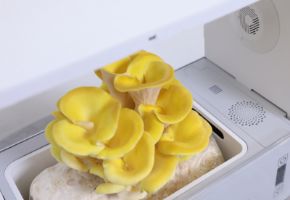
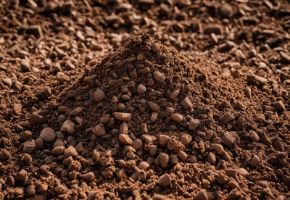
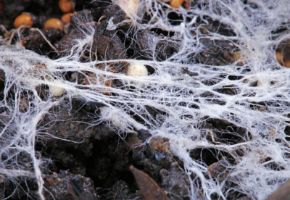
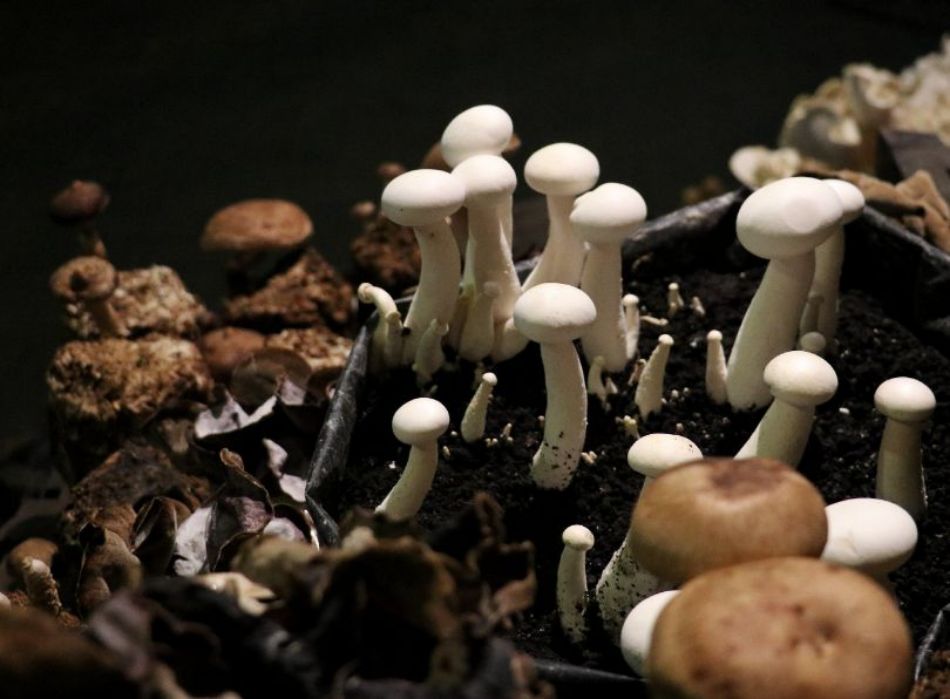
Growing mushrooms is no easy task: before diving into practical techniques, it is essential to understand that a fungus is not a plant. Belonging to the separate **Fungi kingdom**, its vegetative organism—the mycelium—is a network of cellular filaments called hyphae that grows through the substrate by secreting enzymes to break it down and absorb nutrients. This fundamental concept radically changes the cultivation approach. The fruiting phase, which produces the fruiting body we harvest and consume, is merely the final act of a complex life cycle, strictly dependent on specific environmental conditions. Ignoring this basic biology is the first and gravest mistake any aspiring mushroom grower can make. The cycle begins with a microscopic spore that, under favorable conditions of humidity, temperature, and pH, germinates to produce primary hyphae. These hyphae encounter hyphae of opposite mating compatibility, fuse (plasmogamy), and give rise to a fertile, dikaryotic secondary mycelium, which is the form that colonizes the substrate. Only when the mycelium has exhausted its nutritional resources or perceives an environmental cue (often a drop in temperature or a rise in CO₂ followed by fresh air exchange), hyphae begin to aggregate to form primordia—the "buds" of future mushrooms. These primordia then develop into mature fruiting bodies (carpophores), which in turn produce new spores. Each stage of this cycle requires precise environmental conditions. Mycelial growth is not left to chance. It is a biochemical process governed by precise laws. The optimal temperature varies by species: for the common Pleurotus ostreatus (Oyster mushroom), it ranges between 24°C and 27°C during colonization, while for the highly prized Lentinula edodes (Shiitake), it lies between 22°C and 26°C. Exceeding 30°C can become critical even for many thermophilic species, triggering thermal stress and promoting contaminants. Substrate moisture content should generally be between 60% and 75% during colonization. A substrate that is too dry halts growth; one that is too wet limits oxygenation and encourages anaerobic bacteria. pH is another crucial parameter: most lignicolous fungi prefer a slightly acidic substrate with a pH between 5.5 and 6.5. Alkaline conditions favor contaminants such as green molds (Trichoderma spp.). The data in this table derive from meta-analyses of scientific studies and technical industry manuals. Note how shiitake requires significantly longer colonization times—especially on woody substrates—and how button mushrooms need a more alkaline substrate initially, which is then acidified by mycelial activity. These differences underscore the importance of adapting techniques to the chosen species. Selecting the cultivation species is a strategic decision that affects every subsequent step. A beginner attempting to grow the delicate Morchella (morel) without proper equipment and knowledge is destined to fail. It is crucial to start with robust, fast-cycling species tolerant of minor microclimatic fluctuations. Pleurotus ostreatus remains the ideal candidate for beginners: it grows on a wide range of plant-based substrates (straw, coffee grounds, cardboard), has a short production cycle (from inoculation to first harvest in 4–5 weeks), and shows good resistance to contaminants. Other beginner-friendly species include Pleurotus djamor (pink oyster) and Hericium erinaceus, the latter particularly valued for its medicinal properties. The home hobbyist can afford to experiment with small batches, alternative substrates, and less-than-perfectly controlled environments. Commercial production, however, demands efficiency, scalability, and product standardization. For a small commercial operation, species like Agaricus bisporus (button mushroom) or Pleurotus eryngii (king oyster) offer good economic returns but require investments in climate-controlled growing rooms and meticulous management of sterility and labor. A 2021 study by CREA (Council for Agricultural Research and Economics) estimated that for a medium-sized Italian mushroom farm, production costs per kg of fresh mushrooms range from €2.50 to €4.50, depending on species and automation level, with retail prices for specialty mushrooms ranging from €6 to €15 per kg. A longitudinal study of 500 Italian hobbyist growers (2019–2023) provided revealing data on success rates based on the species chosen for first-time cultivation. Pleurotus ostreatus achieved a 78% success rate among beginners (defined as harvesting at least 200g of mushrooms per kg of initial dry substrate). Hericium erinaceus reached 65%, while the more demanding Lentinula edodes (shiitake)—even in pre-inoculated log format—achieved only 42% success on the first attempt. These figures do not suggest avoiding shiitake, but rather approaching its cultivation only after gaining experience with more forgiving species. The substrate is the organic material on which mycelium grows and from which it draws energy and nutrients to develop and fruit. Its preparation is perhaps the most critical phase of the entire process. A poorly prepared substrate is the primary vector for contamination that can destroy an entire crop. The main components of a substrate are a carbon source (cellulose, hemicellulose, lignin), a nitrogen source (in much smaller quantities, with an optimal C:N ratio ranging from 50:1 to 80:1 for lignicolous fungi), minerals, and water. The choice of raw materials must consider availability, cost, and compatibility with the target fungal species. There are two main approaches to substrate preparation: pasteurization and sterilization. Pasteurization (thermal treatment at 65–80°C for 1–2 hours, e.g., with hot water or low-pressure steam) does not eliminate all microorganisms but selects a thermotolerant microbial flora that is either beneficial or neutral, outcompeting potential contaminants. It is suitable for low-nutrient, naturally resistant substrates, such as wheat straw or hardwood sawdust. Sterilization (treatment at 121°C for 1–2 hours in an autoclave or pressure cooker) eliminates virtually all life forms in the substrate. It is mandatory for nutrient-rich, easily contaminated substrates—such as grains used to produce “spawn” (mycelial inoculum)—or for mixtures based on hay, coffee grounds, or high-protein supplements. The search for the “perfect recipe” is an ongoing exercise among mushroom growers. Below is a comparative table of common formulations and their average performance under controlled conditions for Pleurotus ostreatus: Yield is expressed as the percentage of fresh mushroom weight harvested relative to the initial dry substrate weight. A 25% yield means 250g of fresh mushrooms per 1kg of dry substrate. As shown, adding nitrogen-rich supplements (bran) significantly boosts yield but exponentially increases contamination risk, making sterilization almost essential. Spent coffee grounds, despite their high nitrogen content, often deliver disappointing yields when used alone due to their fine texture and tendency to compact, limiting mycelial oxygenation. Inoculation is the moment when viable mycelium is introduced into the prepared substrate. It must be carried out under maximum hygiene conditions to prevent airborne competitor mold spores—always present in the air—from colonizing the substrate faster than our mycelium. Incubation is the subsequent phase, during which the mycelium, starting from inoculation points, grows and spreads until it fully colonizes the substrate, forming a compact white mass. During this stage, temperature control and protection from contaminants take precedence over light and ambient humidity. The inoculum—called “spawn” in technical jargon—comes in several forms. Grain spawn (typically sterilized and colonized millet, rye, or sorghum) is the most common and versatile: the grains, rich in nutrients, act as vigorous launch points for mycelial growth. Sawdust spawn is specific for lignicolous fungi like shiitake and integrates better with woody substrates. For logs, pre-inoculated wooden dowels (plug spawn) are often used. Liquid culture (spores or mycelial fragments in sterile suspension) is mainly used in laboratories for strain propagation. For hobbyists, purchasing high-quality spawn from a reliable supplier is the best possible investment. The standard inoculation rate is about 3–5% of the substrate’s wet weight. The “still air box” (SAB) is a simple, low-cost tool that dramatically increases inoculation success rates. It consists of a transparent box (e.g., an old fish tank or plastic storage bin) placed upside-down on a table, with two arm holes cut into the sides. Inside the SAB, air remains relatively still, reducing the movement of contaminant spores. Before each use, the SAB must be thoroughly cleaned with 70% isopropyl alcohol and, if possible, misted with a diluted hydrogen peroxide solution to cause airborne particles to settle. Working near a Bunsen burner or candle flame inside the SAB provides additional protection, as the heat creates convection currents that push particles away from the work area. This simple setup can reduce inoculation contamination rates from 30–40% to below 10%. While incubation demands stability, fruiting requires a delicate balance of contrasting stimuli. A fully colonized mycelium block—called a “fruiting block” or “mushroom cake”—must perceive that it’s time to produce mushrooms to disperse spores. This “moment” is triggered by controlled stress. The main inducing factors are: a temperature drop (for temperate species), increased oxygen and reduced carbon dioxide (CO₂), elevated relative humidity (RH), and, for some species, exposure to light. Coordinating these parameters is the art of mushroom cultivation. 1. Temperature: many species require a 5–10°C drop from colonization temperature to initiate primordia formation. For Pleurotus, this means dropping from 24–27°C to 12–18°C—simulating autumn in nature. To monitor these parameters scientifically, instrumentation is essential. A digital thermo-hygrometer with an external probe costs under €20. A CO₂ meter (though pricier) is indispensable for enclosed cultivation. Many advanced growers automate climate control using digital controllers that manage humidifiers, fans, and lights. For the serious hobbyist, converting a room, cabinet, or grow tent into an efficient fruiting chamber is the decisive step. Core principles include: insulation (for temperature control), waterproofing (to maintain high humidity), ventilation (for air exchange and climate uniformity), and lighting. A common setup involves a cabinet lined with expanded polystyrene or a thick plastic sheet (e.g., pool liner). Inside, place a small ultrasonic humidifier controlled by a hygrostat, an internal circulation fan, and an exhaust fan on a timer for stale air removal (FAE). Cool-white LED lighting completes the system. A DIY setup like this can cost €150–300 and provides the precision needed even for demanding species. Harvest time is the final reward for weeks of mushroom cultivation effort. Harvesting at the right maturity stage is crucial for quality, flavor, and shelf life. Generally, mushrooms should be picked when the cap edge is still slightly curled downward—before it fully unfurls and begins releasing spores. Gently twisting the mushroom at the base without tearing large amounts of mycelium allows the “cake” to produce additional flushes (waves of fruiting). After harvest, the substrate is typically allowed to “rest” for several days under drier conditions, then rehydrated (if possible) and re-stimulated for a second flush. A well-prepared Pleurotus block can yield 3–4 flushes over 6–8 weeks. Contamination is public enemy number one. Early recognition can save part of the harvest or at least prevent spread. Green molds (Trichoderma spp.) are the most common: they start as small white spots that quickly turn green and powdery. Trichoderma is a natural fungal antagonist and, once established, cannot be eradicated. The only solution is immediate removal of the contaminated block from the growing area. Black molds (e.g., Rhizopus or Mucor) often indicate an overly wet substrate or incorrect pH. Bacterial infections appear as soft, dark, foul-smelling areas on the substrate or mushrooms themselves. Prevention—through rigorous hygiene and proper substrate preparation—is always superior to treatment. This table offers a quick reference for the most frequent issues. Remember: in mushroom cultivation, patience and observation are cardinal virtues. Keeping detailed notes for each cycle (dates, temperatures, formulations, problems encountered) is the most effective way to learn from mistakes and refine your technique cycle after cycle. Once the basics are mastered, the world of mycology opens up to fascinating experimentation—and mushroom cultivation truly becomes a rewarding endeavor. From outdoor log cultivation of Shiitake (yielding harvests for 4–6 years) to producing your own spawn at home from pure agar cultures, and even exploring rare species or mycorrhizal symbiosis with plants, the possibilities are vast. Cutting-edge applied research includes using fungi for bioremediation (soil decontamination), producing plastic-alternative materials (“mycelium leather”), and extracting bioactive compounds for pharmaceuticals. Mushroom cultivation is not just a hobby or agricultural activity—it’s a powerful biotechnology with immense potential for a sustainable future. Cultivating lignicolous mushrooms (shiitake, oyster, maitake, nameko) on hardwood logs is an ancient, eco-friendly, low-maintenance method. Freshly cut hardwood logs (oak, beech, hornbeam, alder)—harvested during dormancy (late autumn/winter) when sugar reserves are highest—are used. Logs of 10–20 cm diameter and ~1 meter length are drilled with holes, inoculated with sawdust spawn or pre-colonized wooden dowels, and sealed with beeswax. The logs are then stacked in a shaded, humid garden area and kept moist during dry periods. Colonization is slow (6–18 months), but yields are superior in quality and last for several years. This method suits growers with outdoor space who prefer a “natural rhythm” approach. The ultimate step toward self-sufficiency is learning to produce your own inoculum from an especially vigorous or productive mushroom. The cloning technique involves aseptically harvesting a sterile tissue fragment from inside the stem of a fresh mushroom (working in a SAB or, preferably, a laminar flow hood) and placing it onto sterilized nutrient agar in a Petri dish. After a few days, mycelium will grow from the tissue. Once purified from any contaminants, this mycelium can be transferred to sterilized grain to produce spawn. This process allows indefinite propagation of a high-performing strain and reduces spawn costs—but demands even stricter sterility and a small investment in basic lab equipment (agar, Petri dishes, pressure cooker). Mushroom cultivation is a journey of continuous discovery, blending scientific rigor with the practical joy of growing your own food. Start with easy species, invest in understanding biological processes, and maintain meticulous attention to hygiene and microclimate management—these are the keys to turning initial, inevitable trials and errors into healthy, abundant harvests. Remember: every failure contains valuable information. The global mycology community—online and offline—is generally very supportive and eager to share knowledge. Don’t hesitate to ask questions, research thoroughly, and—above all—patiently observe the wondrous growth process of these extraordinary organisms. This article was developed with the support of artificial intelligence and subsequently reviewed, corrected, and validated by the NaturNext.eu technical team, which guarantees its reliability and compliance with official sources.Growing mushrooms: understanding the life cycle
Critical factors in mushroom and mycelium cultivation: measurable data and parameters
Species Colonization temperature (°C) Fruiting temperature (°C) Substrate moisture (%) Fruiting air humidity (%) Optimal substrate pH Days to full colonization Pleurotus ostreatus (oyster) 24–27 12–18 65–75 85–95 5.5–6.5 14–21 Lentinula edodes (shiitake) 22–26 10–20 (with thermal shock) 60–70 80–90 5.0–6.0 60–120 (on logs) Agaricus bisporus (button mushroom) 24–25 15–18 60–65 85–90 6.5–7.0 (after casing) 14–17 Hericium erinaceus (lion’s mane) 20–24 18–22 60–70 85–95 5.5–6.5 14–21 Ganoderma lucidum (reishi) 26–30 22–28 60–70 85–95 4.5–5.5 20–30 Choosing the right species: selecting the ideal mycelium for mushroom cultivation
Mushroom cultivation for hobbyists vs. commercial production: cost-benefit analysis
Success rates by species: what the data shows
Substrate: the nutritional heart of mushroom cultivation
Substrate types and preparation: from pasteurization to sterilization
Recipes and formulations: comparative yield tables
Formulation Main components Estimated C:N ratio Avg. yield – 1st flush Cumulative yield (3 flushes) Colonization time (days) Notes Pure straw Chopped wheat straw 80:1 18% 25% 14–18 Simple, economical, but modest yield Straw + supplement Straw + 10% wheat bran 55:1 25% 38% 12–16 Higher contamination risk; requires sterilization Sawdust + supplement Beech sawdust + 20% rice bran 60:1 22% 35% 20–28 Slow colonization but prolonged fruiting Used coffee grounds Dehydrated spent coffee grounds 20:1 15% 22% 10–14 Fast but low yield; often used in blends Commercial formula Straw, cottonseed hulls, gypsum, mineral supplements 50:1 30%+ 45%+ 10–12 Optimized; higher cost Inoculation and incubation: seeding the mycelium
Inoculation techniques: grain spawn, sawdust spawn, plug spawn, and liquid culture
Building a DIY inoculation chamber: the "still air box"
Managing the microclimate for mushroom cultivation
The four pillars of fruiting climate: temperature, humidity, CO₂, and light
2. Relative humidity (RH): during fruiting, RH must be kept consistently high, between 85% and 95%. Insufficient RH causes primordia to dry out (appearing as small brown balls that fail to develop) or results in cracked cap margins. Excessively high RH (near 100% for prolonged periods), especially with poor ventilation, encourages mold and bacterial infections.
3. Carbon dioxide (CO₂): during incubation, high CO₂ levels (up to 10,000 ppm) from mycelial respiration favor vegetative growth. For fruiting, CO₂ must drop sharply—below 800–1,000 ppm—achieved through adequate fresh air exchange (FAE). Excess CO₂ during fruiting causes elongated, thin stems and small, deformed caps—a condition known as “stalling.”
4. Light: contrary to myth, mushrooms do not grow in total darkness. Light (not necessarily direct sunlight, but diffuse or cool-white LED) acts as a stimulus for fruiting body orientation and cap pigmentation. Typically, 100–500 lux for 10–12 hours per day—equivalent to a well-lit room—is sufficient.Designing an efficient fruiting chamber: basic principles
Harvesting, storage, and common issues: from theory to daily practice
Diagnosing and treating common problems and contamination
Troubleshooting common mushroom cultivation problems
Symptom/Problem Possible causes Solutions and prevention Mycelium not colonizing or colonizing very slowly Temperature too low or high; substrate too dry or wet; extreme pH; low-viability spawn; hidden bacterial contamination. Verify and adjust temperature. Check substrate moisture (should release a few drops when squeezed firmly). Always use fresh spawn from a reliable supplier. Re-evaluate substrate recipe. Primordia form but abort (turn brown and stop growing) Air humidity too low; sudden humidity swings; direct water spray on primordia; excess CO₂. Maintain constant 85–95% RH. Avoid wetting primordia directly. Increase fresh air exchange (FAE). Mushrooms with long, thin stems and small caps (“spindly” or “spaghettied”) Excessively high CO₂ during fruiting; insufficient lighting. Dramatically increase fresh air exchange. Add or extend duration of diffuse lighting (10–12h/day). Fungus gnats (sciarids) or other insects present Gnats attracted to moist substrate; poor hygiene. Cover bag air holes with micron filters. Use yellow sticky traps. Keep growing area clean. In severe cases, apply Bacillus thuringiensis israelensis (Bti), a biological insecticide. Substrate develops sour, putrid, or fermented odor Anaerobic bacterial contamination; insufficient pasteurization/sterilization; excessive compaction limiting oxygen. Ensure proper thermal treatment time and temperature. Avoid over-compressing substrate. Add agricultural gypsum (calcium sulfate) to improve structure. Advanced techniques and future perspectives in mushroom cultivation
Log and outdoor cultivation: the natural path
Producing your own spawn and mushroom cloning