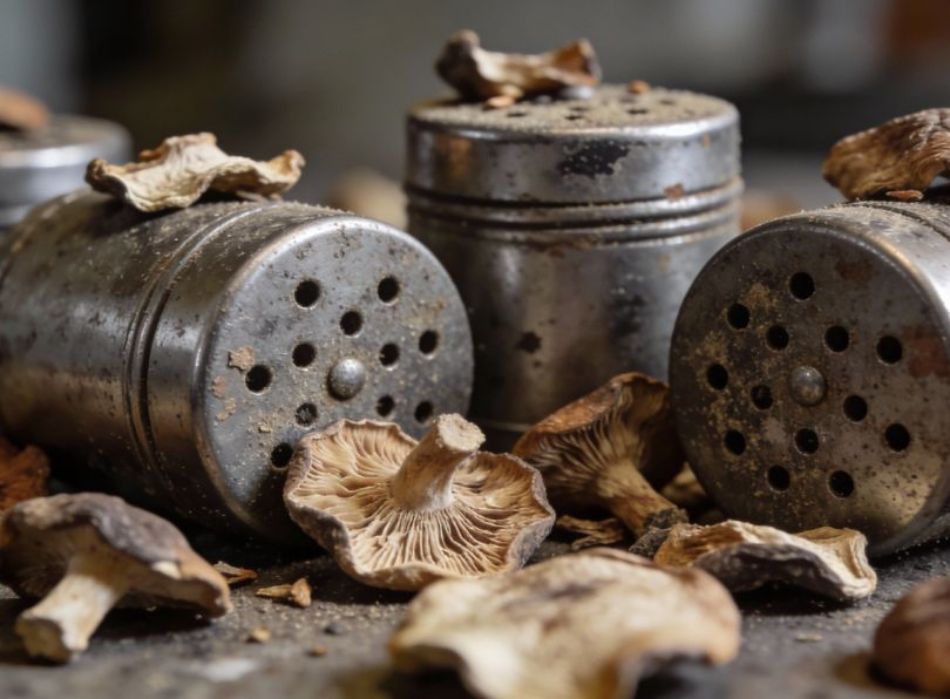
Today we'd like to introduce you to a useful tool for those who enjoy DIY: the grinder. In the vast and fascinating world of practical mycology, from harvesting to home cultivation, there's a crucial step following drying: reducing the mushroom to a more usable form. This is where this tool, often associated with other fields, comes in, but it's incredibly useful for the mushroom enthusiast.
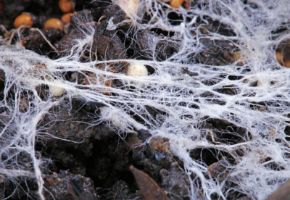
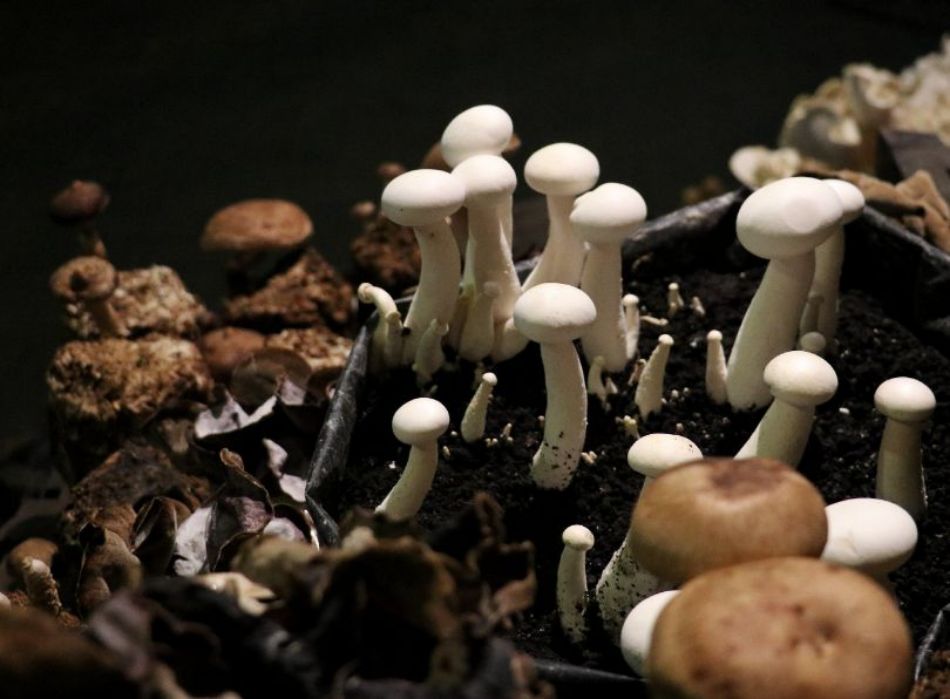
Growing mushrooms is no child's play: before diving into the practical techniques, it's essential to understand that a mushroom is not a plant. Belonging to the separate kingdom of Fungi, its vegetative organism, the mycelium, is a network of cellular filaments called hyphae that grows through the substrate, secreting enzymes to decompose it and absorb nutrients. This fundamental concept radically changes the cultivation approach. The fruiting phase, which produces the fruiting body we harvest and consume, is only the last stage of a complex life cycle, strictly dependent on specific environmental conditions. Ignoring this basic biology is the first and most serious mistake an aspiring mushroom grower can make.
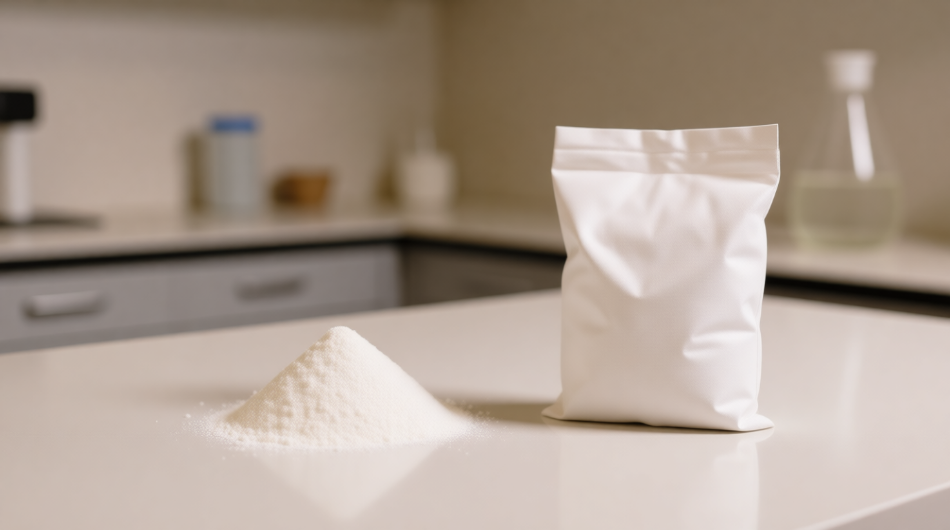
In the vast and fascinating world of mycoculture, substrate preparation is a crucial step that can determine the success or failure of an entire production cycle. Among the various substrate treatment techniques, one method that is gaining increasing acceptance among experienced growers and mycology enthusiasts is lime pasteurization. This alternative approach to traditional thermal techniques offers a unique combination of efficacy, operational simplicity, and economic sustainability, making it particularly suitable for both small-scale and more intensive production. In this article, we will explore in depth every aspect of this fascinating technique, from the chemical principles that govern its operation to its practical applications in different growing contexts, providing all the tools necessary to successfully implement this method into your growing routine.