



Neurogenesis in the hippocampus represents one of the most fascinating processes in human biology: the ability of the adult brain to generate new neurons in a region critical for memory and learning. In recent years, scientific research has begun to explore not only individual nutrients capable of supporting this process, but above all their interactions.
Among the most promising candidates, two protagonists emerge: Hericium erinaceus, known as Lion's Mane, and omega-3 fatty acids, particularly DHA. Their combination could represent an unprecedented synergistic strategy to support neuronal plasticity and long-term cognitive health. This article analyzes in depth the molecular mechanisms, preclinical and clinical evidence, and practical implications for mushroom enthusiasts, growers, researchers, and health professionals.
In this article...
1. Introduction: why the hippocampus and neurogenesis matter
The hippocampus is a deep brain structure located in the temporal lobe, historically associated with the formation of new memories and spatial navigation. One of the most revolutionary discoveries of modern neuroscience is that neurogenesis continues to occur in the adult hippocampus: the process through which neural stem cells differentiate into new functional neurons. This phenomenon, first documented in rodents and later confirmed in humans, is of crucial importance for brain plasticity, mood, and cognitive resilience.
Neurogenesis in the adult hippocampus is regulated by a complex network of trophic factors, among which the Nerve Growth Factor (NGF) and the Brain-Derived Neurotrophic Factor (BDNF) stand out. These proteins play a fundamental role in neuronal survival, differentiation, and synaptogenesis. Reduced levels of NGF and BDNF have been associated with cognitive decline, depression, and neurodegenerative diseases, making these factors therapeutic targets of great interest.
In this context, research has turned toward natural compounds capable of modulating these pathways. Lion's Mane stands out for its documented ability to stimulate NGF synthesis, while omega-3 DHA is a structural constituent of neuronal membranes and a regulator of gene expression. Their combination raises a scientific question of primary importance: is there a synergy that amplifies the individual effects on neurogenesis?
2. Lion's Mane: the mushroom that stimulates NGF
Biology and bioactive compounds
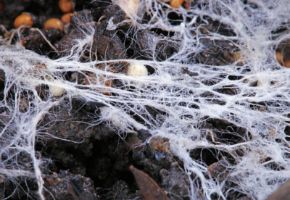
Hericium erinaceus is a basidiomycete fungus belonging to the family Hericiaceae, widespread in temperate regions of the northern hemisphere. Its common name, Lion's Mane, derives from the characteristic appearance of the fruiting body, covered with long white drooping spines that resemble a lion's mane. From a biochemical standpoint, the mushroom contains two main classes of secondary metabolites of neurobiological interest: hericenones (present in the fruiting body) and erinacines (present in the mycelium).
Hericenones are phenolic diterpenoids that, according to in vitro studies, are able to cross the blood-brain barrier and stimulate NGF synthesis in astrocytes and neurons. Erinacines, cyathane diterpenoids, show even more potent activity in promoting neuronal survival and neuritogenesis [citation:3]. The distinction between fruiting body and mycelium is crucial: most economical supplements contain mycelium grown on grain substrate, which may consist predominantly of grain starch rather than the mushroom's active compounds.
Mechanism of action: NGF and beyond
The main mechanism through which Lion's Mane exerts its neurotrophic effects is the stimulation of NGF synthesis. NGF is an essential neurotrophin for the growth, maintenance, and repair of neurons, particularly those of the peripheral nervous system and brain regions involved in cognition [citation:3]. Studies on mouse models have shown that oral supplementation with H. erinaceus extract for two months reverses age-associated recognition memory decline, with a concomitant increase in neurogenesis markers in the hippocampus and cerebellum.
In addition to NGF, Lion's Mane also modulates the expression of BDNF, another trophic factor critical for synaptic plasticity and neurogenesis. The simultaneous activation of NGF and BDNF by the mushroom's compounds creates a neurotrophic environment favorable to the survival of new neurons. Furthermore, the mushroom exerts anti-inflammatory and antioxidant effects in nervous tissue, reducing the neuroinflammation that hinders neurogenesis.
Preliminary clinical evidence
Although research on Lion's Mane is still in its embryonic stage compared to that on other compounds, some clinical trials have provided encouraging results. A 2009 randomized controlled study on 30 Japanese adults with mild cognitive impairment showed that taking 1 gram per day of fruiting body powder for 16 weeks significantly improved cognitive scores compared to placebo, with a return to baseline values after discontinuation. Another study reported improvements in depression, anxiety, and sleep disorders in overweight adults after 8 weeks of supplementation.
However, the scientific community maintains a cautious attitude: most studies are small, short-term, and conducted on specific populations. The oral bioavailability of the active compounds and their actual ability to cross the blood-brain barrier in humans remain areas of active research.
3. Omega-3 DHA: the architect of neuronal membranes
Structural and functional role in the brain
DHA (docosahexaenoic acid) is a long-chain polyunsaturated fatty acid of the omega-3 family. In the human brain, DHA accounts for approximately 40% of total polyunsaturated fatty acids, with particularly high concentrations in the membranes of neurons and synapses. Its presence is indispensable for maintaining membrane fluidity, synaptic transmission, and neuronal plasticity.
Unlike Lion's Mane, DHA does not directly stimulate neurotrophin synthesis, but creates the structural and functional conditions for neurogenesis and synaptogenesis to occur efficiently. DHA-rich neuronal membranes favor the formation of dendritic spines, neuritic arborization, and the transmission of trophic signals.
DHA and hippocampal neurogenesis
Studies on animal models have provided convincing evidence of DHA's role in adult hippocampal neurogenesis. fat-1 transgenic mice, capable of endogenously converting omega-6 into omega-3, show significantly higher DHA levels in the hippocampus compared to wild-type controls [citation:10]. These animals exhibit an increased number of BrdU-positive cells in the subgranular zone of the dentate gyrus, indicating greater cell proliferation. Furthermore, the density of dendritic spines in CA1 pyramidal neurons is significantly higher, suggesting enhanced neuritogenesis.
In parallel, in vitro experiments have shown that DHA treatment of embryonic stem cells undergoing neuronal differentiation significantly increases the length, number, and branching of neurites, with a 174% increase in the neuritogenic index compared to controls. These data support the hypothesis that DHA is not only a structural constituent but a true active modulator of neuroplasticity.
DHA and BDNF: a direct link
In addition to its structural role, DHA directly regulates BDNF expression. A meta-analysis found that omega-3 supplementation significantly increases serum BDNF levels, with studied doses ranging from 1 to 2 grams per day of EPA+DHA. BDNF is a crucial trophic factor for the survival of new neurons and for synaptic plasticity, and its up-regulation by DHA represents a mechanism through which omega-3s can positively influence neurogenesis.
4. Molecular synergy: NGF, BDNF, and neurogenesis
Why the combination may be greater than the sum of its parts
The synergy between Lion's Mane and omega-3 DHA is based on complementary mechanisms that act on different phases of the same process. Lion's Mane stimulates the production of NGF and BDNF, providing the trophic signals necessary for the survival and differentiation of new neurons. DHA, on the other hand, builds cell membranes, promotes the formation of synapses and dendritic spines, and regulates gene expression in a way that supports neuronal plasticity.
Without adequate structural support (DHA), the trophic signals induced by Lion's Mane might not translate into a functional neuronal network. Conversely, without the trophic signals (NGF/BDNF), DHA alone might not be sufficient to promote the survival of new neurons. The combination therefore addresses two complementary bottlenecks of neurogenesis: cell survival and structural integration.
Signaling pathways involved
The signaling pathways activated by both compounds converge on key pathways of neuroplasticity:
- TrkB/BDNF pathway: BDNF, whose expression is stimulated by both Lion's Mane and DHA, activates the TrkB receptor, triggering signaling cascades that promote neuronal survival, neuritic growth, and synaptic plasticity [citation:2][citation:10].
- NGF/TrkA pathway: NGF stimulated by hericenones and erinacines activates the TrkA receptor, supporting the differentiation and maintenance of cholinergic neurons, particularly relevant for memory and learning.
- Modulation of inflammation: both Lion's Mane and DHA reduce neuroinflammation, creating a permissive environment for neurogenesis.
The role of the blood-brain barrier
A critical aspect of the synergy concerns the brain bioavailability of the compounds. Erinacines, present in the mycelium, have been documented as capable of crossing the blood-brain barrier in animal models, while hericenones from the fruiting body may have limited penetration [citation:15]. DHA, for its part, is actively transported across the blood-brain barrier, but the efficiency of this transport decreases with age [citation:4]. The combination could theoretically compensate for these individual limitations, but specific studies are needed to confirm this hypothesis in humans.
5. Scientific evidence and preclinical data
Studies on animal models
The scientific literature offers several interesting insights, although research specifically on the Lion's Mane + omega-3 combination is still limited. Separate studies have shown that both compounds promote hippocampal neurogenesis in rodents [citation:9][citation:10]. Supplementation with H. erinaceus has been shown to reverse recognition memory decline in frail elderly mice, with an increase in cell proliferation markers (PCNA) and immature neuron markers (doublecortin) in the hippocampus. DHA, as discussed, increases cell proliferation in the subgranular zone and dendritic spine density.
| Study | Model | Intervention | Main result |
|---|---|---|---|
| Brandalise et al. (2019) | Frail elderly mice | H. erinaceus standardized (erinacine A, hericenone C and D) for 2 months | Reversal of recognition memory decline; increased neurogenesis in hippocampus and cerebellum |
| He et al. (2009) | fat-1 transgenic mice | Elevated endogenous DHA levels | Increased cell proliferation in the SGZ; increased CA1 dendritic spine density; up-regulation of synaptic genes |
| Mori et al. (2009) | Humans (n=30, mild MCI) | 1 g/day fruiting body powder for 16 weeks | Improvement in cognitive scores vs placebo; reversal after discontinuation |
Limitations of current evidence
Research on the specific combination of the two compounds is virtually nonexistent in the literature. Most studies examine individual nutrients, and systematic reviews emphasize the need for interaction studies that map the relationships between molecules at the cellular and molecular level. Furthermore, interindividual variability in DHA absorption, brain transport, and response to Lion's Mane compounds represents a significant challenge for future research.
It is important to note that clinical evidence for omega-3s in the prevention of cognitive decline is mixed: while some observational studies suggest benefits, clinical trials in patients with overt Alzheimer's have not shown efficacy. This does not exclude a preventive or supportive role in early stages, but calls for caution in expectations.
6. Growing Lion's Mane: a guide for hobbyists and growers
Basic requirements for home cultivation
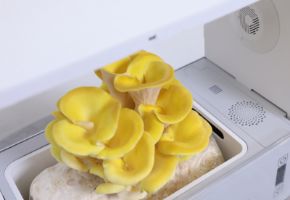
For mushroom enthusiasts and hobbyist growers, growing Lion's Mane at home is an accessible and rewarding experience. The mushroom prefers substrates based on hardwood sawdust (oak, beech, maple, birch) enriched with wheat or oat bran. Ready-to-use kits represent the simplest way to start, but more experienced growers can prepare their own substrate and inoculate with grain spawn.
Optimal environmental conditions include: temperature between 16 and 21°C, relative humidity between 70 and 90%, indirect natural light, and good air circulation. Fruiting typically occurs within 1-2 weeks of kit activation, with fruiting bodies maturing in about 7-10 days.
Fruiting cycle and harvest
The Lion's Mane production cycle involves an abundant first fruiting, followed by one or two successive flushes if the block is rehydrated and subjected to cold shock. Harvesting should be done when the spines are still white and compact, before they begin to yellow or release spores. For sustainable cultivation, it is essential to maintain rigorous hygienic conditions to prevent contamination by competing molds.
From fruiting body to extract: quality considerations
For those who wish to incorporate Lion's Mane into their routine, product choice is crucial. Fruiting body extracts standardized for beta-glucans (≥25%) are preferable to products based on mycelium on grain alone, which may contain primarily starch [citation:14]. Transparency about the part used (fruiting body vs mycelium) and extraction methods (hot water, ethanol) are fundamental quality indicators.
7. NaturNext Products: quality and traceability
NaturNext.eu is committed to providing high-quality fungal products, with particular attention to traceability and transparency. For those who wish to explore the benefits of Lion's Mane and omega-3s, the e-commerce offers a curated selection of supplements and cultivation kits. Each product is accompanied by detailed information on origin, cultivation methods, and extraction processes used.
Among the flagship products, we highlight:
- Lion's Mane extract (Hericium erinaceus) – fruiting body: extract standardized from fruiting body, with declared beta-glucan content.
- High-DHA omega-3: supplement based on purified fish oil, with a balanced EPA/DHA ratio for cognitive support.
- Lion's Mane cultivation kit: for hobbyists and enthusiasts who wish to grow this mushroom at home, with detailed instructions and technical support.
The philosophy of NaturNext.eu is based on the conviction that the quality of raw materials and informational transparency are essential for anyone who wants to integrate medicinal mushrooms into their life consciously. To learn more about the characteristics of each product, visit the dedicated pages on the website.
8. Frequently asked questions (FAQ)
Can I take Lion's Mane and omega-3 at the same time?Yes, no negative interactions are known between the two compounds. In fact, their combination is a subject of scientific interest precisely because of the potential synergy. However, it is always advisable to consult a healthcare professional before starting any supplementation, especially if you are taking medications or have pre-existing conditions. |
Which part of Lion's Mane is more effective: fruiting body or mycelium?Research suggests that both parts contain active compounds, but with different profiles. The fruiting body is rich in hericenones, while the mycelium contains erinacines. Quality supplements should specify the part used and standardize the beta-glucan content. Fruiting body extracts with beta-glucans ≥25% are generally considered a reliable choice [citation:14]. |
How much DHA is needed to support neurogenesis?Studies that have observed effects on BDNF and neuroplasticity have used doses ranging from 1 to 2 grams per day of combined EPA+DHA [citation:2]. However, individual needs vary based on diet, health status, and genetic factors. General guidelines suggest an intake of 250-500 mg of EPA+DHA per day for the healthy population, but higher doses may be appropriate in specific contexts, under professional supervision. |
Does cooking Lion's Mane alter its properties?Cooking can partially degrade some heat-labile compounds, but Lion's Mane is commonly consumed cooked for its seafood-like flavor. To maximize the intake of bioactive compounds, supplements use cold or controlled-temperature extraction processes. If consuming the fresh mushroom, brief cooking at moderate temperatures is preferable to preserve the nutritional profile. |
How long does it take to observe cognitive effects?Clinical studies on Lion's Mane have observed cognitive effects after 8-16 weeks of continuous supplementation [citation:14][citation:27]. For omega-3s, effects on neuroplasticity are likely even more gradual, requiring constant supplementation for months. It is important to adopt realistic expectations: these compounds support slow biological processes and do not act as immediate stimulants. |
9. Future perspectives and conclusions
The synergy between Lion's Mane and omega-3 DHA represents a fascinating frontier of research on neurogenesis and cognitive health. While the individual evidence for each compound is promising but still being consolidated, the combination offers a solid biological rationale: simultaneously providing the trophic signals (NGF/BDNF) and the structural support (DHA) necessary for the formation of new functional neurons in the hippocampus.
Future research will need to address crucial questions: what are the optimal doses for synergy? Are there populations that benefit most from this combination? How do these compounds interact with the gut microbiota, increasingly recognized as a modulator of neuroinflammation and neurogenesis? Interaction studies, currently lacking, will be essential to transform a biologically plausible hypothesis into an evidence-based recommendation.
For mushroom enthusiasts, growers, and researchers, Lion's Mane continues to be an extraordinary organism, whose biochemical complexity deserves to be explored with scientific rigor and curiosity. Nature offers powerful tools, but it is through rigorous research and an informed approach that we can use them safely and effectively.
This article was developed with the support of artificial intelligence and subsequently reviewed, corrected, and validated by the technical team of NaturNext.eu, which guarantees its reliability and compliance with official sources.
The kingdom of fungi is a universe in continuous evolution, with new scientific discoveries emerging every year about their extraordinary benefits for gut health and general well-being. From now on, when you see a mushroom, you will no longer think only of its flavor or appearance, but of all the therapeutic potential it holds within its fibers and bioactive compounds. ✉️ Stay connected - Subscribe to our newsletter to receive the latest studies on: Nature offers us extraordinary tools to take care of our health. Mushrooms, with their unique balance between nutrition and medicine, represent a fascinating frontier that we are only beginning to explore. Keep following us to discover how these extraordinary organisms can transform your approach to well-being.Continue your journey into the world of mushrooms