



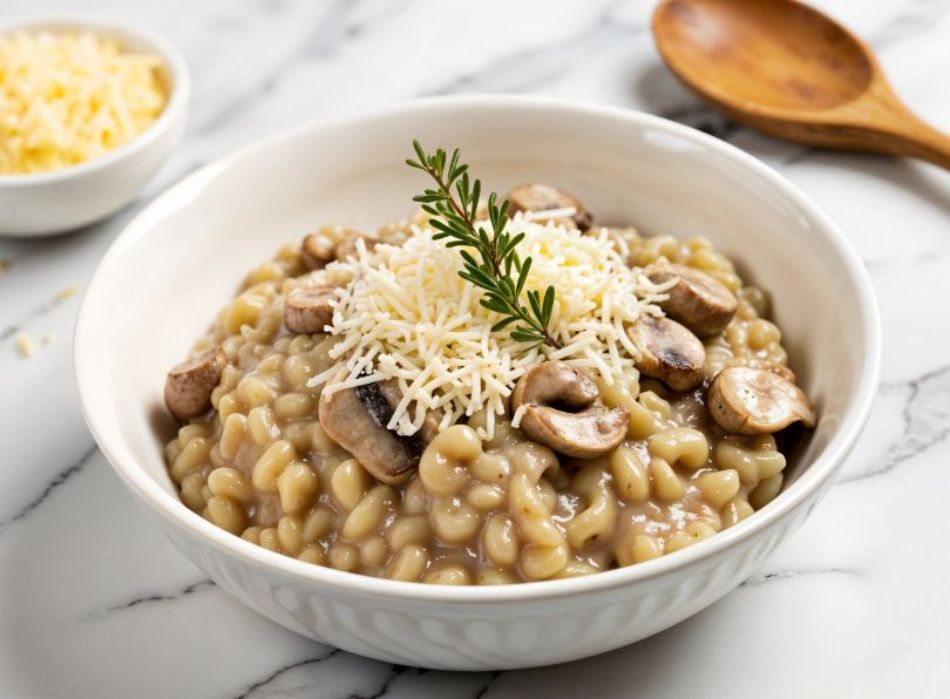
Today, we delve into one of the oldest and most noble dishes of peasant and mountain tradition: barley and mushroom soup. Indeed, pearled barley soup represents a perfect synergy between a cereal with extraordinary properties and the fungal kingdom, with its chemical and organoleptic complexity. We will discuss soaking times, mushroom drying techniques, preferred edible varieties, beta-glucans, glycemic index, providing data, tables, and scientific references. Prepare for a detailed, information-rich journey designed for those wishing to deepen their knowledge and practice—both in the kitchen and in the woods.
Barley and mushroom soup: an ancient recipe
Before exploring technique, it is essential to understand the "why" behind this pairing. Barley (Hordeum vulgare) is among the oldest cereals cultivated by humankind—resilient and suited to harsh climates. Mushrooms, though not botanically plants, have long been gathered as dietary complements in subsistence cultures. Their union in a barley and mushroom soup recipe arose from the practical need to create a complete, nourishing, satiating dish with good keeping qualities—but also from empirical wisdom recognizing the complementarity between the earthy aromas of mushrooms and barley’s neutral sweetness. A 2018 study published in the *Journal of Ethnobiology* highlights how cereal-and-mushroom soups were common across temperate European regions, often prepared as ritual or medicinal dishes.
Pearled barley: processing method and nutritional impact
When discussing pearled barley soup, it is crucial to understand the ingredient itself. Pearled barley results from a refining process that removes bran and germ through mechanical polishing ("pearling"). This yields its characteristic smooth, pale appearance, reduces cooking time (no pre-soaking required), but alters the nutritional profile compared to whole-grain or hulled barley.
| Nutrient | Whole-grain barley | Pearled barley |
|---|---|---|
| Energy (kcal) | 354 | 352 |
| Fiber (g) | 17.3 | 9.1 |
| Protein (g) | 12.5 | 9.9 |
| Beta-glucans (g)* | ~5–11 | ~3–7 |
| Glycemic Index (estimated) | 25–30 (low) | 35–40 (medium-low) |
*Beta-glucans are soluble fibers essential for cholesterol and blood sugar regulation. Although pearling reduces their content, pearled barley remains a significant source. For further insight into barley cultivation and varieties, we recommend the detailed article on the website of the Council for Agricultural Research and Economics (CREA).
Choosing mushrooms: a practical mycological guide
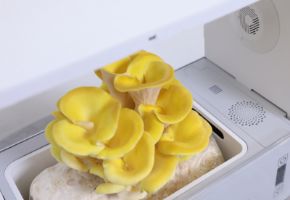
For our barley soup recipe, mushroom selection is critical. Not all mushrooms are equal in flavor, texture after prolonged cooking, or chemical profile. Choices fall into three main categories: porcini mushrooms (Boletus edulis and related species), rustic gilled mushrooms (e.g., Cantharellus cibarius, chanterelles), and cultivated varieties (e.g., Pleurotus ostreatus, oyster mushroom). Porcini offer unparalleled aroma but are costly; chanterelles hold up well during cooking, retaining pleasant firmness; oyster mushrooms are economical and rich in lovastatin, a compound studied for cholesterol management.
The home-drying technique, widely practiced by mushroom enthusiasts, concentrates flavors: 20g of dried porcini, once rehydrated, equate to approximately 200g of fresh mushrooms. For a reliable taxonomic guide to species identification—an indispensable resource for every forager—we refer you to the website of the Italian Mycological Association (AMINT).
What are the health benefits of barley soup?
This dish is more than comfort food—it is a true functional food: an item offering potential health benefits beyond basic nutrition. These advantages stem from the synergistic action of its core components.
Barley beta-glucans: cholesterol-lowering and glycemic effects
Barley’s most researched component is soluble fiber, particularly beta-glucans. These long glucose chains form a viscous gel in the digestive tract that:
1. Reduces LDL cholesterol absorption (the so-called "bad cholesterol") by binding to bile acids and promoting their excretion. The EFSA (European Food Safety Authority) states: "Consumption of barley beta-glucans contributes to the maintenance of normal blood cholesterol levels."
2. Modulates glycemic response by slowing gastric emptying and sugar absorption. A serving of barley and mushroom soup has a moderate glycemic index, suitable even for those managing blood sugar.
3. Promotes satiety and supports intestinal transit, nurturing gut microbiota health. A single 80g serving of raw pearled barley provides ~7–8g of fiber—over 25% of the recommended daily intake.
Mushroom bioactive compounds: antioxidants, selenium, and vitamin D
The fungal kingdom is a treasure trove of bioactive molecules. Beyond high-biological-value proteins (containing all essential amino acids, albeit in non-optimal ratios), mushrooms are rich in:
- Ergothioneine: a potent antioxidant unique to fungi, protecting cells from oxidative stress.
- Selenium: an essential trace mineral vital for thyroid function and antioxidant defense (glutathione peroxidase activity).
- Vitamin D2 (ergocalciferol): mushrooms exposed to UV light (sunlight or lamps) synthesize this vitamin, crucial for bone and immune health. Dishes like this soup can contribute meaningfully to intake of a nutrient often deficient in diets.
For an updated scientific overview of mushrooms’ nutraceutical properties, an excellent reference is the Humanitas Research Hospital portal, featuring in-depth nutrition-focused sections.
Synergy and bioavailability: why the whole is greater than the sum of its parts
Long, slow cooking in a rich broth (ideally homemade with bones or vegetables) offers another advantage: it extracts minerals and water-soluble compounds, enhancing their bioavailability. Additionally, extra virgin olive oil fat is essential for absorbing fat-soluble vitamins (like vitamin A precursors in carrots) and numerous antioxidant compounds present in both mushrooms and the aromatic base. This makes the barley soup recipe not only flavorful but also a highly bioavailable nutrient delivery system.
How to cook barley soup?
Cooking barley appears simple but holds technical nuances that distinguish a mediocre soup from an exceptional one. Unlike hulled barley, pearled barley requires no pre-soaking—but this does not make cooking trivial.
Toasting the grain: the secret step for aroma
A frequently overlooked step in preparing pearled barley soup is toasting the grain before adding liquid. After sautéing the aromatic base and mushrooms, add the dry barley and toast over medium heat for 1–2 minutes, stirring constantly. This step:
1. Lightly seals the grain surface, reducing the risk of excessive disintegration during cooking.
2. Develops new aromatic compounds via the Maillard reaction, imparting a nuanced toasted-nut note.
3. Helps preserve slight chewiness in the grain, ensuring pleasant mouthfeel even after extended cooking.
Liquid management and cooking time: the ratio rule
For pearled barley, the ideal grain-to-cooking-liquid ratio is 1:3 (e.g., 200g barley to 600ml broth). However, in a vegetable-rich soup (mushrooms, tomatoes) that releases moisture—and accounting for evaporation during slow cooking—it is prudent to begin with a 1:4 or even 1:5 ratio. Our recipe uses 200g barley to 1.5L broth (1:7.5) to achieve a brothy consistency, anticipating liquid loss over 50 minutes. Pearled barley in soup requires 45–55 minutes of gentle simmering with the lid on. Grains should be tender but not mushy. Gradual absorption of flavor-rich broth is what creates the dish’s final depth.
Servings and proportions: how many grams of barley per person?
Determining how many grams of barley per person is crucial for balancing the dish, managing leftovers, and calculating cost per serving. The answer depends on context.
Standard serving and variables
As a general rule for barley soup served as a main course (e.g., lunch), use 70–80 grams of raw pearled barley per person. This triples in volume and weight when cooked, yielding a satisfying ~300–350g finished portion. If served as a first course within a larger menu, reduce to 50–60 grams per person. For children or lighter appetites, 40–50 grams suffice. Remember: raw barley absorbs significant water—80g raw becomes ~220–240g cooked, plus added weight from mushrooms, vegetables, and residual broth.
Serving calculation and tips
For 4 people as a main course: 4 × 80g = 320g pearled barley. The ideal fresh mushroom-to-barley weight ratio is 2:1. Thus, for 320g barley, use approximately 600–650g mixed fresh mushrooms. With dried mushrooms (rehydration ratio ~1:10), use 60–65g dried. For home mushroom cultivators (e.g., of oyster or shiitake mushrooms), this recipe is an excellent way to use surplus harvests. A single productive oyster mushroom log can yield 300–400g per flush—enough for half a recipe.
Barley: a deeper look at the grain
Barley is a source of tocotrienols and tocopherols (vitamin E forms), potent fat-soluble antioxidants. It also contains a notable amount of magnesium (~133 mg per 100g raw pearled barley), a mineral involved in over 300 enzymatic reactions—including energy production and protein synthesis.
Barley and gut health: the prebiotic role
Barley’s fibers—both soluble and insoluble—act as prebiotics, nourishing beneficial gut bacteria (notably Bifidobacteria and Lactobacilli). A healthy gut microbiota correlates not only with improved digestion but also with a stronger immune system, reduced systemic inflammation, and even better mood regulation. Regularly consuming barley and mushroom soup, rich in these fibers, is thus a holistic gesture of care for the entire body.
Summary table: key benefits of regular pearled barley consumption (evidence-based)
| Active component | Primary effect | Significant amount* | Notes |
|---|---|---|---|
| Beta-glucans | Reduces LDL cholesterol, modulates blood sugar | ≥ 3g per day | One 80g raw serving provides ~2.5–5g |
Insoluble fiber | Bowel regularity, increased stool bulk | 25–30g per day (total fiber) | Contributes to daily total intake |
| Magnesium | Supports muscle/nerve function, energy synthesis | 300–400 mg per day (RDA) | 80g raw barley covers ~35% of RDA |
| Tocopherols | Antioxidant, protects cell membranes | 15 mg per day (RDA Vit. E) | Secondary but meaningful source |
*RDA: recommended daily allowance for an average adult.
The barley and mushroom soup recipe
After these essential foundations, here is the detailed, technique-focused barley and mushroom soup recipe—crafted for those who seek not just a list of ingredients, but to understand the "how" and "why" behind each step.
Ingredients
For 4 people as a main course:
- Pearled barley: 320g (80g per person). We recommend high-quality, preferably Italian-sourced barley.
- Mixed fresh mushrooms: 650g. Suggested ratio: 50% intensely flavored mushrooms (e.g., porcini or Boletus aestivalis), 30% rustic gilled varieties (e.g., chanterelles or Craterellus cornucopioides, black trumpet), 20% cultivated mushrooms for texture (e.g., oyster mushroom).
- Broth: 1.8 liters. Preferably homemade chicken or beef broth for gelatin-rich body; high-quality vegetable broth is a suitable alternative.
- Vegetables for the soffritto (finely chopped aromatic base): 1 golden onion (150g), 2 carrots (150g), 2 celery stalks (100g), 2 garlic cloves—all finely knife-chopped (not blended) for optimal texture.
- Fat: 3 tbsp (45ml) medium-fruity extra virgin olive oil.
- Aromatics: 1 fresh rosemary sprig, 2 fresh sage leaves, 1 bay leaf—tied with kitchen twine for easy removal (bouquet garni).
- Wine: 80ml dry white wine (e.g., Pinot Grigio), for deglazing and adding acidity.
- Final seasonings: unrefined sea salt, freshly ground black pepper, chopped fresh parsley (10g).
Method
Follow these steps to create a fragrant, nourishing barley and mushroom soup.
Phase 1: mushroom preparation (duration: 15 minutes)
Do not rinse mushrooms under running water, especially porcini, to avoid waterlogging. Clean gently with a soft brush and slightly damp cloth. Trim gritty stem bases. Slice mushrooms into 3–4 mm wedges or slices, respecting their natural shape. Reserve tougher stems—they can be finely minced and added to the soffritto to extract full flavor.
Phase 2: soffritto and sautéing (duration: 20 minutes)
In a heavy-bottomed pot (ideal: 5L cast iron or thick steel), warm oil over medium-low heat. Add onion, carrot, celery, and garlic. Sweat (do not fry) 8–10 minutes, stirring, until softened and translucent. Increase heat to medium-high, add all mushrooms. Key step: proper browning. Mushrooms will release liquid—cook until fully evaporated, then continue until mushrooms lightly caramelize and meld with the soffritto. This concentrates flavor and prevents a watery final soup. Estimated time: 10–12 minutes.
Phase 3: barley toasting and deglazing (duration: 3 minutes)
Add pearled barley to the pot with sautéed mushrooms. Stir well to coat each grain in fat; toast over medium heat for 90 seconds until a subtle nutty aroma emerges. Pour in white wine to deglaze—the wine will sizzle and nearly evaporate within ~1 minute, leaving only its aromatic essence.
Phase 4: slow simmering (duration: 55 minutes)
Pour in hot broth (must be boiling to maintain cooking temperature) to cover ingredients. Add bouquet garni. Bring to a gentle simmer, then immediately reduce heat to the lowest setting (liquid should barely bubble at the edges). Cover, leaving a 1cm gap for slight evaporation. Cook for 50 minutes, stirring gently every 15 minutes to prevent sticking. With 10 minutes remaining, taste and season with salt. Barley should be tender but intact; soup should be creamy—not watery, not dry.
Phase 5: final seasoning and serving (duration: 5 minutes)
Turn off heat. Remove bouquet garni. Add a generous grind of fresh black pepper. Let soup rest covered for 5 minutes—this allows grains to absorb residual liquid and flavors to harmonize. Serve in deep bowls, garnished with chopped parsley and, for enthusiasts, a final drizzle of raw extra virgin olive oil. For an ultimate mycological touch, top with paper-thin slices of raw seasonal mushroom (e.g., summer black truffle, Tuber aestivum, if available), freshly shaved.
Barley and mushroom soup: a dish worth rediscovering!
Today we’ve explored how barley and mushroom soup transforms a traditional dish into a gateway journey through mycology, botany, nutrition, and gastronomy. It is the thoughtful selection of ingredients, mastery of technique, and understanding of nutritional properties that elevate a simple soup into a rich, conscious experience. This dish celebrates personal harvests, exemplifies functional food principles, and stands as a testament to culinary technique and respect for raw materials.
The next time you prepare pearled barley soup, remember: do not skip any step—from grain toasting to perfect mushroom browning.
Happy foraging and happy cooking to all!
This article was developed with the support of artificial intelligence and subsequently reviewed, corrected, and validated by the NaturNext.eu technical team, which guarantees its reliability and compliance with official sources.