In this article, we'll delve into the fascinating world of the Wood Ear (also known as Jew's Ear or Chinese Black Mushroom), a fungus that has captivated mycologists, botanists, and gourmets for centuries. Scientifically known as Auricularia polytricha, this mushroom stands out for its unique shape, remarkable properties, and widespread distribution. Through a detailed analysis spanning taxonomy, biochemistry, ecology, and mycoculture applications, this text aims to be the definitive resource for anyone wishing to fully understand every aspect of this extraordinary organism. Our exploration will be enriched with quantitative data, comparative tables, and references to scientific studies, offering a holistic and in-depth view of the Wood Ear.
The Cansiglio Plateau, stretching between Veneto and Friuli-Venezia Giulia, offers a natural stage of rare beauty and ecological complexity in autumn. This article aims to provide an in-depth analysis of the environmental, mycological, and landscape dynamics that characterize this season, with a particular focus on the life-and-death cycle that governs the forest ecosystem. Through scientific data, field observations, and ecological considerations, we will explore the secrets of one of the most studied and appreciated forests in Italy.
Ratatouille with mushrooms -Wednesday, November 26, 2025 Ratatouille is one of the most iconic dishes of Provençal cuisine, but its mushroom-enriched version transforms this traditional dish into a culinary experience deeply rooted in the world of mycology. In this article, we'll explore every aspect of this dish, from the nutritional properties of individual ingredients to cooking techniques that preserve the mushrooms' bioactive compounds, creating a bridge between culinary tradition and mycological science.





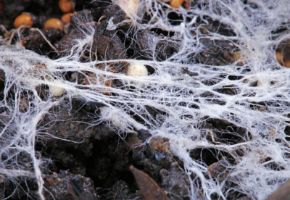

 – dati botanici, caratteristiche, morfologia, habitat, p_950.jpeg "Wood ear (Auricularia polytricha) – botanical data, characteristics, morphology, habitat, properties")