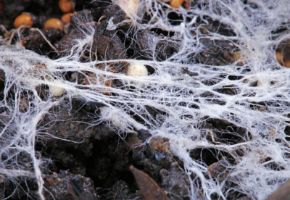
At a time when insecticide resistance threatens progress in the fight against malaria, the scientific community is exploring innovative approaches that harness the power of nature. Among the most promising solutions are entomopathogenic fungi, microorganisms specialized in parasitizing and killing insects. This article explores in depth how fungal species such as Metarhizium anisopliae and Beauveria bassiana are revolutionizing strategies for controlling malaria-carrying mosquitoes, offering a sustainable and effective alternative to chemical insecticides.
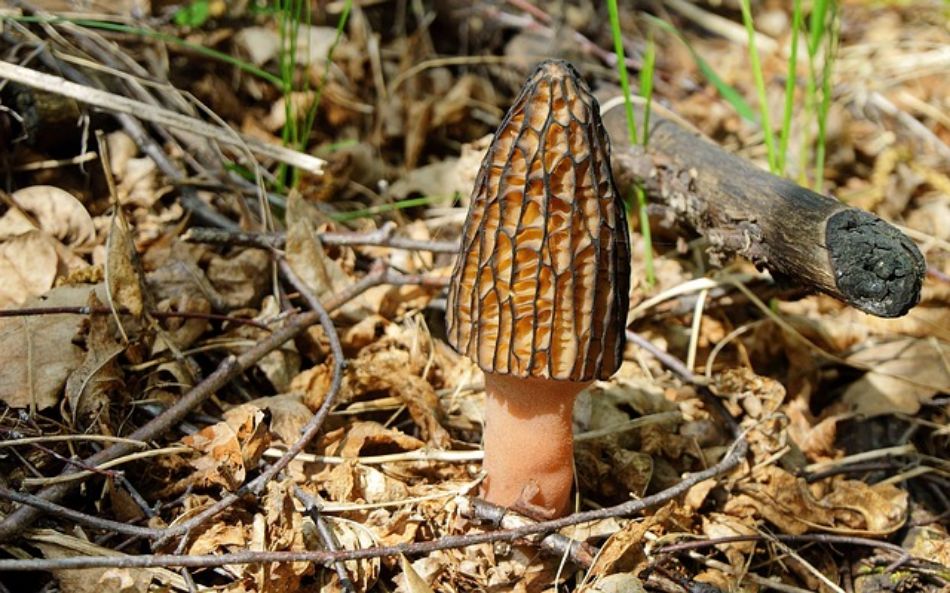
In the vast and fascinating kingdom of mushrooms, there are species that are not only delicious culinary ingredients, but also true powerhouses of well-being, capable of interacting with our deepest physiological processes. Among these, Morchella conica, a mushroom with an unmistakable sponge-like appearance, is emerging, in light of the latest scientific research, as one of the most valuable and potent natural sources of glutathione, a molecule essential for liver health and longevity. This article aims to explore, in extremely detailed and well-documented detail, the symbiotic relationship between this mysterious mushroom and our most important excretory organ, dissecting mechanisms of action, quantitative data, clinical studies, and potential applications in the fields of integrative medicine and mycotherapy.
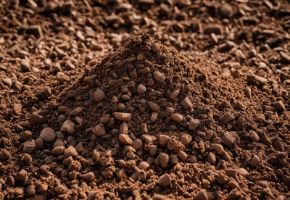
In the vast and fascinating world of mycoculture, substrate preparation is a crucial step that can determine the success or failure of an entire production cycle. Among the various substrate treatment techniques, one method that is gaining increasing acceptance among experienced growers and mycology enthusiasts is lime pasteurization. This alternative approach to traditional thermal techniques offers a unique combination of efficacy, operational simplicity, and economic sustainability, making it particularly suitable for both small-scale and more intensive production. In this article, we will explore in depth every aspect of this fascinating technique, from the chemical principles that govern its operation to its practical applications in different growing contexts, providing all the tools necessary to successfully implement this method into your growing routine.