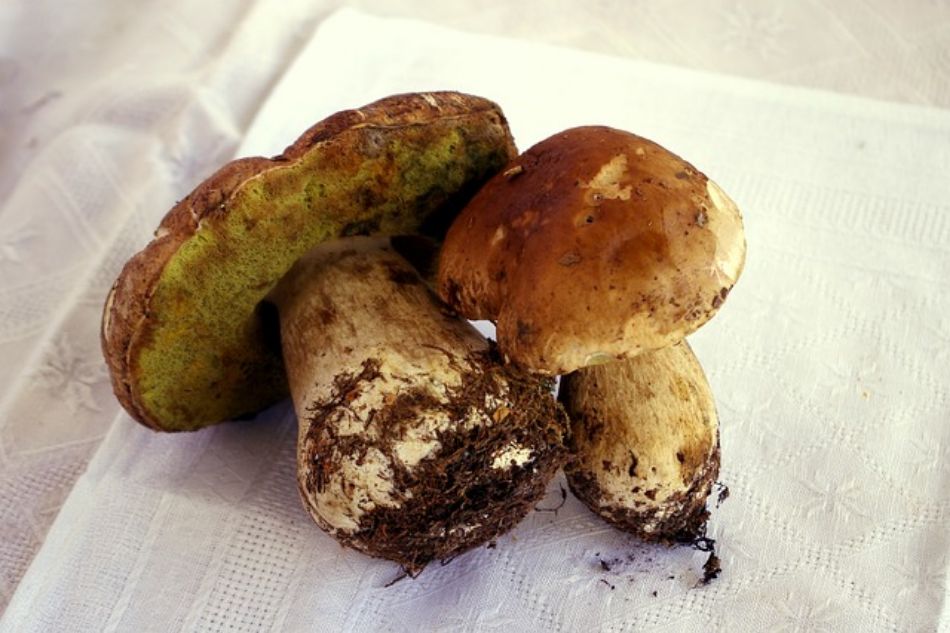
The porcini mushroom, scientifically known as Boletus edulis, has been the undisputed king of edible mushrooms for centuries, celebrated in cuisines around the world for its unmistakable aroma and meaty texture. However, beyond its universally recognized culinary qualities, this mushroom conceals a treasure trove of beneficial properties that science is only recently beginning to uncover. In this article, we will explore in depth the extraordinary antioxidant properties of porcini mushrooms, analyzing their biochemical composition, mechanisms of action, and potential benefits for human health, supporting each claim with scientific data and research studies.
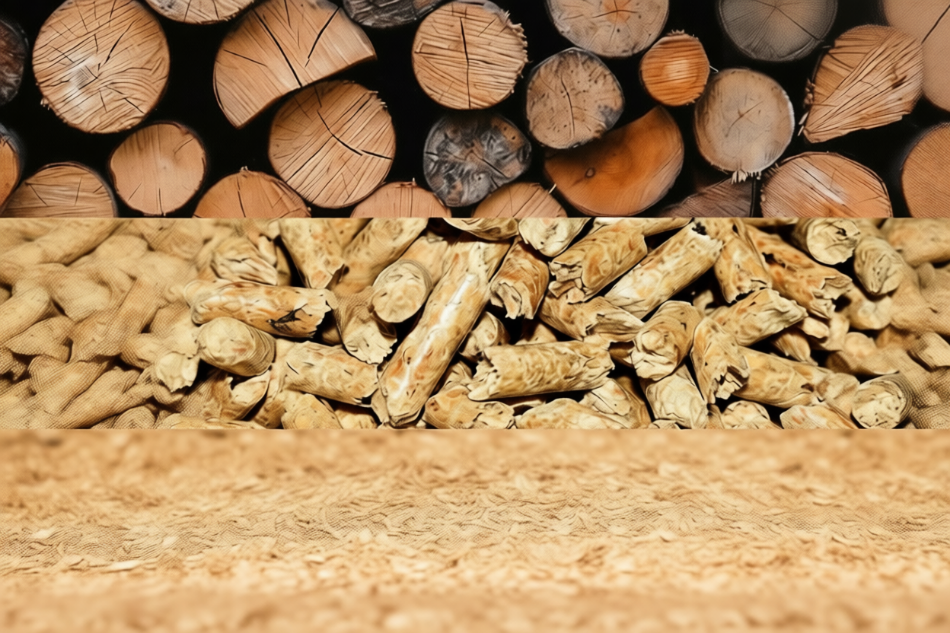
Woody substrates represent one of the fundamental foundations for growing numerous mushroom species, providing essential nutritional support for mycelium development and subsequent fruiting. In this article, we will explore in depth the characteristics, properties, and methods of use of the three main woody substrates: sawdust, shavings, and wooden sticks. Through a detailed analysis of their compositions, preparation processes, and inoculation techniques, we will provide a comprehensive guide for mushroom growers and enthusiasts who wish to deepen their knowledge of mushroom cultivation on woody substrates.
The willow bracket, scientifically known as Phellinus igniarius, is one of the most fascinating and complex wood-dwelling fungi in the European mycological landscape. This perennial polypore, which owes its common name to the characteristic bracket shape it assumes when growing on tree trunks, is not only an organism of great scientific interest but also a species with remarkable medicinal properties, the subject of increasingly in-depth studies. In this fact sheet, we will explore in detail every aspect of this extraordinary fungus, from its taxonomy and ecology, from its morphological characteristics to its pharmacological applications.




 – dati botanici, caratteristiche, morfologia, habitat, propr_950.jpeg "Willow bracket (Phellinus igniarius) – botanical data, characteristics, morphology, habitat, properties")