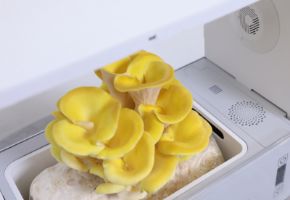
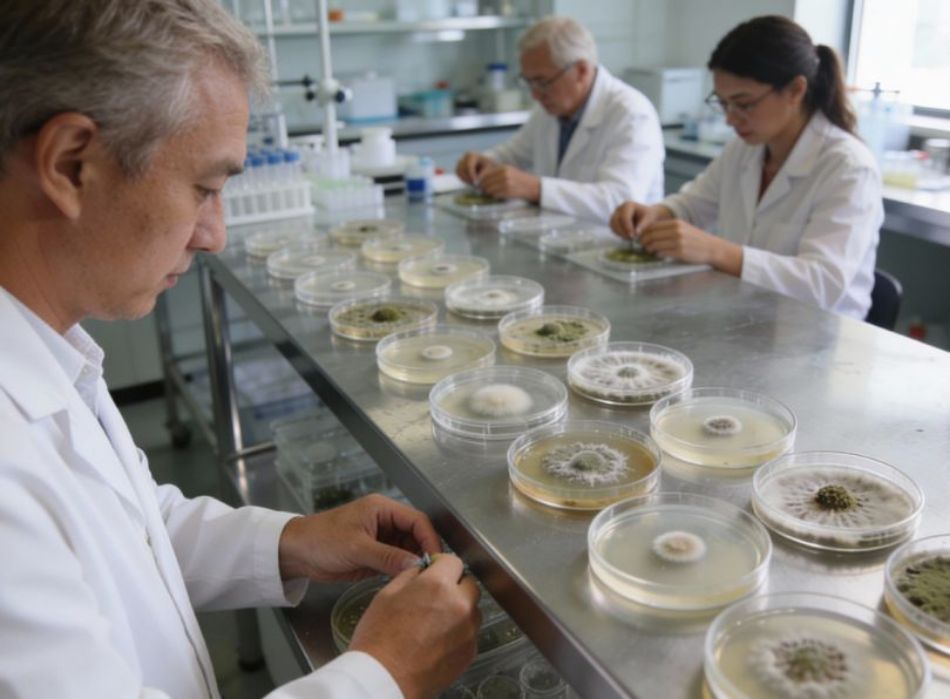
Mycology, the science that studies fungi in all their forms and applications, is experiencing a period of extraordinary evolution thanks to European funding dedicated to research and innovation. Projects funded under Horizon Europe are opening new frontiers in the understanding of fungi, cultivation techniques, and biotechnological applications. This article provides a detailed analysis of the major European projects dedicated to fungi, examining their objectives, methodologies, expected results, and practical implications for mycologists, mycologists, and enthusiasts. Through detailed data, statistics, and tables, we will explore how EU-funded research is transforming our approach to the fungal kingdom, with important implications for sectors ranging from sustainable agriculture to medicine, from the food industry to bioremediation.
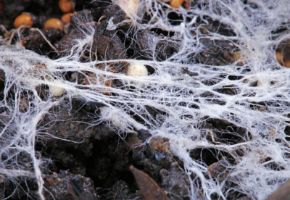
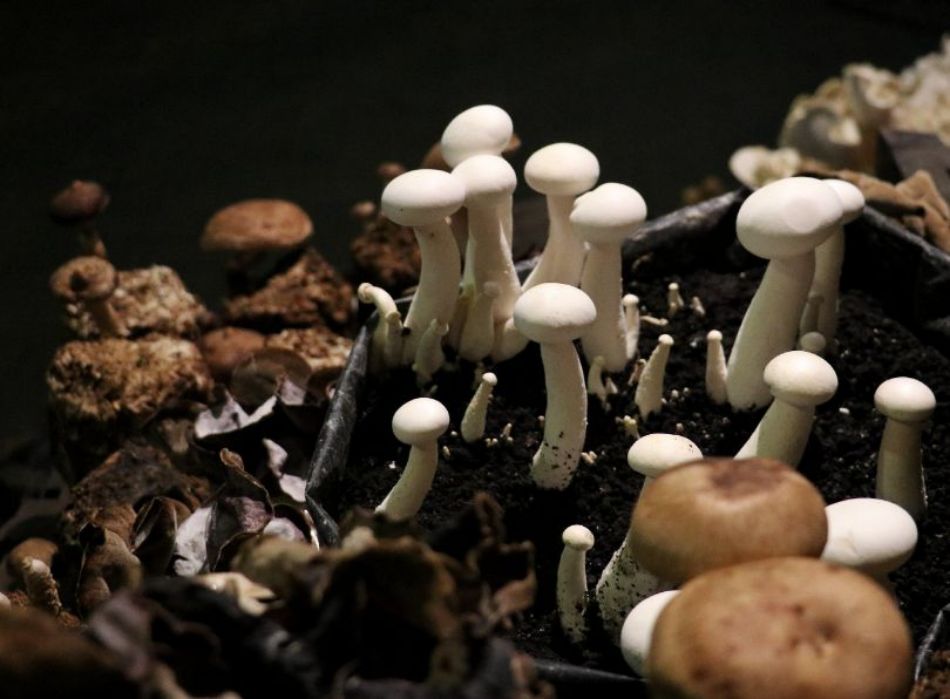
Growing mushrooms is no child's play: before diving into the practical techniques, it's essential to understand that a mushroom is not a plant. Belonging to the separate kingdom of Fungi, its vegetative organism, the mycelium, is a network of cellular filaments called hyphae that grows through the substrate, secreting enzymes to decompose it and absorb nutrients. This fundamental concept radically changes the cultivation approach. The fruiting phase, which produces the fruiting body we harvest and consume, is only the last stage of a complex life cycle, strictly dependent on specific environmental conditions. Ignoring this basic biology is the first and most serious mistake an aspiring mushroom grower can make.
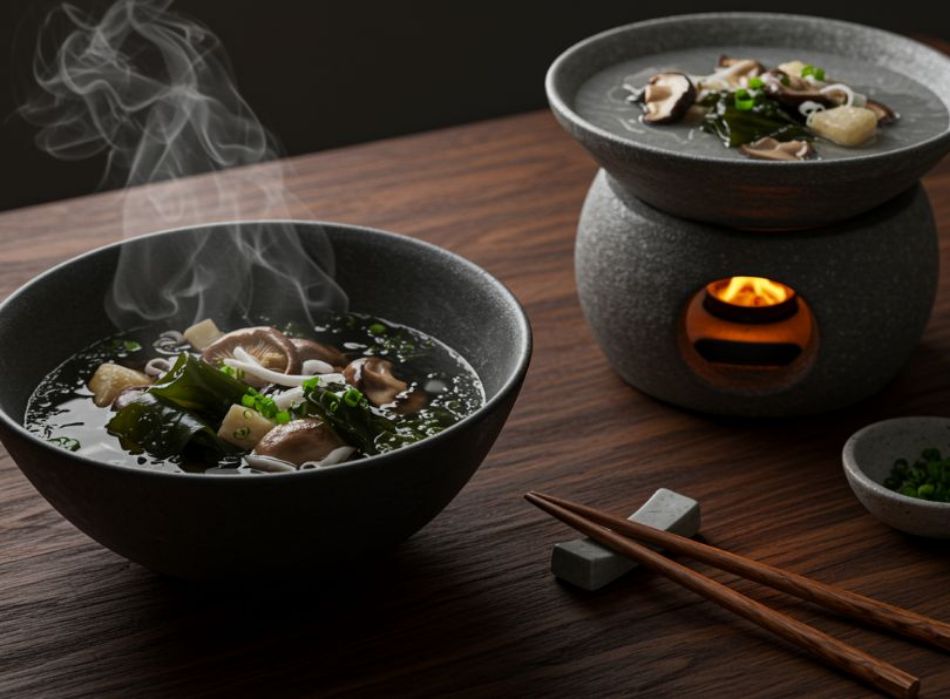
Bone broth: a deep, dark, and rich broth, a concentration of flavor and nutrients, guarded for centuries by cultures far and wide. Today, by combining the traditional wisdom of bone broth with the power of shiitakes and the marine depths of kombu, we can create a preparation that goes far beyond a simple recipe. This article is a passionate journey into the crucible of this synergy, exploring every flavor, every health benefit, and every technical step, bringing its knowledge to the kitchen. We'll analyze the extraction processes, the amino acid profile, the role of bioactive compounds, and why this combination represents the pinnacle of healing and gourmet broth.