Mushroom cultivation represents one of the most fascinating frontiers of modern agriculture, a bridge between rural tradition and scientific innovation. In an increasingly competitive and sustainability-focused environment, optimizing growth parameters becomes crucial to maximize yields and ensure production profitability. Among the many factors that influence the success of a mushroom cultivation, strain choice and substrate composition play a crucial role, but how can we scientifically quantify their impact? This is where statistical analysis, and specifically the ANOVA (ANalysis Of VAriance) method, becomes an essential tool for the modern mushroom grower. This article aims to guide you through the principles and practical application of ANOVA in mushroom cultivation, providing the tools to transform seemingly chaotic data into strategic insights for the continuous improvement of your production.
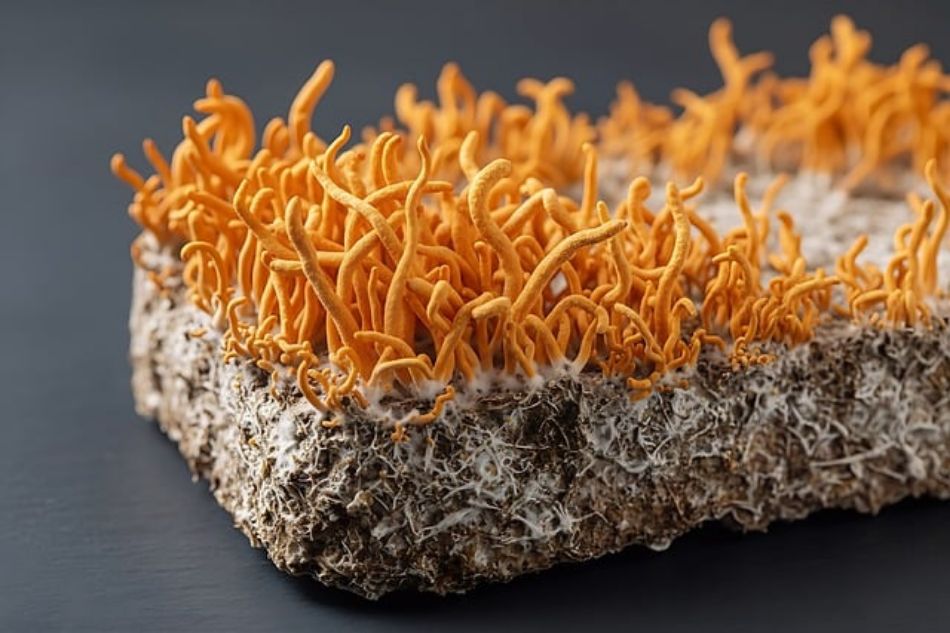
The cultivation of Cordyceps militaris represents one of the most complex frontiers of modern mycoculture. This medicinal mushroom, known for its immunomodulatory and adaptogenic properties, presents a series of technical challenges that require a rigorous scientific approach and a deep understanding of its biological requirements. Among the most critical parameters influencing cultivation success, temperature and exposure to red light emerge as determining factors, capable of influencing not only mycelial growth but also the formation of fruiting bodies and the production of secondary metabolites of therapeutic interest. In this article, we will explore these challenges in detail, analyzing the underlying physiological mechanisms and providing practical indications based on the most recent scientific research.
Cloning is one of the most fascinating and powerful techniques in applied mycology, allowing the exact replication of the genetic characteristics of a particularly valuable or high-performing mushroom. This process, which might seem to be the exclusive preserve of specialized laboratories, is actually accessible to any enthusiast with attention, patience, and respect for sterility protocols. Cloning from fruiting bodies, or more simply, fruit, is the most direct method for preserving and propagating a fungal strain whose qualities are appreciated, be they colonization speed, resistance to contaminants, productivity, or organoleptic characteristics. In this guide, we will explore every aspect of this fascinating practice, from the theoretical foundations to the most advanced applications, with particular attention to the component that represents the true bottleneck to success: sterility. Through statistics, comparative tables, and detailed protocols, we will aim to provide both novice and experienced mushroom growers with all the tools necessary to master this technique and integrate it permanently into their skill set.