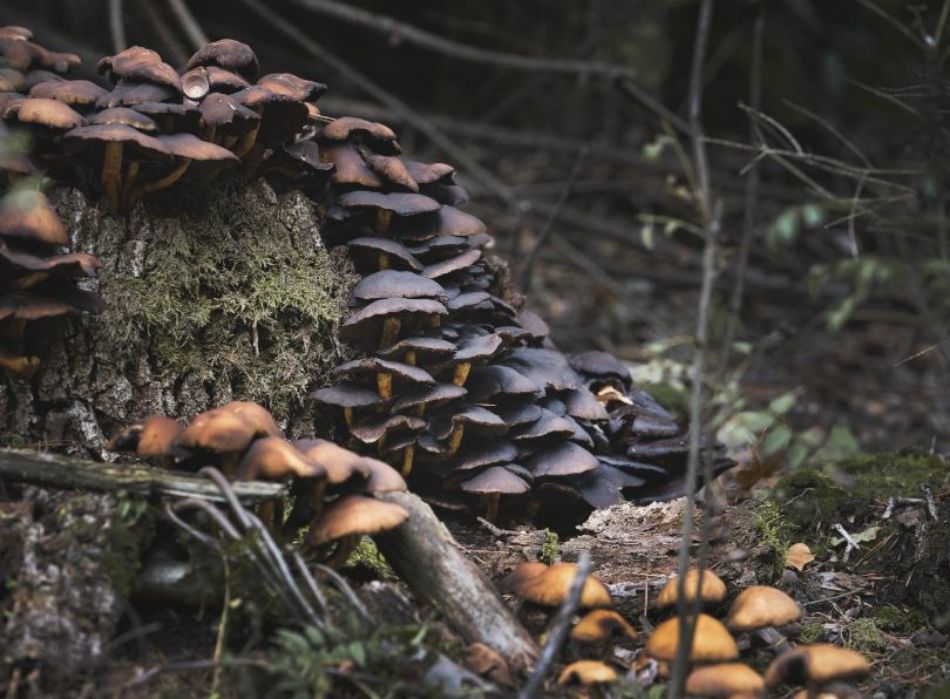
Deep in temperate forests, beneath leaf litter, among tree roots, and in decaying wood, lies a kingdom of life with extraordinary biodiversity, still largely unexplored: the kingdom of fungi. These organisms, which have fascinated humans for millennia with their shapes, flavors, and sometimes their dangers, represent a fundamental component of global biodiversity. Their presence and diversity are crucial indicators of the health of forest ecosystems, yet they are among the most vulnerable to the changes underway on our planet. This article, intended for mycology enthusiasts, botanists, mushroom growers, and foragers, aims to dissect the concept of biodiversity as it applies to mushrooms, explore the richness of Italy's fungal heritage, and analyze in depth the threats threatening this hidden treasure. Each assertion is supported by scientific data, up-to-date research, and detailed statistics.
Before revealing our secret recipe for this vegan pate, it's only right to dedicate an in-depth section to the undisputed star: the shiitake. Native to East Asia, this basidiomycete is the second most cultivated edible mushroom in the world, with global production exceeding 8 million tons annually (FAO 2021 data). Its history has been intertwined for millennia with that of traditional Chinese and Japanese medicine, where it was considered not simply a food, but a true remedy, an elixir of long life. Today, modern science has begun to validate many of these ancient beliefs, isolating and studying the numerous active compounds present in its mycelium and fruiting body. Understanding this allows us to fully appreciate the value of vegan pate and manipulate the ingredients to preserve and enhance their benefits.
Fungi, often considered simple tree parasites, actually play a crucial role in the biological control of more aggressive pests. Through complex mechanisms of competition, production of secondary metabolites, and stimulation of plant defenses, "moderate" pathogenic fungi prevent the establishment of destructive pests that could cause the collapse of entire forest ecosystems.