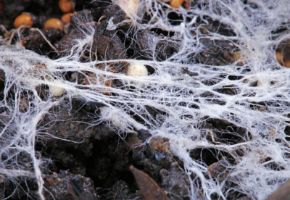
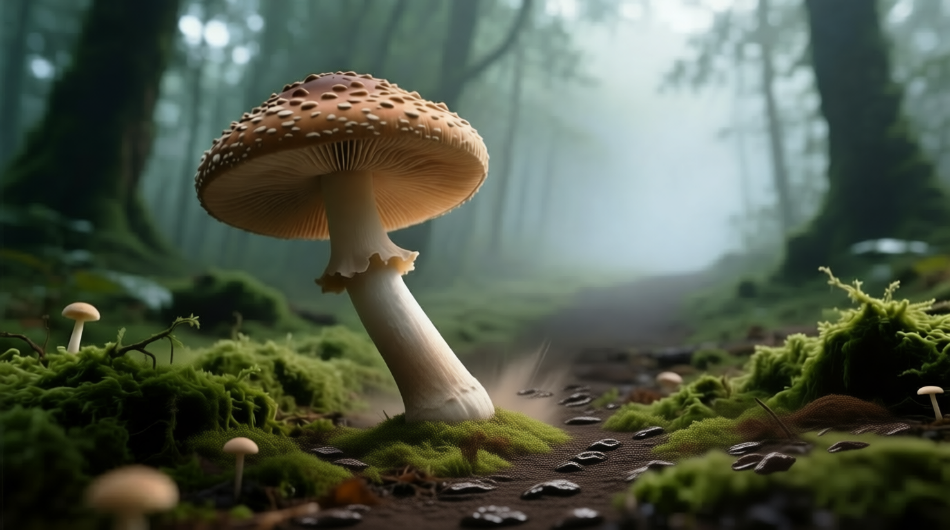
In the vast and fascinating kingdom of fungi, scientific discoveries continue to amaze us, challenging our most deeply held notions of biology and the movement of organisms. What we once considered a static and immobile kingdom is now revealing itself as a dynamic universe, where seemingly passive life forms develop sophisticated and unexpected strategies for movement. The recent discovery that some fungi are capable of walking, or rather, actively moving through complex biological mechanisms, not only revolutionizes our understanding of mycology but is opening new frontiers in robotics and biomimetic technologies. In this article, we will explore this fascinating trait in depth, analyzing its scientific basis, ecological implications, and the extraordinary technological applications emerging from cutting-edge research.
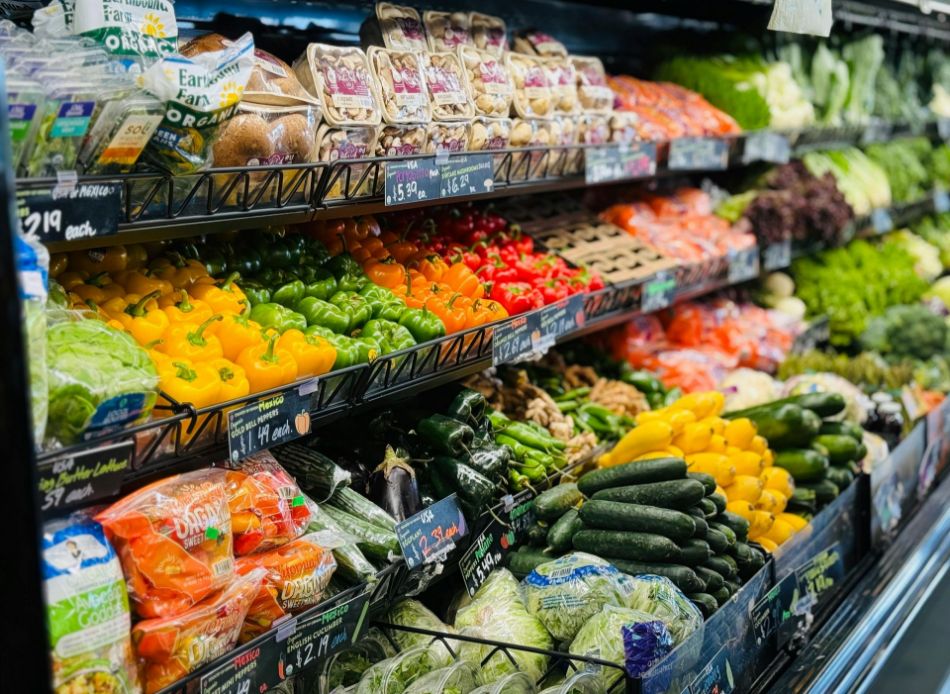
When we go to the supermarket to buy food, we assume that what we put in our cart is safe and inspected. This trust also extends to mushrooms, valuable foods that can hide deadly dangers if not properly inspected. In this article, we'll delve into the control mechanisms that should guarantee the safety of mushrooms sold in large-scale retail outlets, analyze the real risks, and provide concrete data on the situation in Italy. Together, we'll explore whether the controls in place are sufficient to protect consumers and what precautions you should take when buying mushrooms at the supermarket.
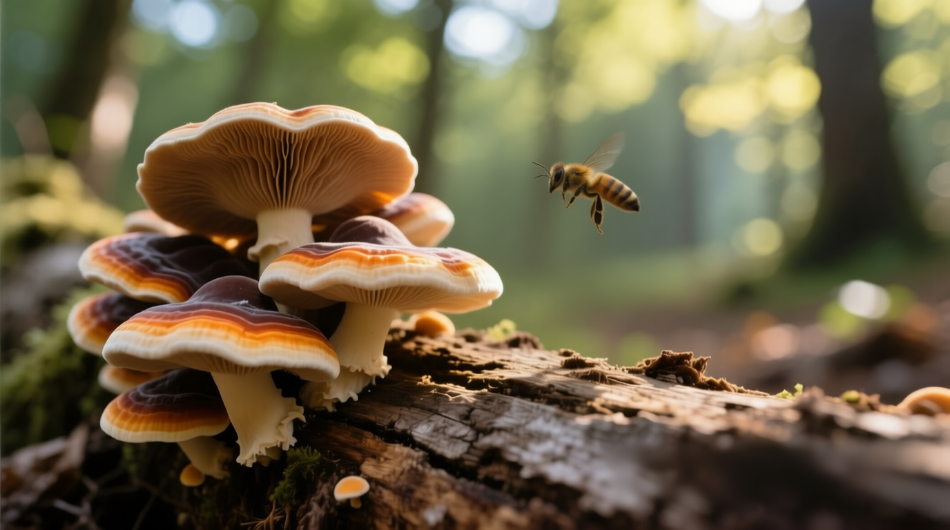
In the vast and intricate world of ecological interactions, there's a surprising and crucial relationship that's attracting the attention of mycologists, botanists, and beekeepers worldwide: the bond between bees and fungi. This article will explore in depth how fungi, particularly through their mycelial networks, are emerging as crucial allies for bee health, and consequently, for the entire planet's food security. Through scientific data, recent research, and detailed analyses, we'll discover why protecting this relationship could be one of the most important strategies for ensuring the future of our food supply. Bees, as we know, are responsible for pollinating approximately 75% of the world's food crops, an ecological service worth approximately $235–577 billion annually globally, according to the FAO. However, these tireless pollinators are facing unprecedented threats: pesticides, habitat loss, climate change, and pathogens are decimating colonies worldwide. It is in this critical scenario that mycology is revealing unexpected solutions.