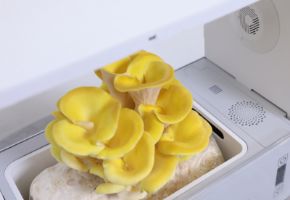
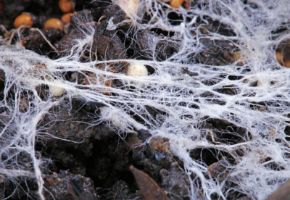
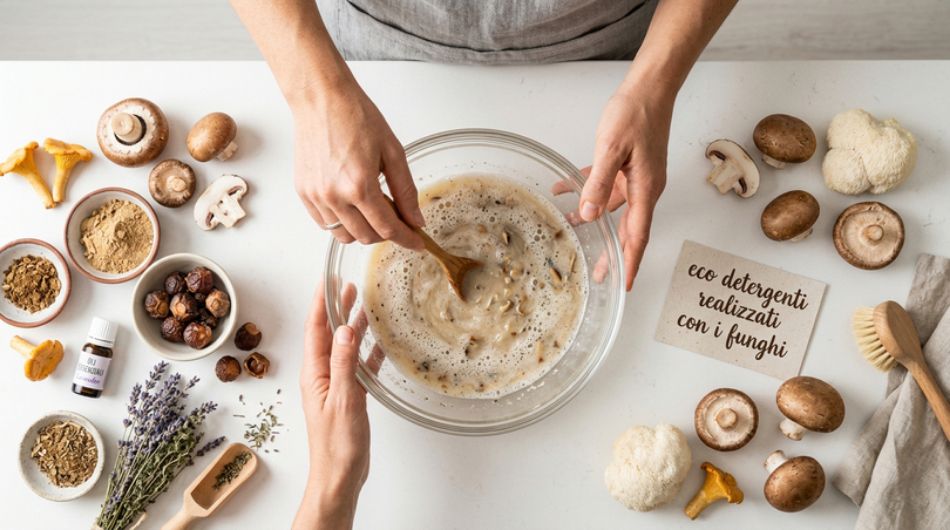
Cleaning with mushrooms -Wednesday, July 8, 2026 Cleaning with mushrooms represents one of the most fascinating revolutions in the field of eco-friendly cleaning and sustainable home cleaning. When we decide to clean our homes, we rarely consider that the fungal kingdom can offer concrete solutions for natural, effective, and ecosystem-friendly cleaning. This article explores in depth how and why cleaning with mushrooms is becoming an increasingly popular practice among researchers, growers, mycology enthusiasts, and simple hobbyists who want to clean their homes without resorting to harsh chemicals.
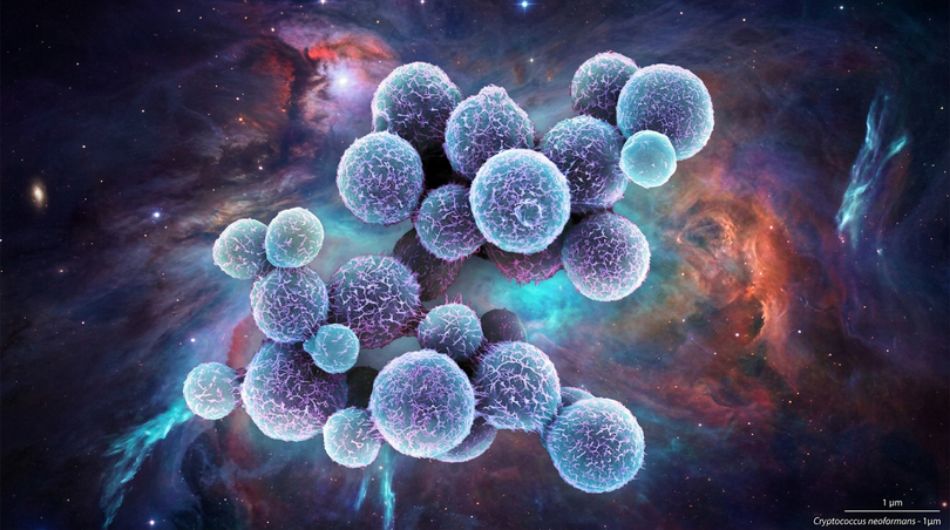
When we think of deep space, we imagine a sterile environment lethal to any form of life. Yet, there are extremophilic organisms that challenge this notion, and among them Cryptococcus neoformans, an encapsulated yeast primarily known as an opportunistic human pathogen, stands out. In recent years, experiments on the International Space Station (ISS) have revealed this fungus's almost legendary ability to withstand conditions that would annihilate most living things: cosmic radiation, microgravity, extreme temperature swings, and deep vacuum.
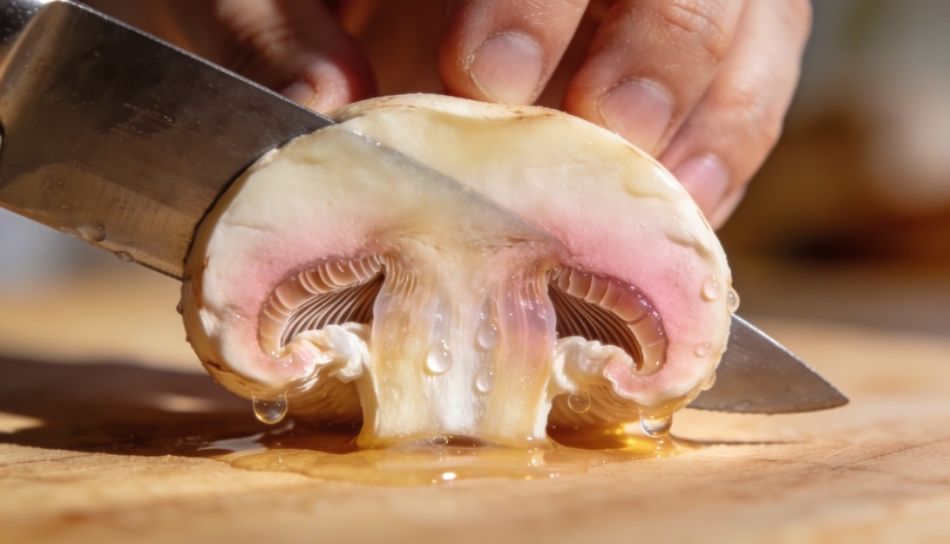
Have you ever cut open a fresh mushroom and watched, amazed, as its white or yellowish flesh transforms in a matter of seconds into a deep blue, brick red, or jet black? This seemingly magical phenomenon has fascinated foragers, cooks, and naturalists for centuries. Yet it is one of the most elegant manifestations of fungal biochemistry: a chemical defense system, an evolutionary signal, an invaluable diagnostic indicator. Mushrooms change color for profound and scientifically documented reasons, involving the chemistry of enzymes, the ecology of forests, and, for those who grow or harvest them, food safety.