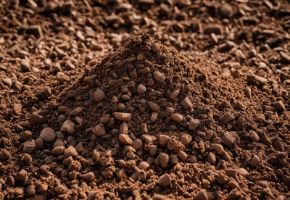
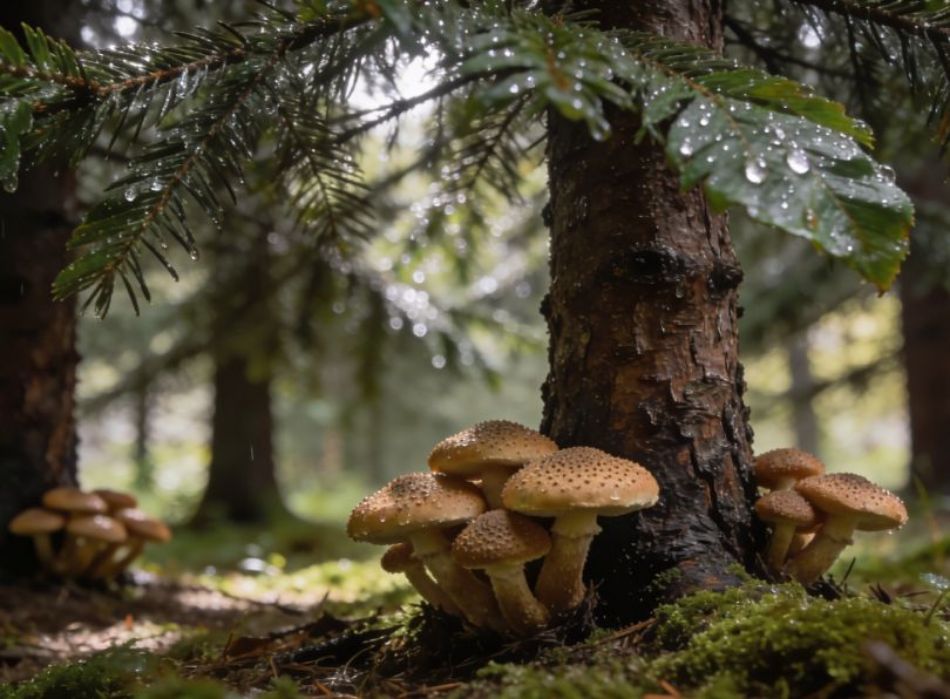
When we talk about conifers, we're not just referring to one type of vegetation. We're talking about an entire ecological universe. Coniferous trees (such as pine, fir, larch, and spruce) dominate cold, mountainous zones, creating an extreme habitat: acidic soils, slow-decomposing needle litter, and shady microclimates. In this harsh environment, a highly specialized fungal community has evolved. Coniferous fungi are not an accident of nature, but the result of millions of years of coevolution. Without these fungi, coniferous forests simply would not exist.
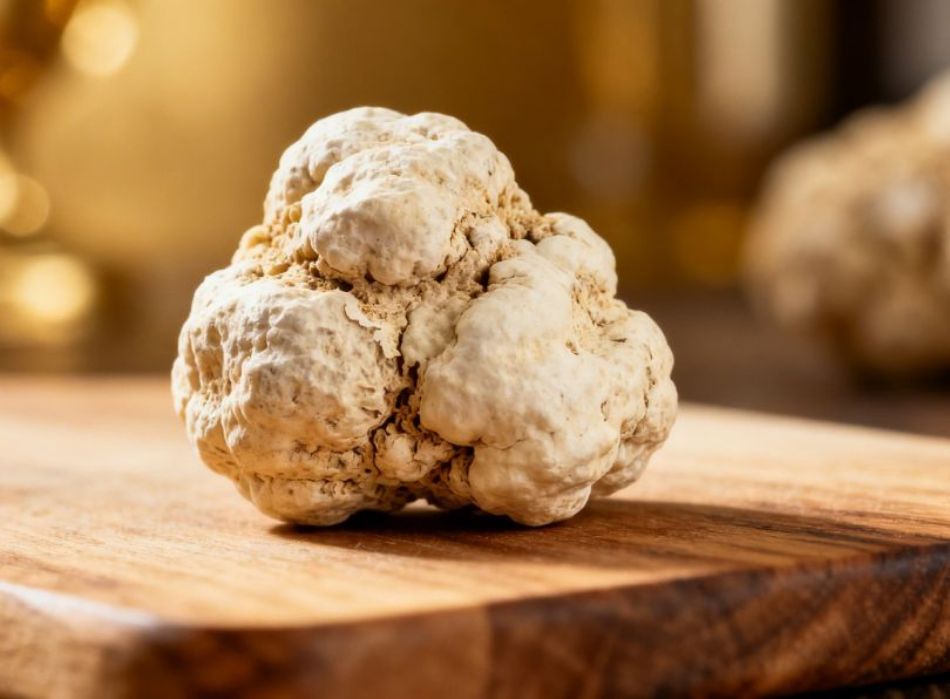
In November 2007, the 1.5 kg white truffle was found and sold at auction for a staggering $330,000 (about €228,000 at the time), setting a world record that went viral. The buyer? Macau tycoon Stanley Ho, already known for his eccentric gastronomic passions. That auction, held for the benefit of charities, wasn't just a social event: it marked the exact moment when the white truffle stopped being a mere luxury ingredient and became a true global cultural symbol, on par with diamonds and works of art.
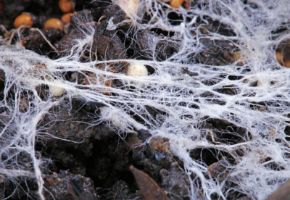
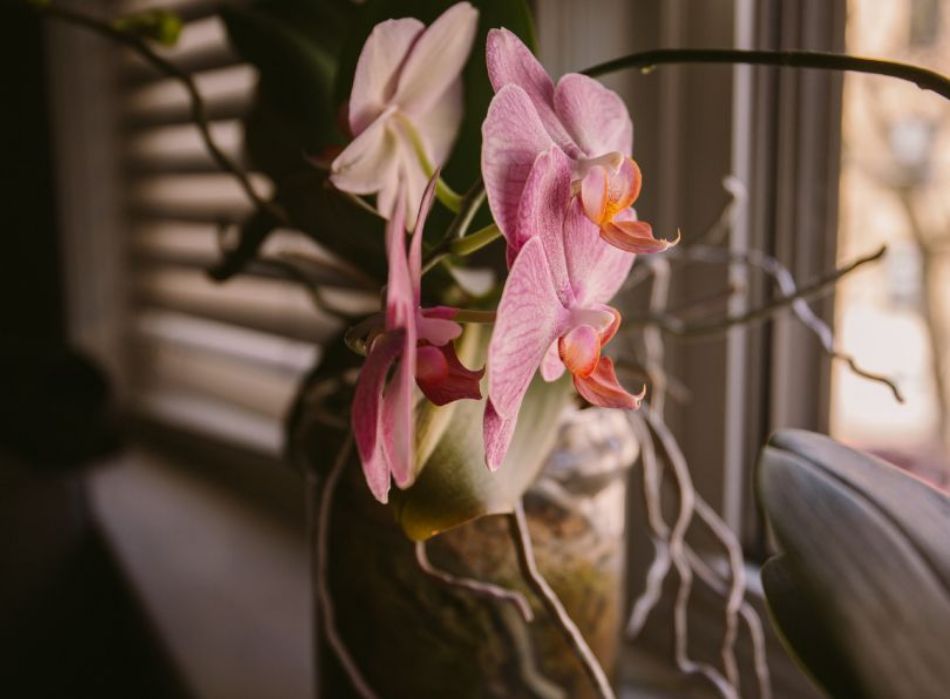
When we talk about the relationship between orchids and fungi, we're not referring to a simple association, but to an absolute dependence. This symbiosis arises because orchid seeds are among the smallest in the plant kingdom: devoid of an endosperm, they contain no nutrient reserves, and to germinate, they must be infected by a mycorrhizal fungus. This symbiosis, called orchid mycorrhiza, is a model of interspecific cooperation. Today, we'd like to introduce you to this extraordinary partnership between the plant and fungal worlds!