



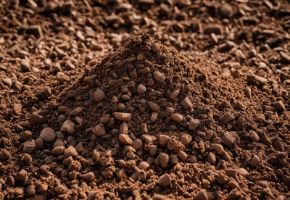
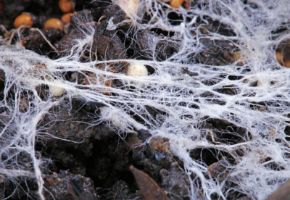

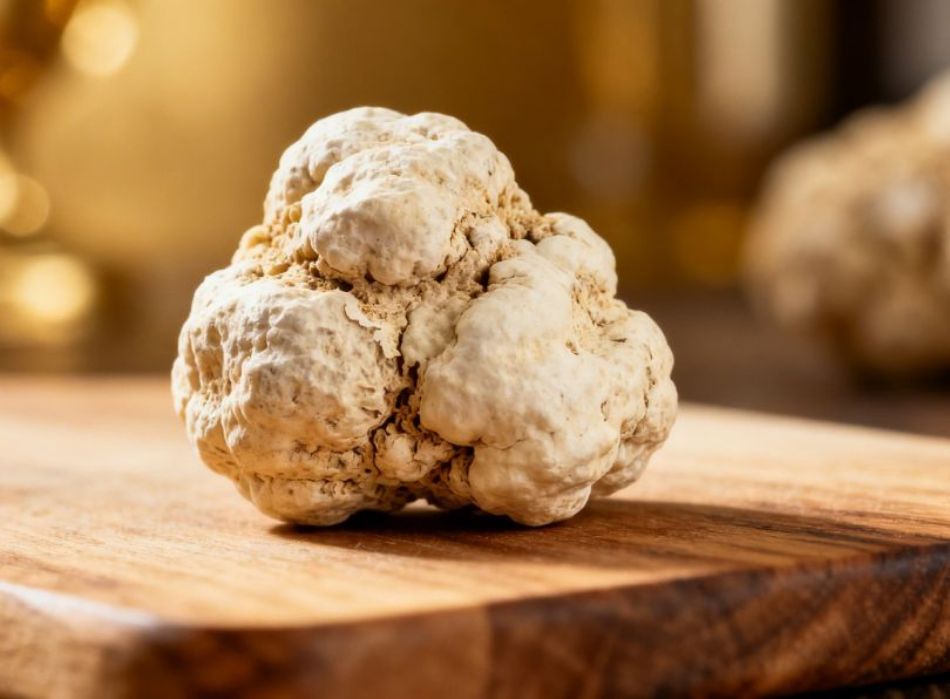
In November 2007, a white truffle weighing 1.5 kg was found and sold at auction for the staggering sum of $330,000 (approximately €228,000 at the time), setting a world record that made headlines around the globe. The buyer? Macao magnate Stanley Ho, already known for his eccentric gastronomic passions. That auction, organized for charitable causes, was not merely a glamorous event: it marked the exact moment when white truffle ceased to be simply a luxury ingredient to become a true global cultural symbol, on par with diamonds and works of art. Yet, behind that vertiginous figure lies a world made of damp earth, silent roots, dogs with prodigious scent, and hunters who pass down their secrets from father to son. White truffles cannot be cultivated, cannot be domesticated, cannot be bent to the rhythms of the food industry. They grow where and when they wish, beneath centuries-old oaks and in the calcareous clays of hills that have guarded this underground treasure for centuries. And it is precisely this irreducible wildness that makes them so precious and so fascinating. In this article, we will explore every aspect of this extraordinary fungus: from biology to gastronomy, from market to sustainability, from hunting techniques to preservation. We will do so with the depth that an ingredient capable of commanding hundreds of thousands of euros for a single specimen deserves—and, at the same time, of delivering an unforgettable emotion even with a simple shaving over a pan-fried egg. Before discussing million-dollar auctions and starred dishes, it is essential to understand what white truffle truly is and why nature has made it so rare, so fragrant, and so damnably difficult to find. The truffle is not a root, not a tuber, and not even a fruit in the common sense of the term: it is the fruiting body of a hypogeal fungus, meaning an organism that completes its entire life cycle underground, sheltered from sunlight. The prized white truffle, scientifically named Tuber magnatum Pico, belongs to the family Tuberaceae, order Pezizales, class Ascomycetes. It was first classified in 1788 by the Piedmontese physician Vittorio Pico, who described its characteristics in a botanical treatise dedicated to subalpine flora. The name magnatum derives from Latin and means "of the magnates, of the powerful," an eloquent indication of the value already attributed to this fungus at that time. From a morphological standpoint, the white truffle presents a peridium (outer surface) that is smooth or slightly velvety, with a color ranging from ochre yellow to cream, sometimes with greenish hues. The gleba (inner part) is crossed by white and brown veins that form a characteristic marbled pattern. Dimensions vary enormously: from a few grams to over one kilogram in the rarest record-breaking specimens. Unlike many other fungi, the truffle does not disperse its spores into the air. The intense perfume—that intoxicating blend of fermented garlic, honey, wet hay, and moss—is actually a highly refined evolutionary strategy: it serves to attract wild animals (wild boars, badgers, mice, squirrels) that, by digging to feed on it, disperse its spores, contributing to the species' reproduction. It is nature in its most ingenious form. The truffle does not grow alone. It lives in an obligate symbiotic relationship, called mycorrhiza, with the roots of certain tree species. In this biological pact, the truffle's mycelium envelops the fine roots of the host tree, forming a sheath (ectomycorrhiza) through which a reciprocal exchange occurs: the fungus provides the tree with water and mineral salts that it can absorb from the soil more efficiently, while the tree provides the fungus with sugars produced through photosynthesis, which the truffle (lacking chlorophyll) cannot produce on its own. The main symbiotic plants of the white truffle are oak (Quercus pubescens, Q. robur, Q. petraea), linden (Tilia cordata and T. platyphyllos), poplar (Populus alba, P. nigra), and willow (Salix alba, S. caprea). Hazel (Corylus avellana) and hornbeam (Carpinus betulus) can also host Tuber magnatum, albeit less frequently. The world of truffles is more varied than many imagine. There are over 60 Tuber species worldwide, but only a handful have gastronomic and economic relevance. Here are the main ones: As shown in the table, the pristine white truffle is in a category of its own: its price can be 3 to 10 times higher than any other species, and its harvesting window is the narrowest of all. This explains why auctions reach such astronomical figures. White truffle auctions are not a recent invention. They have roots in the 1960s, when Giacomo Morra, an innkeeper and brilliant promoter from Alba, began shipping specimens of white truffle to international celebrities such as Marilyn Monroe, Winston Churchill, Harry Truman, and Alfred Hitchcock. It was Morra who intuited that for truffle to conquer the world, it had to leave the osterie of the Langhe and enter society gossip columns. The Alba Truffle Fair, founded in 1929, is the natural stage for the most celebrated auctions. Every year, between October and November, the Piedmontese town transforms into the world capital of truffle, attracting tens of thousands of visitors from around the globe. The fair hosts tastings, conferences, markets, cultural events, and, of course, the world auction broadcast via satellite to Hong Kong, Singapore, London, New York, Abu Dhabi, and other cities. The most famous auction is the World Auction of the Alba White Truffle, whose proceeds are donated to charitable organizations. It is within this context that the most spectacular records have been set: The question is legitimate and deserves a detailed answer. Those who spend such sums are not simply purchasing an ingredient: they are buying an unrepeatable experience, a status symbol, and a philanthropic gesture. The white truffle auction is a global media event: the buyer gains international visibility, associates their name with a product embodying Italian excellence, and contributes to a charitable cause. But there is also a deeper aspect. White truffle cannot be cultivated on an industrial scale. Each specimen is the result of an unrepeatable concatenation of factors: the right symbiotic plant, ideal soil, timely rainfall, perfect temperatures, absence of pests, and a hunter skilled (and lucky) enough to find it before it deteriorates. A 1.5 kg specimen represents a statistical anomaly: the vast majority of white truffles weigh between 20 and 100 grams. Record auctions have a direct impact on the entire truffle market. Every time a specimen reaches dizzying figures, the perceived value of white truffle rises in the collective imagination, driving retail prices upward as well. Restaurateurs know this well: in the days following a record auction, customers are more willing to pay a premium for a truffle dish, because the media buzz has reinforced the idea of rarity and exclusivity. At the same time, auctions have helped open previously unexplored markets: the Middle East, Southeast Asia, China, and Japan are today rapidly expanding markets for Italian white truffle, largely thanks to the visibility generated by these events. Understanding where and how white truffle grows is fundamental both for those who hunt it and for those who buy it, since the terroir profoundly influences the organoleptic characteristics of the specimen. Not all white truffles are equal: those from the Langhe have a different aromatic profile from those of the Marche or Tuscany, just as with great wines. Tuber magnatum prefers calcareous, clayey-silty, well-drained soils with good water retention. The ideal pH ranges between 7.1 and 8.3 (slightly to moderately alkaline). The presence of calcium in the soil is a determining factor: overly acidic soils are generally unsuitable. The ideal climate features warm but not arid summers, with regular rainfall between July and September, and cool, humid autumns that favor fruiting body maturation. Excessively high temperatures or prolonged drought periods during summer compromise the season: the truffle needs water to grow but does not tolerate waterlogging. The ideal altitude ranges from 200 to 700 meters above sea level, although discoveries at lower or higher elevations are not uncommon. White truffle prefers north- or northeast-facing hillside slopes, where soil moisture remains higher. Italy is the quintessential country of white truffle. Here are the main production areas: Outside Italy, white truffle has been found in Croatia (Istria, where in 1999 the largest documented specimen was discovered: 1.31 kg), in Serbia, in Slovenia, and sporadically in other Balkan areas. However, Alba White Truffle remains the global reference for quality and fame. The life cycle of white truffle is a slow and delicate process. Everything begins when spores contained in the mature gleba come into contact with the soil and, under favorable conditions, germinate producing a primary mycelium. This mycelium colonizes the surrounding soil until it reaches the fine roots of a compatible symbiotic plant, giving rise to mycorrhiza. Once symbiosis is established, the mycelium expands in the soil, forming an underground network. When environmental conditions are optimal, generally between late summer and early autumn, the mycelium produces primordia, small cellular aggregations that, within a few weeks, develop into the fruiting body that we know as truffle. Complete maturation requires 2 to 4 months, and the specimen is ready to be harvested when its perfume reaches maximum intensity. A fascinating aspect is the phenomenon of the "pianello" or "bruciata": the area around mycorrhizal roots often appears devoid of herbaceous vegetation because the truffle mycelium releases allelopathic substances that inhibit the growth of other plants. This "burned circle" is one of the clues that expert hunters use to locate truffle grounds. Truffle hunting is not a profession learned from books. It is an art passed down through generations, a knowledge made of intuitions, observations, silences, and complicity with one's dog. Truffle hunters—called trifolau in Piedmont, cavatori in the Marche, tartufai in Tuscany—are fascinating figures, guardians of secrets they rarely share even with closest family members. In Italy, truffle hunting is carried out exclusively with the aid of trained dogs (the use of pigs has been banned by Italian law since 1985, due to the damage the animal causes to soil and mycelium). The most commonly used breeds are the Lagotto Romagnolo—the only breed officially recognized as a truffle dog—and various mixed breeds selected over generations by hunters themselves. Training begins when the puppy is just a few months old. It starts with games that associate the scent of truffle with a reward, then gradually progresses to field exercises. A well-trained dog can detect a truffle from several meters away and at depths of up to 30-40 cm. The bond between hunter and dog is profound: many trifolau describe this relationship as the most intense of their lives. Truffle harvesting in Italy is regulated by law (Law 752/1985, later integrated by regional regulations). To harvest truffles, one must possess a certificate of suitability, issued by Provinces or Regions after passing an exam. Harvesting is permitted exclusively during established periods for each species and with the obligation to use a special small spade or trowel to extract the truffle without damaging the mycelium and root system of the symbiotic plant. It is mandatory to refill the hole after extraction, to preserve the integrity of the truffle ground and allow the mycelium to regenerate. Offenders risk fines that can reach several thousand euros and confiscation of the harvest. Many hunters operate during nighttime hours or at dawn, for several reasons: the cool air enhances the dog's olfactory abilities, there is less disturbance from other animals and people, and, above all, it reduces the risk of being followed by competitors eager to discover secret truffle grounds. The secrecy of harvesting locations is a fundamental aspect of truffle-hunting culture: a hunter never reveals their "posts" (as productive zones are called), not even to their best friend. One of the most frequent questions among enthusiasts and professionals is: what is the difference between white and black truffle? The answer involves botanical, gastronomic, economic, and cultural aspects worth exploring carefully. The fundamental difference is that white truffle is an almost exclusively wild product, which drastically limits its supply and elevates its price. Black truffle, on the contrary, can be produced in cultivated truffle grounds (truffières) through controlled mycorrhization of young seedlings, a practice widespread especially in France, Spain, and Australia. What does white truffle taste like? Describing it in words is a challenge. The aroma of white truffle has been analyzed by modern chemistry, which has identified over 150 volatile compounds responsible for its olfactory complexity. Among the main ones: bis(methylthio)methane, responsible for the sulfurous, garlicky note; dimethyl sulfide, which imparts earthy nuances; and various alcohols and aldehydes that contribute floral and honey notes. On the palate, white truffle is an experience that engages all the senses. It is not "spicy" like garlic nor "sweet" like honey, yet it evokes both. It is a flavor that has no equivalent in the gastronomic world: those who taste it for the first time are often baffled, because they find no familiar reference in their gustatory repertoire. What does truffle taste like? Like nothing precise and like everything at once—that is the essence of its charm. White truffle is not merely an ingredient: it is a primary economic asset for entire Italian rural communities. The truffle market moves hundreds of millions of euros annually between fresh product, processed goods, gastronomy, tourism, and events. Understanding its dynamics is essential both for sector entrepreneurs and for enthusiasts who wish to make informed purchases. The price of white truffle per kg is determined by a combination of factors: Size is the first discriminator. Small specimens (under 20 g) are worth significantly less than medium ones (20-50 g), which in turn cost less than large ones (over 100 g). A truffle of 300 g or more is an absolute rarity, and its price per gram can be exponentially higher. Organoleptic quality (aroma intensity, flesh firmness, absence of internal defects) has enormous impact. A truffle with weak aroma or overly mature gleba is worth a fraction of a perfect specimen. Seasonal trends are crucial. A drought year produces fewer truffles, driving prices up; a generous year lowers them. The first weeks of the season (early October) see higher prices due to novelty, then prices stabilize in November before rising again in December as supply diminishes. The global truffle market is estimated at over €6 billion (considering fresh product, processed goods, gastronomy, and tourism). Italy remains the world's leading producer of prized white truffle, but international demand is growing at a sustained pace. The most dynamic markets are Japan—where white truffle has a refined clientele willing to spend—the United Arab Emirates, with luxury dining in Dubai and Abu Dhabi, China, an emerging market with enormous potential, and the United States, where gourmet Italian cuisine is a consolidated phenomenon. For an entrepreneur in the luxury food sector, truffle represents an extraordinary opportunity: a product with very high added value, strong territorial identity, and a narrative (that of the diamond of the earth, the nocturnal hunt, the million-dollar auction) that lends itself perfectly to experiential marketing. Who sells white truffle reliably? For chefs, restaurateurs, and attentive consumers, several channels exist: Local markets in production areas (Alba, Acqualagna, San Miniato) offer the advantage of freshness and the possibility to evaluate the specimen in person. Specialized retailers with an established reputation are a safe option, especially when they offer origin certifications and traceability. Online platforms have revolutionized access to fresh truffle, enabling 24-hour shipments with insulated packaging. Finally, a direct relationship with a trusted hunter remains the preferred method for many gastronomy professionals. How to tell if white truffle is good? A fresh, quality specimen must be firm to the touch (not spongy or soft), have an intense but pleasant aroma (an ammonia scent indicates deterioration), present an intact surface, and a gleba with well-defined veins when cut. White truffle is an ingredient that admits no compromises in the kitchen: it demands absolute respect and a minimalist approach. The golden rule is simple: the less you cook it, the more you enhance it. Heat destroys the volatile compounds responsible for its aroma, which is why white truffle is used exclusively raw, shaved into paper-thin slices with a special truffle slicer directly onto the dish, moments before serving. Piedmontese cuisine has codified the most celebrated pairings with white truffle: Pan-fried egg with white truffle is perhaps the most emblematic dish: the simplicity of egg cooked in butter serves as a blank canvas for the truffle's explosive aroma. Tajarin with butter, the ultra-thin egg pasta typical of the Langhe dressed with melted butter and Parmesan, is the perfect vehicle for truffle shavings. White truffle risotto, prepared with a light broth and mantecato with butter and Parmesan, receives the truffle only after plating. Fonduta, prepared with Fontina Valdostana, milk, egg yolks, and butter, is another icon of white truffle cuisine. Albese-style raw meat (hand-chopped Piedmontese Fassona beef) with white truffle shavings concludes the list of timeless classics. In all these preparations, the common denominator is the presence of fats (butter, yolk, Parmesan, oil) that act as carriers for the truffle's aromatic compounds, enhancing their persistence on the palate. Pairing white truffle with wine is a topic that fascinates sommeliers and gourmets. The general rule is to favor full-bodied wines without excessive oak, which would overwhelm the truffle's perfume. Here are the most successful combinations: Contemporary cuisine has expanded the possibilities for using white truffle, while respecting the fundamental principle of raw use. Starred chefs propose pairings with raw fish (red shrimp tartare, raw scampi), aged cheeses (36-month Parmesan, pit-aged pecorino), fresh buffalo mozzarella and stracciatella, and even some desserts based on cream, zabaglione, or vanilla ice cream, where the truffle's sweet notes find an unexpected counterpoint. For a food blogger seeking original content, white truffle offers infinite narrative possibilities: from chronicling a nocturnal hunt in the Langhe to a guided tasting in a starred restaurant, from visiting a local market to preparing an iconic dish at home. A frequent question concerns the possibility of eating truffle during pregnancy. White truffle, consumed raw, is not among the foods discouraged during pregnancy, provided it is fresh, of certified quality, and thoroughly cleaned. The potential risk is related to soil contamination (and thus possible pathogens), which is eliminated with proper cleaning. It is always advisable to consult one's physician for any doubts. Beyond gastronomic pleasure, white truffle possesses interesting nutritional properties worth knowing. It is not a "superfood" in the trendy sense of the term, but a food with a peculiar nutritional profile and some benefits documented by scientific research. White truffle is a low-calorie, fiber-rich food, making it suitable for any dietary regimen. Its high content of antioxidants (polyphenols, flavonoids, ascorbic acid) helps counteract cellular oxidative stress. The presence of minerals such as iron, magnesium, and potassium makes it an ally for cardiovascular and muscular well-being. The protein component, albeit modest in absolute terms (since it is consumed in very small quantities), is of good biological quality. In folk tradition, truffle is also attributed aphrodisiac properties, likely linked to the presence of androstenol, a steroidal pheromone also present in human sweat, which contributes to the truffle's characteristic aroma. Science has not definitively confirmed these properties, but it is undeniable that the sensory experience of truffle has a stimulating psychological effect. Properly storing white truffle is as important as choosing it well. Fresh truffle is a living organism that continues to respire and lose moisture after harvest: each passing day, it loses a percentage of its aroma. For this reason, the speed with which truffle travels from earth to table is a critical factor. The most effective method for storing fresh white truffle involves the following steps: wrap each specimen individually in absorbent paper (not plastic wrap, which creates condensation); place the wrapped truffles in an airtight glass container; store the container in the least cold part of the refrigerator (ideally at 2-4°C); replace the absorbent paper daily, as the truffle releases moisture that, if retained, accelerates deterioration. With this method, a fresh, good-quality white truffle can be stored for 5-7 days while maintaining satisfactory aroma. It is essential not to wash the truffle before storage: cleaning is performed only at the time of use. A traditional method exploits the porosity of eggshells: by placing the truffle in a container together with fresh eggs, the volatile aromatic compounds pass through the shell and perfume the eggs. This way, a double advantage is achieved: the truffle is well preserved thanks to the controlled environment, and the eggs acquire a truffle aroma that makes them perfect for omelets, scrambled eggs, or egg pasta. Freezing is generally discouraged for white truffle: ice crystals damage the cellular structure and compromise the aroma. However, if necessary, it is possible to freeze the truffle whole, unwashed, wrapped in aluminum foil and then in a vacuum-sealed bag, using it directly frozen (grated or sliced) without thawing. The result will never compare to fresh, but it is an acceptable compromise. Storage in oil or in salt is another option, but it significantly alters the aromatic profile. Industrial truffle-based products (sauces, truffle oils, truffle butter) often use synthetic aromas to compensate for fragrance loss during processing. In an era where sustainability has become an ethical and economic imperative, it is right to question the environmental impact of truffle harvesting and the practices necessary to ensure this natural resource continues to exist for future generations. White truffle, being an exclusively wild product, is particularly vulnerable to environmental changes. Climate change represents the most serious threat. Rising average temperatures, increased frequency of summer drought events, and altered rainfall patterns are modifying the ideal conditions for white truffle growth. Studies conducted by the University of Turin and the CNR have documented a progressive reduction in production in historic Piedmontese truffle grounds over the last 30 years. Habitat loss is another critical factor. Urban expansion, abandonment of rural areas (leading to uncontrolled undergrowth growth), deforestation, and intensive use of pesticides and chemical fertilizers in agriculture damage the ecosystems in which truffle thrives. Excessive and improper harvesting (practiced by those who dig without criteria, do not refill holes, or use inappropriate tools) destroys the mycelium and compromises truffle ground productivity for years. Several initiatives aim to protect Italy's truffle heritage. Sustainable forest management involves targeted thinning and undergrowth cleaning interventions to maintain optimal light and ventilation conditions necessary for truffle. Planting symbiotic trees (oaks, lindens, poplars, hazels) mycorrhized in the laboratory is an expanding practice, aimed at creating new productive truffle grounds in the long term. Traceability and certification of the product ensures that the truffle was harvested legally and in compliance with regulations. Some consortia are experimenting with blockchain systems to trace the truffle's journey from the truffle ground to the consumer. For a gourmet tourist sensitive to sustainability, choosing to participate in truffle hunting experiences organized by certified operators means contributing to a virtuous local economy that has every interest in preserving the environment on which it depends. White truffle has generated an entire tourism ecosystem that goes far beyond simple tasting. Truffle tourism is a constantly growing phenomenon, fueled by the desire to live authentic, immersive, and territory-linked experiences. More and more tourism operators offer truffle hunting excursions, led by professional hunters accompanied by their dogs. These experiences, typically lasting half a day, include a woodland walk, a hunting demonstration, product tasting, and often a truffle-based lunch. They take place mainly in Piedmont (Langhe, Roero), in the Marche (Acqualagna), and in Tuscany (San Miniato, Volterra). For those desiring an even deeper experience, dedicated weekends exist that combine truffle hunting with winery visits, wine tastings, cooking workshops, and stays in agriturismi or charming relais. The local traditions linked to truffle harvesting (such as hunters' dialect, propitiatory rituals, rivalries between neighboring towns) add a level of authenticity that the contemporary tourist seeks with ever-increasing insistence. White truffle today stands at a crossroads. On one hand, global demand has never been higher: new markets are opening, luxury gastronomy celebrates it, social media amplify its charm. On the other, supply is structurally limited and threatened by climate change, habitat loss, and the aging of traditional hunters, a category that struggles to renew itself. Research centers such as the Experimental Truffle Cultivation Center of Sant'Angelo in Vado and the Institute for Sustainable Plant Protection of the CNR are working to better understand white truffle biology and identify strategies for its controlled cultivation. In 2010, the sequencing of the Tuber melanosporum genome (black truffle) opened new perspectives; the Tuber magnatum genome was published in 2018, revealing greater-than-expected genetic complexity. The long-term goal is the cultivation of white truffle in dedicated truffle grounds, an achievement many still consider distant but no longer impossible. The first promising results arrived in 2019, when a group of researchers documented the production of white truffles in an experimental truffle ground planted with mycorrhized seedlings under controlled conditions. Technology is entering the world of truffle on multiple fronts. Environmental sensors installed in truffle grounds monitor soil moisture, temperature, and rainfall in real time, providing valuable data to understand conditions that favor fruiting. Drones are used to map vegetation and identify potentially productive areas. Environmental DNA analysis (eDNA) allows detection of truffle mycelium presence in soil without digging, paving the way for less invasive hunting. For those operating in the luxury food sector, technology also offers marketing and traceability tools: a QR code applied to packaging can link each truffle to its story—where it was found, by whom, under which environmental conditions—adding narrative value and authenticity guarantee for the end consumer. An often overlooked aspect in high-end gastronomy is the role of lighting in presenting and showcasing prized ingredients. Wardrobe lights, i.e., LED lighting systems designed for displaying valuable products, are finding increasingly interesting applications even in the world of gastronomy and hospitality. Starred restaurants serving truffle dishes pay extreme attention to lighting design: warm light (2700-3000K) enhances the golden tones of white truffle shavings and the amber color of traditional dishes. Wardrobe LED lights, originally conceived to illuminate showcases, closets, and display spaces, are today adapted to create focused light points on truffle trolleys, refrigerated display cases, and tableside service areas. This attention to lighting extends also to truffle boutiques and specialized shops, where wardrobe lights are used to highlight displayed specimens, creating an atmosphere reminiscent of jewelers and high-fashion maisons. The parallel is not coincidental: white truffle, for its value and rarity, deserves the same display care reserved for luxury goods. The €330,000 auction is not merely a gastronomic curiosity. It is the tip of the iceberg of a complex and fascinating universe that intertwines biology, economics, culture, tradition, and innovation. White truffle is a gift of nature that refuses to be domesticated, a product that defies industrial logic and that, precisely for this reason, continues to exert an irresistible charm. Whether you are a chef seeking the perfect ingredient, a food blogger looking for the next story to tell, a farmer working the land with patience, a gourmet tourist in search of authentic emotions, or a visionary entrepreneur ready to bring Italian excellence to the world, white truffle has something to offer each of you. And the next time you see a shaving of white truffle settle onto a steaming plate, remember the dog that found it on a November night, the hunter who guarded the secret of their "post" for decades, the centuries-old oak that nourished that fungus at its roots, and the auction in which someone, from the other side of the world, decided that emotion was worth €330,000. This article was developed with the support of artificial intelligence and subsequently reviewed, corrected, and validated by the NaturNext.eu technical team, which guarantees its reliability and compliance with official sources.What is white truffle: definition, biology, and classification
Tuber magnatum Pico: scientific identity card
Mycorrhizal symbiosis: an underground pact
Main truffle types compared
Species Common name Harvest season Indicative price per kg Aroma Tuber magnatum Pico Pristine white truffle October – December €2,000 – €6,000+ Intense: garlic, honey, hay, moss Tuber melanosporum Vittad. Pristine black truffle November – March €600 – €2,000 Delicate: undergrowth, chocolate, earth Tuber aestivum Vittad. Summer truffle (Scorzone) May – August €80 – €350 Light: hazelnut, mushroom, undergrowth Tuber borchii Vittad. Bianchetto or Marzuolo January – April €150 – €600 Medium: garlic, damp earth Tuber brumale Vittad. Winter black truffle January – March €100 – €400 Light: moss, nutmeg Tuber uncinatum Chatin Uncinate truffle September – December €200 – €600 Medium: hazelnut, chocolate The €330,000 auction: chronicle of a world record
The International White Truffle Fair of Alba
Year Specimen weight Hammer price Buyer Charity 2007 1.5 kg $330,000 Stanley Ho (Macao) Yes 2010 1.3 kg $330,000 Stanley Ho (Macao) Yes 2014 1.89 kg €61,250 Anonymous buyer (Hong Kong) Yes 2017 850 g €85,000 Anonymous buyer (Hong Kong) Yes 2021 1.1 kg €184,000 Anonymous buyer (Hong Kong) Yes
Why pay €330,000 for a fungus?
Media impact on market quotations
Habitat and growing areas: where white truffle is born
Ideal soil and climate conditions
Italian regions of white truffle
Region Main areas Organoleptic characteristics Recognitions Piedmont Langhe, Roero, Monferrato, Asti Complex aroma, notes of honey and fermented garlic Alba White Truffle (worldwide fame) Marche Acqualagna, Fossombrone, Sant'Angelo in Vado Intense perfume, earthy and spicy notes National White Truffle Fair of Acqualagna Tuscany San Miniato, Volterra, Crete Senesi Elegant aroma, floral and undergrowth notes San Miniato Truffle Market Show Umbria Norcia, Spoleto, Città di Castello Balanced perfume, mushroom and hazelnut notes Norcia Black and White Truffle Show Molise San Pietro Avellana, Carovilli Rustic aroma, bold notes Lesser-known centuries-old tradition Emilia-Romagna Bolognese Apennines, Savigno Delicate perfume, hay notes Savigno Truffle Fair How and where truffle is born: the life cycle
Hunting and harvesting: art, tradition, and extraordinary dogs
The truffle dog: the true protagonist
Harvesting rules
The nocturnal life of the trifolau
White truffle vs. black truffle: the differences that matter
Complete comparison between the two prized species
Characteristic White truffle (T. magnatum) Black truffle (T. melanosporum) External appearance Smooth surface, cream-ochre color Warty surface, black-brown color Gleba Marbled white-brown Black-violet with white veins Aroma Very intense: garlic, honey, hay, moss Delicate: undergrowth, chocolate, earth Culinary use Exclusively raw, thinly sliced Raw or with very brief cooking Season October – December November – March Cultivability Practically impossible on scale Possible (cultivated truffle grounds) Average price/kg €2,000 – €6,000+ €600 – €2,000 Main areas Piedmont, Marche, Tuscany, Umbria Provence (FR), Umbria, Aragon (ES) Aromatic profile: a universe of nuances
Economic value and market of white truffle
Market quotations: how price is formed
Size Price range per kg (average season) Notes Less than 15 g ("trifole") €1,500 – €2,500 Main use: everyday gastronomy 15 – 50 g €2,500 – €4,000 Most common size, good quality/price ratio 50 – 100 g €3,500 – €5,000 Ideal for high-end gastronomy 100 – 300 g €4,500 – €6,000+ Rare specimens, highly sought after Over 300 g Variable (even private negotiation) Candidates for auctions, gastronomic collector's pieces
International market and new frontiers
Where to buy white truffle: reliable channels
White truffle in the kitchen: uses, pairings, and recipes
Classic dishes of tradition
Wine pairings
Truffle dish Recommended wine Why it works Tajarin with butter and truffle Barbaresco DOCG Elegance and silky tannins balance the butter Pan-fried egg Nebbiolo d'Alba DOC Medium structure, does not overwhelm the simple dish Truffle risotto Barolo DOCG (mature vintage) Aromatic complexity dialogues with the truffle Fonduta with truffle Roero Arneis DOCG Freshness and minerality cut through the richness Albese raw meat Dolcetto d'Alba DOC Fruity and soft, respects the delicacy of the meat
Beyond tradition: white truffle in contemporary cuisine
Truffle during pregnancy: what to know
Nutritional properties and benefits of white truffle
Nutritional composition
Nutrient Per 100 g fresh white truffle Calories approx. 31 kcal Water 75 – 80% Proteins 5 – 8 g Fats 0.5 – 1 g Carbohydrates 0.5 – 2 g Fiber 5 – 8 g Iron 3.5 mg Calcium 24 mg Magnesium 15 mg Phosphorus 62 mg Potassium 280 mg Vitamin B1 (Thiamine) 0.05 mg Vitamin B2 (Riboflavin) 0.04 mg Vitamin B3 (Niacin) 2 mg Vitamin C traces
Health benefits
Preserving white truffle: how to safeguard the diamond of the earth
Short-term storage (5-7 days)
A chef's trick: truffle with eggs
Long-term storage: options
Sustainability and environmental impact of truffle harvesting
Main threats
Sustainable practices and protection
Truffle tourism: experiences, events, and traditions
Unmissable fairs and events
Event Location Period Distinctive features International White Truffle Fair of Alba Alba (CN), Piedmont October – November The most famous in the world, international charity auction National White Truffle Fair Acqualagna (PU), Marche October – November Italy's oldest, authentic atmosphere White Truffle Market Show San Miniato (PI), Tuscany November Suggestive medieval setting Pristine White Truffle Show Sant'Angelo in Vado (PU), Marche October – November Small, lesser-known gem Truffle Fair Savigno (BO), Emilia-Romagna November Apennine tradition, accessible prices
Immersive experiences
The future of white truffle: challenges and opportunities
Scientific research
The role of technology
Lighting that enhances truffle in gastronomy
White truffle: much more than a fungus
Cookies help us deliver our services. By using our services, you agree to our use of cookies. Learn more