


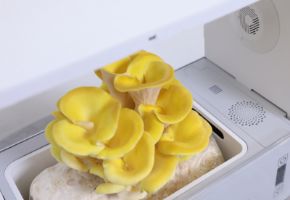
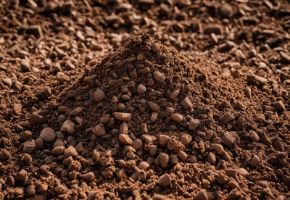
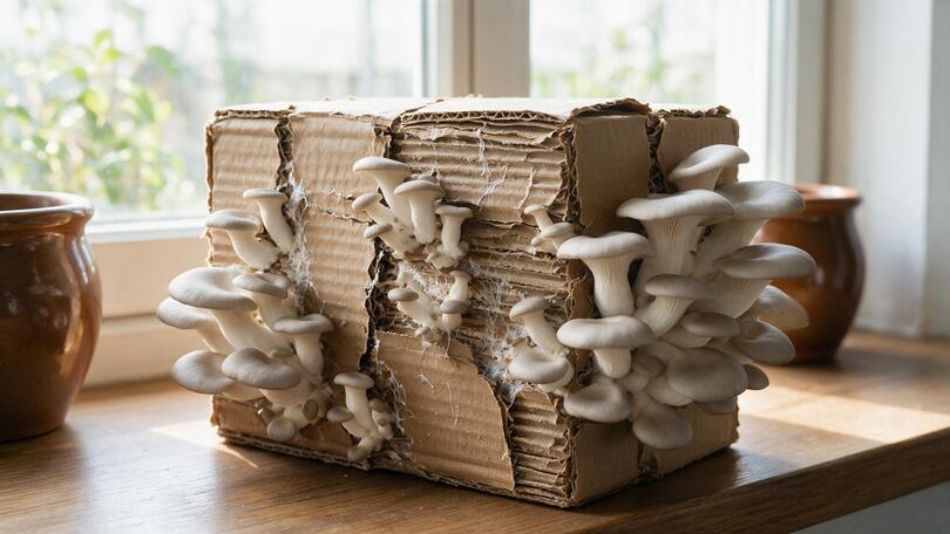
Growing Pleurotus on cardboard is revolutionizing the world of home mycology and amateur mushroom cultivation, offering unprecedented access to this fascinating and rewarding practice. For enthusiasts, expert growers, researchers, and simple hobbyists, this technique represents a turning point: economical, sustainable, and within everyone's reach. In this article, we will explore every aspect of this method, demonstrating how it is possible to start a successful Pleurotus mushroom cultivation using recycled materials, achieving surprising results and contributing to more conscious and circular consumption.
The impact of AI and new technologies is changing the way we learn and share knowledge, but nothing beats human passion and direct contact with nature. This guide combines scientific rigor with an engaging style, designed to capture the attention of anyone who wants to approach the magical world of cultivated mushrooms. Get ready to discover how simple cardboard can become the ideal substrate for a lush and flavorful pleurotus cultivation.
In this article...
1. Introduction: why choose cardboard?
Growing Pleurotus is an activity that fascinates for its simplicity and the tangible results it offers. Among the various substrates that can be used, corrugated cardboard stands out as the most economical and sustainable method. But it's not just a matter of cost: cardboard, when properly prepared, offers a perfect structure for the mycelium of the Pleurotus ostreatus mushroom, allowing for rapid and uniform colonization. This material, often considered waste, is transformed into a precious resource, perfectly embodying the principles of the circular economy and low-impact mushroom cultivation.
In an era where sustainability is at the center of daily choices, learning to grow mushrooms at home using cardboard waste is not only an educational and rewarding activity but also a concrete gesture towards the environment. The method we will present is designed to be replicated by anyone, even without specific equipment, making pleurotus cultivation accessible to a wide audience, from gardening enthusiasts to researchers looking for innovative and low-cost solutions for the production of cultivated mushrooms.
2. Why cardboard is the perfect substrate for Pleurotus cultivation
Corrugated cardboard, composed mainly of cellulose and lignin, constitutes an ideal habitat for lignicolous fungi such as Pleurotus ostreatus. Its porous structure favors aeration, a crucial element for mycelium development, while its ability to retain moisture creates the perfect microclimate for fruiting. Unlike other substrates such as straw or compost, cardboard is easily available, often free, and does not require complex sterilization procedures, making Pleurotus cultivation on cardboard extremely simple.
From a nutritional point of view, cardboard provides the mycelium with all the elements necessary for vigorous growth. Studies have shown that the yield of mushrooms on cardboard is comparable, if not superior in some cases, to that obtained with more expensive substrates. Furthermore, cultivating pleurotus ostreatus mushrooms on cardboard significantly reduces colonization times, allowing you to obtain the first cultivated mushrooms in just a few weeks. This speed, combined with the simplicity of the method, makes it perfect for those approaching the world of mushroom cultivation for the first time.
3. Which Pleurotus to grow on cardboard?
Not all Pleurotus species respond in the same way to cultivation on cardboard. However, some varieties adapt particularly well to this substrate, offering abundant and high-quality harvests. Here are the most suitable ones:
- Pleurotus ostreatus: the classic oyster mushroom, it is the most common and versatile species. Cultivating pleurotus ostreatus on cardboard is a guaranteed success, with rapid growth and excellent yield. Ideal for beginners.
- Pleurotus cornucopiae: also known as the "trumpet mushroom," it is a variety appreciated for its delicate flavor and crunchy texture. Cultivating pleurotus cornucopiae on cardboard is slightly slower but equally rewarding.
- Pleurotus eryngii: the king trumpet mushroom, a mushroom highly appreciated in cooking for its intense flavor and firm flesh. Cultivating pleurotus eryngii on cardboard is possible, although it requires more careful moisture management.
- Pleurotus nebrodensis: a rare and prized variety, typical of Sicily. Cultivating Pleurotus nebrodensis on cardboard is an interesting challenge for the more experienced, which can give great satisfaction. The cultivation of Pleurotus nebrodensis on this substrate is still being studied, but the first results are promising.
For those seeking maximum simplicity, Pleurotus ostreatus remains the best choice. For the more curious, experimenting with different varieties can enrich the experience and offer a wider range of flavors and textures. Remember that cultivating pleurotus mushrooms is a constantly evolving world, and each new attempt can lead to exciting discoveries.
4. Materials needed: what you need to get started
The beauty of growing Pleurotus on cardboard lies in its simplicity and the use of easily available materials. To start your first mushroom cultivation, you will need:
- Corrugated cardboard: cardboard from boxes is perfect. Avoid cardboard with colored prints or laminated. The quantity depends on the size of the container you will use.
- Pleurotus mycelium: you can buy it online or in specialized stores. To start, a pleurotus mushroom cultivation kit is ideal, or you can purchase mycelium on grain or sawdust.
- A container: it can be a plastic bucket, a wooden crate, a jute bag, or even a simple perforated plastic bag. The important thing is that it is clean and can hold the moistened cardboard.
- Water: preferably non-chlorinated. Tap water left to rest for 24 hours is fine.
- A large basin or bucket: for soaking the cardboard.
- Perforated plastic bags or plastic wrap: to maintain humidity during incubation.
- A spray bottle: to mist water and keep the substrate moist during fruiting.
With these simple materials, you are ready to begin your journey into mushroom cultivation. No expensive or complex equipment, just the pleasure of watching your cultivated mushrooms grow from a simple waste material.
5. Preparing the cardboard: the secret to healthy growth
The preparation of the cardboard is a fundamental step for the success of Pleurotus cultivation on cardboard. Well-prepared cardboard will ensure an optimal environment for the mycelium, reducing the risk of contamination and promoting rapid colonization. Follow these steps:
- Cut the cardboard: start by cutting the cardboard into strips about 5-7 centimeters wide, long enough to be immersed in water. Tear or cut off any labels, tape, or staples.
- Soaking: immerse the cardboard strips in lukewarm water (not boiling) for at least 4-6 hours, better if overnight. This process rehydrates the cellulose, making it softer and more receptive to the mycelium. The water must completely cover the cardboard; you can put a weight on top to keep it submerged.
- Draining: after soaking, drain the cardboard and gently squeeze it with your hands. The cardboard should be moist but not dripping. A good trick is to squeeze it until no more water comes out, but it remains well hydrated. This is the crucial point: if it is too wet, the mycelium could suffocate; if it is too dry, it will not develop.
- Inoculation (early): while you prepare the cardboard, you can already prepare the mycelium. Generally, the mycelium is already ready to be mixed with the substrate.
These simple steps are the basis for a successful Pleurotus cultivation. The quality of the soaking and the correct hydration of the cardboard are the factors that determine the speed and vigor of mycelial growth. Do not underestimate this step.
6. Inoculation and incubation: the key steps
Once the cardboard is prepared, we move on to inoculation, that is, the introduction of the mycelium into the substrate. This phase, together with incubation, is the beating heart of mushroom cultivation. Here is how to proceed:
Layer-by-layer inoculation
Take your container and start creating alternating layers of cardboard and mycelium. On the bottom of the container, spread a layer of moist cardboard (about 3-4 cm thick). Sprinkle a little mycelium evenly (if in powder or on grain) over the entire surface. Cover with another layer of cardboard and repeat the operation until the container is full. Finish with a layer of cardboard. For Pleurotus ostreatus, a ratio of about 1 part mycelium to 5-6 parts cardboard is ideal. For cultivating Pleurotus cornucopiae, you can slightly increase the amount of mycelium.
Incubation
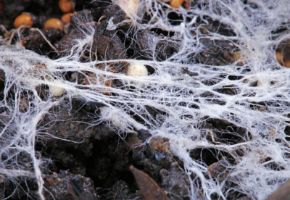
After inoculating the substrate, the container must be placed in a dark, warm, and humid place for incubation. The ideal temperature for pleurotus cultivation in this phase is between 20°C and 24°C. Cover the container with a perforated plastic bag or with plastic wrap to maintain high humidity (around 90-95%). Periodically check that the substrate remains moist, misting water if necessary. During incubation, the white mycelium will begin to spread into the cardboard, colonizing it completely. This process, for cultivating Pleurotus ostreatus on cardboard, can take from 10 to 20 days, depending on the conditions.
Patience is a virtue in this phase. Do not touch or move the container during incubation, so as not to disturb the mycelium growth. When the cardboard is completely covered by a white, compact "mantle," it will be time to move on to fruiting.
7. The most economical cultivation: savings and sustainability
As we mentioned, growing Pleurotus on cardboard is by far the most economical method. But how much do you really save? Let's analyze the costs:
| Expense item | Estimated cost | Alternative (straw/sawdust) |
|---|---|---|
| Substrate | Free (recycled cardboard) | 5-15 € (straw or sawdust) |
| Mycelium | 10-20 € (one pack for multiple cycles) | 10-20 € |
| Container | Free (recycled bucket/bag) | 5-10 € (specific bags) |
| Water | Negligible | Negligible |
| Total cost | 10-20 € (for unlimited cycles) | 20-45 € (per single cycle) |
In addition to the economic savings, there is a huge environmental benefit: giving cardboard a second life, reducing waste and the use of resources. Growing mushrooms with this method fits perfectly into a circular economy model, where waste becomes a resource. Growing your own mushrooms at home also means reducing the impact related to the transport and packaging of products bought at the supermarket.
Another aspect to consider is the yield. With a well-prepared bale of cardboard (meaning the quantity of substrate), it is possible to obtain up to 1-2 kg of Pleurotus mushrooms in multiple harvests (flushes). Cultivating a mushroom bale with cardboard is therefore becoming an increasingly widespread practice, even among small producers. NatureNext offers guides and products on its site to optimize this technique, demonstrating that growing mushrooms is profitable even with a minimal investment.
8. Care and growth management
Once incubation is complete, the container should be moved to a brighter location, but not directly exposed to the sun, for fruiting. The ideal temperature for mushroom cultivation in this phase is cooler, around 18-22°C. Light, particularly with an appropriate spectrum, plays an important role in the development of fruiting bodies.
Humidity is the most critical factor for mushroom formation. It is necessary to maintain a high humidity level, around 80-90%, misting water onto the cardboard and the walls of the container (or bag) several times a day. Good ventilation is equally important: mushrooms produce carbon dioxide which, if stagnant, can inhibit growth. Opening the bag or container a couple of times a day to exchange the air is an essential practice. For more demanding growers, using an LED lighting system can promote healthier and more uniform mushroom growth, simulating natural conditions.
Here are some practical tips for daily management:
- Mist regularly: at least 2-3 times a day, especially if the environment is dry.
- Ensure good air exchange: if you notice that the mushrooms are growing with long stems and small caps, it is a sign that there is little oxygen.
- Check the substrate: if the cardboard starts to dry out, water it gently with a spray.
- Avoid water stagnation: excess stagnant water can promote the appearance of mold.
9. Harvesting, yield, and post-harvest
About 5-10 days after the appearance of the first primordia (small mushroom buds), your Pleurotus mushrooms will be ready for harvest. The right time to harvest is when the mushroom cap has fully opened and the edges are still slightly turned downwards or just beginning to lift. For Pleurotus ostreatus, the cap diameter can vary from 5 to 15 cm. For cultivating Pleurotus eryngii (king trumpet), it is harvested when the stem is well fleshy and the cap begins to flatten out.
To harvest, grasp the mushroom at the base and gently twist it to detach it from the substrate, or cut it with a clean knife. Avoid tearing it off, so as not to damage the mycelium, which could produce a second or third flush. After the first harvest, continue to mist and maintain the humidity conditions: within 10-15 days you may see a new appearance of mushrooms.
Yield and storage
The yield of Pleurotus cultivation on cardboard is surprising. A "bale" of cardboard of about 10 liters can produce up to 1.5-2 kg of mushrooms in total, distributed over 2-3 flushes. The yield in kilograms is comparable to that of more expensive substrates, confirming the efficiency of this method.
The mushrooms should be stored in the refrigerator, preferably in a paper bag (which absorbs excess moisture) or in an airtight container with a sheet of absorbent paper. Under these conditions, they keep fresh for about 5-7 days. For longer storage, they can be dried, frozen, or preserved in oil. Home-grown mushrooms, harvested fresh, have an incomparable flavor and aroma compared to store-bought ones.
10. Common problems and solutions during cultivation
Even with the best preparation, during mushroom cultivation some problems can arise. Here are the most common ones and how to solve them:
| Problem | Cause | Solution |
|---|---|---|
| Green/black mold on the substrate | Contamination by mold spores present in the air or on the cardboard. | Remove the contaminated part with a spoon. If the area is extensive, the substrate is unrecoverable. Prevent by partially sterilizing the cardboard (immersion in boiling water for 5 minutes) or using vigorous, healthy mycelium. |
| Mycelium not growing | Substrate too dry or too wet, wrong temperature, or poor quality mycelium. | Check the humidity and temperature. The cardboard must be moist to the right point. If it is too dry, mist; if it is too wet, squeeze it gently. Make sure the temperature is between 20 and 24°C. |
| Mushrooms with long stem and small cap ("stem" growth) | Lack of oxygen and/or light. | Increase ventilation and provide more (indirect) light. For home mushroom cultivation, place the container in a more airy location. |
| Mushrooms drying out or not growing | Humidity too low. | Increase the frequency of misting. You can also place the container on a tray with pebbles and a little water to increase ambient humidity. |
| Appearance of fungus gnats (sciarids) | Often introduced with the substrate or from nearby plants. | Yellow sticky traps (available online). Keep the environment clean and do not overdo it with humidity. |
Prevention is always the best cure. Using clean materials, quality mycelium, and maintaining a hygienic environment are the first rules for a trouble-free mushroom cultivation. If you are a beginner, rely on a pleurotus mushroom cultivation kit, which will provide you with all the tools and instructions to minimize risks.
11. FAQ: answers to the most frequently asked questions
In this section, we have collected the questions that enthusiasts, growers, students, and entrepreneurs most often ask us about mushroom cultivation and the cardboard method.
Using natural substrates (such as cardboard) without chemical additives, maintaining a clean environment, and using certified organic mycelium. Growing Pleurotus on cardboard is itself an organic method, if untreated cardboard and pure water are used.
Pleurotus, particularly Pleurotus ostreatus, are the simplest. Shiitake and champignon are also relatively easy, but require specific substrates. For home cultivation, Pleurotus is unbeatable.
Very little. A 1 square meter shelf can house several cardboard "bales," allowing you to produce several kilograms of mushrooms. Home mushroom cultivation is perfect for small spaces, such as cellars, garages, or even a corner of the kitchen.
Extremely low. As seen, the substrate is free and the container can be recycled. The only expense is the mycelium, which starts from about 10-15 euros. With a NatureNext kit, you have all the controlled materials and start off on the right foot.
A thermo-hygrometer to monitor temperature and humidity, an automatic mister, and, for the more experienced, LED lighting systems (like those from Ledpoint.it) to optimize photoperiod and growth. A small fan for air exchange can also make a difference.
Absolutely yes. The cardboard method does not require any chemicals. Organic mushroom cultivation is based on hygiene practices and environmental condition control. The mycelium itself, if healthy, is an excellent defense against contamination.
Reusing waste such as cardboard is certainly the most sustainable of all. It reduces waste and does not require the use of additional resources for substrate production. Furthermore, home mushroom cultivation reduces the carbon footprint linked to transport.
Mushroom cultivation can be very profitable, given the high demand for fresh, high-quality mushrooms. With a minimal investment and careful management, it is possible to supplement your income or start a real micro-enterprise. The key is the quality of the product and the ability to stand out in the market.
Create valuable content (like this article!), use social media to show the cultivation process, tell the sustainable story of your product, and use e-commerce platforms like NatureNext.eu to reach an audience of enthusiasts and connoisseurs.
In addition to traditional consumption, there is growing attention towards mushrooms as "functional food" ingredients, thanks to their beneficial properties. Furthermore, "gourmet" mushrooms such as Pleurotus eryngii (king trumpet) and Pleurotus nebrodensis are increasingly in demand on the menus of haute cuisine restaurants.
12. NatureNext products for your cultivation
For those who wish to undertake Pleurotus cultivation on cardboard with maximum peace of mind and success, NatureNext.eu offers a range of products designed specifically for hobbyists and professionals. The pleurotus mushroom cultivation kits from NatureNext contain selected and vigorous mycelium, ready-to-use substrates, and detailed guides that guide you step by step. In addition, you can find accessories such as special containers, cultivation bags, and systems for controlling humidity and temperature.
NatureNext stands out for the quality of its products and attention to the sustainable supply chain. By choosing their kits, you are guaranteed to use top-quality materials, certified mycelium, and achieve optimal yield. For more experienced growers, NatureNext also offers pure mycelium for large-scale mushroom cultivation, and personalized consultations.
Visit the NatureNext website and discover how to start or perfect your cultivation. Each product is designed to ensure a rewarding and successful mushroom cultivation experience, in full respect of the environment and mycological tradition.
Start your adventure in pleurotus mushroom cultivation today with NatureNext products and turn your cardboard waste into a harvest of fresh, tasty mushrooms. Growing mushrooms has never been so easy, economical, and sustainable.
This article was developed with the support of artificial intelligence and subsequently reviewed, corrected, and validated by the NaturNext.eu technical team, which guarantees its reliability and compliance with official sources.
The kingdom of fungi is a constantly evolving universe, with new scientific discoveries emerging every year about their extraordinary benefits for intestinal health and general well-being. From today on, when you see a mushroom, you will no longer think only of its flavor or appearance, but of all the therapeutic potential it contains in its fibers and bioactive compounds. ✉️ Stay connected - Subscribe to our newsletter to receive the latest studies on: Nature offers us extraordinary tools to take care of our health. Mushrooms, with their unique balance between nutrition and medicine, represent a fascinating frontier that we are just beginning to explore. Continue to follow us to discover how these extraordinary organisms can transform your approach to well-being.Continue your journey into the world of mushrooms