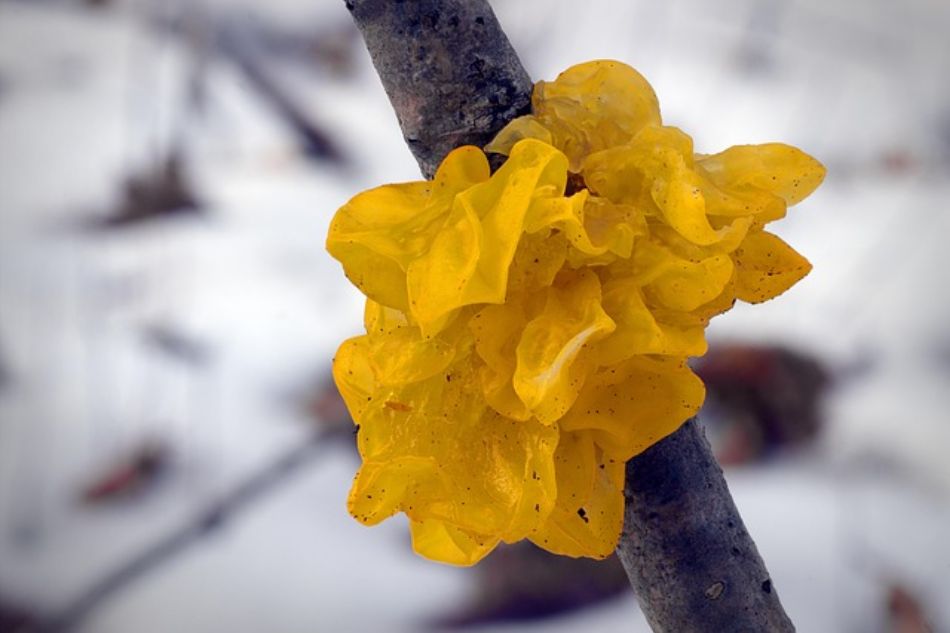
In this in-depth article, we'll explore the extraordinary properties of the Tremella fuciformis mushroom, also known as "snow mushroom" or "silver ear," and its potential as a valid natural alternative to hyaluronic acid. Through scientific data, clinical studies, and comparative analyses, we'll discover how this medicinal mushroom can offer superior benefits for skin health and overall well-being, with a sustainable and organic approach.
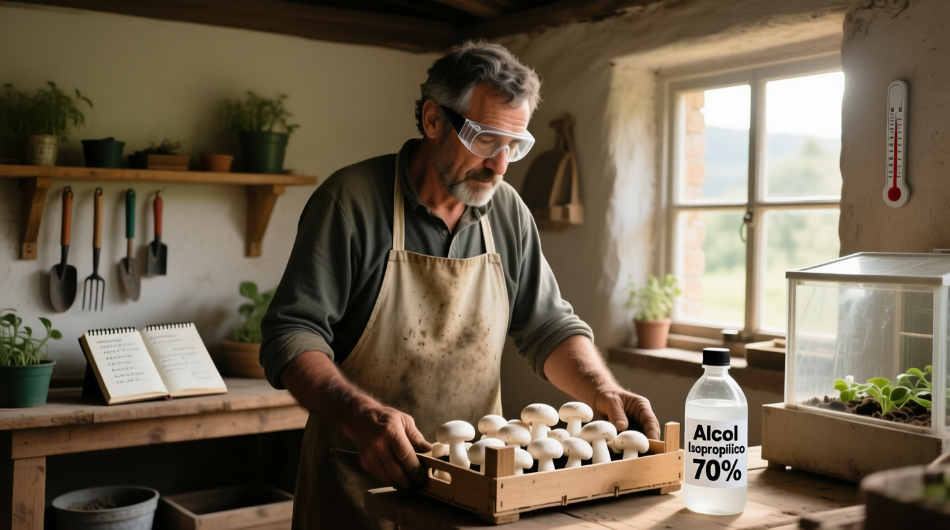
Isopropyl alcohol is one of the most important tools in the toolbox of every serious mycologist and mushroom grower. This chemical compound, often abbreviated to IPA (for isopropyl alcohol), has become an indispensable ally in the fight against contamination that can compromise entire mushroom crops. Its effectiveness in creating sterile environments and aseptic surfaces makes it essential in every phase of the cultivation process, from substrate preparation to final harvest. In this article, we will explore in depth the properties, optimal concentrations, and practical applications of this valuable disinfectant, providing scientific data, comparative tables, and practical advice based on the experience of professional growers and laboratory research. Choosing the appropriate concentration of isopropyl alcohol is not as trivial as it might seem at first glance. Several studies have shown that microbiological efficacy varies significantly based on the percentage of active ingredient in the solution, with direct implications for production costs and operator safety. Through a detailed analysis of scientific publications and field experiences, we will try to shed light on this crucial aspect, debunking some common myths and providing evidence-based guidelines for the optimal use of this disinfectant in daily mycological practice.
Suillus luteus, commonly known as the cork oak or common cork oak (different from the grey cork oak), is one of the most interesting and sought-after mushroom species in Italian mycology. This fungus, belonging to the Suillaceae family, is distinguished by its unique morphological characteristics and its close symbiotic relationship with various conifer species. In this in-depth factsheet, we explore every aspect of this fascinating basidiomycete, from taxonomy to ecology, from nutritional properties to identification techniques, offering readers a comprehensive and detailed overview that meets the needs of both expert mycologists and amateur collectors.



 – dati botanici, caratteristiche, morfologia, habitat, proprietà_950.jpeg "Cork (Suillus luteus) – botanical data, characteristics, morphology, habitat, properties")