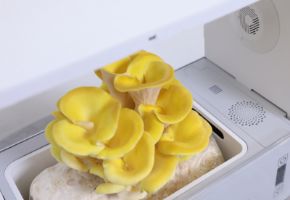
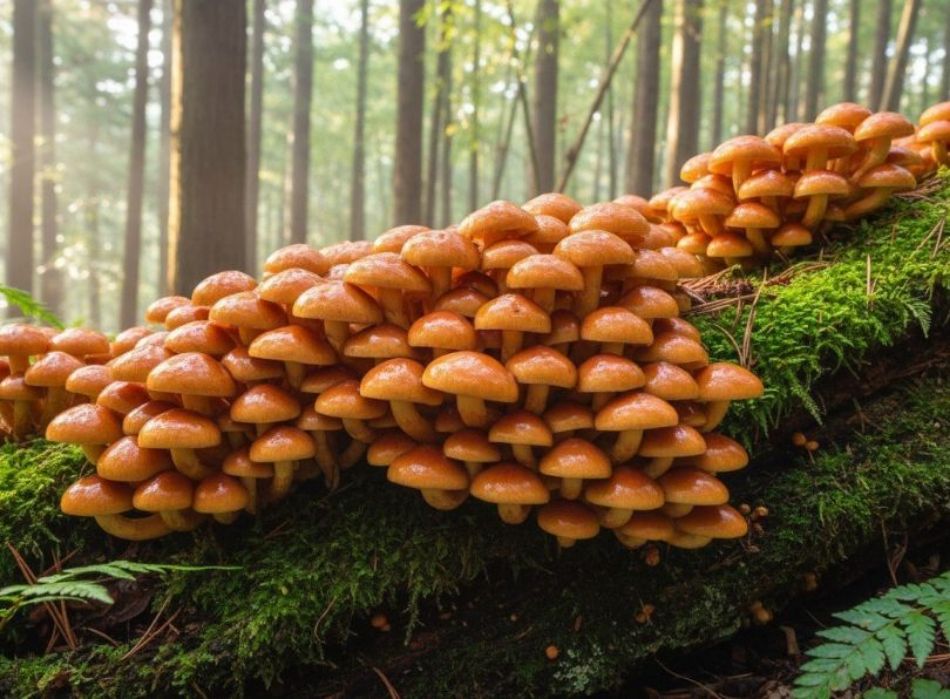
In the vast and fascinating kingdom of mushrooms, few species so harmoniously combine distinctive culinary characteristics, a peculiar morphology, and the cultivability that has led to its global success as the Nameko mushroom, scientifically known as Pholiota nameko. For mycologists, mushroom growers, and mushroom foraging enthusiasts, this basidiomycete represents an extraordinarily interesting subject of study, a cross between a wild mushroom with a specific ecological niche and a cultivar of primary economic importance in the Far East.
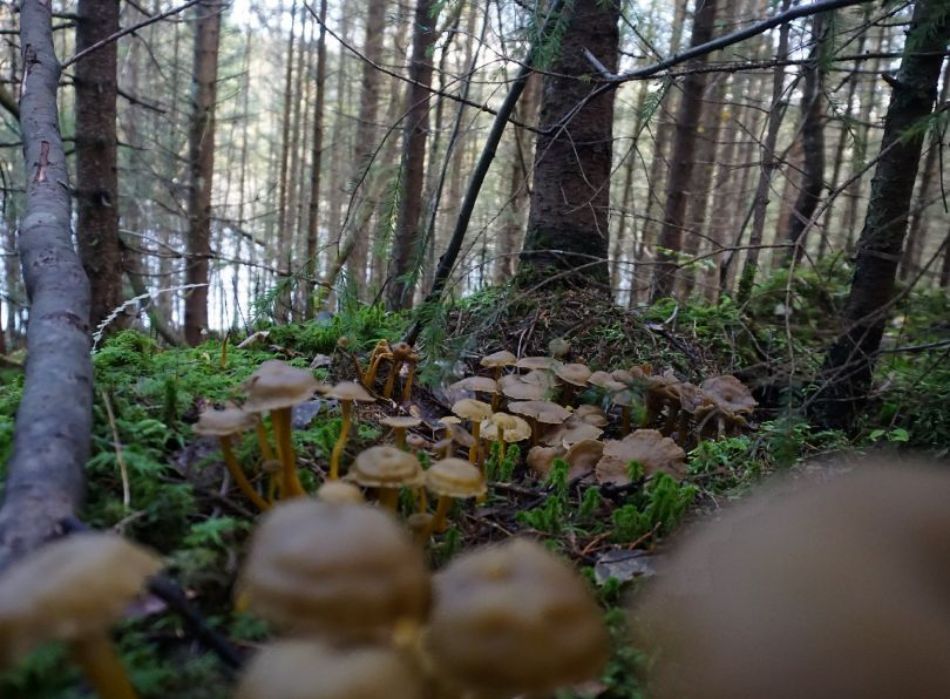
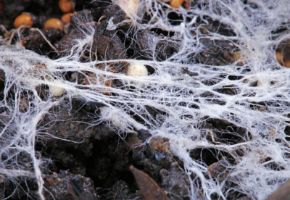
In this article, we explore one of the most fascinating and least-known aspects of forest life: the fundamental role that fungi play in allowing forests to "breathe." For decades, scientific research has underestimated the importance of the fungal kingdom, focusing primarily on plants and animals. Today, thanks to innovative research, we know that without fungi, forests as we know them would not exist. This article is aimed at botanists, mycologists, mycoculturists, and mushroom enthusiasts, offering a detailed analysis supported by scientific data, recent research, and mycological curiosities. Through a journey into the underground world of fungal hyphae, we will discover how fungi create complex communication networks, facilitate the exchange of nutrients between trees, sequester carbon from the atmosphere, and contribute to the resilience of forest ecosystems. Each section is designed to offer in-depth information, with detailed tables, up-to-date statistics, and references to authoritative scientific studies.
Before revealing our secret recipe for this vegan pate, it's only right to dedicate an in-depth section to the undisputed star: the shiitake. Native to East Asia, this basidiomycete is the second most cultivated edible mushroom in the world, with global production exceeding 8 million tons annually (FAO 2021 data). Its history has been intertwined for millennia with that of traditional Chinese and Japanese medicine, where it was considered not simply a food, but a true remedy, an elixir of long life. Today, modern science has begun to validate many of these ancient beliefs, isolating and studying the numerous active compounds present in its mycelium and fruiting body. Understanding this allows us to fully appreciate the value of vegan pate and manipulate the ingredients to preserve and enhance their benefits.