Let's explore in depth one of the most fascinating and mysterious fungi in the Basidiomycetes kingdom, Tremella fuciformis, commonly known as "snow mushroom" or "silver ear." This article aims to dissect every aspect of this organism, from its complex taxonomy to its most modern applications in cosmetics and nutraceuticals, providing mycologists, mushroom growers, and all enthusiasts with a comprehensive and up-to-date resource.
 morfologia, caratteristiche, habitat_950.png "Poria cocos (Fu Ling): morphology, characteristics, habitat")
In the vast and fascinating kingdom of fungi, few organisms combine such seemingly unassuming appearance with therapeutic potential and a history of use so deeply rooted in traditional medicine as Poria cocos. Known in Chinese as Fu Ling, this mushroom is not a common inhabitant of our forests, but a saprophyte that leads a hidden life, closely associated with the roots of specific trees, especially pines. Its importance transcends simple mycological interest, extending into the fields of phytotherapy, nutritional supplementation, and modern biomedical research. This article aims to explore every aspect of this extraordinary mushroom, from its often confusing taxonomy and morphology, to its specific habitat, to its biochemical properties and its many uses. This in-depth journey will lead us to understand why this mushroom, which lacks the showy cap of a porcini or chanterelle, is considered a true jewel of nature, a "mushroom-pharmacy" whose potential is still the subject of intense research today. We will also explore the curious ecological relationship that links it to plants such as the artichoke and the corn artichoke, a little-known but crucial aspect to understanding its biology.
Piptoporo, scientifically known as Fomitopsis betulina, is one of the most fascinating and historically rich fungal species in European mycology. Also known as birch mushroom, this basidiomycete has accompanied humans for millennia, providing not only valuable working material but also a complex of active ingredients with extraordinary medicinal properties. In this in-depth technical guide, we will explore every aspect of this polyporous mushroom, from its most minute morphological characteristics to the most recent scientific discoveries confirming its therapeutic potential.



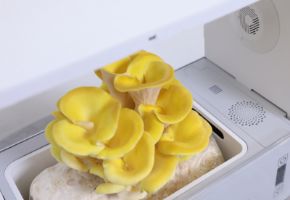

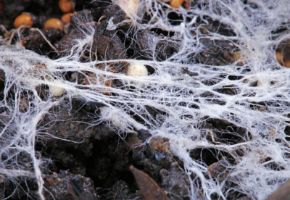

 – caratteristiche, specie, morfologia, habitat, proprietà, usi_950.jpeg "Tremella fuciformis (Snow Mushroom) – characteristics, species, morphology, habitat, properties, uses")
 morfologia, caratteristiche, dati botanici, habitat, usi, proprietà_950.png "Piptoporo (Fomitopsis betulina): morphology, characteristics, botanical data, habitat, uses, properties")