The grey boletus, scientifically known as Leccinum scabrum, is one of the most prized and sought-after mushroom species among Italian mushroom enthusiasts. This mushroom, belonging to the Boletaceae family, is distinguished by its unique morphological characteristics and culinary versatility. In this in-depth technical guide, we will explore every aspect of this fascinating basidiomycete, from taxonomic data to nutritional properties, including its preferred habitat and identification techniques.
Spring Russula, scientifically known as Russula vesca, is one of the most interesting and sought-after mushroom species in Italian mycology. Belonging to the vast Russulaceae family, this mushroom stands out for its organoleptic characteristics and relative ease of identification compared to other species of the Russula genus. In this article, we will delve into every aspect of this fascinating mushroom, from its taxonomy and ecology to its nutritional properties and culinary uses. Many mycologists consider Russula vesca one of the most prized edible mushrooms, despite the often modest reputation that accompanies the Russula genus as a whole. Harvesting Russula requires care and knowledge, as there are numerous similar species, some of which are toxic. Russula vesca is characterized by its fleshy cap, white gills, and sturdy stem, but it's the details that make the difference in correct identification. Through this comprehensive guide, we will explore every aspect of this mushroom, providing scientific data, comparison tables, and detailed information that will be useful to both professional mycologists and simple mushroom picking enthusiasts.
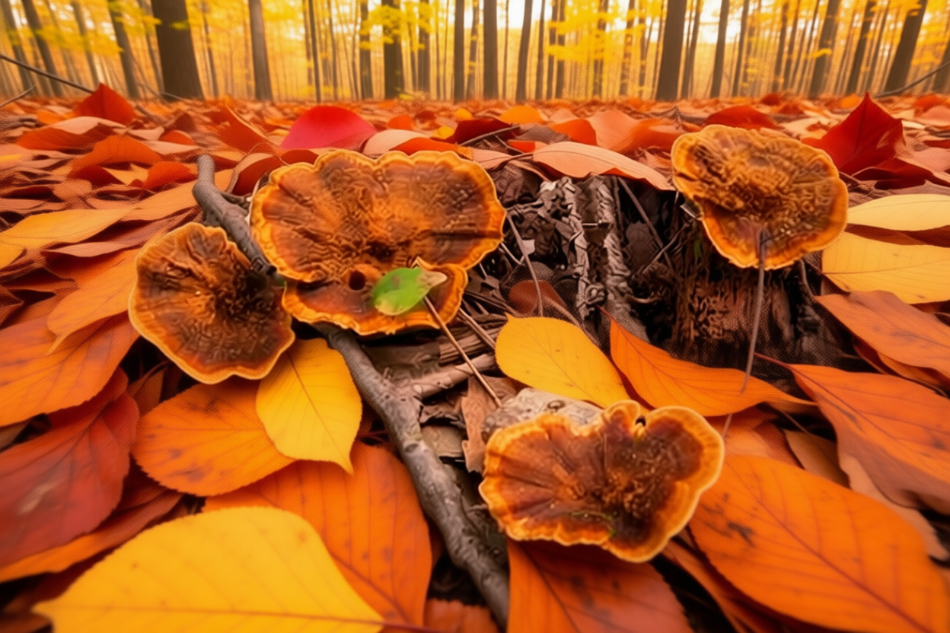
Coltricia cinnamomea is one of the most intriguing and underrated fungal species in the European mycological landscape. This small polypore, also known as the "Cinnamon Fungus" due to the characteristic color of its fruiting body, belongs to the Hymenochaetaceae family and is distinguished by its unique ecological and morphological characteristics. Despite its modest size and lack of culinary interest, Coltricia cinnamomea deserves special attention from mycologists, botanists, and mushroom enthusiasts for its biological peculiarities and the fundamental role it plays in forest ecosystems.




 – dati botanici, caratteristiche, morfologia, habitat, propriet_950.jpeg "Grey pig (Leccinum scabrum) – botanical data, characteristics, morphology, habitat, properties")