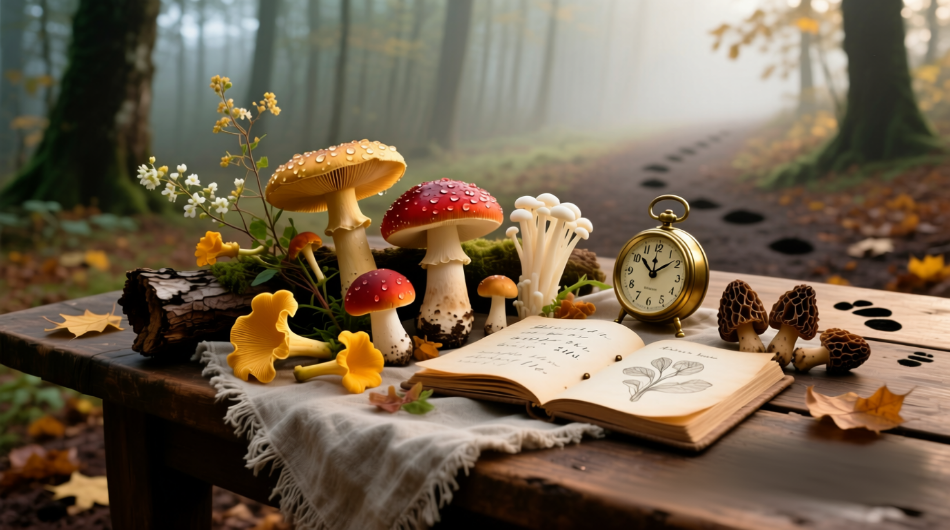
An in-depth journey through the annual cycle of edible mushrooms in Italy, with detailed analyses of the seasons, habitats, and the most effective harvesting techniques for each time of year.
In an era dominated by haste and the pursuit of immediate experiences, slow tourism represents a rediscovery of travel as a moment of profound connection with local areas, their traditions, and their products. In this context, mushroom excursions are an ideal practice for those who wish to combine a passion for nature, gastronomic discovery, and a sustainable approach to travel. This article explores the world of mushroom tourism in depth, analyzing its ecological, nutritional, and cultural aspects, with a particular focus on sustainable harvesting practices and the value of mushrooms as a food and economic resource for local communities.
Sardinia, with its pristine landscapes and unique biodiversity, is one of the most fascinating regions for mycology enthusiasts. This article explores the Sardinian mushroom world in depth, analyzing the species present, their growth locations, their nutritional characteristics, and the regulatory aspects of harvesting. We'll discover together why the island is considered a true paradise for mushroom hunters and the unique characteristics that make Sardinian mushrooms such a high-quality product.