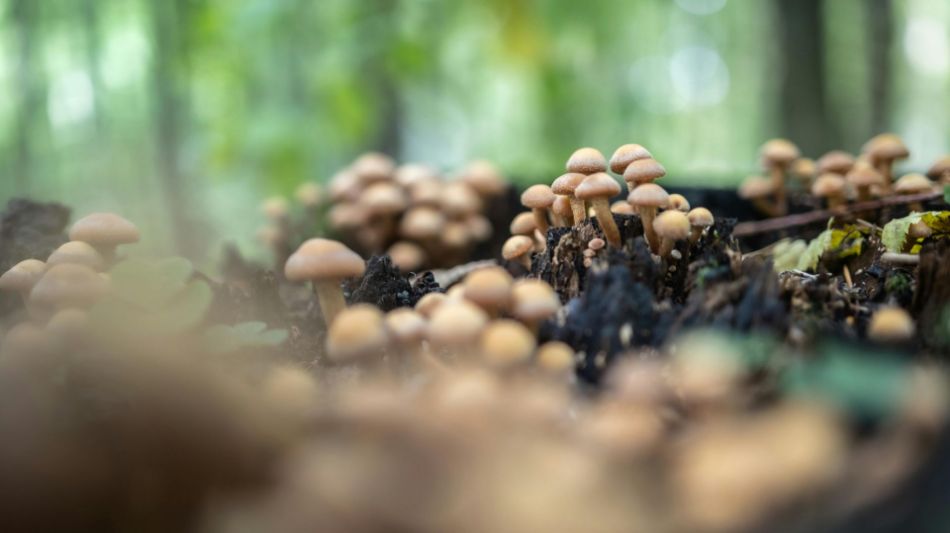
The ability to predict a fruitful mushroom season is the holy grail for every mushroom enthusiast, from the occasional forager to the professional mycologist. This in-depth guide explores the complex environmental mechanisms that influence fungal growth, offering analytical and observational tools to make reliable predictions about a season's productivity. Through the analysis of climate data, biological indicators, and predictive models, we will discover how to interpret the signals nature offers us months before the actual fruiting bodies appear.
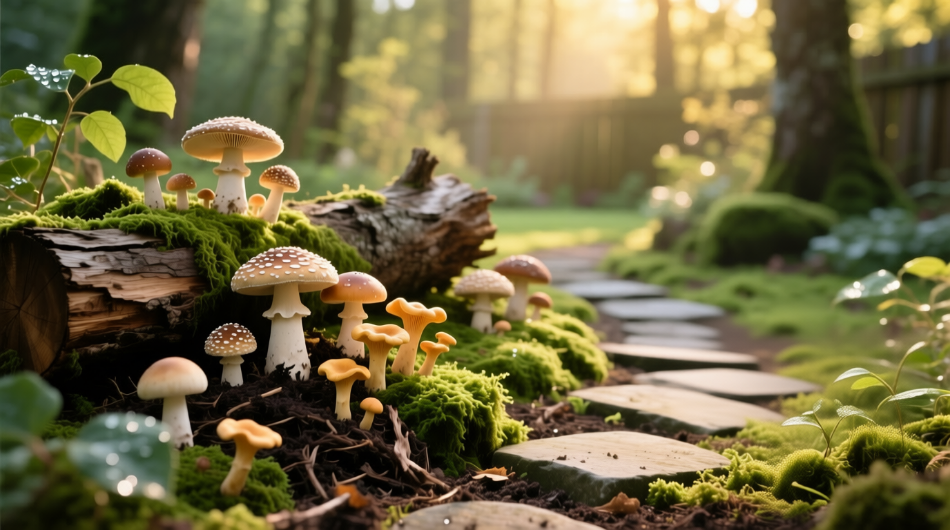
Creating a mushroom-friendly garden represents one of the most fascinating frontiers of applied mycology. This technical article aims to guide enthusiasts, botanists, and mycologists through the complex processes that transform a simple green space into a productive and sustainable fungal ecosystem. Through an in-depth analysis of morphological characteristics, preferred habitats, and the most advanced mycoculture techniques, we will explore how to optimize every aspect of your garden to encourage the spontaneous and controlled growth of edible and beneficial fungal species.
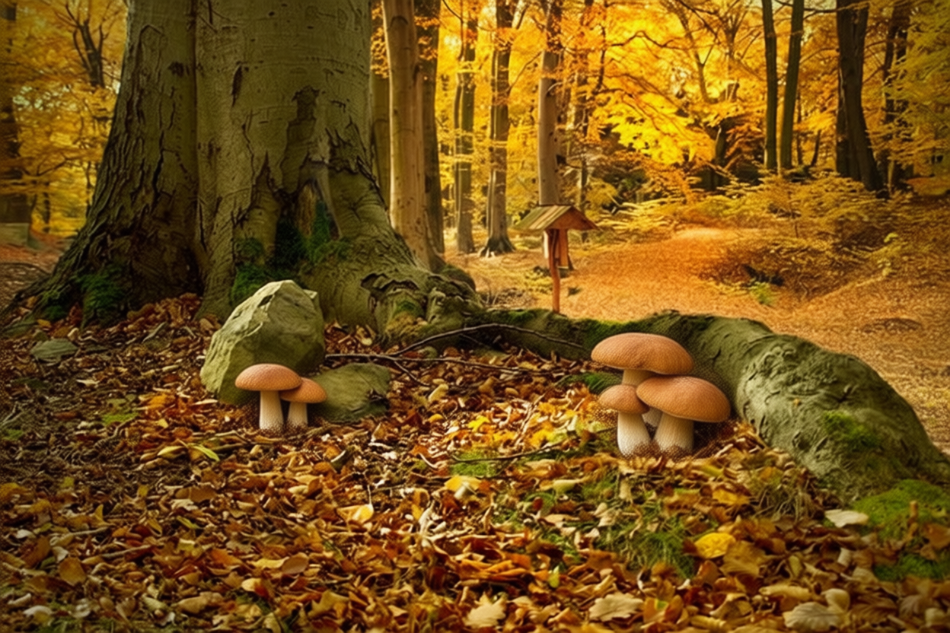
The Alpine beech ecosystem represents one of the richest and most complex habitats for mycodiversity, particularly for saprophytic fungi, which play a key role in the organic matter cycle. In this technical study, we will explore the morphological characteristics of the beech, its specific habitat in the Alpine regions, and the intricate symbiotic relationships it establishes with numerous fungal species, with particular attention to quantitative data and the most recent scientific research.