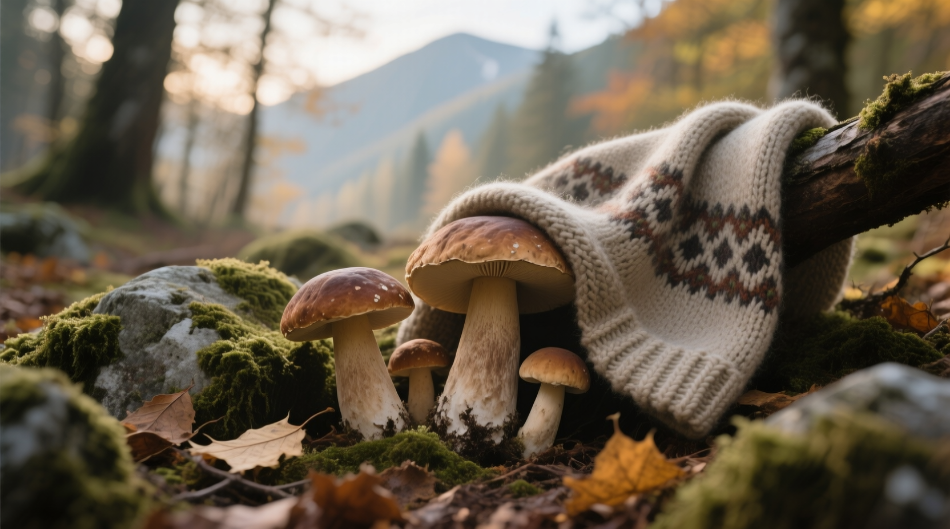
Nestled in the heart of the Gran Paradiso National Park, the Ceresole Reale Forest represents one of the most intact and evocative forest ecosystems in the entire Alpine region. This natural sanctuary, with its majestic larches and centuries-old firs, preserves a priceless mycological heritage, where rare and valuable species find their ideal habitat. In this in-depth study, we will explore every aspect of this alpine forest, analyzing in detail its ecological characteristics, the fungal species that populate it, and the intricate symbiotic relationships that make this environment a true paradise for mycologists and enthusiasts.
Mountains represent one of the most fascinating and challenging ecosystems on our planet, where life has had to adapt to cold and extreme conditions. In this realm of dizzying altitudes and frigid temperatures, fungi have developed surprising strategies to not only survive but thrive. This article delves into the mysterious world of alpine mushrooms, their mechanisms of cold adaptation, and the beneficial properties some of these mountain species possess, particularly those related to cholesterol management.
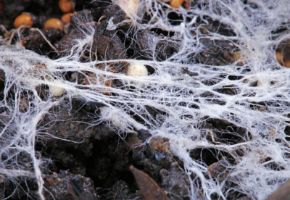
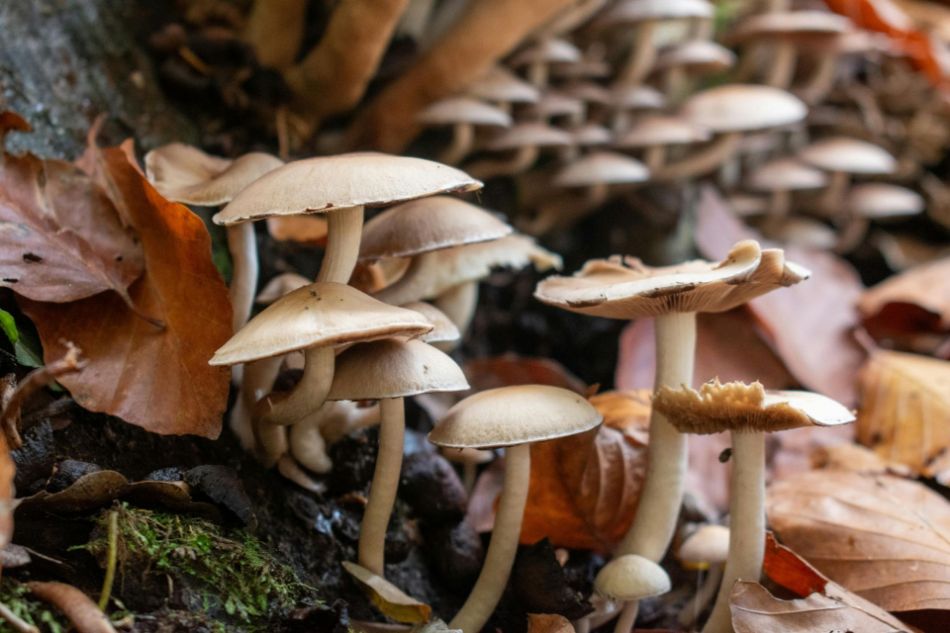
In a forest ecosystem, nothing is wasted. Every element, even decaying ones, becomes a resource for new forms of life. In this perpetual cycle of death and rebirth, a silent and tireless group of organisms plays a fundamental role: saprophytic fungi. These extraordinary decomposers, often overlooked in favor of their mycorrhizal or parasitic cousins, are the forest's true street cleaners, the invisible architects who transform dead wood, fallen leaves, and organic debris into fertile humus, closing the circle of life and sustaining the entire food web.