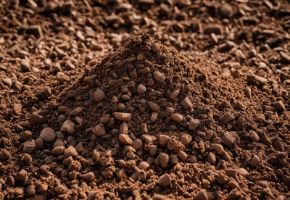
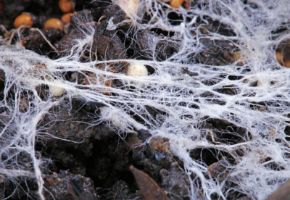
Italy, with its rich natural heritage and millennia-old agricultural history, is currently facing a crucial challenge: the regeneration of soils degraded by years of industrialization, intensive farming practices, and pollution. In this context, an innovative solution is emerging from the world of mycology, where fungi and mycelia are being used in bioremediation pilot projects across the peninsula. This article explores in depth how these extraordinary life forms are revolutionizing our approach to environmental restoration, offering sustainable and cost-effective solutions to restore vitality to compromised soils.
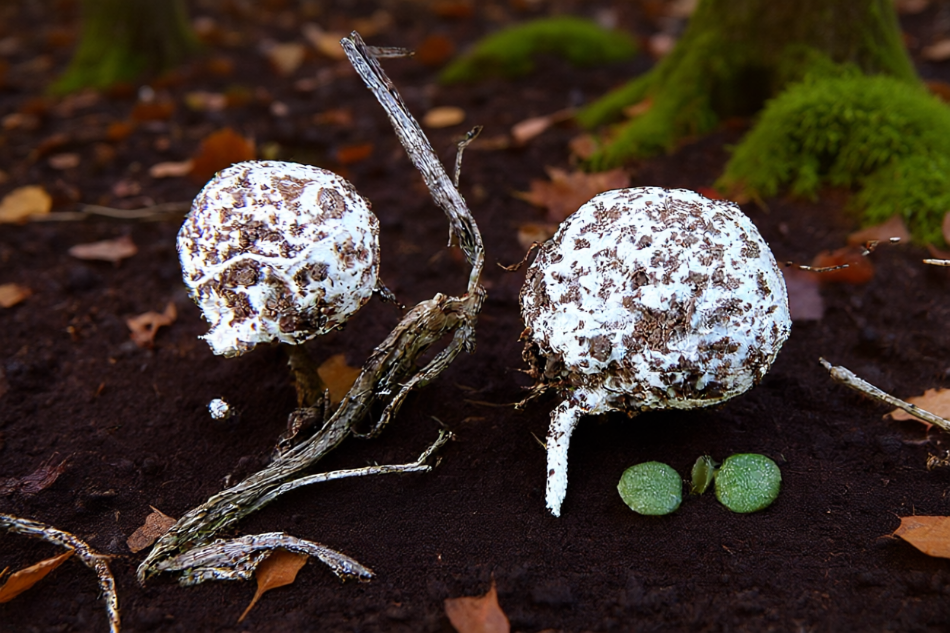
Today, we explore the critical status of endangered fungi in Italy, the threatened species, and conservation strategies in a detailed and in-depth analysis. Italy, with its extraordinary variety of ecosystems and microclimates, is home to one of the richest mycological diversity in Europe. However, this incredible biodiversity is increasingly threatened by anthropogenic and environmental factors. In this article, we will examine in detail the conservation status of fungi in our country, identifying the most endangered species, analyzing the causes of their decline, and proposing strategies for their protection. Through updated data, distribution maps, and scientific insights, we will attempt to paint a comprehensive picture of the situation, offering food for thought and action for enthusiasts, mycologists, and conservationists.
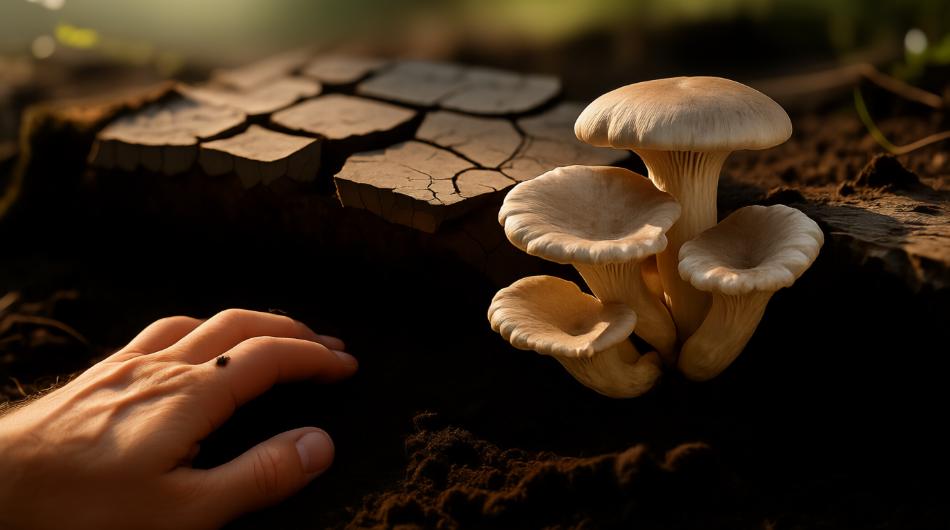
Today we'll delve into the fascinating and often overlooked world of urban fungi, which unexpectedly thrive in urban environments. Walking through the streets of your city, amidst concrete buildings and crowded sidewalks, you may notice tiny mushrooms sprouting from a flowerbed or at the foot of a tree: these extraordinary organisms represent just the tip of the iceberg of a complex and fascinating ecosystem that literally unfolds beneath our feet. Urban fungi aren't simply "country" species adapted to the city; they often represent specific fungal communities that have evolved unique characteristics to thrive in human-dominated environments.