In the vast and mysterious kingdom of fungi, a fascinating question is emerging in the scientific community: can mushrooms feel pain? This seemingly simple question hides biological, philosophical, and ethical complexities that are revolutionizing our approach to mycology. In this article, we explore the scientific evidence, physiological mechanisms, and implications of this extraordinary discovery, which could forever change our relationship with the fungal world.
A fascinating journey through the mysteries of mycology in ancient Egyptian civilization, from forgotten hieroglyphics to religious rites and medicinal practices that have endured for millennia. This article delves deeply into the complex relationships between fungi and one of the most advanced civilizations of antiquity, revealing unexpected connections that continue to shape our understanding of the history of mycology.
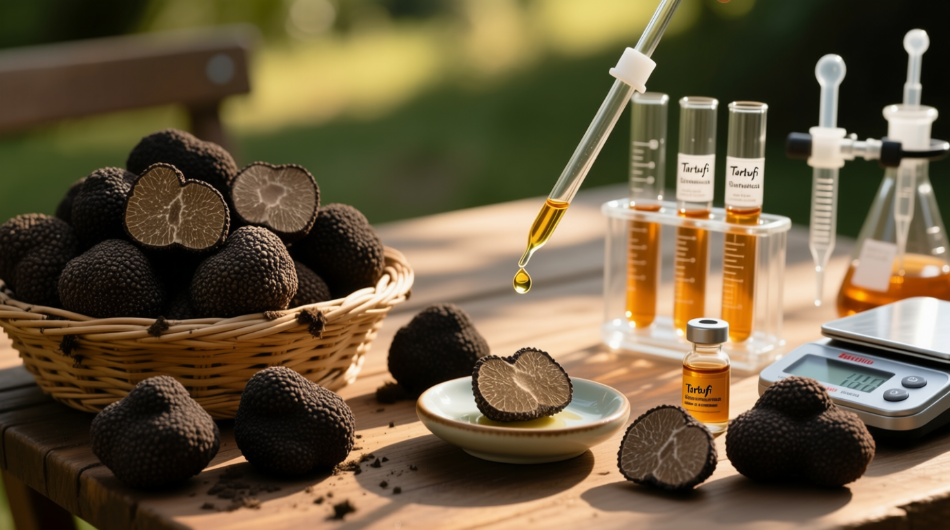
The article you are about to read represents one of the most comprehensive and in-depth analyses ever conducted on the topic of synthetic truffles and lab-produced truffle flavors. In an era where technology is advancing exponentially and sustainability is becoming a top priority, the world of truffles, long tied to centuries-old traditions and ancestral practices, is facing an unprecedented revolution. This study meticulously examines every aspect of this momentous transformation, providing data, statistics, and detailed analyses ranging from the chemistry of flavors to their economic impact, from environmental implications to future market prospects.