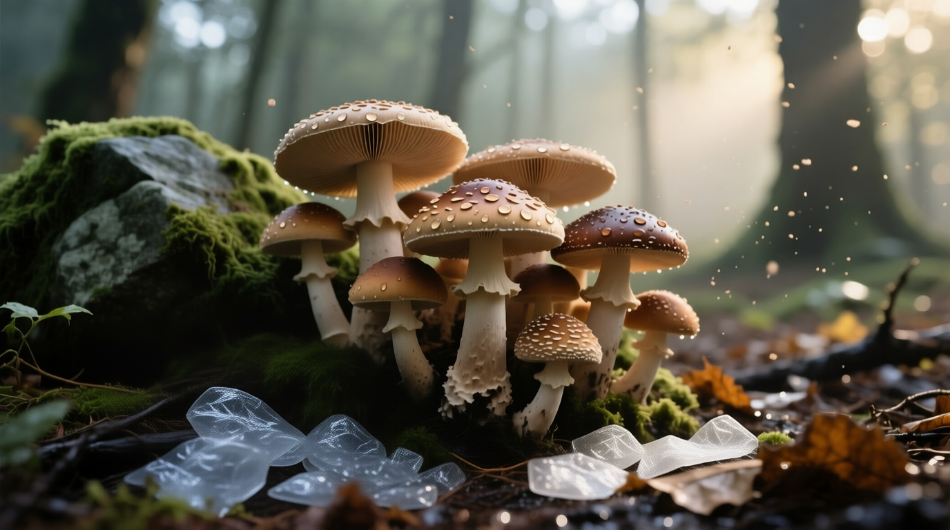
For centuries, gathering wild mushrooms has been an activity deeply rooted in culture and tradition, a bridge between humans and the forest that has provided not only nourishment but also mystery and wonder. Mycologists, botanists, and amateurs have always focused their attention on traditional dangers: the toxicity of some species, morphological confusion, and gathering sites contaminated by heavy metals. Today, however, a new, invisible, and pervasive threat is emerging within the fungal kingdom, one that challenges our very perception of the purity of nature. This article aims to explore, in extremely detailed and technical detail, the alarming evidence that wild mushrooms, these extraordinary eukaryotic organisms, are capable of absorbing and accumulating microplastics from their environment, becoming potential vectors of this anthropogenic pollutant in the food chain. Addressing mycoculturists, expert collectors, and researchers, we will explore every aspect of this phenomenon, from the physiological mechanisms of absorption to the implications for human health and mycoculture, providing unpublished data, statistical tables, and a solid scientific basis for a new ecological and practical awareness.
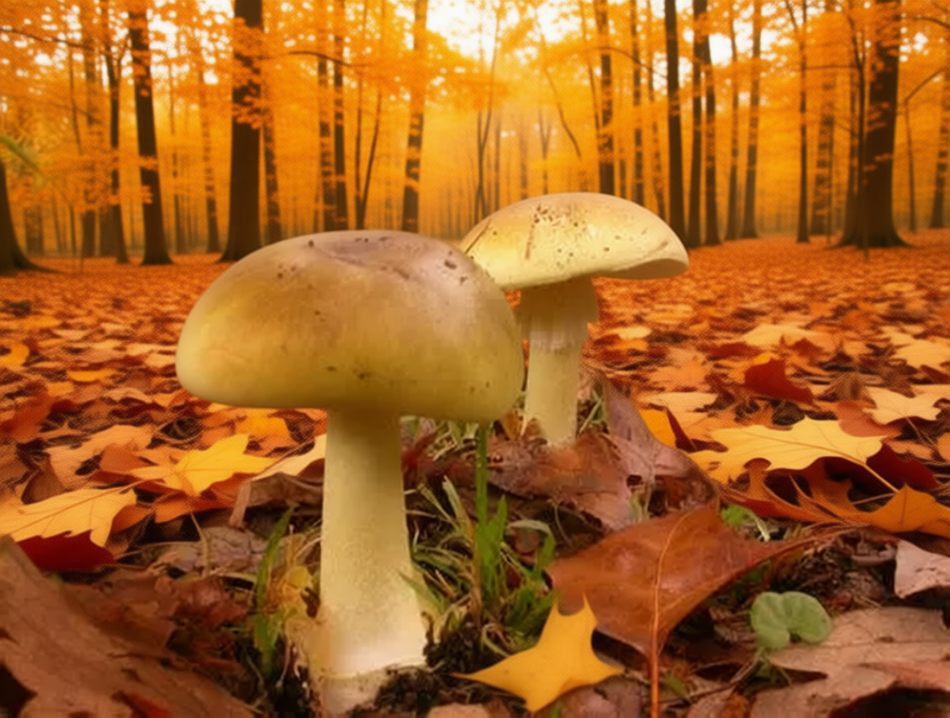
In the world of mycology, there is a fine line between passion and danger. While many enthusiasts dedicate themselves to collecting edible mushrooms, few are truly aware of the risks that some specimens can pose. This article aims to dissect in detail the characteristics of one of the most dangerous mushrooms in the world, an organism whose mere contact can trigger reactions harmful to human health. Through an in-depth analysis of its morphology, habitat, and toxic properties, we will try to understand why not touching this mushroom represents the first and most important rule to follow during mycological excursions.
In the vast and fascinating kingdom of fungi, scientific discoveries continue to amaze us, challenging our most deeply held notions of biology and the movement of organisms. What we once considered a static and immobile kingdom is now revealing itself as a dynamic universe, where seemingly passive life forms develop sophisticated and unexpected strategies for movement. The recent discovery that some fungi are capable of walking, or rather, actively moving through complex biological mechanisms, not only revolutionizes our understanding of mycology but is opening new frontiers in robotics and biomimetic technologies. In this article, we will explore this fascinating trait in depth, analyzing its scientific basis, ecological implications, and the extraordinary technological applications emerging from cutting-edge research.