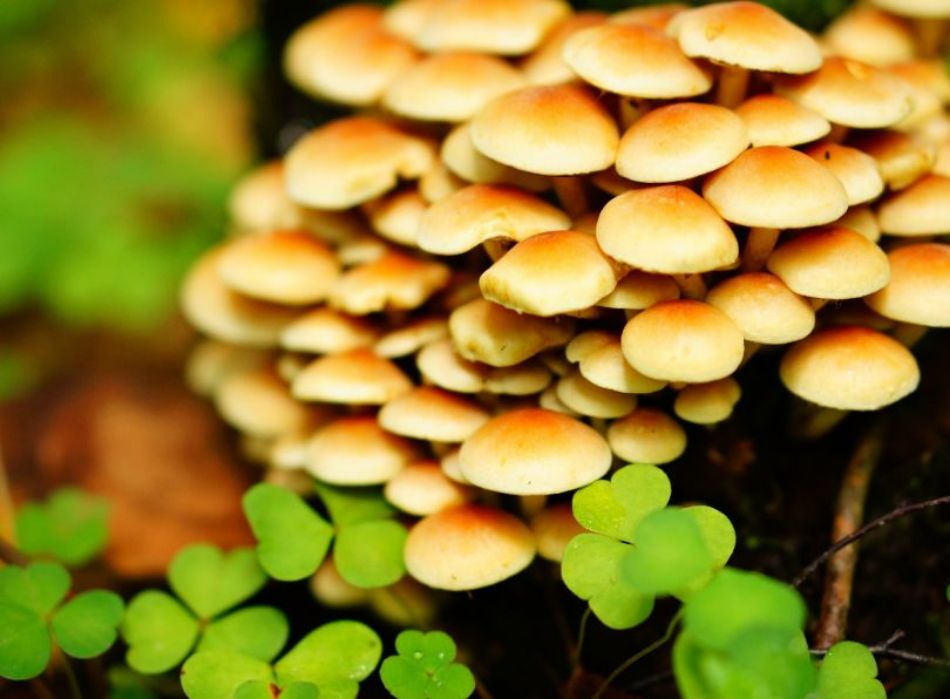
Today, we'd like to introduce you to a mushroom that deserves close attention: Hypholoma fasciculare, commonly known as the honey fungus. We'll explore its taxonomy, morphology, habitat, toxicity, and the subtle differences that separate it from highly sought-after edible species, such as the true honey fungus (Armillaria mellea) and the yellow poplar (Cyclocybe aegerita). The goal is to provide the critical tools for reliable identification, answering all the most common questions: "Is Armillaria edible?", "How do you recognize the false honey fungus?", "Are yellow poplar mushrooms poisonous?". Through comparative tables, microscopic data, and a conversational yet rigorous approach, we'll dissect each section, making this content an essential resource for anyone wishing to delve deeper into Hypholoma fasciculare.
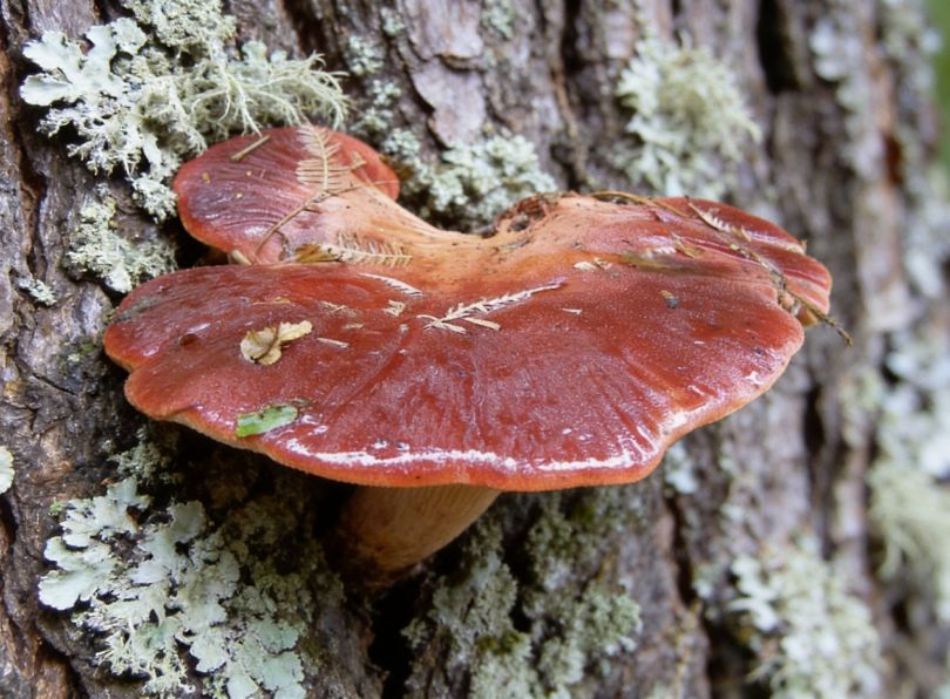
In the diverse and fascinating world of fungi, the Ox Tongue (Fistulina hepatica) occupies a position of absolute prominence, both for its unique morphological characteristics and its intriguing ecological role. This mushroom is also known as Ox Liver due to its striking resemblance to the fresh animal organ. This specimen is an unmissable subject of study: its presence, often solitary and imposing, on the trunks of oak and chestnut trees never goes unnoticed, arousing curiosity and sometimes perplexity due to its singular appearance.
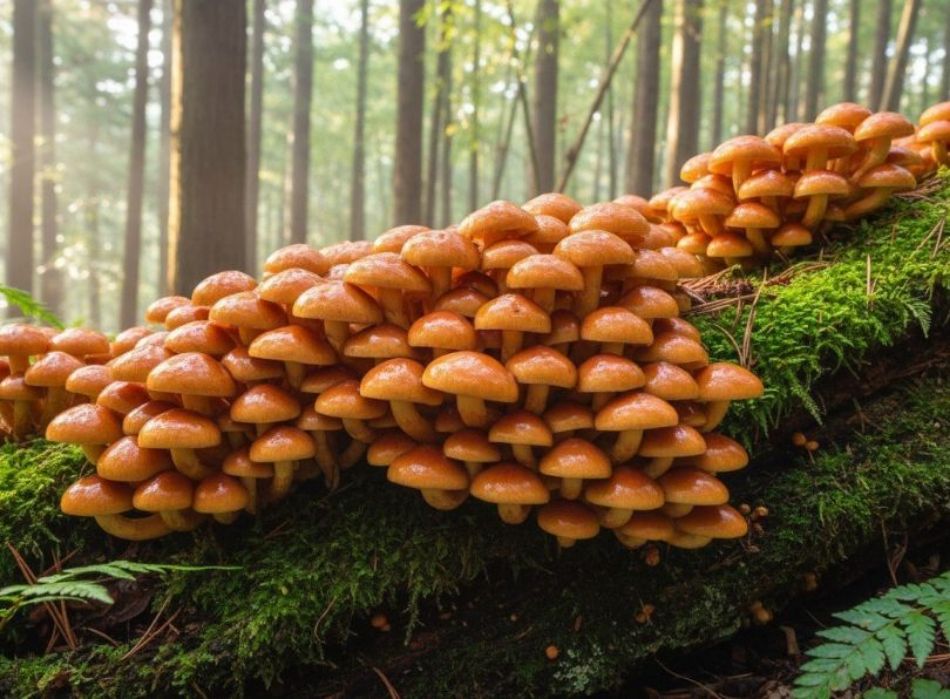
In the vast and fascinating kingdom of mushrooms, few species so harmoniously combine distinctive culinary characteristics, a peculiar morphology, and the cultivability that has led to its global success as the Nameko mushroom, scientifically known as Pholiota nameko. For mycologists, mushroom growers, and mushroom foraging enthusiasts, this basidiomycete represents an extraordinarily interesting subject of study, a cross between a wild mushroom with a specific ecological niche and a cultivar of primary economic importance in the Far East.