
RSS

Blog

Agaricus xanthodermus: morphology, habitat and properties
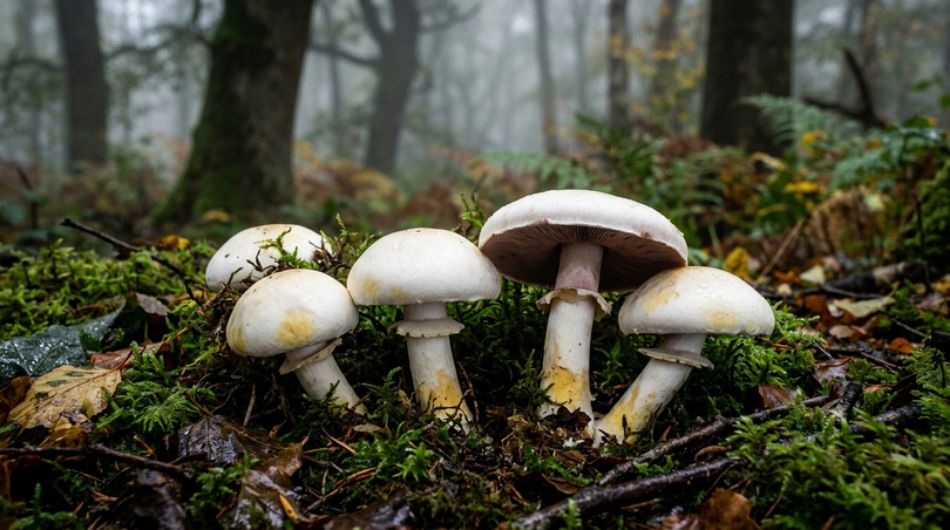
Agaricus xanthodermus is one of the most debated and studied mushrooms in the Italian and European mycological landscape, a species that continues to generate confusion among collectors of all levels of experience. Commonly known as the yellowish button mushroom or poisonous button mushroom, Agaricus xanthodermus belongs to the vast Agaricaceae family and is distinguished by a unique and dangerous characteristic: when cut, its flesh immediately turns a deep chrome yellow, a warning signal that nature itself provides to discourage consumption. This article explores in depth every aspect of Agaricus xanthodermus, from its taxonomic classification to detailed morphology, from its natural habitat to documented toxicity, while providing practical tools to reliably distinguish this toxic mushroom from related edible species. Whether you're a mycology researcher, a foraging enthusiast, a chef interested in natural cuisine, or a healthcare professional, this comprehensive guide to Agaricus xanthodermus will provide you with all the information you need to fully understand this species and interact with it safely.
Agaricus Silvaticus (Woodland Meadowlark): morphology, habitat and properties
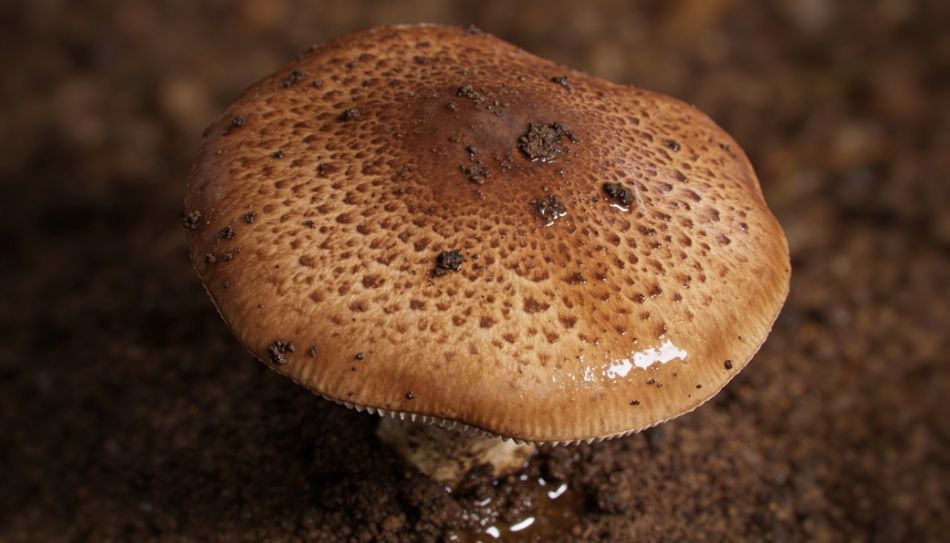
Agaricus silvanicus, also known as the woodland mushroom or forest mushroom, is one of the most prized gems among our region's ground-growing mushrooms. For chefs, naturopaths, researchers, and enthusiasts, this mushroom embodies a perfect balance of delicate flavor, nutritional properties, and mycological fascination.
Agaricus Augustus: morphology, habitat and properties
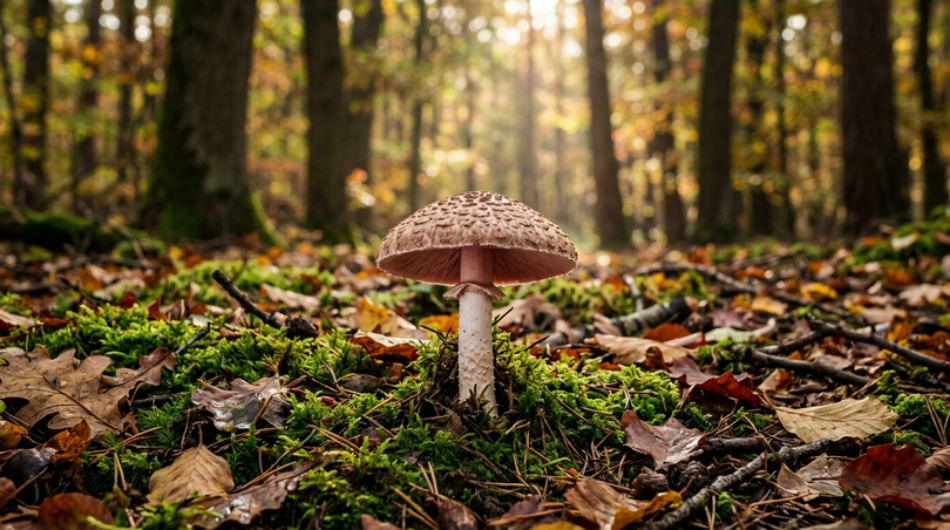
In the vast and fascinating kingdom of mushrooms, few specimens manage to strike the observer with the same intensity as a sudden encounter with the Agaricus Augustus, known in Italy as the giant field mushroom, the majestic field mushroom, or simply the majestic fly agaric mushroom. When you come across this mushroom in a coniferous forest, in the cool hours of an autumn morning, the first sensation is that of being before something extraordinary: a cap that can reach 25–30 centimeters in diameter, covered with a mosaic of fibrous golden-brown scales on an ivory background, topped by a sturdy stipe bearing a broad, membranous ring worthy of a king. But it is the smell that truly captivates: an intense, sweet, and penetrating scent of bitter almonds or star anise, which wafts through the dense, humid air of the undergrowth and makes this mushroom immediately and unmistakably recognizable to the eyes (and especially the nose) of the expert mycologist...