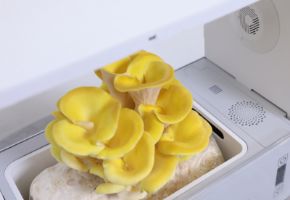
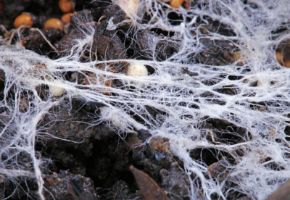
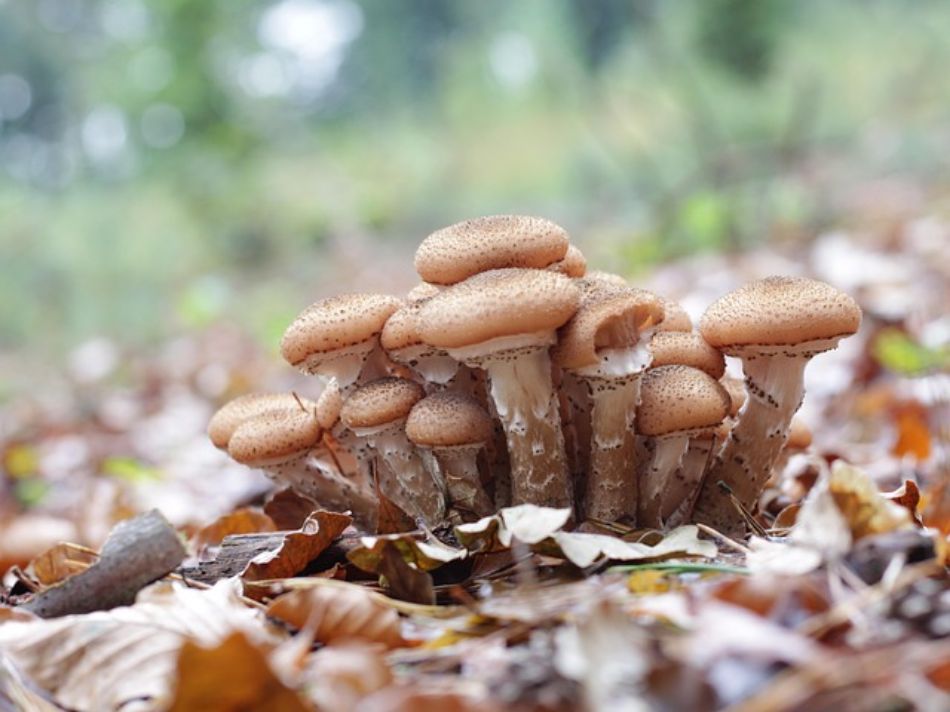
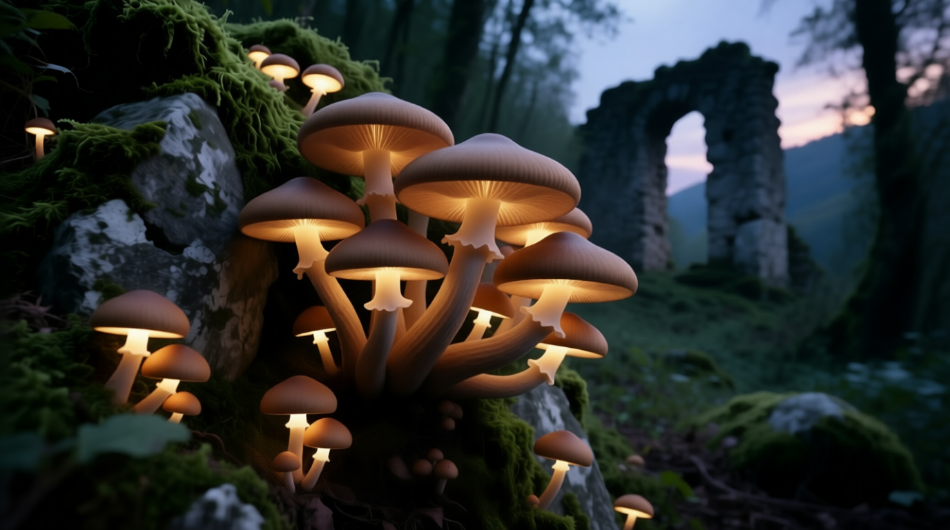
The vast and mysterious kingdom of fungi holds secrets of memory that challenge our understanding of biology and natural intelligence. For centuries, considered mere decomposers or, at best, culinary delicacies, mushrooms are revealing capabilities that belong to cognitive domains we thought were exclusive to animals. This article sets out on an in-depth scientific journey, an unprecedented mycological investigation, to explore a radical question: do mushrooms possess a form of memory? Through analysis of cutting-edge studies, experimental data, and field observations, we will unravel the concept of biological memory in mycelial networks, examining how these complex structures can learn, adapt, and transmit information. Prepare to see the fungal kingdom with entirely new eyes, because the answer to our question may truly leave you speechless.
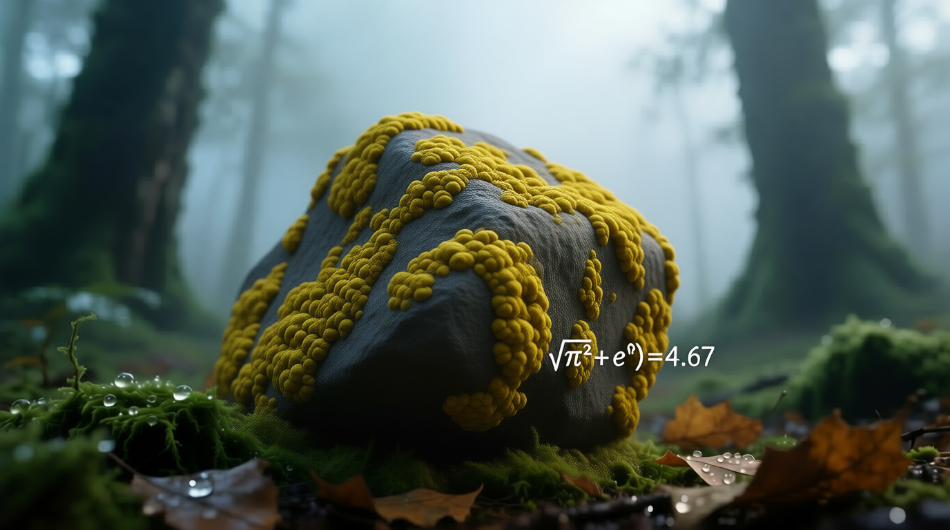
In the vast and fascinating world of mycology, discoveries transcend the confines of biology to venture into unexpected territories such as applied mathematics and computer science. This article explores one of the most surprising discoveries of recent decades: the ability of a seemingly primitive organism, Physarum polycephalum, to solve complex optimization problems that have occupied mathematicians and computer scientists around the world for years. Through a detailed analysis of its biological characteristics, natural computational mechanisms, and practical applications, we will discover how this slime fungus has revolutionized our approach to solving complex problems.
In the vast and intricate kingdom of fungi, there are species that, due to their unique characteristics and distant geographical origins, can truly be defined as "aliens." These organisms, having reached our country through often unpredictable routes, have colonized ecological niches, sometimes with significant impacts on local ecosystems. This article aims to explore in depth the phenomenon of alien fungi in Italy, analyzing their morphology, habitat, properties, and ecological implications, offering a detailed and technical overview for enthusiasts, mycologists, and growers.