


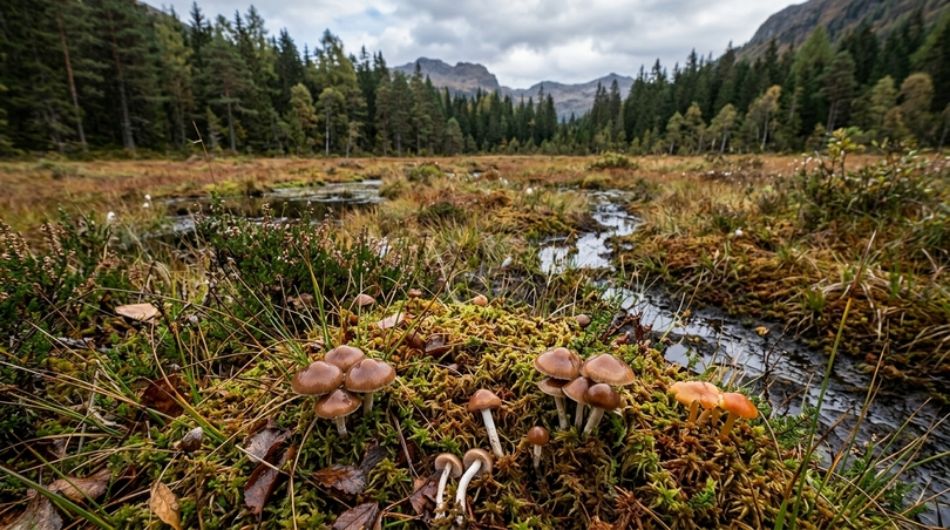
There exists in Europe an environment that covers just 3% of the planet's land surface but holds in its belly more carbon than all the world's forests combined: peatlands. Walking alongside them means looking out over a suspended world, where water does not flow and time seems to have stopped in a vegetal slowness that has lasted ten thousand years. Those who work in mycology, however, know that beneath that elastic carpet of sphagnum lies something even more fascinating: an extraordinary fungal network, adapted to extreme acidity, oxygen deficiency, and nutrient scarcity, capable of surviving where almost no other decomposer can work.
Peatlands are the most instructive natural laboratory that a mushroom grower can study. Here decomposition is slowed almost to a halt, and it is precisely from this biological "failure" that peat is born, the material that for decades has been the pillar of horticultural substrates and the casing layer in global mushroom cultivation. Understanding how peatlands function means understanding why a substrate retains or releases water, why acidic pH inhibits some species and favors others, why organic matter accumulates instead of disappearing. It means, ultimately, growing better.
This in-depth article is designed for mushroom enthusiasts, amateur mycologists, researchers, naturalists, and home growers who want to go beyond the dictionary definition. Together we will traverse the geological formation of these environments, their fungal ecology (a chapter still little popularized in Italian) their plant and animal biodiversity, the geography of peatlands in Italy with particular attention to the famous Torbiere del Sebino, the threats eroding them, and the most advanced conservation strategies. We will close with a topic that directly concerns those who cultivate: how to continue producing quality mushrooms while reducing, or eliminating, the consumption of extracted peat.
In this article...
1. What peatlands are: meaning, definition, and synonyms
Before delving into mycology, it is worth clarifying the terminology, because considerable confusion circulates around these environments. Many use "swamp," "marsh," and "peatland" as if they were equivalent, but from an ecological standpoint they are distinct realities. Peatlands are wetlands in which the production of plant organic matter stably exceeds its decomposition, with the result that dead material does not mineralize but accumulates, layer upon layer, forming a deposit called peat. This is the fundamental difference: an ordinary swamp may be temporary and leaves no significant organic sediments, whereas peatlands build over time an archive often meters deep.
Peatland meaning: the scientific definition
The most rigorous peatland meaning is the one adopted by the international scientific community: an ecosystem in which there is a layer of peat at least 30 centimeters thick, composed of more than 30% organic matter by dry weight. Below this threshold, one speaks of organic soils or non-peaty minerotrophic wetlands. Formation requires three simultaneous conditions: permanent or nearly permanent water saturation, generally low temperatures or at least a growing season that is not too hot, and a positive water balance, meaning more water entering (rain, water table, runoff) than leaves through evaporation and outflow.
Those searching for what a peatland means will often find geological definitions that emphasize the deposit and biological ones that emphasize the living community. Both are correct, because peatlands are simultaneously a sediment and a collective organism: the carpet of sphagnum growing at the surface is alive and producing, while the meter below is already an archive. In a mature peatland the living part (called the acrotelm) occupies only the first 10-40 centimeters, below it extends the catotelm, permanently saturated, anoxic, where biological time slows by orders of magnitude.
Peatland synonyms: what they are called in various regions
The term peatland synonym yields a very rich range of local and technical variants. In Italian one encounters "sfagneto" (when mosses of the genus Sphagnum dominate), "palude torbosa," "torbiera alta" or "alto-montana," "molinieto" and "cariceto" when Molinia caerulea and sedges prevail, respectively. In Alpine dialects one finds "paluc," "palù," "mosa," "mölter." International scientific terminology instead distinguishes bog (ombrotrophic peatland, fed only by rain) and fen (minerotrophic peatland, also fed by mineral-rich groundwater), a distinction with direct consequences for fungal flora, as we shall see.
| Type | Water source | Typical pH | Dominant vegetation | Characteristic fungi |
|---|---|---|---|---|
| Raised bog (ombrotrophic) | Meteoric water only | 3.2 – 4.5 | Sphagnum, ericaceae, Eriophorum | Galerina, Sphagnurus paluster, acidophilic Hygrocybe |
| Fen (minerotrophic) | Water table and runoff | 5.5 – 7.5 | Sedges, Menyanthes, Schoenus | Arrhenia, Mitrula paludosa, hygrophilous Entoloma |
| Transitional peatland | Mixed | 4.5 – 5.5 | Sphagnum-sedge mosaic | Intermediate communities, high species richness |
| Forested peatland | Shallow water table | 3.8 – 5.0 | Downy birch, mountain pine, Scots pine | Leccinum spp., Lactarius, Cortinarius ectomycorrhizal |
What peat is: structure, composition, types
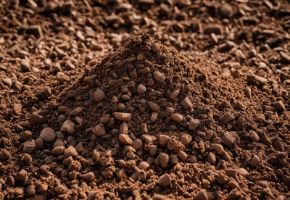
If peatlands are the ecosystem, peat is the product. What is peat, concretely? It is dead plant matter only partially decomposed, accumulated under conditions of permanent submersion, with an organic carbon content ranging from 45% to 60% of dry weight. Its consistency ranges from fibrous and spongy (when decomposition has just begun and moss tissues are still recognizable under the microscope) to plastic and amorphous, black, when humification is advanced.
Mycologists and horticulturists commonly distinguish three grades, measured with the von Post scale from H1 to H10:
- Blond peat (H1-H3, white peat): fibrous, very light, extracted from the surface layers of raised bogs, pH 3.0-4.0, very high water retention capacity. It is the peat historically most used as a casing layer in mushroom cultivation.
- Brown peat (H4-H6): intermediate, structure still visible but more compact, higher nutrient content.
- Black peat (H7-H10, black peat): amorphous, dense, with low porosity; historically used as fuel rather than as substrate.
The datum that astonishes those approaching the subject for the first time is its water capacity: one gram of dry blond peat can retain up to twenty times its own weight in water. This property, which in peatlands serves to keep the system saturated even during dry periods, is exactly why peat has become irreplaceable in the casing layer of Agaricus bisporus cultivation. We will return to this point, because it is the node that directly links peatland conservation to the daily practice of those who cultivate.
2. How peatlands form: from closed lake to organic deposit
The question of how peatlands form is perhaps the most frequent of all, and the answer is far from trivial because there are at least three different genetic pathways, leading to peatlands with distinct ecological profiles. Understanding these mechanisms is the prerequisite for knowing where to look for the rarest fungal species and why certain peatlands are rich in fungi and others almost sterile.
Lake infilling: the relationship between closed lake and peatland
The most classic pathway is that of infilling, or terrestrialization. Many ask what relationship there is between a closed lake and a peatland: the answer is that the latter is often the final destiny of the former. A closed lake is a basin without a significant outlet, in which water enters but exits almost only through evaporation or infiltration. In the absence of a flow that carries away sediments, organic and mineral material accumulates on the bottom. Marsh vegetation — reeds, sedges, water lilies — progressively colonizes the shores, advancing toward the center.
Over time a floating lamineto forms, then a true plant carpet suspended over the residual water, the so-called schwingmoor or quaking bog. Those who walk on these surfaces feel the ground sway beneath their feet, because beneath the root layer there is still free water. It is at this stage that peatlands reach their maximum structural complexity, hosting aquatic and terrestrial species simultaneously. Within centuries or millennia, the basin fills completely and the peatlands consolidate.
Paludification and spring-fed formation
The second pathway is paludification: it does not start from a lake but from a mineral soil that progressively becomes impermeable. This happens when the acidifying litter of conifers or ericaceae reduces microbial activity in the soil, favoring the formation of an impermeable layer of iron and humus (ortstein). Rainwater can no longer percolate, stagnates at the surface, and peatlands begin to develop even on gently sloping terrain. Vast areas of Scotland, Ireland, and Scandinavia formed this way.
The third is spring-fed formation: around a spring or perennial source, calcium-rich groundwater keeps the soil constantly saturated. Thus calcareous fens are born, extremely rare environments in Italy and of enormous conservation value, hosting marsh orchids and a specialized mycoflora virtually unknown to the general public.
How a peatland works: the biochemical engine of accumulation
Understanding how a peatland works means understanding why decomposition stops. In a temperate forest, a fallen leaf disappears in two or three years: saprotrophic fungi and bacteria completely disassemble it, returning carbon dioxide to the atmosphere. In peatlands this process stalls due to a combination of four factors acting in synergy.
First: anoxia. Below the water table, oxygen is practically absent, and fungi (obligate aerobic organisms in almost all cases) cannot operate. Only anaerobic bacteria remain, much less efficient at breaking down complex polymers such as lignin and cellulose.
Second: acidity. Sphagnum actively exchanges cations with the environment, releasing hydrogen ions and bringing pH to values between 3 and 4.5. At that acidity, the enzymatic activity of most decomposers collapses.
Third: nitrogen and phosphorus poverty. In ombrotrophic peatlands the only nutrient input is rain. Decomposers, which need nitrogen to build their enzymes, are limited in growth.
Fourth, and most fascinating: the "enzymic latch." In peatlands, phenol oxidase, the enzyme that degrades phenolic compounds, requires oxygen to function. In the absence of oxygen, phenols accumulate, and phenols in turn inhibit the hydrolytic enzymes that would break down cellulose and proteins. A self-reinforcing block is created that ecologists call the enzymic latch. It suffices to drain peatlands to let air in, reactivate phenol oxidase, unlock the latch, and trigger a chain decomposition that releases in a few years carbon accumulated over millennia. This is why draining a peatland is a climatically catastrophic event and not a simple change of land use.
Formation times: how much a peatland grows in a year
Slowness is the distinctive mark of these environments. The most accepted estimates indicate an average vertical accumulation between 0.2 and 1 millimeter per year, with typical values around 0.5 mm in European raised bogs. This means that one meter of peat represents on average two thousand years of history, and that a peatland eight meters deep (not rare in the Alps) began forming when the Würm glaciers had just retreated.
| Peat thickness | Formation years (estimate) | Indicative carbon stored (t/ha) | Equivalent in avoided emissions |
|---|---|---|---|
| 30 cm (minimum threshold) | 300 – 600 | 150 – 200 | About 600 t CO₂/ha |
| 1 meter | 1,000 – 2,500 | 500 – 700 | About 2,200 t CO₂/ha |
| 3 meters | 3,000 – 7,000 | 1,500 – 2,100 | About 6,600 t CO₂/ha |
| 8 meters | 8,000 – 16,000 | 4,000 – 5,600 | About 17,600 t CO₂/ha |
How to create an artificial peatland: from rewetting to educational microhabitat
Research on how to create a peatland and how to make a peatland comes from two very different audiences: restoration technicians and hobbyists who want to recreate a peaty microhabitat in a garden or greenhouse. Both approaches deserve attention.
On the professional side, the restoration of degraded peatlands is called rewetting and consists of closing drainage channels with peat dams or sheet piling, bringing the water table back to within a few centimeters of the surface, and reintroducing live fragments of Sphagnum collected from donor peatlands. Results are not immediate: it takes five to fifteen years for the moss carpet to close again and for peatlands to return to accumulating carbon instead of emitting it. The technical literature indicates that restoration of the carbon sink function is realistic within 10-30 years in the best-managed cases.
On the amateur side, recreating the conditions of peatlands on a reduced scale is an instructive exercise for those who cultivate mushrooms. An impermeable container, an acidic substrate with very low nutrient content, rainwater or demineralized water (never calcareous tap water), and a cover of live sphagnum allow one to observe up close the dynamics of humidity, capillarity, and surface drying cycles that characterize peatlands. Those who have learned to manage a peaty microhabitat also manage better the humidity rate of a fruiting, because both systems depend on the same principle: maintaining controlled and constant evaporation from a saturated surface. On these mechanisms, the Home Mushroom Cultivation Techniques section of NaturNext offers detailed operational guidance.
3. Peatlands and fungi: the hidden kingdom beneath the sphagnum
We arrive at the heart of the article. The pairing of peatlands and fungi is still little explored in Italian popular science, yet it represents one of the most surprising chapters of European mycology. The widespread idea is that fungi are scarce in these environments: extreme acidity, stagnation, nutrient poverty seem prohibitive conditions. Reality is the opposite. Peatlands host highly specialized fungal communities, with species found nowhere else, and play a determining role in the functioning of the entire ecosystem.
Metagenomic studies conducted on boreal and temperate peatlands have detected from 400 to over 1,200 fungal operational taxonomic units in a single site, with clear vertical stratification: diversity is highest in the first 20 centimeters and drops rapidly below the water table. The fungus, in peatlands, is a frontier organism: it lives in the thin aerobic film that separates the atmosphere from the anoxic archive.
Ericoid mycorrhizae: the symbiosis that makes peatlands possible
The typical vegetation of raised bogs is dominated by ericaceae: Calluna vulgaris, Vaccinium oxycoccos (bog cranberry), Andromeda polifolia, Erica tetralix. These plants could not survive without a fungal partner. Their roots, very thin and lacking root hairs, host ericoid mycorrhizae formed mainly by ascomycetes of the genera Rhizoscyphus (formerly Hymenoscyphus ericae), Oidiodendron, Meliniomyces, and Pezoloma.
The service these fungi provide is decisive: in peatlands nitrogen is not available in mineral form but remains trapped in complex organic polymers such as proteins and chitin. Ericoid fungi produce proteases and chitinases capable of attacking these compounds and transferring nitrogen to the host plant. In practice, without fungi, peatlands would not have the vegetation that builds them. It is a perfect circularity: fungi allow plants to grow, plants produce the biomass that becomes peat, peat creates the anoxic conditions that slow down precisely fungal activity.
Saprotrophic fungi: decomposers under impossible conditions
In the aerobic surface zone, saprotrophs operate, and their work is more refined than it seems. The main challenge is sphagnum itself: mosses of the genus Sphagnum contain sphagnan, a pectic polysaccharide that binds proteins and inhibits microbial activity, as well as antimicrobial phenolic compounds. These are the same principles that allowed the "bog bodies" found in Denmark and Ireland to be preserved for centuries.
Only a restricted group of fungi has developed the enzymatic equipment to attack sphagnum tissues. Among these the best known is Sphagnurus paluster (formerly Tephrocybe palustris), a small gray-brown agaric that fruits directly on Sphagnum cushions, killing the moss at the point of attachment and creating small, clearly recognizable brown patches. It is considered a biological indicator of peatlands in good conservation status. Alongside it operate Lyophyllum palustre, several Galerina (in particular G. paludosa, G. tibiicystis, G. sphagnorum), and species of the genus Arrhenia such as A. sphagnicola, with an omphaloid habit and eccentric stem.
The most characteristic fungal species of Italian peatlands
For those seeking significant finds, here is a synthetic picture of the species that it is realistic to observe in Italian peatlands, with the conditions that favor their fruiting.
| Species | Ecology | Precise habitat | Period | Notes for the researcher |
|---|---|---|---|---|
| Sphagnurus paluster | Parasite/saprotroph of sphagnum | Live Sphagnum cushions | Jun – Oct | Indicator of intact peatlands; brown patches on moss |
| Galerina paludosa | Bryophilous saprotroph | Among sphagnum, raised bogs | Jul – Oct | Evident membranous ring; long, thin stem |
| Galerina tibiicystis | Bryophilous saprotroph | Very wet Sphagnum | Sep – Oct | Microscopic determination essential |
| Arrhenia sphagnicola | Bryoparasite | Open sphagnum bogs | Sep – Nov | Very small, easily overlooked |
| Mitrula paludosa | Aquatic saprotroph | Stagnant water on submerged litter | Apr – Jun | Ascomycete with orange club; spectacular |
| Hygrocybe coccineocrenata | Bryophilous/biotrophic | Acidic peatlands with sphagnum | Sep – Nov | Black scales on red-orange cap |
| Leccinum holopus | Ectomycorrhizal | Downy birch on peat | Jul – Sep | The "white bolete" of peatlands |
| Lactarius helvus | Ectomycorrhizal | Wooded margins of peatlands | Sep – Oct | Intense hay/maggi odor; toxic |
| Cortinarius huronensis | Ectomycorrhizal | Peatlands with birch and sphagnum | Sep – Oct | Rare find, of conservation interest |
| Entoloma hygrophilous group | Saprotroph | Fens and sedge meadows | Sep – Nov | Critical genus, requires microscopy |
The birches of peatlands and their ectomycorrhizal symbionts
Where peatlands evolve toward the forested stage, a second large functional group comes into play: ectomycorrhizal fungi. Downy birch (Betula pubescens), Scots pine, and mountain pine colonize the drier cushions and bring with them a specific fungal retinue. It is here that the boletes of peatlands are found, in particular Leccinum holopus and Leccinum niveum, with pale, almost spectral colors, and several species of Russula and Cortinarius with distribution strictly linked to these habitats.
An interesting datum for those studying symbioses: in peatlands ectomycorrhizal fungi show much higher proteolytic activity than their conspecifics from mineral forest soils. It is a direct adaptation to the scarcity of mineral nitrogen. The fungus, in practice, changes trade depending on the environment, and this tells us something precious about the metabolic plasticity of mycelia: the same plasticity that a grower exploits when modifying the composition of a substrate to steer yield.
Peat and fungi: why peat entered mushroom cultivation
The link between peat and fungi is not only natural but also industrial, and much deeper than one might imagine. In the cultivation of the button mushroom (Agaricus bisporus), which still represents the majority share of world cultivated mushroom production, the decisive step is the laying of the casing layer, the covering layer applied over the compost colonized by the mycelium.
This layer has three functions: to act as a water reservoir, to create the microbiological and gaseous gradient that induces the transition from the vegetative to the reproductive phase, and to mechanically support the primordia. Blond peat from the peatlands of Northern Europe and the Baltic has established itself because it combines in an almost ideal way high porosity, extreme water retention, stable structure over time, and low pathogen load, with lime correcting its pH to around 7.2-7.5.
It is exactly here that the ecological paradox this article intends to address without reticence is born: the same quality that makes peat precious in mushroom cultivation is the result of millennia of accumulation that extraction erases in a few weeks. Chapter 11 is entirely dedicated to concrete alternatives and to how a home grower can obtain excellent results while drastically reducing reliance on peat extracted from peatlands.
The mycelium as hydraulic infrastructure
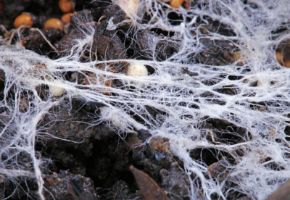
One function of fungi in peatlands that deserves attention is that of a transport network. Fungal hyphae form continuous networks capable of translocating water and nutrients over distances of tens of centimeters, connecting the aerobic zone with plant roots. Under summer drought conditions, this network redistributes moisture and mitigates water stress on vegetation. Some researchers have called the fungal networks of peatlands a true biological hydraulic infrastructure, whose collapse during drought events anticipates by months the visible degradation of the sphagnum carpet.
For a grower, the parallel is immediate: a well-colonized substrate block behaves like a peatland in miniature, with a mycelium that redistributes water and regulates evaporation. Anyone who has observed the difference between a fully incubated substrate and one only half-colonized has already seen the same principle at work. The NaturNext incubated substrates arrive already in this mature-network condition, while the standard substrates allow one to follow the entire process of network construction from inoculation to fruiting.
4. What peat is used for and what peatlands are for
The questions what peat is used for, what a peatland is for, and what peatlands were used for deserve distinct answers, because they mix three different planes: the historical use of the resource, the ecological function of the environment, and the economic value of the services we now recognize. Addressing them together helps to understand how the perception of these places has changed within two generations: from barren lands to be reclaimed to strategic climate infrastructures.
What peatlands were used for: historical uses
For centuries peatlands were first and foremost a source of fuel. In Ireland, Scotland, Finland, the Baltic countries, and some areas of the Po Valley, dried peat was cut into bricks, stacked to dry, and burned to heat homes and fire furnaces. The calorific value of dry peat is around 15-20 MJ/kg, lower than coal but sufficient in subsistence economies where firewood was scarce.
Alongside fuel, traditional uses were many: livestock bedding thanks to its enormous absorption capacity, insulating material for homes, food preservative, and in Scottish distillation a fuel for drying malted barley, hence the characteristic peated aroma of certain whiskies. In folk medicine, peat baths were prescribed for rheumatism and skin ailments, and peloidotherapy is still practiced in several European spa towns.
One should also remember the most involuntary and most precious use: peatlands have functioned for millennia as archaeological conservators. Anoxia, acidity, and tannins have returned human bodies with skin and hair intact, boats, textiles, wooden tools, votive offerings. The case of Tollund Man in Denmark and the finds at Star Carr in England have rewritten entire chapters of European prehistory.
What peatlands are for today: ecosystem services
The question what peatlands are for in the contemporary perspective has an answer articulated on five main functions, all quantifiable in economic terms.
Carbon storage
It is the best-known service and the most impressive numerically. The planet's peatlands cover about 3% of the land surface but store between 550 and 650 gigatonnes of carbon, a value that equals or exceeds the total content of global forest biomass and corresponds to about twice the carbon present in all forests. One hectare of intact peatland can contain ten times the carbon of one hectare of temperate forest, because accumulation is vertical and cumulative over time, not limited to living biomass.
Hydrological regulation and natural filter
The role of peatlands as a natural filter is underestimated but economically enormous. Peat retains heavy metals, nitrates, phosphates, and particulates by adsorption onto negatively charged organic surfaces. In British catchments, where the drinking water of entire cities comes from peaty areas, peatland degradation translates into increased dissolved organic carbon in water and higher water treatment costs.
To this is added the function of hydraulic sponge: peatlands absorb precipitation peaks and release water slowly, reducing downstream flood risk and sustaining minimum flows in summer. In a context of increasingly concentrated weather events, this laminating capacity is a civil protection service at zero cost.
Biodiversity and paleoenvironmental archive
Peatlands host biodiversity disproportionate to their extent and represent glacial refuges for relict species that have disappeared elsewhere. On the scientific plane they also constitute the most complete terrestrial paleoclimate archive of the Northern Hemisphere: pollen grains, plant macroremains, fungal spores, and charcoal particles preserved in the layers allow vegetation, climate, and human activity to be reconstructed year by year over entire millennia.
Mycological research and bioprospecting
There is finally a service that directly concerns those who work with fungi. Peatlands are reservoirs of fungal strains adapted to extreme conditions (acidity, anoxia, oligotrophy, low temperatures) and therefore carriers of unusual enzymatic equipment. Bioprospecting in these environments has already led to the isolation of enzymes active at very low pH and at temperatures close to zero, of industrial interest for biomass processing.
| Ecosystem service | Mechanism | Indicative value (€/ha/year) | Direct beneficiary |
|---|---|---|---|
| Carbon sequestration and storage | Accumulation of undecomposed organic matter | 400 – 1,500 | Global community |
| Flood regulation | Lamination of runoff peaks | 150 – 600 | Downstream municipalities |
| Water purification | Adsorption of nutrients and metals | 200 – 900 | Water utilities |
| Biodiversity conservation | Habitat for rare and relict species | 100 – 700 | Natura 2000 system |
| Tourism and education | Regulated nature enjoyment | 50 – 400 | Local economy |
| Research and paleoenvironmental archive | Continuous stratigraphy and dating | Not monetizable | Scientific community |
The dilemma of horticultural peat and the position of mushroom cultivation
About 90% of peat extracted in Europe does not end up in boilers but in nurseries, greenhouses, and cultivation facilities. The European horticultural sector consumes tens of millions of cubic meters of peat per year, and mushroom cultivation absorbs a significant share through casing. It is a consumption that occurs far from the eyes of the final consumer and rarely appears on labels.
No serious grower can today ignore this balance. The good news is that agronomic research of the last fifteen years has produced credible alternatives (coconut fiber, wood fiber, mature green compost, stabilized digestate, biochar, Sphagnum grown in paludiculture) that in many applications achieve comparable performance. The transition is technically possible and, for the home grower, practically already completed.
5. Flora and fauna: the biodiversity of peatlands
Those visiting a peatland for the first time are often disappointed by the overall impression: no majestic trees, no showy blooms, an apparently monotonous expanse of ochre, green, and rust. It is a deceptive impression. The biodiversity of peatlands is concentrated, specialized, and largely exclusive: many species that live here do not survive elsewhere, and precisely this fidelity to the habitat makes them extremely vulnerable.
Sphagnum mosses: the ecosystem engineers
The genus Sphagnum counts about fifty species in Europe, of which about thirty are present in Italy. They are not simple mosses: they are organisms that actively build their own environment. Their leaves contain dead hyaline cells equipped with pores, which function as water reservoirs and allow the cushion to retain up to twenty times its dry weight. They grow continuously upward while the lower part dies and transforms into peat.
Their cation exchange acidifies the surrounding environment, excluding competition. In peatlands, sphagnum species are distributed along an extremely fine moisture gradient: Sphagnum cuspidatum in flooded pools, S. magellanicum and S. papillosum at intermediate levels, S. capillifolium and S. fuscum on raised hummocks. Recognizing this zonation is the key to orienting oneself in mycological research, because each band hosts a different fungal community.
Carnivorous plants and protected species
Nitrogen poverty has selected in peatlands a spectacular solution: carnivory. Drosera rotundifolia, with its leaves covered in glandular tentacles that secrete a viscous drop, captures small insects and digests their proteins. In Italy there are also Drosera intermedia, Drosera anglica, butterworts (Pinguicula spp.), and aquatic bladderworts (Utricularia spp.), equipped with suction traps among the fastest in the plant kingdom.
Alongside them grow the white plumes of Eriophorum vaginatum and E. angustifolium, bog cranberry, marsh rosemary, the very rare Scheuchzeria palustris, and, in calcareous fens, orchids such as Liparis loeselii and Epipactis palustris, both of community interest. Almost all of these species appear in regional red lists and many are protected by the Habitats Directive 92/43/EEC, which classifies several types of peatlands as priority habitats.
What animals live in peatlands
The question what animals live in peatlands has a stratified answer, because the fauna changes radically depending on whether one considers entomofauna, herpetofauna, or avifauna. On the whole, peatlands host a fauna poor in species but rich in specialists, often glacial relics isolated since the retreat of the glaciers.
Among invertebrates, dragonflies dominate: Leucorrhinia spp., Somatochlora arctica, Aeshna juncea, and Coenagrion are linked to peaty pools. Among Lepidoptera, Colias palaeno and Boloria aquilonaris stand out, the latter's larva feeding exclusively on bog cranberry. Spiders such as Dolomedes fimbriatus hunt on the water film, and soil microfauna (springtails, oribatid mites, tardigrades, rotifers, testate amoebae) reaches very high densities and constitutes the link with the fungal network.
Amphibians find in peatlands crucial breeding sites: common frog, Lataste's frog in lowland areas, great crested newt, alpine newt. Among reptiles, the viper and the viviparous lizard exploit the dry hummocks for thermoregulation. Avifauna includes species linked to reeds and still waters — little bittern, great bittern, purple heron, great reed warbler, sedge warbler, reed bunting, coot, great crested grebe, kingfisher — while in mountain peatlands the black grouse and hazel grouse appear. Among mammals, roe deer frequents the margins, the fox hunts on the hummocks, and in lowland wetlands water shrew and field vole complete the picture.
What fish are in peatlands
What fish are in peatlands is also a frequent search, especially in relation to the Sebino basins. The premise is important: in ombrotrophic raised bogs fish are absent, because extreme acidity, low dissolved oxygen, and the absence of permanent water bodies make fish life impossible.
The situation changes completely in lowland peatlands with residual water bodies derived from excavation, where true chiari have formed, colonized by the fish fauna of the surrounding lakes. In the Torbiere del Sebino, for example, the water bodies host tench, rudd, pike, perch, carp, chub, and bleak, as well as introduced alien species such as catfish, crucian carp, pumpkinseed, and wels catfish, whose presence represents a serious conservation problem for amphibians and nesting avifauna.
| Group | Representative species | Degree of specialization | Vulnerability |
|---|---|---|---|
| Odonata | Leucorrhinia dubia, Somatochlora arctica | Very high | High: depend on permanent pools |
| Lepidoptera | Boloria aquilonaris, Colias palaeno | Very high | High: monophagous on peatland plants |
| Amphibians | Common frog, alpine newt | Medium | Medium: sensitive to alien fish |
| Reptiles | Viviparous lizard, viper | Medium | Medium |
| Water birds | Little bittern, purple heron, grebe | High during breeding | High: human disturbance |
| Fish fauna | Tench, pike, perch | Only in excavation chiari | High pressure from alien species |
| Fungi | Sphagnurus, Galerina, Arrhenia | Extreme | Maximum: disappear with drainage |
6. Peatlands in Italy: where they are and how to reach them
The search for peatlands in Italy and peatlands where they are found hides a little-known reality: our country, although located at the southern margin of the European range of these environments, preserves a heritage of peatlands of enormous scientific value, precisely because they are isolated glacial relics, genetically distinct from northern populations and therefore irreplaceable.
Geographic distribution: why Italian peatlands are so rare
The total area of Italian peatlands is estimated at a few thousand hectares, a minimal fraction compared to the millions of hectares in Finland, Sweden, or Ireland. The reason is climatic: the positive water balance required by peatlands is realized in Italy only where precipitation is abundant and evapotranspiration is contained, that is, at altitude or in particular topographic situations.
The greatest concentrations are found in the Alpine arc, between 900 and 2,200 meters of altitude, with significant nuclei in Trentino-Alto Adige, Lombardy, Piedmont, Valle d'Aosta, Veneto, and Friuli-Venezia Giulia. The peatlands of Trentino, recorded in over three hundred sites, probably represent the best-documented heritage in Italy. In the northern Apennines, relict nuclei survive on the Tuscan-Emilian ridge, while in the Center-South the testimonies are reduced to a few point sites in Abruzzo, Calabria, and Sila.
A separate chapter concerns lowland peatlands, almost all disappeared with the reclamations of the nineteenth and twentieth centuries in the Po Valley and the Valli di Comacchio. What remains (as in the Sebino, the Mantua area, and some river oxbows) often has a history of excavation behind it and represents a secondary ecosystem of great value.
| Area | Region | Indicative altitude | Prevalent type | Mycological interest |
|---|---|---|---|---|
| Torbiere del Sebino | Lombardy | 185 m | Lowland peatland from excavation | Medium-high (hygrophilous and reed-bed species) |
| Trentino peatlands (Marcesina, Lavazè, Fiavé) | Trentino-Alto Adige | 900 – 1,900 m | Raised and transitional | Very high |
| Pian di Gembro | Lombardy (Valtellina) | 1,350 m | Raised bog with sphagnum | High |
| Peatlands of Monte Avena and Vette Feltrine | Veneto | 1,400 – 1,700 m | Transitional | High |
| Natisone Valleys and Julian Alps | Friuli-Venezia Giulia | 800 – 1,500 m | Calcareous fens and transitional | High and little explored |
| Tuscan-Emilian ridge | Emilia-Romagna / Tuscany | 1,400 – 1,800 m | Glacial relics | High scientific interest |
| Piani di Pezza and Abruzzo highlands | Abruzzo | 1,400 – 1,600 m | Point nuclei | To be investigated |
Torbiere centro commerciale: a necessary disambiguation
Those who type torbiere centro commerciale are not looking for an ecosystem but for an urban reference point in the Iseo and Corte Franca area, in the province of Brescia, where some commercial structures have taken their name from the adjacent natural area. It is worth noting this toponymic ambiguity because it generates confusion in search engines and because, paradoxically, it testifies to how much the name of the peatlands has entered local identity. For the naturalist visitor, the correct reference is the Riserva Naturale Torbiere del Sebino, with its official accesses and regulated trails, which we discuss in the next chapter.
7. Torbiere del Sebino: trails, access, and what you can see
No other Italian site has popularized the theme of peatlands as much as the Riserva Naturale delle Torbiere del Sebino. The reasons are three: proximity to an important tourist basin such as Lake Iseo and Franciacorta, the spectacle of the wooden boardwalks that cross the water bodies, and a management that has succeeded in combining enjoyment and protection. It is also the ideal place to understand in the field what the word we are exploring actually means.
Formation and origin of the Torbiere del Sebino
The genesis of these peatlands is indissolubly linked to the glacial history of the area. The Riserva Naturale delle Torbiere del Sebino, covering about 360 hectares, is an intermorainic wetland that develops on the territory of the municipalities of Iseo, Provaglio d'Iseo, and Corte Franca. The depression hosting the area formed in the morainic amphitheater left by the Oglio glacier: a closed basin, separated from the lake by a thin morainic ridge, in which water stagnated for millennia allowing the accumulation of peat.
Over this natural origin a decisive industrial chapter was superimposed. The central part of the reserve, called "Lama," was created during the nineteenth century by peat extraction for combustion, which supplied the Brescian ironworks. The water bodies we admire today are therefore flooded quarries: a disused industrial landscape that nature has reclaimed to the point of transforming it into one of the most important wetlands in Italy. It is a conservation lesson of great value, because it demonstrates that even a heavily altered environment can recover ecological functionality if managed intelligently.
What these peatlands represent: international designations
The value of the area is certified by a set of designations that few other Italian wetlands can boast. The reserve is recognized as a wetland of international importance under the Ramsar Convention, is a Natura 2000 network site under the EU Habitats and Birds Directives, is a Regional Nature Reserve established in 1984, and hosts eight community habitats, more than 77 nesting bird species, and over 480 plant species. It is also classified as an Important Bird and Biodiversity Area (IBA), a Special Protection Area under the Birds Directive, and a Special Area of Conservation under the Habitats Directive.
How to reach the peatlands and how to access the reserve
The searches how to reach the peatlands and how to access the Torbiere del Sebino are among the most frequent of all. The official entrances are three: the Monastero di San Pietro in Lamosa in Provaglio d'Iseo, the access opposite the l'Orsa sports field in Iseo, and the one near the Le Torbiere shopping center in Corte Franca — the latter definitively explains the search ambiguity we mentioned in the previous chapter.
The reserve can be visited every day of the year, from dawn to dusk, accessed exclusively on foot from the three main entrances, and cycling is prohibited inside. Those arriving by train can use the Brescia–Iseo–Edolo line, which directly serves the localities near the accesses; those arriving by car find parking areas at the entrances, with limited availability on spring weekends.
The trails of the Torbiere del Sebino
The search Torbiere del Sebino trails deserves a structured answer. Inside the reserve there are three loop trails: north-central, south-central, and north-south, which unfold along the three main axes. The paths are flat, interspersed with wooden boardwalks and shaded stretches among reed beds and water bodies.
The most accessible trail, suitable even for families with children, connects the Visitor Center to the birdwatching tower over about one kilometer of regular-surfaced path, with ramps and information boards. The most photographed stretch remains the central boardwalk, which crosses the lake-like water bodies at water level. An important note for those planning a visit: the central path may be closed during the nesting period, indicatively from mid-March to mid-July, to guarantee the protection of avifauna. Checking openings on the official website before departing avoids disappointment.
For those who prefer two wheels, there is a cycling loop of about ten kilometers on an elevated road that surrounds the area, starting from via Colombera in Iseo, which offers a perspective from above on the entire peatland system.
What to do and what to see at the Torbiere del Sebino
Things to do and see vary by season, and it is precisely seasonality that makes this site so interesting for those who frequent it regularly.
| Period | What is observed | Mycological interest | Operational notes |
|---|---|---|---|
| March – April | Pre-breeding migration, early white water lily bloom | Spring ascomycetes on submerged litter (Mitrula) | Central path possibly closed |
| May – June | Nesting of little bittern and purple heron, water lilies in full bloom | Low | Maximum respect for silence |
| July – August | Dragonflies, reed beds at peak vegetation | First hygrophilous species | Visit at dawn for light and fauna |
| September – October | Post-breeding migration, reed bed colors | Maximum: Entoloma, Hygrocybe, reed-bed saprotrophs | Absolutely ideal period |
| November – February | Wintering waterfowl, mists and frost | Late species and lignicolous fungi on willows | Best visibility over water |
Beyond nature observation, the visit is enriched by a stop at the Monastero di San Pietro in Lamosa, a Cluniac complex overlooking the peatlands, and by inserting the itinerary into a broader route among the wineries of Franciacorta. The advice for those with mycological interests is to treat the site as an observation laboratory, not as a collection area: in the reserve the collection of mushrooms, plants, and any other natural element is prohibited, and the permitted activity is photographic documentation and citizen science.
8. Threats, climate change, and conservation
If peatlands were a company, their balance sheet over the last two centuries would be dramatic. It is estimated that Europe has lost more than half of the original area of these environments, with peaks of 90% in some densely populated regions. In Italy the figure is even more severe, because reclamations have almost entirely erased lowland peatlands. Understanding the threats is the prerequisite for any protection strategy.
Drainage: threat number one
Agricultural and forestry drainage remains by far the most destructive degradation factor. Lowering the water table by just half a meter transforms peatlands from carbon sinks to net carbon emitters. Oxygen penetrates the upper layers, the "enzymic latch" described in chapter 2 is unlocked, and peat begins to mineralize, releasing carbon dioxide and nitrous oxide.
The consequences are also physical: the surface progressively subsides, with rates of 1-2 centimeters per year in cultivated peat soils. In some areas of Northern Europe, agricultural soils on former peatlands have subsided by more than four meters in a century. The drained peatlands of the planet, although representing less than 0.4% of the land surface, are responsible for about 4-5% of global anthropogenic greenhouse gas emissions: a disproportionate contribution that makes them a priority target of any serious climate policy.
Urbanization, intensive agriculture, and eutrophication
Urbanization acts on peatlands indirectly but effectively: direct land consumption at the margins, habitat fragmentation, modification of the hydrographic network, nutrient input from discharges and runoff. Eutrophication is particularly insidious because it alters the competitive balance: the arrival of nitrogen and phosphorus favors fast-growing nitrophilous species, such as common reed and cattails, which suffocate sphagnum and oligotrophic species.
In the Torbiere del Sebino this problem is documented and actively addressed, since it is an area surrounded by intensive agriculture, vineyards, and inhabited centers. Managing the quality of incoming water and containing reed beds are ordinary ecological maintenance operations.
Climate change: the multiplier of threats
Climate change acts on peatlands on multiple fronts simultaneously. Rising temperatures accelerate decomposition in aerobic layers; more frequent summer droughts lower the water table precisely during the period of maximum biological activity; concentrated rainfall events increase surface runoff instead of gradually recharging the system.
For Italian peatlands, which are at the southern limit of the range, these effects are amplified. The mid-mountain peatlands of the Apennines are the most exposed of all: already today many show signs of summer drying, colonization by non-peatland species, and reduction of the sphagnum carpet thickness. Each degree of warming shifts the suitable altitudinal belt upward by about 150-200 meters, and for ridge peatlands there is no more altitude available to migrate to.
There is also a feedback effect that directly concerns fungi: experimental warming studies conducted on peatlands have shown a shift in fungal communities toward more generalist taxa and greater degradative activity, with loss of specialized bryophilous species. In other words, the mycoflora of peatlands is an early indicator of climatic degradation, often more sensitive than visible vegetation.
Fires, residual extraction, and alien species
Fires represent a growing threat. Dry peat burns deep, subsuperficially, for weeks or months, and is almost impossible to extinguish. A single peatland fire can release in a few weeks the carbon accumulated over centuries. The phenomenon, traditionally associated with Southeast Asia, is also manifesting in Northern Europe.
Commercial extraction, although reduced compared to the past, continues in several European countries to feed the horticultural market. Alien species complete the picture: in Italian peatlands, documented problems include nutria, red swamp crayfish, wels catfish, and several invasive plant species.
| Threat | Impact on the ecosystem | Effect on mycoflora | Management response | Time to effectiveness |
|---|---|---|---|---|
| Drainage | Peat mineralization, subsidence | Total loss of bryophilous species | Rewetting, channel closure | 5 – 30 years |
| Eutrophication | Replacement of oligotrophic flora | Prevalence of generalist saprotrophs | Buffer strips, discharge control | 3 – 10 years |
| Climate change | Summer droughts, thermal stress | Simplification of communities | Increased water resilience | Continuous |
| Urbanization | Land consumption, fragmentation | Genetic isolation of populations | Land-use planning, buffers | Permanent |
| Fires | Catastrophic carbon loss | Reset of fungal community | Maintaining high water table | Preventive |
| Peat extraction | Physical removal of the deposit | Irreversible habitat loss | Peat-free alternatives, paludiculture | Immediate if implemented |
| Alien species | Alteration of food webs | Indirect, via vegetation change | Active containment | Continuous |
9. Protection projects, local communities, and environmental education
Peatland conservation has long ceased to be a purely technical matter. The European experience of the last thirty years demonstrates that projects that work are those in which the local community does not suffer protection but co-constructs it, finding in it a recognizable economic and identity interest.
Rewetting on a landscape scale
The dominant strategy in peatland restoration projects today is rewetting, that is, controlled rehumidification. Typical operations include closing drainage ditches with peat dams, installing adjustable sluices, removing tree vegetation that increases evapotranspiration, reprofiling surfaces to eliminate runoff gradients, and reintroducing live fragments of sphagnum.
European Union LIFE programs have funded dozens of interventions on peatlands throughout Europe, with measurable results: reduction of CO₂ emissions already in the first years, reappearance of typical vegetation within five to ten years, return of bryophilous fungal communities in similar times. The return of specialized fungi is, not by chance, one of the most reliable success indicators of a successful rewetting, because it requires the simultaneous restoration of humidity, acidity, temperature, and moss carpet structure.
Paludiculture: producing without destroying
An innovation destined to deeply affect the substrate sector is paludiculture, that is, agricultural cultivation on rewetted peatlands. Instead of draining to grow corn or graze, the water table is kept high and adapted species are cultivated: Sphagnum for substrate production, cattails for insulating panels, common reed for thatching and biomass, sedges for bedding.
Sphagnum farming is particularly relevant for those who cultivate mushrooms: it produces a biomass with physical characteristics very similar to blond peat, but renewable on 3-5 year cycles instead of millennial ones. Pilot plants in Germany and the Netherlands have already demonstrated technical feasibility, and some commercial substrates incorporate growing shares of it.
Local communities and environmental awareness
The involvement of local communities in the Torbiere del Sebino is emblematic. Over time the reserve has built a relationship with the inhabitants of the three municipalities based on some concrete levers: nature tourism as an economic driver complementary to Franciacorta, the enhancement of the industrial memory of peat extraction as identity heritage, and the involvement of local associations in maintenance and monitoring.
On the environmental education front, the reserve's structured educational offering includes guided visits and workshops for all school levels, with formulas ranging from a three-hour visit to a full day with laboratory activity. The value of these programs goes beyond the single school outing: a generation that walked on the peatland boardwalks as children will hardly authorize their drainage as adults.
Citizen science and the role of amateur mycologists
There is a contribution that mushroom enthusiasts can make to peatland conservation and that is still largely unexpressed. The mycoflora of these environments is under-sampled: many Italian peatlands have never had a systematic mycological survey, and available data derive from sporadic reports.
Photographically documenting finds with coordinates, date, precise substrate, and environmental conditions, uploading observations to citizen science platforms, collaborating with regional mycological groups and managing bodies: these are zero-cost activities that produce scientifically usable data. A methodical enthusiast who frequents the same peatland for five consecutive years produces a time series that no funded research project could afford.
10. Field mycology in peatlands: a practical guide
Let us move to practice. Going mushrooming in peatlands has nothing to do with a foray in a chestnut grove: the equipment changes, the search technique changes, the rules change, and even the objective changes, which is almost never collection for food purposes. This section gathers the operational indications needed by an enthusiast to make a day on these terrains productive and safe.
Rules first: where you can and where you cannot
Almost all Italian peatlands are located within protected areas, nature reserves, Natura 2000 sites, or areas under hydrogeological constraint, where mushroom collection is prohibited or subject to specific authorization. Before any outing, it is necessary to verify the managing body's regulations and the regional legislation on the collection of epigeous mushrooms, which in Italy is a regional competence.
Even where collection were permitted, it should be remembered that trampling is the most underestimated impact factor: the sphagnum carpet can take years to recover from a single pass of boots, and damage concentrates precisely on the microhabitats where the rarest species grow. The operational rule is simple: stay on the walkways, observe from the edge, photograph instead of collecting, and limit taking to specimens strictly necessary for authorized scientific determination.
Specific equipment for peatlands
| Equipment | Why it is needed | Technical note |
|---|---|---|
| Tall waterproof boots | Saturated and unpredictable substrate | Wide sole to distribute weight |
| Probing stick | Verify bearing capacity before stepping | Indispensable on quaking bogs |
| 10x lens | In situ observation of minute species | Many species measure less than 1 cm |
| Camera with macro lens | Documentation without collection | Always include a metric scale |
| GPS or tracking app | Precise georeferencing of finds | Useful precision: ≤ 5 meters |
| Separate rigid containers | Peatland species are very fragile | Never plastic bags |
| Field sheet | Substrate, sphagnum species, pH, humidity | The precise substrate is the most valuable datum |
| Microscope (at home) | Determination of Galerina, Entoloma, Arrhenia | Minimum magnification 1000x oil immersion |
Search technique: reading the microrelief
The key to finding fungi in peatlands is learning to read the microrelief. The apparently flat surface is actually organized into hummocks (raised, drier mounds), lawns (intermediate levels), and hollows (flooded depressions). The distance between a hummock and a pool can be twenty centimeters, but from a fungal standpoint they are two different worlds.
On hummocks, where Sphagnum fuscum and S. capillifolium grow together with ericaceae, ectomycorrhizal fungi and litter saprotrophs concentrate. At intermediate levels one finds Galerina and Sphagnurus. In depressions, almost nothing on the surface but much on submerged litter in spring, where aquatic ascomycetes such as Mitrula paludosa appear. A systematic exploration of peatlands therefore follows the moisture gradient, not a geographic direction.
Determination: why microscopy is almost obligatory
It must be said frankly: most fungal species of peatlands are not determinable by naked eye. The genera involved (Galerina, Entoloma, Arrhenia, Hygrocybe) are among the most critical in European mycology, and diagnostic differences concern spore dimensions, cystidia shape, presence of clamp connections, and chemical reactions.
There is also a safety issue not to be underestimated: the genus Galerina, abundant in peatlands, includes mortally toxic species containing amatoxins, the same as Amanita phalloides. No mushroom collected in a peatland should ever end up in the kitchen without certain determination by a qualified mycologist or a local health authority mycological inspection service. The golden rule remains valid without exceptions: in case of doubt, do not consume.
From the peatland to the home laboratory
For many enthusiasts, field observation is the first step toward a more experimental interest: isolating strains, studying mycelial growth, comparing responses to different substrates. It is a legitimate and formative path, provided it is conducted on non-protected species, with minimal sampling, and (above all) with the awareness that peatland species are extremely difficult to cultivate because they require conditions rarely reproduced at home.
The most productive way to translate into practice what one has learned in peatlands is to work on cultivable species, applying to substrates the principles of water management and gradient observed in nature.
11. Growing mushrooms without consuming peatlands: alternatives and products
Here we are at the chapter that closes the circle. We have seen that peat comes from peatlands, that peatlands take millennia to form and weeks to be destroyed, and that mushroom cultivation is among the sectors that consume peat. The practical question then becomes inevitable: how can quality mushrooms be grown while reducing the footprint on peatlands? The answer, for the home grower, is simpler than one might think.
The starting point: species that do not require peat
The first and most effective strategy is not to replace peat but to choose species that do not need it. The peat casing layer is a technical requirement of the button mushroom and of a few other species that fruit on a covered substrate. All lignicolous species (Pleurotus, Shiitake, Pioppino, Cardoncello, Reishi, Hericium) fruit directly from the colonized substrate, without any covering layer.
For the home grower this means it is possible to obtain abundant, repeated harvests of high gastronomic quality without consuming a single liter of peat. Substrates for these species are based on straw, hardwood sawdust, bran, coconut fiber, corn cobs, coffee grounds: residual and renewable biomasses. This is the case, for example, of the substrate for Pleurotus eryngii (cardoncello) and the substrate for Pleurotus polmonarius, which fruit without a peat covering.
Alternatives to peat in cases where a covering is needed
| Material | Water retention | Structural stability | Impact on peatlands | Recommended application |
|---|---|---|---|---|
| Coconut fiber (coir) | High | Good | None (by-product) | Casing and general substrates |
| Wood fiber | Medium | Medium, tends to degrade | None if from certified supply chain | Mixtures with other components |
| Mature green compost | Medium | Good | None | Mixture component |
| Biochar | Medium-high | Very high | None, sequesters carbon | Structuring additive 5-15% |
| Sphagnum from paludiculture | Very high | Excellent | Positive: encourages rewetting | Direct substitute for blond peat |
| Vermiculite / perlite | Medium | Very high | None, but mining extraction | Aeration additive |
| Stabilized digestate | Medium | Variable | None | Professional use, requires control |
The most promising mixtures in applied research combine coconut fiber (50-70%), sphagnum from paludiculture (10-30%), and a structuring component such as biochar or perlite. Performance in terms of yield and fruiting uniformity is now comparable to that of traditional peat casing, with the advantage of a supply chain that does not erode peatlands.
Controlling the environment: the lesson of peatlands applied to the grow box
There is one last lesson to be drawn from these ecosystems, and it concerns environmental control. Peatlands function because they keep four parameters stable: substrate moisture, air humidity in contact, contained temperature, and limited but non-zero gas exchange. These are exactly the four parameters that determine the success of indoor fruiting.
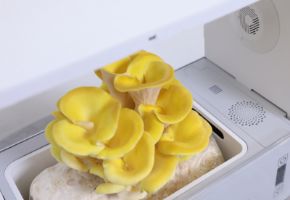
When a domestic substrate does not fruit, in the vast majority of cases the cause is drift in one of these four factors: substrate drying deep down, relative humidity too low drying the primordia, thermal swings interrupting induction, or carbon dioxide accumulation elongating stems and reducing caps. The NaturNext grow boxes, equipped with temperature and humidity sensors, are designed to make these parameters measurable and correctable rather than left to intuition, and the Grow Box Basic represents the most direct entry point for those who want to move from nature observation to controlled cultivation.
The picture is completed by cultivation accessories (nebulizers, hygrometers, inoculation syringes, filters) that allow the stable microclimate guaranteed in peatlands by the water mass and moss carpet structure to be replicated on a domestic scale. Those who want to start from a ready-made system will find in the substrates section solutions calibrated for each species.
A choice with real weight
It may seem that the choices of a single home grower do not affect the fate of European peatlands. The calculation says otherwise: a cultivation kit with peat casing consumes on average 2-4 liters of peat, corresponding to about a decade of accumulation on a square decimeter of peatland. Multiplied by hundreds of thousands of kits sold every year in Europe, the number ceases to be negligible. Choosing lignicolous species, peat-free substrates, and transparent supply chains is the most direct way in which a mushroom enthusiast can concretely contribute to peatland protection.
12. Data, statistics, and market: the numbers of peatlands
We close the analytical part with a collection of quantitative data, useful for those who must argue, teach, or simply frame the order of magnitude of the phenomenon. The values reported derive from syntheses of scientific literature and international wetland reports, and should be read as estimates with margins of uncertainty, not as point measurements.
| Indicator | Value | Observation |
|---|---|---|
| World peatland area | about 400 million hectares | Equal to about 3% of the land surface |
| Carbon stored | 550 – 650 Gt | About twice the world's forest biomass |
| Share of degraded peatlands | about 12 – 15% | Concentrated in Europe and Southeast Asia |
| Emissions from degraded peatlands | about 2 Gt CO₂eq/year | 4-5% of global anthropogenic emissions |
| Area lost in Europe | more than 50% of the original | Peaks of 90% in densely populated areas |
| Area in Italy | a few thousand hectares | Mainly Alpine relics |
| Vertical accumulation rate | 0.2 – 1 mm/year | About 1 meter every 1,000 – 2,500 years |
| Water capacity of blond peat | up to 20 times dry weight | Reason for its use in mushroom cultivation |
| European horticultural peat consumption | tens of millions of m³/year | About 90% of total EU extraction |
| Restoration time after rewetting | 5 – 30 years | For recovery of the sink function |
The mushroom market and demand for sustainable substrates
On the economic side, the sector of cultivated mushrooms and home kits is experiencing sustained expansion. Demand for plant proteins, interest in functional mushrooms, and the spread of food self-production have driven the sector's growth at annual rates between 6% and 9% in recent years, with the home kit and grow box segment growing faster than average.
At the same time, regulatory and reputational pressure on peat is intensifying. Several European countries have introduced or announced restrictions on the use of peat in amateur and professional horticulture, and large-scale retail has begun to require suppliers to declare the peat content of products. The convergence between market growth and restrictions on peat makes the peat-free transition not an ethical option but an industrial necessity in the short term, with a clear competitive advantage for those who have moved early.
| Parameter | Peat from peatlands | Coconut fiber | Sphagnum from paludiculture |
|---|---|---|---|
| Regeneration time | 1,000 – 2,500 years/meter | 1 – 2 years (by-product) | 3 – 5 years |
| Water retention | Excellent | High | Excellent |
| Natural pH | 3.0 – 4.5 | 5.5 – 6.8 | 3.5 – 4.5 |
| Carbon balance | Strongly negative | Neutral | Positive |
| Commercial availability | Wide, under restriction | Wide | Limited, growing |
| Relative cost | Low (externalities not accounted for) | Medium | Medium-high |
13. Frequently asked questions about peatlands and fungi
We gather here the questions most frequently recurring among enthusiasts, students, growers, and visitors. Each answer is designed to stand alone, so that it can be consulted even without having read the entire article.
What are peatlands in simple words?They are wetlands in which the remains of dead plants do not decompose completely and accumulate over time forming peat. They require permanent water, contained temperatures, and oxygen poverty. In practice, peatlands are ecosystems that instead of recycling organic matter archive it, layer after layer, for millennia. |
What does peatlands mean from a scientific point of view?The term indicates an ecosystem with at least 30 centimeters of peaty deposit composed of more than 30% organic matter. Below this threshold one speaks of organic soils, not true peatlands. The definition unites a geological criterion (the deposit) and an ecological one (the living community that produces it). |
What is peat used for?Historically as fuel, animal bedding, insulation, and preservative. Today about 90% of peat extracted in Europe ends up in horticulture and mushroom cultivation, where it serves as substrate and casing layer thanks to its ability to retain up to twenty times its own weight in water. |
What are peatlands for today?They store enormous quantities of carbon, regulate water flows reducing flood risk, purify water by adsorption, host specialized biodiversity, and preserve a continuous paleoenvironmental archive. To these are added value for mycological research and regulated nature tourism. |
How do peatlands form?Through three pathways: the progressive infilling of a closed lake, the paludification of mineral soils that become impermeable, and spring-fed formation around perennial springs. In all cases the necessary condition is permanent water saturation, which blocks aerobic decomposition. |
What relationship is there between a closed lake and a peatland?A lake without an outlet tends to fill with sediments and marsh vegetation advancing from the shores toward the center. Over time a floating plant carpet forms and finally a continuous peaty deposit. The peatland is, in many cases, the final evolutionary stage of a closed lake. |
What fungi grow in peatlands?Highly specialized species: Sphagnurus paluster and several Galerina (G. paludosa, G. tibiicystis) on sphagnum cushions, Arrhenia sphagnicola, Hygrocybe coccineocrenata, Mitrula paludosa in spring pools, and in wooded sectors boletes such as Leccinum holopus associated with downy birch. They are almost all small species, requiring microscopy for determination. |
Can edible mushrooms be collected in peatlands?In most cases no: almost all Italian peatlands fall within protected areas where collection is prohibited. It should also be considered that the genus Galerina, abundant in these environments, includes deadly species containing amatoxins. The correct approach is photographic and documentary, not culinary. |
What animals live in peatlands?Specialized dragonflies such as Leucorrhinia and Somatochlora arctica, monophagous butterflies such as Boloria aquilonaris, amphibians (common frog, newts), reptiles (viviparous lizard, viper), water birds such as little bittern, purple heron, and great crested grebe, and in mountain peatlands the black grouse. Among mammals, roe deer, fox, and small rodents of the margins. |
What fish are in peatlands?In raised bogs there are no fish: acidity and anoxia prevent it. In excavation water bodies, such as those of the Sebino, one finds tench, rudd, pike, perch, carp, and chub, as well as problematic alien species such as catfish, crucian carp, pumpkinseed, and wels catfish. |
Peatlands in Italy: where are they found?Mainly in the Alpine arc between 900 and 2,200 meters, with concentrations in Trentino-Alto Adige, Lombardy, Piedmont, Veneto, and Friuli-Venezia Giulia. Relict nuclei exist on the Tuscan-Emilian ridge and point sites in Abruzzo and Calabria. In the lowlands few testimonies remain, the best known of which is the Riserva Naturale delle Torbiere del Sebino. |
How do you access the Torbiere del Sebino?Access is exclusively on foot from three official entrances: the Monastero di San Pietro in Lamosa in Provaglio d'Iseo, the entrance opposite the l'Orsa sports field in Iseo, and the one near the Le Torbiere shopping center in Corte Franca. The reserve is visitable every day from dawn to dusk and cycling is prohibited inside. |
What are the trails of the Torbiere del Sebino?Three loops — north-central, south-central, and north-south — on flat paths alternating with wooden boardwalks. The most accessible trail connects the Visitor Center to the birdwatching tower for about one kilometer. The central path may be closed from mid-March to mid-July for nesting: it is best to check before departure. |
What can you see at the Torbiere del Sebino?Water bodies born from nineteenth-century peat extraction, reed beds, water lilies, more than 77 nesting bird species, and over 480 plant species. In autumn the mycological component of the reed beds and wooded margins becomes interesting. The Monastero di San Pietro in Lamosa overlooks the area directly. |
"Torbiere centro commerciale": what is it?It is an urban reference, not a naturalistic one: some commercial structures in the Corte Franca and Iseo area have taken their name from the adjacent protected area. One of the official entrances to the reserve is located right near the Le Torbiere shopping center, which explains the frequent overlap in online searches. |
How do you make a peatland in a garden or greenhouse?You need an impermeable container, an acidic substrate very poor in nutrients, rainwater or demineralized water (never calcareous water), and a cover of live sphagnum from sustainable sources. The water level must be kept constant a few centimeters from the surface. It is an excellent exercise for understanding moisture management applicable also to mushroom cultivation. |
Why is peat used in mushroom cultivation?Because in the casing layer of the button mushroom a material is needed that retains a great deal of water, maintains structure over time, has low pathogen load, and creates the microbiological gradient that induces fruiting. Blond peat satisfies all these requirements, but at the cost of eroding the peatlands from which it is extracted. |
Are there alternatives to peat for growing mushrooms?Yes. The most effective is to choose lignicolous species (pleuroti, shiitake, pioppino, cardoncello) that do not require any covering layer. Where a covering is needed, mixtures of coconut fiber, sphagnum from paludiculture, mature green compost, and biochar work, with performance now comparable to traditional peat casing. |
How long does a peatland take to form?Average vertical accumulation is 0.2-1 millimeter per year. One meter of peat therefore corresponds to a period between one thousand and two thousand five hundred years. The deepest Alpine peatlands began forming at the end of the last glaciation, over ten thousand years ago. |
Why is draining a peatland so harmful?Because the entry of oxygen reactivates the enzymes that were blocked and triggers the decomposition of peat accumulated over millennia. The result is the release of large quantities of CO₂ and nitrous oxide, land subsidence, and irreversible loss of the habitat and its specialized mycoflora. |
How can one contribute to peatland protection?By choosing peat-free substrates and kits, respecting trails in protected areas, avoiding trampling on sphagnum, documenting mycological finds with georeferenced data to share with managing bodies and mycological associations, and supporting rewetting and paludiculture projects. |
14. Conclusions: why defending peatlands benefits everyone
We began from a definition and arrived at a balance sheet. Along the way, peatlands revealed themselves to be much more than a curious habitat: they are extremely slow geochemical machines, paleoenvironmental archives, carbon reservoirs, natural filters, biodiversity refuges, and — a point particularly close to our hearts — unique mycological laboratories, in which fungi have developed adaptations not observed anywhere else.
The central message is that the relationship between peatlands and fungi is not an academic detail but a relationship of mutual dependence: ericoid fungi make possible the vegetation that builds peatlands, and peatlands create the conditions that select those fungi. Breaking one link means losing the other. And the break, today, almost always passes through a drainage ditch or an excavator bucket.
For those who cultivate mushrooms the operational conclusion is concrete and within reach: favor lignicolous species that do not require peaty casing, move toward peat-free substrates, manage with precision the four parameters (substrate moisture, air humidity, temperature, and gas exchange) that peatlands keep naturally in balance. Every harvest obtained in this way is a small contribution to the conservation of ecosystems that no technology will ever be able to rebuild within a human lifetime.
For those who instead frequent peatlands as naturalists, an invitation remains: return in different seasons, learn to read the microrelief, look for sphagnum before mushrooms, note, photograph, share data. The mycoflora of Italian peatlands is still largely to be written, and it is methodical enthusiasts, more than laboratories, who can write it. It is a rare opportunity: one in which the curiosity of a hobbyist becomes, without forcing, useful scientific research.
This article was developed with the support of artificial intelligence and subsequently reviewed, corrected, and validated by the technical team of NaturNext.eu, which guarantees its reliability and conformity with official sources.
The kingdom of fungi is a universe in continuous evolution, with new scientific discoveries emerging every year about their extraordinary benefits for intestinal health and general well-being. From now on, when you see a mushroom, you will no longer think only of its flavor or appearance, but of all the therapeutic potential it holds in its fibers and bioactive compounds. ✉️ Stay connected - Subscribe to our newsletter to receive the latest studies on: Nature offers us extraordinary tools to take care of our health. Mushrooms, with their unique balance between nutrition and medicine, represent a fascinating frontier that we are only beginning to explore. Continue following us to discover how these extraordinary organisms can transform your approach to well-being.Continue your journey into the world of mushrooms