




Every second, as you read this sentence, about 25 trillion red blood cells are transporting oxygen along your blood vessels and hundreds of trillions of mitochondria are burning it to produce energy. Oxygenation is therefore not a marginal physiological detail: it is the very condition of aerobic life, the process that separates a working cell from a cell that is barely surviving. Yet, when we talk about oxygenation, most people only think of breathing, that is, the last visible link in a very long chain that begins in the air and ends inside a microscopic structure called the mitochondrial respiratory chain.
In recent years, research on medicinal mushrooms has brought to the forefront an organism as unusual as it is studied: Cordyceps. An entomopathogenic fungus that grows at 3,000-5,000 meters of altitude on the Tibetan plateau, in environments where the partial pressure of oxygen is drastically reduced, and which for this very reason has become the ideal candidate to investigate the relationship between applied mycology and cellular oxygenation. It is no coincidence that Tibetan and Chinese tradition used it for fatigue, shortness of breath, and post-illness weakness long before spectrophotometers and cardiopulmonary exercise tests existed.
This article is born to answer a simple but scientifically complex question: can Cordyceps really influence tissue oxygenation and the efficiency with which cells use oxygen? To answer this, we have gathered and reorganized the body of evidence consolidated up to 2025 (randomized clinical trials, preclinical research, systematic reviews, and cultivation data) and translated it into a language that is useful both to mushroom enthusiasts and to growers, researchers, and hobbyists who keep a box of Cordyceps militaris on their windowsill.
You will therefore find the physiology of oxygenation explained without misleading simplifications, the biochemistry of the active compounds in Cordyceps, the numbers from studies on aerobic performance, the hypothesized molecular mechanisms (from HIF-1α to nitric oxide, from mitochondrial biogenesis to erythropoiesis), a practical guide to cultivation in which substrate oxygenation is the parameter that decides between a cordycepin-rich harvest and a failure, and finally the industrial criteria to recognize a serious extract from rice powder disguised as a supplement. Regarding oxygenation, no miraculous promises, no invented data: only what the literature allows us to state, with its limitations openly declared.
A methodological warning, because seriousness is the first form of respect towards the reader: talking about oxygenation in relation to a supplement does not mean attributing therapeutic properties to it. Cordyceps is a functional food, not a drug: the available clinical data are promising but numerically limited, often conducted on small samples and with different formulations. This article will give you the tools to read that data with a critical eye, not to replace medical advice.
In this article...
1. What is cellular oxygenation: from air to mitochondrion
Before asking ourselves whether a mushroom can improve something, we must precisely define what we are measuring. The term oxygenation is used confusingly: sometimes it indicates hemoglobin saturation, sometimes the amount of oxygen reaching a muscle, sometimes the cell's ability to use it. These are three different things, and confusing them is the reason why so many misleading claims about supplements circulate. In physiology, oxygenation is a chain of steps in series: if even one link weakens, the whole chain slows down.
The five steps of the oxygen chain
The path that an O2 molecule takes from the atmosphere to the mitochondrion passes through five mandatory stations. Understanding them means understanding where a nutritional intervention can realistically act and where it can do nothing.
| Station | Process | Measurable parameter | Limiting factors |
|---|---|---|---|
| 1. Ventilation | Air entry into the alveoli | VE, tidal volume, FEV1 | Respiratory muscles, altitude, obstructive pathologies |
| 2. Alveolar diffusion | O2 passage from alveolus to capillary | DLCO, A-a gradient | Alveolar surface, membrane thickness |
| 3. Blood transport | Binding with hemoglobin | SpO2, Hb, hematocrit | Iron, B12, folates, erythropoiesis |
| 4. Peripheral distribution | Cardiac output and microcirculation | Q, capillary density, NO | Endothelium, vasodilation, viscosity |
| 5. Cellular utilization | Oxidative phosphorylation | a-vO2 diff, mitochondrial density | Number and quality of mitochondria, enzymes |
The fifth station is the one that interests this article the most, because this is where true cellular oxygenation takes place. A subject may have a peripheral saturation of 98% and nevertheless produce little energy, because the oxygen arrives but is not extracted and used efficiently. In oxygenation, it is the difference between having gas in the tank and having an engine capable of burning it.
The mitochondrion: where oxygenation becomes energy
The mitochondrion is the only organelle that directly consumes oxygen, and it does so through four enzymatic complexes embedded in the inner membrane. Electrons donated by NADH and FADH2 flow along these complexes, generating a proton gradient that ATP synthase converts into chemical energy. At the end of the run, complex IV (cytochrome c oxidase) delivers the electrons to oxygen, which is reduced to water. If oxygen is lacking, the chain blocks upstream and the cell falls back on anaerobic glycolysis, which is much less efficient: 2 ATP molecules compared to the approximately 30-32 of the oxidative pathway.
This explains why poor oxygenation almost always manifests as fatigue: early muscle tiredness, brain fog, slow recovery. The brain, which weighs 2% of the body but consumes about 20% of the total oxygen, is one of the first organs to signal an oxygenation deficit. Improving oxygenation, in the strict sense, means increasing the system's capacity to deliver and use O2 per unit of time, and the two parameters that best summarize this are VO2max and the ventilatory threshold.
Hypoxia, normoxia, and the daily gray area
Frank hypoxia is a clinical condition. But there is a much more common gray area: sedentary lifestyle, superficial chest breathing, undiagnosed sleep apnea, mild iron-deficiency anemia, closed environments with high CO2, smoking, mitochondrial aging. In all these situations, oxygenation does not collapse, but silently degrades. It is precisely this gray area that research on adaptogenic mushrooms has focused on, because here a nutritional intervention has plausible margins, whereas in pathological hypoxia, oxygen therapy and medicine are needed.
A useful fact for orientation: at sea level, the partial pressure of oxygen is about 159 mmHg; at 3,000 meters it drops to about 110 mmHg; at 5,000 meters to about 84 mmHg. The body defends oxygenation by responding with hyperventilation, increased cardiac output, and, in the medium term, with the activation of hypoxic adaptation genes. Cordyceps ecologically originated precisely in that altitude range, and this is the starting point of all modern research on mushroom oxygenation.
2. Cordyceps: biological identity, species, and active compounds
Cordyceps is not just any mushroom, and it is important to understand why if we want to comprehend its relationship with oxygenation. It is a genus of entomopathogenic fungi, i.e., organisms that colonize insect larvae, consume their tissues, and develop a club-shaped fruiting body outside the host's body. This seemingly macabre life strategy has produced an extraordinary biochemical arsenal, because to survive in cold, oxygen-poor, and highly competitive environments, the fungus had to develop very potent secondary metabolites.
Ophiocordyceps sinensis and Cordyceps militaris: two different stories
The commercial confusion between the two main species is enormous, and for the conscious consumer, it represents the first criterion of choice. Ophiocordyceps sinensis (formerly Cordyceps sinensis) is the historic Tibetan species, a parasite of Thitarodes larvae, practically impossible to cultivate in its complete cycle and today harvested in the wild at prices that have reached and surpassed those of gold. Cordyceps militaris, bright orange, is instead successfully cultivated on plant substrates and insect pupae, and it is the species that contains the highest amounts of cordycepin.
| Characteristic | O. sinensis | C. militaris |
|---|---|---|
| Habitat | Tibetan plateau, 3,000-5,000 m | Temperate zones, cosmopolitan |
| Cultivability | Mycelium only (CS-4 strain) | Complete cycle in vitro |
| Cordycepin | Traces or absent | High (up to 3-10 mg/g d.w.) |
| Adenosine | Present, official marker | Present |
| Raw material cost | Very high | Accessible and sustainable |
| Studies on oxygenation | Majority of historical RCTs (CS-4) | Recent studies and sports blends |
The vast majority of serious supplements on the European market use fermented mycelial biomass or fruiting bodies of C. militaris, for reasons of sustainability, traceability, and analytical reproducibility. The strain Paecilomyces hepiali CS-4, isolated in the 1980s from Tibetan samples and cultivated in a fermenter, is the basis of many of the clinical studies on oxygenation that we will discuss in the next chapter.
The bioactive compounds that matter
Defining Cordyceps as "an energizing mushroom" is reductive, especially when talking about oxygenation. Its activity depends on a complex matrix of molecules, each with a different role in the physiology of cellular oxygenation and energy metabolism.
Cordycepin (3'-deoxyadenosine)
It is the most characteristic metabolite, a nucleoside analog of adenosine lacking the hydroxyl group at the 3' position. This structural similarity allows it to interact with adenosine receptors and cellular energy signaling pathways, particularly AMPK, the metabolic sensor that activates when energy reserves are depleted. AMPK activation stimulates fat oxidation and mitochondrial biogenesis, two processes closely linked to the oxygenation capacity of muscle tissue.
Adenosine and related nucleosides
Adenosine is a potent endogenous vasodilator and regulator of coronary flow. Its presence in Cordyceps is one of the analytical markers required by the Chinese Pharmacopoeia and is one of the most solid biochemical arguments supporting the hypothesis of an effect on the microcirculation and therefore on peripheral oxygenation.
Polysaccharides and beta-glucans
High molecular weight polysaccharides, particularly 1,3-1,6 beta-glucans, are responsible for immunomodulating and antioxidant activity. Indirectly, by reducing the systemic inflammatory load, they help preserve endothelial functionality, which is the prerequisite for good oxygen distribution.
Cordycepic acid (D-mannitol)
A polyalcohol with osmotic and antioxidant properties, historically used as a marker of raw material authenticity, with typical concentrations between 3% and 10% on a dry basis in quality extracts.
Ergosterol, ergothioneine, and peptides
Ergosterol is the precursor of vitamin D2 and stabilizes fungal membranes: ergothioneine is a sulfur-containing amino acid that selectively accumulates in mitochondria and in tissues with high oxygen consumption, where it acts as a cytoprotector against oxidative stress. It is one of the most interesting compounds to emerge from mycological research in recent years precisely in relation to the protection of highly oxygenated tissues.
If you want to delve deeper into the differences between the various species and their respective matrices, in the dedicated section of NaturNext.eu dedicated to Cordyceps you will find complete technical data sheets with titrations and raw material origin.
3. 2025 Study: the updated landscape of evidence on oxygenation and Cordyceps
We arrive at the heart of the article. We do not intend to consider a single miraculous experiment, but the consolidation of evidence available up to 2025: historical clinical studies reassessed with modern methodologies, the most recent systematic reviews, preclinical works on molecular mechanisms. This is how real science works, through accumulation and verification, not through sudden revelations. The picture that emerges is interesting but nuanced, and deserves to be told in its entirety, including negative results.
What human clinical studies show
Controlled human studies that have investigated parameters related to oxygenation and aerobic performance after Cordyceps supplementation are relatively few, conducted on contained samples and with heterogeneous formulations. We summarize the main strands, with the caveat that the reported values are indicative and must be read in the methodological context of each work.
| Population | Duration | Outcome on oxygenation parameters | Critical reading |
|---|---|---|---|
| Healthy sedentary adults over 50 (CS-4, ~3 g/day) | 6-12 weeks | Improvement in metabolic/ventilatory threshold (around 10%); VO2max not always significant | Greater effect on efficiency than on maximum power |
| Active non-elite adults (blend with C. militaris) | 1-3 weeks | Increase in VO2max and time to exhaustion | Multi-mushroom formulation: effect not attributable to Cordyceps alone |
| Trained cyclists (isolated C. sinensis) | 5 weeks | No significant difference compared to placebo | In trained athletes, the margin for improvement is very small |
| Subjects exposed to moderate altitude | 2-4 weeks | Reports of better subjective tolerance to exertion | Predominantly observational data, high risk of bias |
The honest reading of this table is as follows: the most recurring signal concerns the efficiency of oxygenation at submaximal intensities, not the increase in the maximum ceiling of oxygen consumption. In simple terms, studies suggest that Cordyceps may help the body to "use" the available oxygen better rather than to take in more. This is consistent with the molecular mechanisms we will see, and it is also the reason why the perceived benefits are greater in sedentary, elderly, or recovering subjects, and lesser in already highly trained athletes.
The contribution of preclinical research
In animal models, the picture is clearer, as is often the case. Studies on rodents subjected to hypobaric hypoxia or swimming to exhaustion tests have repeatedly shown an increase in endurance time under reduced oxygenation conditions, an increase in hepatic and muscle glycogen, a reduction in post-exertion blood lactate and urea, and an increase in the activity of antioxidant enzymes. Some works have documented a greater expression of mitochondrial biogenesis regulators, which provides a plausible basis for the hypothesis of an improvement in cellular oxygenation.
However, pay attention to a crucial point: the dosages used in animal models, reported per kilogram of body weight, are often much higher than those realistically assumable by humans. The direct translation of results is scientifically incorrect and is the most common error in the marketing of oxygenation supplements.
How to critically read this data
Five questions to ask yourself every time you read a study on Cordyceps oxygenation: (1) which species and which strain were used? (2) is it mycelium on grain, fermented biomass, or fruiting body? (3) what was the actual titration in beta-glucans and cordycepin? (4) was the control group a true placebo? (5) was the measured outcome objective (cardiopulmonary test, lactate, NIRS spectroscopy) or subjective (fatigue perception questionnaire)? Most of the most reckless commercial claims collapse at the second question.
4. The mechanisms: how Cordyceps interacts with cellular oxygenation
A biological effect is credible only if there is a mechanism that explains it. For this reason, the most solid part of Cordyceps research does not so much concern clinical results, but rather the molecular pathways through which its metabolites interact with oxidative metabolism. Below are the five main directions, ordered from the most documented to the most hypothetical, all converging on the theme of oxygenation.
AMPK, PGC-1α, and mitochondrial biogenesis
Cordycepin, being structurally similar to adenosine, can influence the AMP/ATP ratio perceived by the cell and activate AMP-activated protein kinase (AMPK). AMPK is the metabolic switch that, under energy deficit conditions, reorients the cell towards ATP production: it increases fatty acid oxidation, improves insulin sensitivity, and downstream activates the coactivator PGC-1α, considered the main regulator of mitochondrial biogenesis.
Why does this matter for oxygenation? Because more mitochondria, and qualitatively better mitochondria, mean a greater capacity to extract oxygen from capillary blood. It does not increase the available oxygen, but it increases the efficient demand at the tissue level, which technically translates into an increase in the arteriovenous oxygen difference. This is exactly the type of adaptation that endurance training produces, and that a nutritional intervention can at most favor, never replace.
Nitric oxide, endothelium, and microcirculation
The adenosine contained in the mushroom and the modulation of the nitric oxide (NO) pathway represent the second direction. NO produced by the endothelium induces relaxation of vascular smooth muscle, increasing the caliber of resistance vessels and improving the perfusion of capillary beds. A more reactive microcirculation improves local oxygenation and means that oxygen reaches tissue areas that would otherwise remain relatively hypoperfused, a phenomenon known as capillary recruitment.
Several experimental works on vascular preparations have documented a vasorelaxant effect of Cordyceps extracts. This is one of the reasons why mushroom oxygenation is studied in relation to cardiovascular function and not just sports performance, although human clinical data remain preliminary and do not authorize any therapeutic indication.
HIF-1α: the hypoxia sensor
The hypoxia-inducible factor HIF-1α is the protein that won the 2019 Nobel Prize in Medicine for Kaelin, Ratcliffe, and Semenza, and it represents the mechanism by which every cell in the body measures oxygen. In normoxia, HIF-1α is rapidly degraded; when oxygen is scarce, it stabilizes, enters the nucleus, and turns on adaptation genes: erythropoietin, VEGF for angiogenesis, glucose transporters, glycolytic enzymes.
Research has shown that some fungal metabolites can modulate this pathway, and this is the basis of the most fascinating hypothesis about Cordyceps oxygenation: that the fungus acts as a mild hypoxic adaptation mimetic, that is, it induces part of the physiological responses of altitude exposure without actually exposing the organism to altitude. It is an elegant and biologically coherent working hypothesis, but it must be clearly stated that in humans it is not yet conclusively proven.
Antioxidant defense and mitochondrial protection
Every time a cell uses oxygen, it also produces reactive oxygen species (ROS). This is the biochemical price of oxygenation and aerobic life: about 1-2% of the consumed oxygen escapes complete reduction and generates radicals. An excess of ROS damages mitochondrial DNA, membrane lipids, and the respiratory chain complexes themselves, triggering a vicious cycle in which the cell's oxygenation capacity progressively worsens.
Cordyceps polysaccharides, ergothioneine, and phenolic compounds have shown in vitro and in vivo the ability to increase the activity of superoxide dismutase, catalase, and glutathione peroxidase, and to reduce lipid peroxidation markers such as malondialdehyde. Protecting the mitochondrion is the most direct way to protect oxygenation in the long term.
Erythropoiesis and oxygen transport
Some preclinical studies have reported an increase in erythropoietin levels and red blood cell production after administration of Cordyceps extracts. If confirmed in humans at realistic dosages, this would act on the third station of the oxygen chain, that of blood transport. At present, this effect is not sufficiently documented clinically and should be considered an open area of research, not an acquired benefit. It should also be remembered that an uncontrolled increase in hematocrit is not at all desirable, because it increases blood viscosity and can worsen, not improve, peripheral perfusion.
| Mechanism | Station of the oxygen chain | Level of evidence |
|---|---|---|
| AMPK / PGC-1α / mitochondrial biogenesis | Cellular utilization | Solid preclinical, indirect clinical |
| Nitric oxide and vasodilation | Peripheral distribution | Experimental, coherent |
| HIF-1α modulation | Global adaptation | Hypothesis under study |
| Antioxidant defense | Protection of utilization | Well documented in vitro/in vivo |
| Erythropoiesis | Blood transport | Preliminary, not confirmed in humans |
5. Oxygenation with mushrooms: the comparison beyond Cordyceps
Cordyceps is the protagonist, but it is not the only mushroom that research has linked to oxidative metabolism. Talking about oxygenation with mushrooms means considering an ecosystem of species that act on different stations of the oxygen chain, with complementary profiles. This chapter is for those who want to build a reasoned protocol instead of accumulating jars.
Comparative table of the most studied species
| Mushroom | Key compounds | Role in oxygenation | Typical use profile |
|---|---|---|---|
| Cordyceps | Cordycepin, adenosine, polysaccharides | Mitochondrial efficiency, microcirculation, endurance | Sports, fatigue, recovery, altitude |
| Reishi (G. lucidum) | Triterpenes, beta-glucans | Stress modulation, sleep quality, vascular tone | Evening, chronic stress management |
| Chaga (I. obliquus) | Betulin, melanins, polyphenols | High antioxidant power, cellular protection | General antioxidant support |
| Hericium (Lion's Mane) | Hericenones, erinacines | Neurotrophic support, tissue with high O2 consumption | Concentration, mental clarity |
| Maitake (G. frondosa) | D-fraction, beta-glucans | Glucidic metabolism and immunity | Metabolic support |
| Shiitake (L. edodes) | Lentinan, eritadenine, ergothioneine | Lipid profile, antioxidant protection | Daily dietary use |
| Auricularia | Sulfated polysaccharides | Blood fluidity and microcirculation | Circulatory support |
Why synergies work (when they work)
The logic of multi-mushroom formulations for oxygenation is that each species intervenes on a different link: Cordyceps on mitochondrial efficiency, Auricularia on blood rheology, Chaga on oxidative protection, Reishi on nighttime recovery, which is the time when mitochondria repair themselves. Good oxygenation is not built with a single switch, but with the simultaneous improvement of multiple steps.
The flip side is that many commercial blends contain homeopathic doses of eight or ten species, such that none of them reach the quantity used in studies. The practical rule is simple: better two or three well-dosed and titrated mushrooms than ten names on the label. In the selection of medicinal mushrooms available on NaturNext.eu, each reference reports the gram weight and titration, which are the only two numbers that allow a real comparison between products.
6. Sport, altitude, and performance: what really changes
In the sports world, the theme of oxygenation is a true obsession, and for good reasons: in endurance disciplines, performance depends almost entirely on the capacity to transport and use oxygen. This chapter explains which oxygenation parameters make sense, what expectations are realistic, and why Cordyceps interests the advanced amateur more than the Olympic champion.
VO2max, thresholds, and energy cost
VO2max is the maximum amount of oxygen the body can consume per unit of time, expressed in ml/kg/min. It is the ceiling of the system, largely determined by genetics and improvable with training within a range of 15-25% in most subjects. But real performance does not depend only on the ceiling: it also depends on the threshold, that is, the percentage of that ceiling that can be sustained for a long time, and on economy, that is, how much oxygen is consumed at a given speed.
This distinction is decisive for correctly interpreting the literature: studies on Cordyceps that have found positive results have found them mainly on threshold and economy, not on VO2max. Translated into practice: the most realistic hypothesis is not "I will run absolutely faster", but "I will sustain the same intensity for longer with a lower perception of fatigue". A less spectacular goal, but more honest and often more useful in real life.
| Parameter | What it measures | Typical margin of improvement with training | Plausibility of a nutritional contribution |
|---|---|---|---|
| VO2max | Maximum aerobic capacity | 15-25% | Low in trained subjects |
| Ventilatory threshold | Sustainable intensity | 20-40% | Moderate, main area of studies |
| Running economy | Oxygen cost per speed | 3-8% | Moderate |
| Time to exhaustion | Endurance at fixed intensity | Highly variable | Moderate, but outcome sensitive to placebo |
| Resting SpO2 | Hemoglobin saturation | Almost null if already normal | None in healthy subjects |
The last row deserves emphasis, because it dismantles one of the most widespread misunderstandings: if your resting saturation is 97-99%, no supplement in the world will significantly increase it, simply because hemoglobin is already almost completely saturated. Anyone who promises to "increase oxygen in the blood" with a capsule is selling a physical impossibility. The real field of action for improvable oxygenation is downstream, in the way tissues extract and employ that oxygen.
Altitude, acclimatization, and mountain sickness
As altitude increases, the partial pressure of oxygen drops and the body activates a sequence of responses: immediate hyperventilation, increased heart rate, respiratory alkalosis compensated by the kidney over days, erythropoietic stimulus over weeks. It is the natural gym of oxygenation, and Cordyceps comes exactly from that environment. Tibetan tradition used it for high-altitude fatigue, and this ethnobotanical anecdote has inspired much modern research, although it does not constitute proof in itself.
For those who practice trekking or mountaineering, the recommendations that have solid evidence remain the classic ones: gradual ascent (no more than 300-500 m of sleeping altitude gain per day above 3,000 m), adequate hydration, early recognition of acute mountain sickness symptoms. Nutritional support for oxygenation does not replace acclimatization and does not protect from potentially lethal high-altitude pathologies such as pulmonary or cerebral edema. There are no shortcuts here, and anyone who proposes them is dangerous.
Usage protocols in amateur sports
For those who run, cycle, swim, or practice trail at an advanced amateur level, the most sensible use of Cordyceps in terms of oxygenation follows three rules. First: continuity, because mitochondrial adaptations require weeks, not hours; study protocols typically last 3-12 weeks. Second: timing, with intake in the morning or 40-60 minutes before training, avoiding the evening in sensitive subjects so as not to interfere with sleep. Third: periodization, with cycles of 8-12 weeks followed by 2-4 weeks of suspension, a widespread prudential practice in mycotherapy even if not formally validated.
If you are building a preparation protocol, the formulations for athletes available among the NaturNext.eu supplements for energy and endurance report the dosage per serving, which is the data to compare with the 1-3 grams of extract used in most clinical studies.
7. Age, oxidative stress, and chronic fatigue: the oxygenation lost over the years
There is a reason why the most interesting evidence on Cordyceps oxygenation comes from studies on subjects over 50: because aging is first and foremost a mitochondrial phenomenon, and therefore an oxygenation phenomenon. Over the years, the density and functionality of mitochondria decrease, mitochondrial DNA accumulates mutations, mitophagy slows down, and maximum aerobic capacity drops by an average of 8-10% per decade after the age of 30. It is the progressive loss of efficient oxygenation that we call, with a euphemism, "feeling less fit".
The measurable decline in oxidative capacity
| Age group | Indicative average VO2max (ml/kg/min, sedentary) | Prevalent physiological changes |
|---|---|---|
| 20-29 | 38-45 | Peak of mitochondrial function |
| 30-39 | 34-42 | Beginning of decline, often masked |
| 40-49 | 30-38 | Reduction of lean mass and capillary density |
| 50-59 | 26-34 | Drop in maximum output and vascular compliance |
| 60+ | 22-30 | Sarcopenia, reduced peripheral O2 extraction |
The values are indicative and vary enormously depending on training, body composition, and genetics: an active 60-year-old can easily outperform a sedentary 30-year-old, which demonstrates that the decline in oxygenation is much more modifiable than age suggests.
Chronic fatigue and oxygenation: a complex link
Persistent tiredness, often attributed to poor oxygenation, is one of the most frequent reasons for medical consultation and has dozens of possible causes: anemia, hypothyroidism, vitamin D or B12 deficiencies, sleep apnea, depression, sleep disorders, infections, medications. Before thinking about an oxygenation supplement, it is essential to rule out these causes with targeted tests, because no mushroom corrects an iron deficiency or a malfunctioning thyroid. A complete blood count, ferritin, serum iron, TSH, and vitamin D are the logical starting point.
Excluding organic factors, there remains a consistent portion of people with functional fatigue linked to lifestyle, chronic stress, sedentary behavior, and fragmented sleep. In this group, the goal of improving cellular oxygenation through physical activity, breathing, sleep, and nutritional support is reasonable and free of major contraindications. Cordyceps, in this context, should be understood as a marginal support within a strategy, not as the strategy itself.
Brain, clarity, and oxygenation
Nervous tissue is the most oxygen-dependent in the entire organism and does not have significant energy reserves. Even a modest and prolonged reduction in brain oxygenation translates into difficulty concentrating, slowed reaction times, and mental fatigue. Not surprisingly, many users anecdotally report a feeling of greater clarity rather than physical energy. It remains a subjective datum, but consistent with the role of cerebral microcirculation and the very high mitochondrial density of neurons. Those looking for specifically cognitive support will find in the Hericium erinaceus proposed by NaturNext.eu a complementary choice, often associated with Cordyceps in mental support protocols.
8. Cultivating Cordyceps militaris: when oxygenation is a technical parameter
Here the concept of oxygenation completely changes scale and becomes a process parameter. For a grower, oxygenation does not concern their own mitochondria but those of the fungus: the ratio between oxygenation and carbon dioxide in the fruiting chamber determines morphology, yield, and even the content of active metabolites. It is the most practical chapter of this in-depth look at oxygenation and the one where amateur mycology and biotechnology meet.
Why Cordyceps militaris is the ideal mushroom for the hobbyist
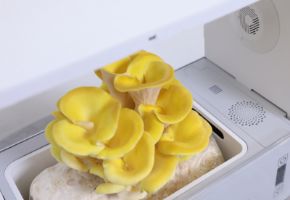
Unlike Ophiocordyceps sinensis, which requires a specific host and irreproducible high-altitude conditions, Cordyceps militaris completes its cycle on simple substrates: hydrated brown rice, enriched with a nitrogen source (peptone, nutritional yeast, insect flour, or silkworm pupae). It grows in glass jars or filtered containers, at domestic temperatures, and produces the characteristic orange stromata within 6-10 weeks. The fascination for the enthusiast is enormous: it is one of the few mushrooms where the hobbyist can directly observe the effect of oxygenation and other environmental parameters on the biochemistry of the final product.
Cultivation parameters, with oxygenation at the center
| Phase | Temperature | Relative humidity | Light | Oxygenation / CO2 | Indicative duration |
|---|---|---|---|---|---|
| Inoculation and colonization | 20-23 °C | Not critical (closed container) | Darkness | Minimal exchange through filter | 10-20 days |
| Induction of fruiting | 18-20 °C | 85-90% | 12 h/day, blue/white light 300-1000 lux | Progressive increase in oxygenation | 7-14 days |
| Stromata development | 18-22 °C | 80-90% | 12 h/day | CO2 < 1,000-1,500 ppm, frequent exchanges | 3-5 weeks |
| Maturation and harvest | 18-20 °C | 75-85% | 12 h/day | High and constant oxygenation | - |
CO2 is the parameter that separates the amateur from the conscious grower. In a poorly ventilated chamber, carbon dioxide accumulates rapidly and the fungus responds by elongating the stromata into thin, pale, and poorly branched forms, with lower metabolite yields. With good oxygenation, the stromata are instead compact, intense orange in color, and with a more developed fertile surface. The color, in this mushroom, is an almost direct visual indicator of gas exchange and lighting conditions.
The light-oxygen-cordycepin triangle
Biotechnological research has shown that cordycepin production in culture is strongly influenced by three interdependent variables: light intensity and spectrum, oxygen availability, and substrate composition. Light, which together with oxygenation governs the quality of the harvest, particularly in the blue component, regulates carotenoid pigmentation and the transition from the vegetative to the reproductive phase; oxygenation supports the oxidative metabolism of the mycelium and the synthesis of nucleosides; available nitrogen determines the accumulated biomass.
In industrial fermenter productions, the key variable is kLa, the oxygen transfer coefficient, regulated by agitation and air flow rate. An insufficient kLa means mycelium that slows down, acidifies, and produces fewer secondary metabolites; an excessive kLa generates shear stress and foam. The optimization of oxygenation is literally the heart of medicinal mushroom bioengineering, and it is the reason why two extracts of the same species can have completely different chemical profiles.
Frequent errors and how to avoid them
| Error | Visual signal | Correction |
|---|---|---|
| Poor chamber oxygenation | Filiform, pale, elongated stromata | Increase air exchanges, monitor CO2 |
| Excessive humidity without ventilation | Green molds, anomalous odors | Balance humidity and oxygenation, reduce misting |
| Insufficient light | Pale yellow coloring | 12/12 cycle with adequate intensity |
| Temperature too high | Rapid colonization but absent fruiting | Maintain 18-22 °C in fruiting |
| Substrate too compact | Patchy colonization | Improve internal oxygenation with correct granulometry and hydration |
| Degenerated strain | Loss of pigmentation over time | Renew culture from spores or certified strain |
The most valuable advice for beginners is to keep a log. Inoculation date, temperature, hours of light, CO2 readings, weekly appearance, fresh and dry weight at harvest. After three cycles, you have a small personal dataset that is worth more than any tutorial, because every domestic environment has its own oxygenation curve. Those who wish to start with reliable materials will find in the mushroom cultivation kits and materials section of NaturNext.eu substrates, filtered containers, and equipment for managing humidity and air exchange.
From cultivation to extract: what happens after harvest
The fresh fruiting body contains over 85% water and is poorly preservable. Low-temperature drying (40-50 °C) preserves thermolabile nucleosides, while higher temperatures rapidly degrade cordycepin. This is followed by grinding and, in quality products, extraction. In Cordyceps, the ideal extraction is dual: hot water solubilizes beta-glucans and high molecular weight polysaccharides, while hydroalcoholic extraction recovers nucleosides, triterpenes, and apolar compounds. A purely aqueous extract loses part of the profile, a purely alcoholic one loses the glucans.
9. Quality, extracts, and standardization: recognizing a Cordyceps that works
This is the chapter that makes the difference between spending well and spending poorly. The functional mushroom market has grown much faster than consumers' ability to read a label, and the result is that a significant portion of the products in circulation contain much less mushroom than they imply. If the goal is oxygenation, an underdosed product will simply produce no effect.
Mycelium on grain, fermented biomass, fruiting body
Three different raw materials, three completely different profiles even in terms of oxygenation. Mycelium on grain (MOG, myceliated grain) is obtained by growing the mycelium on rice or oats and grinding everything together: the result contains a significant portion of residual starch, with often modest beta-glucan contents. Liquid-fermented mycelial biomass is separated from the culture medium and has cleaner and more reproducible profiles: it is the basis of many strains used in clinical studies, including CS-4. The fruiting body of C. militaris is the matrix with the highest cordycepin contents.
| Matrix | Typical beta-glucans | Cordycepin | Residual starch | Cost |
|---|---|---|---|---|
| Mycelium on grain | Low | Very low or absent | High | Low |
| Fermented biomass (CS-4) | Medium | Low | Absent | Medium |
| C. militaris fruiting body | Medium-high | High | Absent | Medium-high |
| Concentrated extract (8:1 / 10:1) | High | High if from militaris | Absent | High |
The five numbers to look for on the label
First, the species and the part used: "Cordyceps militaris, fruiting body" is information, "Cordyceps" alone is not. Second, the extraction ratio (e.g., 10:1), which indicates how many grams of raw material are needed for one gram of extract. Third, the titration in polysaccharides and, even better, in beta-glucans: the wording "polysaccharides" can include starches, "beta-glucans" cannot. Fourth, the quantity per daily dose, not per capsule. Fifth, the existence of heavy metal analyses, because mushrooms are highly efficient accumulators of arsenic, cadmium, lead, and mercury from the substrate.
Contaminants and traceability
The bioaccumulating capacity of mushrooms is a valuable ecological characteristic (they are used in mycoremediation to clean up contaminated soils) but becomes a risk when the raw material grows on uncontrolled substrates. A serious producer declares the geographical origin, performs batch-by-batch analyses, and makes them available. To this are added controls on microbial load, pesticide residues, residual solvents, and radioactivity for some origins. When a product costs much less than the market average, the correct question is not "what a bargain" but "what has been removed".
The line of titrated Cordyceps extracts from NaturNext.eu reports in the technical data sheet the species, part used, extraction ratio, and titration, allowing direct comparison with the dosages used in the literature on oxygenation.
10. Dosages, protocols, and synergies for oxygenation
Having defined the mechanisms of oxygenation and the quality criteria, the most practical question remains: how much, when, and for how long. The honest answer is that there is no officially established dosage, because it is not a drug; however, there are the dosages used in studies, which represent the most solid reference available. Below is an operational summary, to be understood as general guidance and not as a personalized prescription.
Reference quantities
| Objective | Form | Indicative quantity per day | Typical duration | Recommended time |
|---|---|---|---|---|
| General support for oxygenation and tone | Titrated extract | 1,000-1,500 mg | 8-12 weeks | Morning, at breakfast |
| Endurance sports preparation | Titrated extract | 1,500-3,000 mg | 4-12 weeks | Morning or pre-workout |
| CS-4 type fermented biomass | Powder | about 3,000 mg | 6-12 weeks | Divided into 2 intakes |
| Dietary use (herbal teas, decoctions) | Dried mushroom | 2-5 g | Continuous | Prolonged infusion |
The most important criterion is not the number of milligrams but the ratio between milligrams and titration. One gram of 10:1 extract titrated at 30% in beta-glucans is not comparable to one gram of mycelium on grain, even if the label shows the same figure. Comparing products in terms of "quantity of active compounds per euro" is the only rational way to choose.
Sensible nutritional synergies
Since oxygenation depends on a chain of steps, it makes sense to support rings other than the mitochondrial one. Iron and vitamin C are essential for hemoglobin, and the latter improves the absorption of the former, but iron should only be supplemented in the presence of documented deficiency, never for indiscriminate preventive purposes, because iron overload is toxic and pro-oxidant. B vitamins, particularly B12 and folates, are necessary for erythropoiesis and the cofactors of the Krebs cycle. Magnesium participates in over three hundred enzymatic reactions, many of which are ATP-dependent. Coenzyme Q10 is an electron carrier of the respiratory chain, and its rationale in cellular oxygenation is direct.
On the plant front, dietary nitrates from beetroot and leafy greens are among the few nutritional interventions with robust evidence on oxygen economy during exercise, through the nitrate-nitrite-NO pathway. Combining Cordyceps and dietary nitrates is one of the most rational synergies for those aiming at aerobic performance, because they act on different stations of the same chain. On the adaptogenic side, Rhodiola rosea is often combined with Cordyceps in anti-fatigue protocols.
How to evaluate if it is working
Without measurements, every evaluation is at the mercy of the placebo effect and suggestion. Anyone who truly wants to understand if an oxygenation protocol has an effect should collect at least two weeks of data before starting and compare them with those at the end of the cycle. The most accessible parameters are: resting heart rate upon waking, heart rate variability, time on a standard route at a fixed heart rate, perception of effort on the Borg scale, sleep quality, and nighttime SpO2 if a reliable device is available. A real improvement in oxygenation efficiency typically manifests as the same speed at a lower heart rate, not as immediate subjective sensations.
11. Safety, contraindications, and interactions
No serious article on Cordyceps oxygenation can close without a chapter dedicated to safety. Cultivated Cordyceps has a generally good tolerability profile at common use doses, with reported side effects mostly mild and gastrointestinal: bloating, nausea, dry mouth. This does not mean it is suitable for everyone.
| Situation | Prudential indication | Motivation |
|---|---|---|
| Pregnancy and breastfeeding | Avoid | Insufficient safety data |
| Immunosuppressive therapies or transplant | Avoid unless medical advice | Potentially antagonistic immunomodulating activity |
| Anticoagulants and antiplatelets | Medical consultation | Possible additive effect on hemostasis |
| Oral hypoglycemics or insulin | Glycemic monitoring | Possible influence on glucidic metabolism |
| Autoimmune diseases | Specialist evaluation | Immune stimulation not always desirable |
| Allergy to mushrooms or molds | Avoid | Risk of cross-reactions |
| Pediatric age | Not indicated without pediatric advice | Absence of dedicated studies |
A necessary clarification on the regulatory level: in Europe, supplements cannot claim therapeutic properties, and health claims are regulated by Regulation (EC) 1924/2006. Talking about oxygenation in a physiological sense is legitimate in a divulgative and scientific context; attributing to a product the ability to cure, prevent, or treat a disease is not, neither legally nor ethically. Anyone taking medications, having ongoing pathologies, or suspecting an oxygenation problem must consult their doctor: persistently low saturation, new dyspnea, or worsening fatigue are symptoms to be evaluated clinically, not with a supplement.
12. Lifestyle: the true multipliers of oxygenation
If we were to order interventions by real impact on cellular oxygenation, supplements would occupy the last position, and those who sell mushrooms should have the honesty to say so. The top positions belong to variables that cost nothing and that Cordyceps can at most accompany.
Aerobic training: the only intervention with a certain effect
Endurance exercise increases the number and functionality of mitochondria, capillary density, plasma volume, systolic output, and the activity of oxidative enzymes. No known natural compound produces comparable adaptations in terms of oxygenation. International guidelines indicate 150-300 weekly minutes of moderate activity or 75-150 of vigorous activity; adding two strength sessions counteracts sarcopenia, which is in turn a cause of loss of oxidative capacity.
Breathing: the station that almost everyone neglects
Slow diaphragmatic breathing, with prolonged exhalation and rhythms around six breaths per minute, improves ventilatory efficiency, increases heart rate variability, and reduces sympathetic activation. It does not increase saturation in a healthy subject, but it improves the efficiency of respiratory mechanics and the ratio between respiratory work and oxygen consumed, which is a real aspect of oxygenation often misunderstood. Ten minutes a day are sufficient to observe changes in autonomic parameters.
Sleep, environment, and habits
Sleep is the time when mitochondrial repair occurs, on which the next day's oxygenation depends, along with the elimination of damaged mitochondria. Obstructive apneas, often undiagnosed, cause dozens of desaturations per hour of sleep and represent one of the most underestimated causes of poor chronic oxygenation: habitual snoring, daytime sleepiness, and waking up with a headache merit specialist evaluation. On the environmental front, smoking simultaneously compromises alveolar diffusion and blood transport and is the only factor that, alone, nullifies any nutritional strategy; indoor air also counts, because in closed and crowded rooms CO2 can exceed 2,000 ppm, with measurable effects on cognitive performance.
13. Myths and truths about oxygenation: ten statements sifted through
An impressive amount of incorrect information circulates around oxygenation, often built on a foundation of physiological truth deformed by marketing. This chapter compares the most widespread claims with what physiology actually allows us to support, because knowing how to recognize an impossible promise is the most useful skill a consumer can develop.
| Widespread claim | Verdict | What oxygenation physiology really says |
|---|---|---|
| "Increases blood oxygenation by 20%" | False | The hemoglobin of a healthy subject is already saturated at 96-99%: blood oxygenation has no room for growth |
| "More oxygenation means more immediate energy" | Misleading | Oxygenation produces energy through slow mitochondrial adaptations, not with an acute stimulating effect |
| "Drinking hydrogen peroxide improves oxygenation" | False and dangerous | Unfounded practice and potentially harmful to mucous membranes |
| "Hyperventilating increases tissue oxygenation" | False | By reducing CO2, the dissociation curve shifts and oxygen delivery to tissues worsens |
| "Cordyceps replaces training" | False | Exercise remains the only intervention with certain long-term effects on oxygenation |
| "All mushroom supplements are equivalent" | False | Species, matrix, and titration completely change the potential for action on cellular oxygenation |
| "If I feel nothing in three days, it doesn't work" | Misleading | Oxygenation protocols in studies last weeks, not days |
| "More red blood cells always means better oxygenation" | False | Beyond certain values, blood viscosity increases and peripheral oxygenation worsens |
| "High-dose antioxidants maximize oxygenation" | Misleading | Massive doses can attenuate training adaptations, which depend on a physiological quota of ROS |
| "The wrist pulse oximeter measures cellular oxygenation" | False | It measures arterial saturation, not oxygenation at the mitochondrial level |
The common thread of these ten points is always the same: the quantity of oxygen present is confused with the capacity to use it. Once this distinction is internalized, 90% of commercial promises about oxygenation dismantle themselves, and only prudent statements remain, which are also the only scientifically defensible ones.
14. Essential glossary of oxygenation
A shared vocabulary is indispensable for reading studies, technical data sheets, and reports without misunderstandings. This glossary collects recurring terms in the literature on oxygenation and applied mycology, with synthetic and verifiable definitions.
| Term | Definition | Relevance for oxygenation |
|---|---|---|
| SpO2 | Peripheral hemoglobin saturation measured optically | Indicator of blood oxygenation, not cellular oxygenation |
| VO2max | Maximum oxygen consumption per unit of time | Synthetic measure of global oxygenation capacity |
| a-vO2 difference | Difference in oxygen content between arterial and venous blood | Expresses how much oxygenation is actually extracted by tissues |
| Ventilatory threshold | Intensity beyond which ventilation grows disproportionately | Parameter on which studies have observed the most recurring signals |
| Bohr effect | Reduction of hemoglobin affinity for oxygen with low pH and high CO2 | Mechanism that favors oxygenation of active muscles |
| HIF-1α | Transcription factor sensitive to oxygen availability | Director of adaptations to reduced oxygenation |
| Oxidative phosphorylation | ATP production in the inner mitochondrial membrane | It is the endpoint of the entire oxygenation chain |
| Mitochondrial biogenesis | Formation of new mitochondria | Increases the oxygenation capacity of tissues |
| Cordycepin | Characteristic nucleoside of C. militaris | Key molecule in the hypothesis of oxygenation modulation |
| Beta-glucans | Structural polysaccharides of the fungal wall | Quality marker of the extract and indirect support to oxygenation |
| kLa | Oxygen transfer coefficient in a bioreactor | Governs the oxygenation of industrial fungal cultures |
| Stroma | Club-shaped fruiting body of Cordyceps | Its morphology depends on the oxygenation of the growth chamber |
15. Key points on oxygenation in summary
If I had to keep ten lines of this article, they would be these. They are the operational synthesis of everything that research allows us to state today about the relationship between mushrooms and oxygenation.
- Oxygenation is a five-link chain: ventilation, diffusion, transport, distribution, cellular utilization.
- Blood saturation is not synonymous with tissue oxygenation: they are two distinct measures.
- The real margin for improvement almost always concerns cellular oxygenation, i.e., the last link.
- Cordyceps plausibly acts on microcirculation and mitochondrial efficiency, not on the quantity of oxygen transported.
- The most repeatable clinical signals concern threshold and effort economy, not VO2max.
- Oxygenation with mushrooms makes sense as a combined strategy: different species act on different links.
- Species, matrix, and titration matter more than the number of milligrams declared on the label.
- In cultivation, chamber oxygenation determines morphology, color, and metabolite yield.
- Movement, sleep, and breathing remain the main multipliers of daily oxygenation.
- Any clinical suspicion of reduced oxygenation requires medical evaluation, not a supplement.
16. Market, research, and numbers: where the sector is heading
Understanding market numbers also helps interpret the quality of the information circulating: where revenues grow, communication noise also grows. The functional mushroom sector has gone in a few years from an herbal niche to a structured category of nutraceuticals, with Cordyceps stably in the upper part of preferences together with Reishi and Hericium, driven precisely by the interest in energy, endurance, and oxygenation.
| Indicator | Estimated order of magnitude | Interpretative note |
|---|---|---|
| Global functional mushroom market | Tens of billions of dollars | Highly variable estimates due to perimeter differences |
| Compound annual growth rate | Around 7-10% | Higher than the nutraceutical average |
| Cordyceps share in the sector | Among the top three species | Driven by the sports and vitality segment |
| Scientific publications on Cordyceps | Thousands of indexed works | Prevalence of preclinical studies over RCTs |
| Prevalent purchase channel in Italy | Online in strong growth | Greater access to technical data sheets and analyses |
The most significant data is not economic but methodological: the disproportion between thousands of preclinical studies and a few dozen good-quality randomized clinical trials. It is the gap that explains why many circulating claims about oxygenation are biologically plausible but still clinically to be confirmed. The direction of 2025 research is towards strain standardization, complete analytical characterization, and studies on specific populations, which is exactly what the sector needs to mature.
17. NaturNext.eu products for those working on oxygenation
Having reached this point, the picture should be clear: oxygenation is supported by movement, sleep, breathing, and nutrition, and Cordyceps represents a targeted piece of an oxygenation strategy within this framework. Below are the categories that, based on what we have seen, have a coherent rationale.
| Need | Recommended category | Why |
|---|---|---|
| Endurance, tone, recovery | Cordyceps in titrated extract | The direct reference of studies on oxygenation |
| Antioxidant support | Chaga and mushrooms with high antioxidant power | Protection of mitochondria from oxidative stress |
| Mental clarity | Hericium erinaceus | Nervous tissue with very high oxygen consumption |
| Stress management and sleep | Reishi | Nighttime recovery is when mitochondria repair themselves |
| Self-production and experimentation | Cultivation kits and materials | Direct control of oxygenation, light, and substrate |
A counter-current suggestion: if you have never measured anything, start with a single cycle with a single well-dosed product, for 8-12 weeks, keeping training and sleep constant. It is the only way to attribute any eventual change to what you have introduced rather than to chance.
18. FAQ: the most frequently asked questions about oxygenation and Cordyceps
The following questions about oxygenation are those that recur most frequently among enthusiasts, athletes, growers, and researchers. The answers are synthetic but consistent with what has been explained in the previous chapters.
Does Cordyceps really increase oxygen in the blood?No, not in the sense it is often understood. In a healthy subject, hemoglobin saturation is already close to maximum and cannot be increased by a supplement. The hypothesis supported by research concerns downstream oxygenation: better extraction and use of oxygen by tissues, not a greater quantity of oxygen transported. |
How long does it take to notice effects?Studies with positive outcomes have used protocols from 3 to 12 weeks. Mitochondrial adaptations are not immediate: expecting an effect in a few days is unrealistic, and what is perceived immediately is almost always attributable to expectation. |
Is Cordyceps sinensis or militaris better?It depends on the objective. Historical clinical studies on oxygenation mainly used CS-4 type fermented biomass derived from sinensis; C. militaris offers distinctly superior cordycepin content, sustainability, and traceability. For a European consumer, a titrated extract of militaris is generally the most verifiable choice. |
Can I take it every day all year round?The most widespread practice involves cycles of 8-12 weeks with 2-4 week breaks. There is no scientifically proven rule, but cycling is a reasonable prudential approach in the absence of very long-term safety data. |
Is it considered doping?Cordyceps is not on the list of prohibited substances. Athletes subject to testing must still prefer products with batch anti-doping certification, because the real risk is cross-contamination in production, not the mushroom itself. |
Is it useful for those living in polluted cities?Air pollution worsens respiratory function and increases oxidative stress. Antioxidant support has a plausible rationale, but it does not replace exposure reduction. No supplement compensates for the air you breathe. |
What is the relationship between oxygenation and mushroom cultivation?Direct and measurable. In the fruiting chamber, the CO2 concentration determines morphology, color, and metabolite yield: good oxygenation produces compact and pigmented stromata, poor oxygenation produces filiform and pale forms. |
Can Cordyceps and coffee be combined?Yes, and many formulations do so. However, subjects sensitive to stimulants should be considered, in whom the combination can accentuate nervousness or sleep disorders if taken in the second part of the day. |
Can vegans take it?It depends on the substrate: C. militaris cultivated on rice and plant-based nitrogen sources is suitable, while cultures on insect pupae are not. The information must be declared on the label. |
If I have low saturation, should I take Cordyceps?No. A persistently lower than normal saturation is a clinical sign that requires medical evaluation. An instrumentally documented oxygenation problem is not addressed with a dietary supplement. |
19. Cellular oxygenation and Cordyceps: sources and further reading
What can we state at the end of this journey? That oxygenation is a five-link chain and that Cordyceps, according to the evidence consolidated up to 2025, plausibly acts on the last two: peripheral distribution and cellular utilization efficiency. That the most repeatable clinical signal concerns the threshold and economy of effort, not maximum oxygen consumption. That the observed benefits are more evident in sedentary, elderly, or fatigued subjects, and less in already optimized athletes. That the molecular mechanisms (AMPK, PGC-1α, nitric oxide, antioxidant defenses) are coherent and documented, but their clinical translation in humans still requires broader studies.
The correct way to look at this mushroom is not as a shortcut, but as a precision complement. Movement remains the true drug of oxygenation, sleep its maintenance workshop, nutrition its fuel. Cordyceps, chosen with criteria and dosed according to literature references, can add something to a system already in order. It cannot replace anything that is missing.
To delve deeper independently, we recommend consulting public scientific databases (PubMed, Cochrane Library), monographs on medicinal mushrooms, literature on exercise physiology related to VO2max and thresholds, studies on hypoxia adaptation mechanisms linked to HIF-1α, and technical documentation on the cultivation of Cordyceps militaris and the optimization of oxygen transfer in bioreactors. The golden rule remains only one: always prefer primary sources to second-hand claims, especially in a sector where commercial enthusiasm runs faster than experimental verification.
Every claim about oxygenation and mushrooms should answer three questions: which link of oxygenation is involved, with what level of evidence, and on which population. Anyone who talks about oxygenation without specifying whether they mean blood oxygenation, tissue oxygenation, or mitochondrial oxygenation is oversimplifying. Applying this filter to every commercial claim about oxygenation is the quickest way to distinguish serious divulgation from advertising disguised as science, and to build an oxygenation path that is truly sustainable over time.
This article was developed with the support of artificial intelligence and subsequently reviewed, corrected, and validated by the technical team of NaturNext.eu, which guarantees its reliability and compliance with official sources.
The kingdom of fungi is a universe in continuous evolution, with new scientific discoveries emerging every year on their extraordinary benefits for gut health and general well-being. From today onwards, when you see a mushroom, you will no longer think only of its flavor or appearance, but of all the therapeutic potential it holds in its fibers and bioactive compounds. ✉️ Stay connected - Subscribe to our newsletter to receive the latest studies on: Nature offers us extraordinary tools to take care of our health. Mushrooms, with their unique balance between nutrition and medicine, represent a fascinating frontier that we are only just beginning to explore. Continue to follow us to discover how these extraordinary organisms can transform your approach to well-being.Continue your journey in the world of mushrooms