In the vast and fascinating kingdom of mushrooms, Hydnum repandum, commonly known as the morel or golden morel, occupies a prominent place among both mycologists and chefs. This mushroom, with its fleshy texture and delicate flavor, is not only a culinary delicacy but also harbors interesting beneficial properties for our gut.
In the fascinating world of mushroom cultivation, the growth chamber is the beating heart of any serious operation. This article, the fruit of years of field research and experimentation, will guide you through every technical and practical aspect of building a perfectly controlled growing environment. You won't find such an in-depth analysis of the physical, biological, and engineering parameters that govern successful mushroom cultivation anywhere else.
Morchella esculenta, also known as the common morel or yellow morel, is undoubtedly one of the most fascinating and mysterious mushrooms in the mycological kingdom. Belonging to the Morchellaceae family, this extraordinary spring mushroom has captured the imagination of mycologists, chefs, and foragers for centuries, not only for its unique beehive-like appearance, but also for the complex ecological interactions that regulate its growth and distribution.





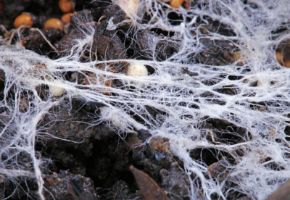

 – Guida completa morfologia, differenze con Hydnum albidum_950.png "Hydnum repandum (Morel Mushroom) – Complete Guide: Morphology, Differences from Hydnum albidum")

 – Ciclo biologico, morfologia, habitat, ricerche_950.jpeg "Morchella esculenta (Morel Mushroom) – Life cycle, morphology, habitat, research")