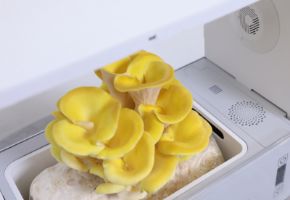
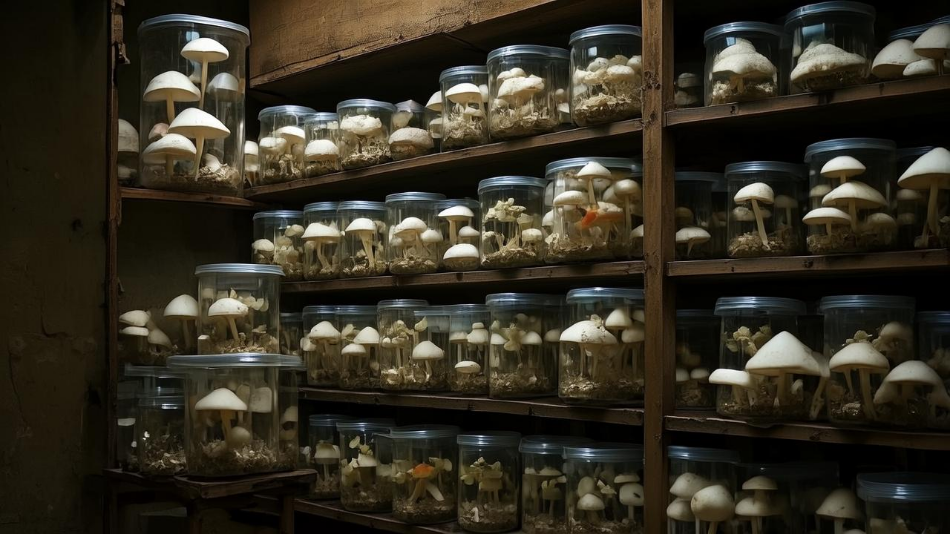
In the magical world of mycoculture, microclimate represents that delicate balance between science and art that separates success from failure. Whether you're growing delicious oyster mushrooms in the cellar or experimenting with demanding shiitake mushrooms in the garage, understanding and mastering environmental variables is the key to transforming your non-air-conditioned space into a veritable mushroom paradise. This comprehensive guide, the fruit of years of experience and field research, will lead you step by step through all the strategies, data, and practical solutions for creating the perfect microclimate, even in the most challenging environments.
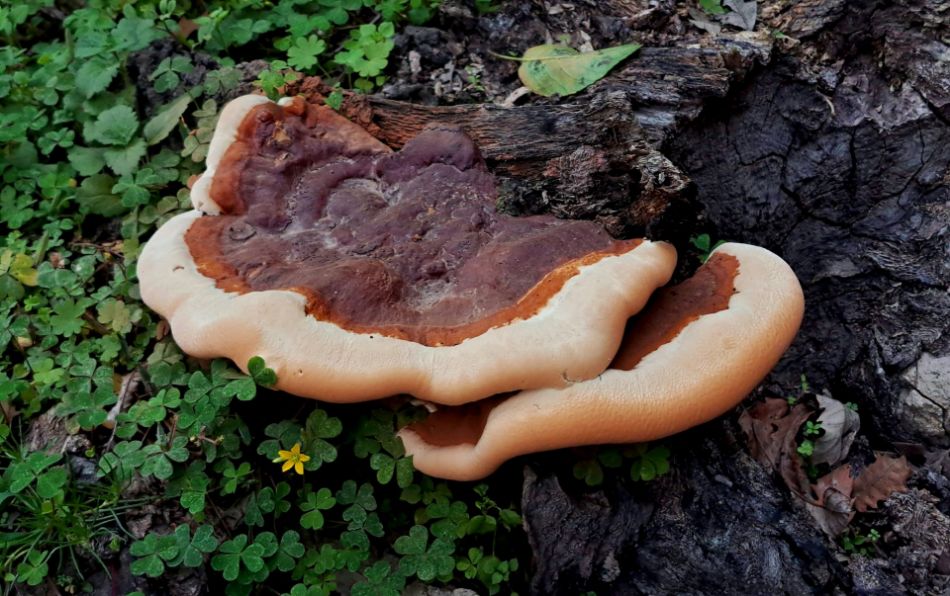
Antibiotic resistance is one of the greatest threats to global health, with millions of people at risk from bacteria increasingly resistant to conventional drugs. But nature offers us a surprising solution: mushrooms. Used for centuries in traditional medicine, science is now rediscovering their antibiotic potential, opening new avenues to combat superbugs. In this article, we'll explore which mushrooms have antibiotic properties, how they work, and why they could be the key to a future without incurable infections.
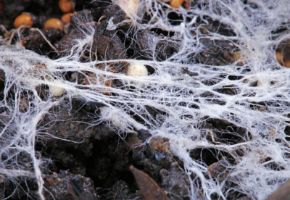
Mushroom cultivation is an art that combines science and patience, where every step requires meticulous attention. Among all these stages, mycelium colonization is a crucial moment: it's here that the success or failure of the entire process is decided. In this guide, we'll explore everything you need to know about mycelium incubators, from the scientific basis to practical solutions, with data, tables, and case studies to help you achieve professional results even at home.