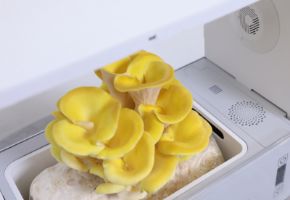
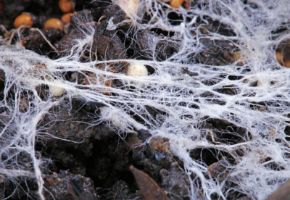
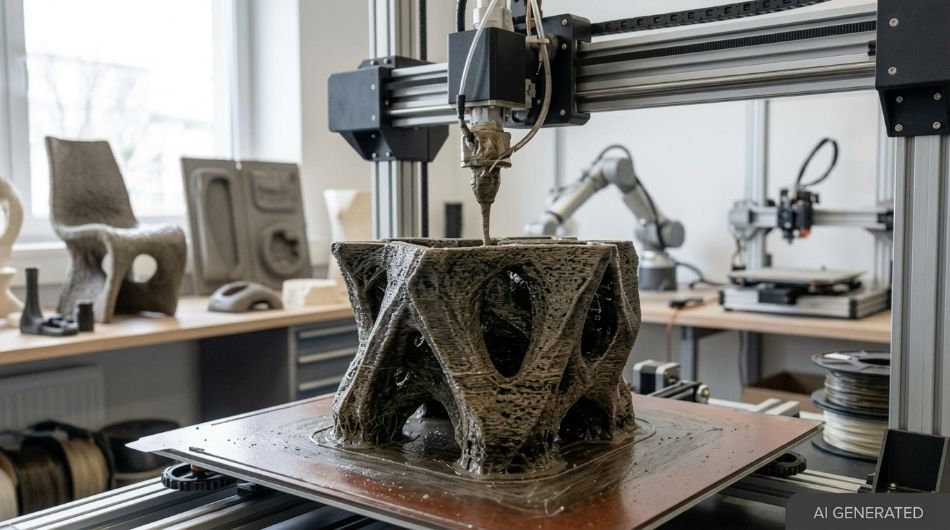
Per oltre quattro decenni la stampa 3D ha lavorato quasi esclusivamente con materiali inerti: polimeri derivati dal petrolio, polveri metalliche, resine fotopolimerizzabili, ceramiche tecniche. Oggi qualcosa di profondamente diverso sta uscendo dai laboratori di biotecnologia e dai dipartimenti di ingegneria dei materiali di mezzo mondo. L'ugello di una stampante non deposita più soltanto plastica fusa, ma una pasta viva, biancastra, densa come un impasto per pane, popolata di ife fungine che continuano a crescere dopo la deposizione. È l'inizio di una manifattura che non costruisce oggetti, ma li coltiva.
Every second, as you read this sentence, about 25 trillion red blood cells are carrying oxygen through your blood vessels, and hundreds of trillions of mitochondria are burning it to produce energy. So oxygenation is not just a minor physiological detail: it’s the very condition of aerobic life, the process that separates a working cell from a cell that is barely surviving. Yet, when we talk about oxygenation, most people think only of breathing, that is, the last visible link in a very long chain that starts in the air and ends inside a microscopic structure called the mitochondrial respiratory chain.
There's a moment in the life of anyone who grows mushrooms when suspicion turns into certainty: the hygrometer is lying. The display says 92% relative humidity, the substrate looks visibly dry, the primordia abort one after the other, and the caps crack like parched earth. Or the opposite happens: the device reads 78%, but water is dripping on the walls of the fruiting chamber, and the mycelium is drowning in a bacterial slime. It's not a faulty instrument. It's hysteresis: the phenomenon where a physical system doesn't just respond to the current value of a quantity, but also to where it came from, meaning the history it went through to get there.